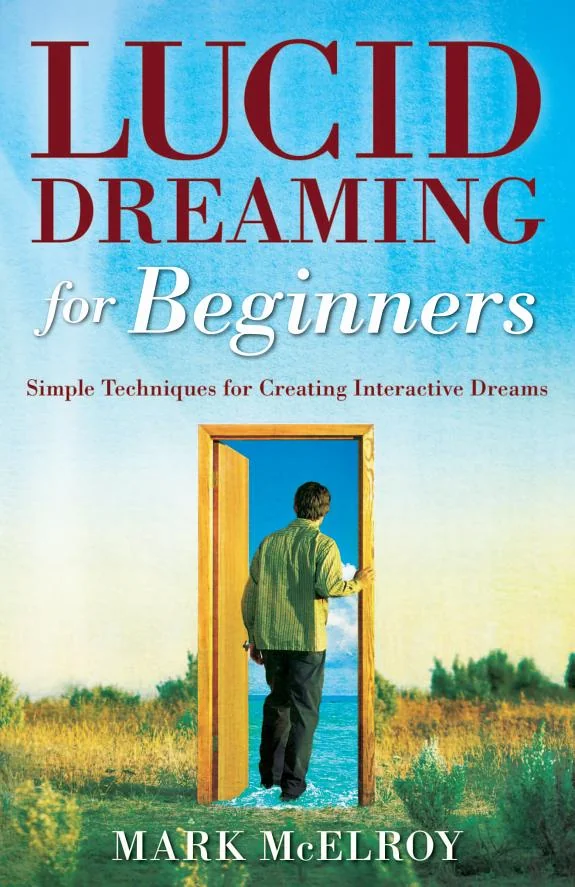
Lucid Dreaming for Beginners
 84
84

Lucid Dreaming for Beginners
Mark McElroy’s "Lucid Dreaming for Beginners" offers a refreshingly direct entry point into a fascinating field. Unlike many esoteric texts that can feel dense or inaccessible, McElroy’s prose, first published in 2007, is notably grounded and often humorous, drawing on personal anecdotes that make the pursuit of dream control seem less like a mystical quest and more like a practical skill. His explanation of reality checks, a cornerstone technique for inducing lucidity, is particularly clear and actionable. However, the book's primary limitation lies in its brevity; while excellent for novices, experienced practitioners might find the coverage of advanced techniques or deeper theoretical underpinnings somewhat superficial. The discussion of dream signs, while useful, could benefit from more extensive cataloging or analysis. Despite this, the work’s strength is its encouraging tone and its success in demystifying a practice that can otherwise seem daunting. It effectively bridges the gap between the desire to explore one's inner world and the practical means to do so, making it a solid starting point for anyone intrigued by the possibilities of conscious dreaming.
📝 Description
84
Mark McElroy's 2007 book argues that sleep is an active period for personal growth.
One-third of human life is spent sleeping, a time often seen as passive. Mark McElroy's "Lucid Dreaming for Beginners" suggests this time can be used for active exploration and growth. The book explains the sleep cycle, particularly the REM phase where vivid dreams occur. By understanding these cycles, readers can learn to achieve lucidity, or conscious awareness, within their dreams. McElroy presents dreaming not just as a biological function but as a space for psychological exploration.
This guide is written for those new to consciously controlling their dreams. It is for anyone curious about using their sleep for entertainment, solving problems, or self-discovery. Readers will find practical, step-by-step instructions that are easy to follow. The book is also useful for those interested in psychology, consciousness studies, or personal development who want to examine a less-discussed part of human experience. No prior knowledge of dreamwork is assumed.
Published in 2007, "Lucid Dreaming for Beginners" emerged during a time of increased interest in consciousness research. The book connects to a long history of human fascination with dreams found in various cultural and spiritual traditions. McElroy builds on established methods for inducing lucidity, framing them within modern psychological understanding while maintaining a clear, anecdotal style. It acknowledges pioneers in the scientific study of lucid dreaming.
💡 Why Read This Book?
• Gain practical techniques for recognizing you are dreaming while asleep, directly from McElroy's guide to "reality checks," a method he details for distinguishing waking from dreaming states. • Learn to enhance dream recall through specific exercises recommended in the book, a foundational step essential for building awareness within your dreams as outlined by the author. • Explore the concept of "dream signs" as presented by McElroy, identifying recurring personal symbols or events that can act as triggers for lucidity, transforming passive sleep into an active experience.
⭐ Reader Reviews
Honest opinions from readers who have explored this book.
❓ Frequently Asked Questions
What is the earliest publication date for Mark McElroy's "Lucid Dreaming for Beginners"?
Mark McElroy's "Lucid Dreaming for Beginners" was first published in 2007, positioning it within a wave of popular interest in consciousness and self-exploration.
Does the book explain the science behind lucid dreaming?
Yes, the book touches upon the physiological stages of sleep, particularly the REM phase, explaining how these relate to the experience of lucid dreaming and conscious awareness during sleep.
Are there specific exercises or techniques taught in the book?
Absolutely. The book details methods such as "reality checks" and strategies for improving "dream recall," designed to help beginners achieve conscious awareness within their dreams.
Is "Lucid Dreaming for Beginners" suitable for someone with no prior experience?
Yes, the book is specifically designed for beginners. It assumes no prior knowledge and provides clear, step-by-step instructions and relatable anecdotes to guide new practitioners.
What is a 'dream sign' according to the book?
A 'dream sign' is a recurring element, object, or event within your dreams that can serve as a cue to recognize that you are dreaming, a concept central to McElroy's techniques.
How does the book approach the interpretation of dreams?
While focusing primarily on achieving lucidity and control, the book implicitly suggests that conscious exploration within dreams can lead to personal insights, though it does not focus heavily on traditional dream interpretation methods.
🔮 Key Themes & Symbolism
Conscious Awareness in Sleep
The core of McElroy's work is the assertion that sleep is not a passive state but an opportunity for conscious engagement. By understanding the sleep cycle, particularly REM sleep, readers are encouraged to cultivate awareness within their dreams. This theme posits that lucidity is an achievable skill, allowing individuals to transition from merely experiencing dreams to actively participating in and directing them. The book emphasizes that this conscious state can transform sleep into a space for exploration, creativity, and self-discovery, moving beyond the typical experience of passively witnessing dream narratives.
Practical Dream Induction Techniques
This theme focuses on the actionable methods presented for achieving lucid dreams. Central to this are "reality checks," a series of mental or physical tests performed regularly during waking life to build a habit that can carry over into the dream state, prompting lucidity. "Dream recall" is also highlighted as a critical foundational skill, with techniques offered to improve memory of dream content. The book presents these as accessible tools, clarifying the process and providing beginners with a clear roadmap to begin experimenting with conscious dreaming.
The Dream as a Personal Frontier
McElroy frames the dream world as a personal landscape ripe for exploration and adventure. This theme encourages readers to view their dreams not just as random occurrences but as a controllable environment offering unique opportunities. The book uses humorous and enlightening anecdotes to illustrate the potential for fun, insight, and even problem-solving within lucid dreams. It promotes an attitude of curiosity and playfulness, suggesting that by taking charge of one's dream life, one can enrich their waking existence and gain a deeper understanding of their own psyche.
Understanding Sleep Cycles
A foundational aspect of the book involves explaining the basic architecture of sleep. McElroy discusses the different stages of sleep, paying particular attention to REM (Rapid Eye Movement) sleep, the phase most commonly associated with vivid dreaming. Understanding these biological rhythms, the book argues, is key to optimizing conditions for lucid dreaming. By recognizing the patterns and timing of sleep, practitioners can better anticipate and engage with the dream state, increasing their chances of achieving lucidity and making their dream experiences more predictable and controllable.
💬 Memorable Quotes
Direct passages from the work, attributed to the author.
“One third of our lives is spent asleep, passively enduring the pleasures and terrors of our dreams.”
— This opening sentiment captures the book's core premise: that the vast amount of time spent sleeping is largely unexamined and could be transformed into an active, engaging experience.
“What if you could take charge of your dream life and transform slumber into a fun, enriching adventure?”
— This rhetorical question directly addresses the reader's potential desire for greater control and engagement with their subconscious, setting the stage for the practical guidance that follows.
“Techniques for encouraging lucid dreams are punctuated by funny, enlightening anecdotes from the author and other lucid dreamers.”
— This highlights the book's accessible style, suggesting that the learning process is supported by relatable stories, making the potentially abstract concept of lucid dreaming feel more grounded and achievable.
“Step inside the exciting and gratifying world of lucid dreaming.”
— This invitation frames lucid dreaming as an accessible and rewarding pursuit, encouraging readers to overcome any apprehension and engage with the subject matter.
💡 Key Ideas
Editorial paraphrase of the work's core concepts — not direct quotes.
Mark McElroy explores the stages of sleep and explains how to boost your lucid dreaming potential.
This accurately summarizes the book's dual approach: combining scientific understanding of sleep physiology with practical advice for enhancing one's ability to become lucid while dreaming.
🌙 Esoteric Significance
Tradition
While not strictly adhering to a single esoteric lineage, "Lucid Dreaming for Beginners" draws from the broader tradition of consciousness exploration that intersects with Hermeticism, Gnosticism, and Western Esotericism. These traditions often posit that the human mind possesses latent abilities and that altered states of consciousness can provide access to deeper knowledge or spiritual realities. McElroy's work secularizes and democratizes aspects of these traditions, presenting dream control as a psychological skill rather than a purely mystical attainment, making esoteric concepts accessible to a modern, secular audience.
Symbolism
The book implicitly engages with symbolism through the concept of "dream signs." These recurring motifs or elements within dreams act as personal symbols that, when recognized, can trigger lucidity. The act of recognizing a "dream sign" is itself a symbolic interaction, where a seemingly mundane or bizarre element within the dreamscape becomes a key to unlocking conscious awareness. The dream state itself can be seen as symbolic, representing the subconscious mind's landscape, and the lucid dreamer learns to navigate and interpret this symbolic language with intention.
Modern Relevance
McElroy's work remains relevant today for contemporary practitioners of mindfulness, biohacking, and transpersonal psychology. The techniques described, particularly "reality checks" and "dream recall," are foundational for many modern dreamwork communities and apps. Thinkers exploring the nature of consciousness and virtual reality often reference lucid dreaming as a precedent for technologically mediated altered states. Its accessible approach continues to be a gateway for individuals interested in exploring the mind-body connection and the potential for self-transformation through inner exploration, aligning with current interests in mental wellness and personal growth.
👥 Who Should Read This Book
["• Individuals new to dream exploration: Those curious about dreams but unsure where to start will find McElroy's clear, step-by-step guidance and relatable anecdotes important for their first foray into lucid dreaming.", "• Self-improvement enthusiasts: Readers seeking practical methods for personal growth and unlocking hidden potential will appreciate the book's focus on transforming passive sleep into an active, enriching experience.", '• Aspiring consciousness researchers: Anyone interested in the nature of consciousness, psychology, or the untapped capabilities of the human mind will find this book an accessible introduction to a fascinating field of study.']
📜 Historical Context
Published in 2007, "Lucid Dreaming for Beginners" arrived as popular interest in consciousness studies and altered states of awareness was gaining momentum. This period saw a surge in self-help and esoteric literature, building on foundations laid by researchers like Stephen LaBerge, whose work in the 1980s and 90s brought scientific legitimacy to the study of lucid dreaming. McElroy's book emerged in a landscape where concepts like mindfulness and dream interpretation were becoming more mainstream, but it distinguished itself by focusing on the practical induction of lucidity. It contributed to a growing body of work that sought to explain practices previously confined to niche spiritual circles. While not engaging directly with academic debates, it reflected a broader cultural curiosity about the untapped potential of the human mind, aligning with a general trend toward personal exploration and psychological self-improvement that characterized the early 21st century.
📔 Journal Prompts
Reflect on the potential of "reality checks" to bridge your waking and dreaming awareness.
Identify three personal "dream signs" you might look for based on your waking life experiences.
Describe a recurring element in your dreams and how you might use it as a trigger for lucidity.
Consider how improving "dream recall" could enhance your understanding of your subconscious.
Explore the idea of "dream control" as a metaphor for gaining agency in your waking life.
🗂️ Glossary
Lucid Dreaming
The state of being aware that you are dreaming while the dream is occurring. This awareness can range from a fleeting recognition to full conscious control over the dream narrative and environment.
REM Sleep
Rapid Eye Movement sleep, a stage of the sleep cycle characterized by increased brain activity, rapid eye movements, and vivid dreaming. It is the primary state in which lucid dreams occur.
Reality Check
A technique involving performing a specific action or mental query during waking life to test whether one is dreaming. The goal is to habituate this behavior so it occurs spontaneously within a dream, triggering lucidity.
Dream Recall
The ability to remember the content of one's dreams upon waking. Cultivating strong dream recall is considered a fundamental step in developing lucid dreaming skills.
Dream Sign
A recurring element, object, person, place, or event that appears consistently within an individual's dreams. Recognizing a dream sign can serve as a cue to become lucid.
Stages of Sleep
The cyclical phases of sleep, typically divided into Non-REM (NREM) sleep (stages 1-3) and REM sleep. Understanding these stages helps in timing and approaching dream states.
Dream Control
The ability, achieved during a lucid dream, to consciously influence or manipulate the dream environment, characters, or storyline.
This book appears in 1 collection
🔮 Readers Also Liked
Browse all →









From the “Lucid Dreaming” Collection
View all →





More Free Occult Philosophy Books
View all →