Ley Lines and the Rustling of Cedar

 76
76

Ley Lines and the Rustling of Cedar
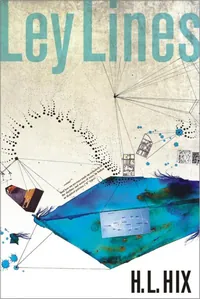
Niloofar Fanaiyan's "Ley Lines and the Rustling of Cedar" offers a refreshing departure from the often abstract or overly personal nature of contemporary poetry. Fanaiyan grounds her work in tangible natural imagery while simultaneously invoking potent esoteric concepts. The strength of the collection lies in its delicate balance; it manages to discuss ley lines, for instance, not as abstract theories but as felt presences within the landscape. A particular passage describing the "shiver of energy along the old Roman road" vividly captures this synthesis. However, the collection occasionally suffers from a lack of explicit narrative or thematic through-line, leaving some poems feeling like isolated meditations rather than parts of a cohesive whole. Despite this, the book succeeds in evoking a profound sense of place and its inherent magic. It is a collection for those who listen closely to the earth's whispers.
📝 Description
76
Niloofar Fanaiyan's 2017 collection, "Ley Lines and the Rustling of Cedar," examines subtle geographies.
This book of poems engages with the unseen energies and ecological connections of the natural world. It moves beyond traditional poetic structures to discuss concepts often found in esoteric thought, such as the energetic pathways of ley lines and the symbolic meaning of natural elements. The work encourages readers to view the earth as a living, interconnected system, not just a physical location. It holds a sense of memory and spirit.
The collection is intended for those drawn to the spaces between the physical and the mystical. It will appeal to readers interested in geomancy, earth based spirituality, and poetry that attempts to express the ineffable. Individuals who approach nature with wonder and a desire to perceive its deeper currents and hidden narratives will find resonance here.
Published in 2017, "Ley Lines and the Rustling of Cedar" arises from a recent revival of interest in earth energies and sacred geography. This trend is visible in movements like Gaianism and contemporary eco spirituality. Fanaiyan's poetry engages with earlier esoteric writers who explored similar ideas. This includes Ivan McTaggart's work on ley lines and Dion Fortune's writings on the magical and spiritual aspects of the land.
💡 Why Read This Book?
• Gain a unique poetic perspective on geomancy and earth energies, understanding how concepts like ley lines are experienced and articulated through evocative language, drawing from Fanaiyan's specific meditations on these energetic pathways. • Discover the symbolic significance of trees, particularly cedars, as conduits of natural wisdom and longevity, moving beyond botanical description to a spiritual appreciation of flora as detailed in the collection's titular theme. • Connect with a contemporary esoteric sensibility that bridges ancient earth wisdom with modern ecological awareness, offering insights into how nature's patterns and spirits can inform personal spiritual practice, as exemplified by the 2017 publication date situating it within a modern revival.
⭐ Reader Reviews
Honest opinions from readers who have explored this book.
❓ Frequently Asked Questions
What is the main focus of Niloofar Fanaiyan's "Ley Lines and the Rustling of Cedar"?
The book is a collection of poems that explore the energetic and spiritual dimensions of the natural world, focusing on concepts like ley lines and the symbolic resonance of plants, particularly cedars.
Who is Niloofar Fanaiyan?
Niloofar Fanaiyan is the author of "Ley Lines and the Rustling of Cedar," first published in July 2017. She is also known for her previous work, "Transit."
What are ley lines as discussed in the book?
Ley lines, in the context of the book, refer to theoretical alignments of ancient sites believed to carry terrestrial energy, an idea popularized by Alfred Watkins in the 1920s, which Fanaiyan explores poetically.
What is the significance of 'Rustling of Cedar' in the title?
The phrase evokes the animate spirit of cedar trees, suggesting their role as ancient symbols of healing and longevity within various traditions and their communicative aspect within the ecosystem.
Is this book suitable for beginners in esoteric studies?
Yes, its poetic approach makes esoteric concepts accessible, offering an intuitive entry point for those new to geomancy or earth-based spirituality who appreciate lyrical expression.
What kind of poetry can I expect from this collection?
Expect lyrical, evocative poetry that integrates natural observation with esoteric concepts, focusing on imagery and atmosphere rather than strict narrative.
🔮 Key Themes & Symbolism
Geomantic Landscapes
The collection studies the concept of geomancy, treating the earth not just as soil and rock but as a dynamic energetic field. Fanaiyan explores ley lines, theoretical alignments of ancient sites, as conduits of terrestrial power. This theme invites readers to perceive landscapes with a heightened awareness, recognizing the subtle currents and historical imprints that shape a place. The poems encourage a re-enchantment with geography, suggesting that sacred sites and natural formations are nodes in a larger, invisible network of energy.
The Sentience of Flora
Central to the work is the idea that plant life, particularly ancient trees like cedars, possesses a form of sentience and spiritual significance. The 'rustling' of the cedar is not merely a sound but a form of communication, a whisper from the earth's living tissues. This theme draws upon animistic traditions and contemporary ecological thought, positing trees as keepers of wisdom and vital links in the planet's energetic and spiritual web. It encourages a respectful, reciprocal relationship with the botanical world.
Poetic Cartography
Fanaiyan employs poetry as a tool for mapping unseen territories – the energetic pathways, the spiritual resonance of places, and the internal landscapes they evoke. This 'poetic cartography' moves beyond literal maps to chart emotional and spiritual connections to the land. The collection suggests that by attuning to the subtle energies of places, one can create a more profound and integrated relationship with the environment, revealing the hidden dimensions of familiar spaces.
Elements of the Past
The poems are imbued with a sense of historical layering, where the energies of ancient peoples and geological time resonate in the present. Ley lines and ancient trees serve as markers of this deep time, connecting contemporary experience to the enduring spirit of the land. Fanaiyan captures the feeling that the earth holds memories, and that by listening closely, one can perceive these echoes, fostering a connection to ancestral wisdom and the planet's deep history.
💬 Memorable Quotes
Direct passages from the work, attributed to the author.
“Where lines converge, the earth breathes deeper.”
— This evokes the concept of ley lines as focal points of terrestrial energy, implying a heightened vitality and spiritual significance at these intersections.
“A rustle not of wind, but of ancient knowing.”
— This interpretation of the cedar's sound emphasizes its role as a source of deep, instinctual wisdom, transcending mere meteorological phenomena.
“Mapping the spirit of the stone.”
— This phrase captures the book's aim to poetically chart the inherent spiritual qualities and energetic signatures found within the earth's geological formations.
“Transit between worlds, held by roots.”
— This suggests a liminal state of consciousness, where the poetic self moves between different realities, grounded by the deep, anchoring power of nature.
💡 Key Ideas
Editorial paraphrase of the work's core concepts — not direct quotes.
The cedar remembers the sun's first touch.
This line poetically suggests the ancient wisdom and enduring presence of cedar trees, framing them as living archives of natural history and spiritual continuity.
🌙 Esoteric Significance
Tradition
The work aligns with contemporary earth-based spiritual traditions and geomancy, drawing from an animistic worldview where nature is imbued with spirit and consciousness. It departs from more structured esoteric systems like Hermeticism or Kabbalah by focusing on the intuitive, felt experience of landscape rather than codified dogma or symbolic systems. Its approach is more akin to modern paganism and eco-shamanism, emphasizing direct connection and perception of natural energies.
Symbolism
Key symbols include 'ley lines,' representing the energetic pathways and sacred geography of the Earth, connecting ancient sites and natural power points. 'Cedar' symbolizes ancient wisdom, healing, longevity, and spiritual communication, acting as a conduit between the terrestrial and the ethereal. The 'rustling' itself symbolizes the subtle, often overlooked voice of nature, carrying messages of deep knowing and connection.
Modern Relevance
Contemporary practitioners of earth spirituality, eco-shamanism, and landscape magic find resonance in Fanaiyan's work. It speaks to a modern desire to reconnect with nature on a deeper, spiritual level, informing practices that seek to harmonize with planetary energies and understand the ecological crisis through a spiritual lens. Thinkers and artists exploring ecological consciousness and the 'more-than-human' world often draw upon such poetic explorations of terrestrial vitality.
👥 Who Should Read This Book
• Seekers interested in geomancy and earth energies who wish to explore these concepts through evocative poetry rather than purely academic texts. • Readers drawn to nature writing that incorporates spiritual and symbolic dimensions, appreciating lyrical explorations of landscape and flora. • Individuals engaged with contemporary eco-spirituality and animistic perspectives seeking poetic articulations of the earth's living consciousness.
📜 Historical Context
Published in 2017, "Ley Lines and the Rustling of Cedar" arrived during a period of renewed interest in earth mysteries and esoteric geography. This resurgence was partly fueled by a growing dissatisfaction with purely materialistic worldviews and an increasing engagement with ecological concerns. Fanaiyan's work can be situated alongside contemporary eco-spiritual movements and authors who sought to re-enchant the landscape, such as Dannion Brinkley and various proponents of Gaianism. The book taps into a lineage that includes early 20th-century figures like Alfred Watkins, who popularized the concept of ley lines, and writers like Dion Fortune, who explored the magical potency of the earth. While not directly engaging with academic discourse, its themes echo broader cultural currents exploring indigenous cosmologies and the perceived intelligence of nature, contrasting with the dominant rationalist and scientific paradigms of the era.
📔 Journal Prompts
Reflect on the energetic pathways suggested by the 'ley lines' in your own familiar surroundings.
Consider the 'rustling of cedar' as a metaphor for the subtle wisdom you perceive in nature.
Explore the concept of 'poetic cartography' in documenting your personal connection to a specific place.
What ancient memories might the 'stones' of your local environment hold?
Meditate on the 'transit between worlds' that nature facilitates for you.
🗂️ Glossary
Ley Lines
Theoretical alignments of ancient sites, natural features, or places of power, believed by some to carry terrestrial energy currents. Popularized by Alfred Watkins in the 1920s.
Geomancy
A form of divination or earth-based magic involving the interpretation of patterns and energies within the landscape. It often includes the study of sacred sites and earth energies.
Cedar
A type of coniferous tree, often associated in various cultures with longevity, healing, purification, and spiritual connection due to its ancient presence and aromatic wood.
Animism
The belief that natural objects, phenomena, and the universe itself possess a distinct spiritual or soul. It posits consciousness in non-human entities like plants and rocks.
Terrestrial Energy
A broad term referring to hypothesized natural energies emanating from the Earth, often associated with geological formations, magnetic fields, or spiritual power points.
Poetic Cartography
The use of poetry and striking prose to map and describe subjective, spiritual, or energetic aspects of places and experiences, rather than literal geography.
Transit
A state of passage or transition, often used in esoteric contexts to describe movement between different states of consciousness or areas of existence.
This book appears in 1 collection
🔮 Readers Also Liked
Browse all →







From the “Ley Lines” Collection
View all →






More Free Occult Philosophy Books
View all →