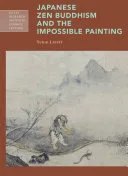
Japanese Zen Buddhism and the Impossible Painting
 71
71

Japanese Zen Buddhism and the Impossible Painting
Yukio Lippit's "Japanese Zen Buddhism and the Impossible Painting" tackles a fascinating contradiction: how does a spiritual path dedicated to realizing emptiness manifest such a wealth of concrete artistic output? Lippit's strength lies in his meticulous analysis of specific artworks and textual traditions, moving beyond broad generalizations to scrutinize the very mechanics of representation. He compellingly argues that the creation of form in Zen art is not a deviation from its philosophy but a crucial, albeit paradoxical, method for pointing towards formlessness. The limitation, perhaps, is that the academic rigor might alienate readers seeking a more devotional or experiential approach to Zen art. A particularly insightful passage discusses the visual strategies employed in *sumi-e* ink wash paintings to evoke a sense of the void through brushwork and negative space. Ultimately, this is a rigorous academic examination of a profound aesthetic and philosophical problem.
📝 Description
71
Yukio Lippit's 2017 study examines how Zen Buddhism's emphasis on emptiness produced visual art.
Yukio Lippit's 2017 book, Japanese Zen Buddhism and the Impossible Painting, investigates the paradox of Zen Buddhist philosophy, which values emptiness and formlessness, yet generated a significant body of visual art. Lippit scrutinizes the methods and intentions artists employed to represent the ineffable, looking at the diverse media and strategies used by Zen artists to translate abstract concepts into tangible forms.
The study engages with the history of Zen Buddhism in Japan, situating its analysis within ongoing scholarly discussions on Buddhist art and philosophy. It acknowledges the long-standing debate about representation in traditions that prioritize non-duality. The book is intended for readers with a serious interest in Buddhist art, East Asian aesthetics, and philosophical inquiries into perception and reality, appealing to scholars, graduate students, and dedicated practitioners.
This book engages with Mahayana Buddhist concepts, particularly *śūnyatā* (emptiness), a central tenet that posits the lack of inherent existence in all phenomena. The tradition's philosophical stance often challenges conventional notions of form and representation. Lippit explores how Zen masters and artists in Japan grappled with this tension, using concrete artistic creations to point towards realities that transcend conventional understanding. The study considers how artwork can function as a meditative tool, guiding the viewer toward an experience of emptiness within the apparent solidity of form.
💡 Why Read This Book?
• Learn how Zen artists employed diverse media and expressive strategies to visually manifest the concept of emptiness, a core tenet of Buddhism, as explored in the book's analysis of Japanese Zen art. • Understand the philosophical tightrope walk between *śūnyatā* (emptiness) and *rūpa* (form) as depicted in the book’s examination of Zen Buddhist art practices. • Gain insight into the active role of the viewer in perceiving the ineffable through concrete artistic forms, a concept central to the book's interpretation of Zen aesthetics.
⭐ Reader Reviews
Honest opinions from readers who have explored this book.
❓ Frequently Asked Questions
What is the central paradox explored in "Japanese Zen Buddhism and the Impossible Painting"?
The book investigates the paradox of Zen Buddhism, a tradition emphasizing emptiness and the illusory nature of form, yet possessing a rich history of visual art creation.
Who is the author of "Japanese Zen Buddhism and the Impossible Painting"?
The author is Yukio Lippit, and the book was first published on February 28, 2017.
What is the concept of emptiness (*śūnyatā*) in Zen Buddhism?
*Śūnyatā* is a fundamental concept in Mahayana Buddhism, asserting that all phenomena lack inherent existence and are ultimately empty of self-nature.
What types of art does the book examine?
The book examines a wide range of Zen-associated art, including ink wash paintings (*sumi-e*), calligraphy, and potentially other media used to convey Buddhist principles.
How does the book connect art to Zen philosophy?
It explores how artists used tangible forms and representational strategies as a means to point towards or evoke the formless, ineffable nature of ultimate reality.
What is the significance of 'impossible painting' in the title?
The 'impossible painting' refers to the challenge of visually representing the concept of emptiness, a seemingly impossible task that Zen art attempts to achieve.
🔮 Key Themes & Symbolism
Emptiness and Form
The core theme revolves around the Buddhist concept of *śūnyatā* (emptiness) and its apparent contradiction with the creation of tangible artistic forms. Lippit dissects how Zen masters and artists utilized visual media—from calligraphy to ink wash paintings—not to depict concrete realities, but to create visual experiences that suggest or point towards the absence of inherent existence and the nature of ultimate reality, challenging the viewer's perception.
The Paradox of Representation
This theme addresses the inherent tension in using representation to convey the unrepresentable. The book investigates the specific techniques, aesthetic choices, and philosophical justifications that enabled Zen art to function as a vehicle for Buddhist teachings. It examines how the 'impossibility' of painting emptiness becomes the very subject, forcing a re-evaluation of what art can achieve when divorced from conventional mimetic aims.
Viewer Perception and Enlightenment
Lippit explores how Zen art is designed to engage the viewer actively, guiding them towards a particular mode of perception. The artwork is not merely an object to be passively observed but a tool or catalyst for meditative insight. The 'emptiness' is not just in the painting but is realized through the viewer's own contemplative engagement with the work, aligning aesthetic experience with spiritual practice.
Art as Meditation
The book posits that much of Zen art functions as a form of visual meditation. The creation process, the subject matter (or lack thereof), and the aesthetic qualities are all intended to foster mindfulness and detachment. By studying these works, one can understand how artistic practice became intertwined with the path to enlightenment in Japanese Zen Buddhism, offering a unique perspective on spiritual discipline.
💬 Memorable Quotes
Direct passages from the work, attributed to the author.
“Form is empty, all phenomena are illusory.”
— This phrase expresses a central tenet of Buddhist philosophy, highlighting the idea that the perceived world lacks inherent, independent existence, a concept the book explores through its artistic manifestations.
“A prodigious amount of artwork has been created in association with Zen thought and practice.”
— This statement points directly to the central paradox the book investigates: the creation of substantial visual art within a tradition that emphasizes the illusory nature of form.
“Form has been used to express the essence of formlessness.”
— This interpretation highlights the paradoxical strategy employed by Zen artists, using concrete visual elements to gesture towards or evoke the abstract, ineffable concept of emptiness.
“The work explores how a wide range of media, genres, expressive modes, and strategies of representation have been embraced to convey the idea of emptiness.”
— This suggests the book's analytical focus is on the diverse artistic methods developed within Zen to tackle the philosophical challenge of visualizing the void.
“Zen art poses a conundrum.”
— This opening statement frames the entire study as an investigation into a persistent and intriguing problem within the intersection of Zen philosophy and its artistic traditions.
🌙 Esoteric Significance
Tradition
While not strictly adhering to Western esoteric lineages like Hermeticism or Kabbalah, this work deeply engages with Buddhist philosophy, particularly Mahayana and Zen traditions, which possess their own complex esoteric dimensions. It fits within a broader esoteric interest in non-dualistic philosophies and the nature of consciousness. The book’s focus on the paradoxical manifestation of form from emptiness speaks to Gnostic inquiries into the material world's relationship to the divine.
Symbolism
The primary 'symbol' explored is emptiness (*śūnyatā*), represented not by a specific icon but by the deliberate use of negative space, minimalist brushwork (as in *sumi-e*), and suggestive forms. The ink brush itself, and the act of painting, become symbolic of the dynamic interplay between the potential (emptiness) and the actual (form), mirroring the creation process.
Modern Relevance
Contemporary thinkers and artists exploring mindfulness, meditation, and non-dual consciousness often draw inspiration from Zen aesthetics. Practices like minimalist art, abstract expressionism, and contemplative photography echo the visual strategies and philosophical underpinnings discussed in Lippit's work. It remains relevant for those seeking to understand the intersection of art, psychology, and spiritual inquiry in the modern world.
👥 Who Should Read This Book
• Academic researchers in Buddhist studies, art history, and philosophy seeking rigorous analysis of Zen aesthetics and its theoretical underpinnings. • Practitioners of Zen Buddhism interested in a deeper intellectual understanding of the visual culture associated with their practice and its philosophical justifications. • Art enthusiasts and critics curious about how artists grapple with abstract philosophical concepts like emptiness and non-duality in their creative output.
📜 Historical Context
Published in 2017, Yukio Lippit's "Japanese Zen Buddhism and the Impossible Painting" enters a long-standing scholarly conversation about Buddhist art and philosophy. The work implicitly engages with the legacy of scholars like D.T. Suzuki, who significantly shaped Western understanding of Zen in the mid-20th century, often emphasizing its non-representational aspects. Lippit’s study, however, moves beyond Suzuki's more generalized interpretations to offer a more nuanced examination of specific artistic practices and their philosophical underpinnings. It situates itself within art historical discourse that grapples with the representational challenges posed by traditions valuing emptiness, such as certain schools of Mahayana Buddhism. The book’s detailed analysis provides a counterpoint to interpretations that might dismiss Zen art as peripheral to its core philosophy, arguing instead for its integral role in the transmission of Zen ideals.
📔 Journal Prompts
The paradox of Zen art: form representing formlessness.
Visual strategies used to depict emptiness.
The viewer's role in realizing the void.
How does the concept of *śūnyatā* challenge conventional notions of art?
The relationship between artistic creation and meditative practice.
🗂️ Glossary
Śūnyatā
A central concept in Mahayana Buddhism, often translated as 'emptiness' or 'voidness,' referring to the lack of inherent existence or self-nature in all phenomena.
Rūpa
The Sanskrit term for 'form,' 'matter,' or 'appearance,' often contrasted with emptiness in Buddhist philosophy.
Sumi-e
A style of Japanese ink wash painting that emphasizes simplicity, spontaneity, and the expressive potential of black ink on white paper, often associated with Zen Buddhism.
Formlessness
The state or quality of lacking a defined shape or structure, often used in Buddhist contexts to refer to the ultimate nature of reality beyond conventional appearances.
Representation
The act of depicting or symbolizing something; in art, it refers to how an artwork stands for or resembles something else in the world.
Non-duality
A philosophical or spiritual concept that asserts the ultimate oneness or lack of fundamental separation between seemingly distinct realities, such as subject and object, or spirit and matter.
Meditation
A practice where an individual uses a technique – such as mindfulness, or focusing the mind on a particular object, thought, or activity – to train attention and awareness, and achieve a mentally clear and emotionally calm and stable state.