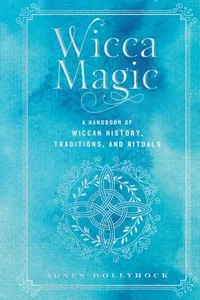
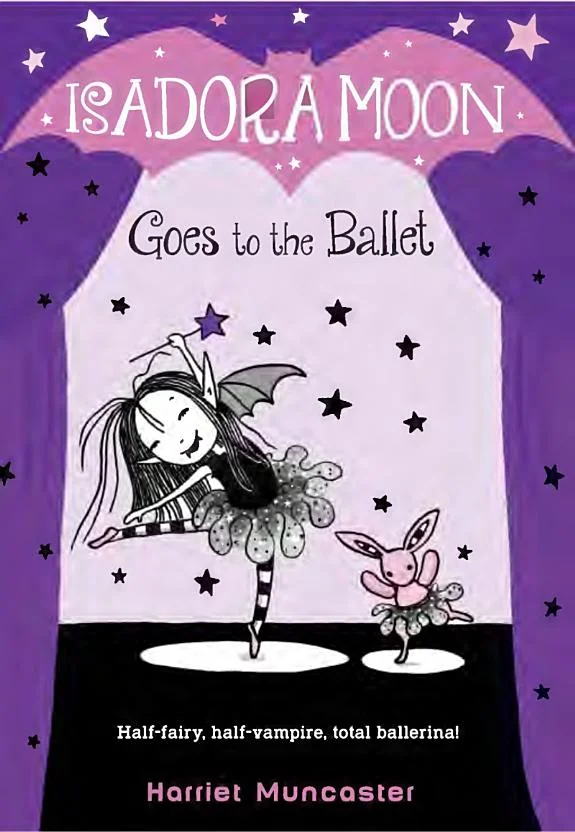
Isadora Moon Goes to the Ballet
 79
79

Isadora Moon Goes to the Ballet
Harriet Muncaster’s "Isadora Moon Goes to the Ballet" offers a sweet, if predictable, excursion into the world of dance for young readers. The strength lies in Isadora's relatable apprehension about a new experience; her hesitance before the performance mirrors that of many children encountering the unfamiliar. Muncaster’s creation of Isadora, a half-fairy, half-vampire, continues to be a delightful hook, offering a fresh perspective on individuality. However, the plot follows a well-trodden path for children's literature, with the school trip chaperone dynamic and the eventual enjoyment of the performance offering few surprises. A particular passage where Isadora worries about standing out in her fairy wings amongst the audience, only to find acceptance, highlights the book’s core message but feels somewhat understated. Ultimately, it's a pleasant, functional story for its intended audience.
📝 Description
79
Published in 2018, Isadora Moon Goes to the Ballet follows a fairy-vampire hybrid's first performance.
Harriet Muncaster's 2018 book, Isadora Moon Goes to the Ballet, chronicles a young girl's experience at her first ballet. Isadora, who is half fairy and half vampire, attends a school trip to the performance with her parents and her toy companion, Pink Rabbit. The story focuses on her individuality, stemming from her dual heritage, and how she navigates a new situation. This installment in the series showcases Isadora's everyday life and her ability to embrace who she is.
The book is suitable for young readers who enjoy fantasy stories with themes of friendship and overcoming shyness. Children who appreciate characters with unique backgrounds will find Isadora relatable. The narrative's gentle approach to emotions and social dynamics makes it a good fit for early elementary schoolers, especially those who might see themselves as different. Parents seeking lighthearted, visually appealing stories will also find it a good choice.
This book fits into a tradition of children's literature that features characters with hybrid or dual natures, a concept explored in various mythologies and modern fiction. Isadora's identity as a fairy and a vampire touches on themes of reconciling disparate elements within oneself. The series, beginning in 2018, taps into a growing trend of inclusivity in children's media, presenting a protagonist whose mixed heritage is a source of strength and individuality rather than internal conflict. This aligns with broader cultural shifts toward accepting multifaceted identities.
💡 Why Read This Book?
• Gain insight into managing first-time experiences with artistic events, as Isadora learns to appreciate the ballet, mirroring the journey of many young attendees. • Explore the theme of embracing unique identities through Isadora's dual fairy-vampire heritage, fostering self-acceptance in readers. • Discover the supportive role of family and friends, exemplified by Pink Rabbit and Isadora's parents chaperoning her school trip, reinforcing the value of a social support system.
⭐ Reader Reviews
Honest opinions from readers who have explored this book.
❓ Frequently Asked Questions
What is the primary genre of the Isadora Moon series?
The Isadora Moon series, including "Isadora Moon Goes to the Ballet," is primarily categorized as children's fantasy and early chapter books, blending elements of fairy tales and gentle gothic themes.
When was Isadora Moon Goes to the Ballet first published?
Isadora Moon Goes to the Ballet was first published in 2018, as part of the ongoing series by author Harriet Muncaster.
Who are the main characters accompanying Isadora on the school trip?
Isadora is accompanied on her school trip to the ballet by her parents and her beloved stuffed toy, Pink Rabbit.
What makes Isadora Moon a unique character?
Isadora Moon is unique because she is a half-fairy and half-vampire, a duality that shapes her experiences and perspective.
What is the central theme of Isadora Moon Goes to the Ballet?
A central theme is experiencing something new and potentially intimidating, like a ballet performance, and finding enjoyment and acceptance within it.
Is this book suitable for very young children?
Yes, the book is aimed at early readers, typically ages 5-8, with simple language, relatable situations, and charming illustrations.
🔮 Key Themes & Symbolism
Embracing Dual Nature
Isadora's identity as a half-fairy, half-vampire is central to the series. This book continues to explore how she navigates the world with this unique heritage. Unlike traditional narratives where such differences might be sources of conflict or secrecy, Isadora's duality is presented matter-of-factly. The story implicitly suggests that having multiple facets to one's being is not only acceptable but can be a source of strength and individuality, encouraging young readers to accept and celebrate their own unique qualities. This theme subtly aligns with modern discussions on identity and self-acceptance.
The Experience of Art
The ballet serves as the focal point for Isadora's new experience. The narrative frames the ballet not just as a performance but as an artistic endeavor that can evoke wonder and emotion. Isadora's journey from apprehension to enjoyment reflects a common path for children engaging with the arts for the first time. The book highlights how exposure to different forms of art, like ballet, can broaden horizons and provide new avenues for appreciation and personal connection, suggesting art's role in enriching one's understanding of beauty and expression.
Social Support Systems
The presence of Isadora's parents as chaperones and Pink Rabbit as a constant companion underscores the importance of a supportive environment. These figures provide Isadora with the security needed to face a new situation. The narrative demonstrates how parental involvement and the comfort of familiar friends, even a stuffed toy, can help children overcome anxieties. This portrayal emphasizes that facing challenges is easier and more rewarding when one feels loved and supported by their community, a vital message for young readers.
Overcoming Apprehension
A significant aspect of Isadora's arc in this book is her initial nervousness about attending the ballet. She is unsure what to expect and perhaps worried about fitting in or understanding the performance. Her journey through this apprehension, guided by her supportive entourage, leads to a positive outcome. This narrative arc provides young readers with a relatable model for managing their own fears and uncertainties when encountering new activities or environments, promoting a sense of agency and resilience.
💬 Memorable Quotes
Direct passages from the work, attributed to the author.
“Isadora felt a bit wobbly. What if she didn’t like the ballet? What if it was boring?”
— This expresses Isadora's initial apprehension, a common feeling for children facing new experiences. It highlights her vulnerability and sets the stage for her eventual discovery of enjoyment.
“She was half fairy and half vampire. She had fairy wings and vampire fangs.”
— This is a direct statement of Isadora's unique hybrid nature, a core element of her character that the series consistently explores and normalizes.
“Pink Rabbit sat on her lap, his button eyes watching the stage.”
— This detail emphasizes Pink Rabbit's role as a comforting presence and silent observer, symbolizing the steadfast companionship Isadora relies on.
“Her mum and dad were there too, waving at her from the row behind.”
— This illustrates the supportive presence of Isadora's parents, reassuring her and demonstrating their active role in her experiences.
“The dancers twirled and leaped across the stage in their beautiful costumes.”
— This descriptive line captures the visual spectacle of the ballet, conveying the artistry and movement that Isadora ultimately comes to appreciate.
🌙 Esoteric Significance
Tradition
While not explicitly tied to a single esoteric lineage like Hermeticism or Gnosticism, the Isadora Moon series engages with the archetype of the hybrid being, a concept found across various mystical traditions. The duality of fairy (often associated with nature spirits and elemental forces) and vampire (often linked to shadow, transformation, and life force) can be interpreted through a lens of balancing opposing forces. This speaks to alchemical principles of coniunctio oppositorum (the union of opposites) and the Gnostic idea of integrating disparate aspects of the self to achieve wholeness.
Symbolism
The fairy wings symbolize lightness, connection to the natural world, and spiritual aspiration, common motifs in fae lore. Conversely, the vampire fangs represent a connection to the primal, the nocturnal, and the life-giving (or taking) essence, often associated with transformation and confronting mortality. Pink Rabbit, as a stuffed toy, functions as a familiar totem or protective familiar, a common element in folk magic and personal spirituality, providing comfort and grounding for Isadora in unfamiliar situations.
Modern Relevance
In contemporary esoteric thought, the Isadora Moon series speaks to the growing interest in exploring identity beyond binary classifications. Thinkers and practitioners in fields like Jungian psychology, which emphasizes the integration of the shadow self, or modern paganism, which often embraces nature spirits and diverse forms of existence, find value in characters like Isadora. Her journey provides a gentle, accessible introduction to the idea that one can embody multiple, seemingly contradictory, aspects and still achieve harmony and self-acceptance.
👥 Who Should Read This Book
• Young readers aged 5-8 exploring stories with relatable characters who have unique backgrounds, offering a gentle introduction to themes of difference. • Parents and educators seeking age-appropriate books that promote self-acceptance and the celebration of individuality for early elementary students. • Enthusiasts of light fantasy and fairy tales who appreciate charming narratives featuring magical creatures and everyday adventures.
📜 Historical Context
Published in 2018, Harriet Muncaster’s "Isadora Moon Goes to the Ballet" arrived in a literary landscape increasingly attentive to diverse representation and the normalization of hybrid identities. The series itself, beginning with "Isadora Moon Goes to a Wedding" in 2017, taps into a long-standing tradition of children's literature featuring characters who are not entirely human. Think of figures like Pippi Longstocking, who defied convention, or even earlier mythological hybrids. However, Isadora's specific blend of fairy and vampire, presented in a gentle, non-threatening manner, offers a modern twist on the 'otherness' trope. This contrasts with earlier, sometimes darker, explorations of vampire lore for children. The book emerged during a period of heightened discussion around inclusivity in children's media, making Isadora’s comfortable existence as a dual-heritage character particularly relevant. Its reception was generally positive among its target audience and their parents, appreciating its gentle approach to difference.
📔 Journal Prompts
Isadora's mixed heritage: How does this duality shape her perspective?
The spectacle of ballet: What elements of performance resonate with your own experiences?
Pink Rabbit's role: Reflect on the comfort provided by a cherished object or companion.
First-time experiences: Consider a moment you felt apprehensive before trying something new.
Fairy wings and vampire fangs: Explore the symbolism of contrasting attributes within yourself.
🗂️ Glossary
Half-fairy, Half-vampire
Describes Isadora Moon's unique biological makeup, combining characteristics of both mythical fairy beings and fictional vampires. This duality is central to her identity and experiences.
Ballet
A formal, artistic dance form characterized by precise, graceful movements, intricate choreography, and often elaborate costumes and stage sets. It is a key setting for Isadora's new experience.
School Trip
An organized outing for students, typically to a place of educational or cultural interest, such as a theatre or museum. This provides the context for Isadora's adventure.
Chaperones
Adults, usually parents or teachers, who accompany and supervise children on outings to ensure their safety and proper conduct.
Pink Rabbit
Isadora Moon's beloved stuffed toy, who often accompanies her and serves as a source of comfort and companionship throughout her adventures.
Fairy Wings
Delicate, often iridescent appendages characteristic of fairies, symbolizing lightness, magic, and connection to nature.
Vampire Fangs
The elongated, pointed teeth of a vampire, symbolizing their predatory nature and connection to life force, presented here as part of Isadora's heritage.
This book appears in 1 collection
🔮 Readers Also Liked
Browse all →









From the “Fairies” Collection
View all →





More Free Occult Philosophy Books
View all →