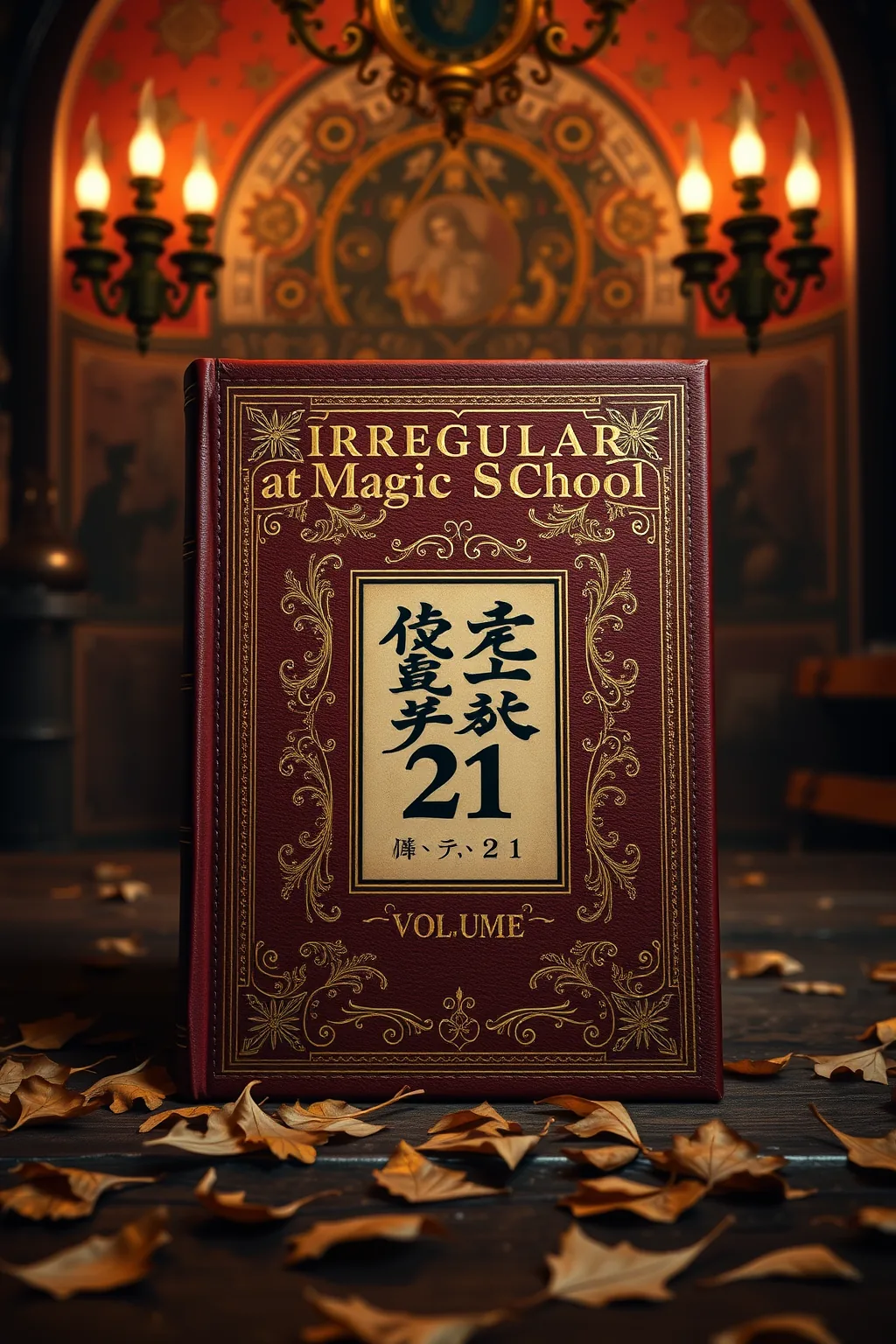
Irregular at Magic High School, Vol. 21
 61
61

Irregular at Magic High School, Vol. 21

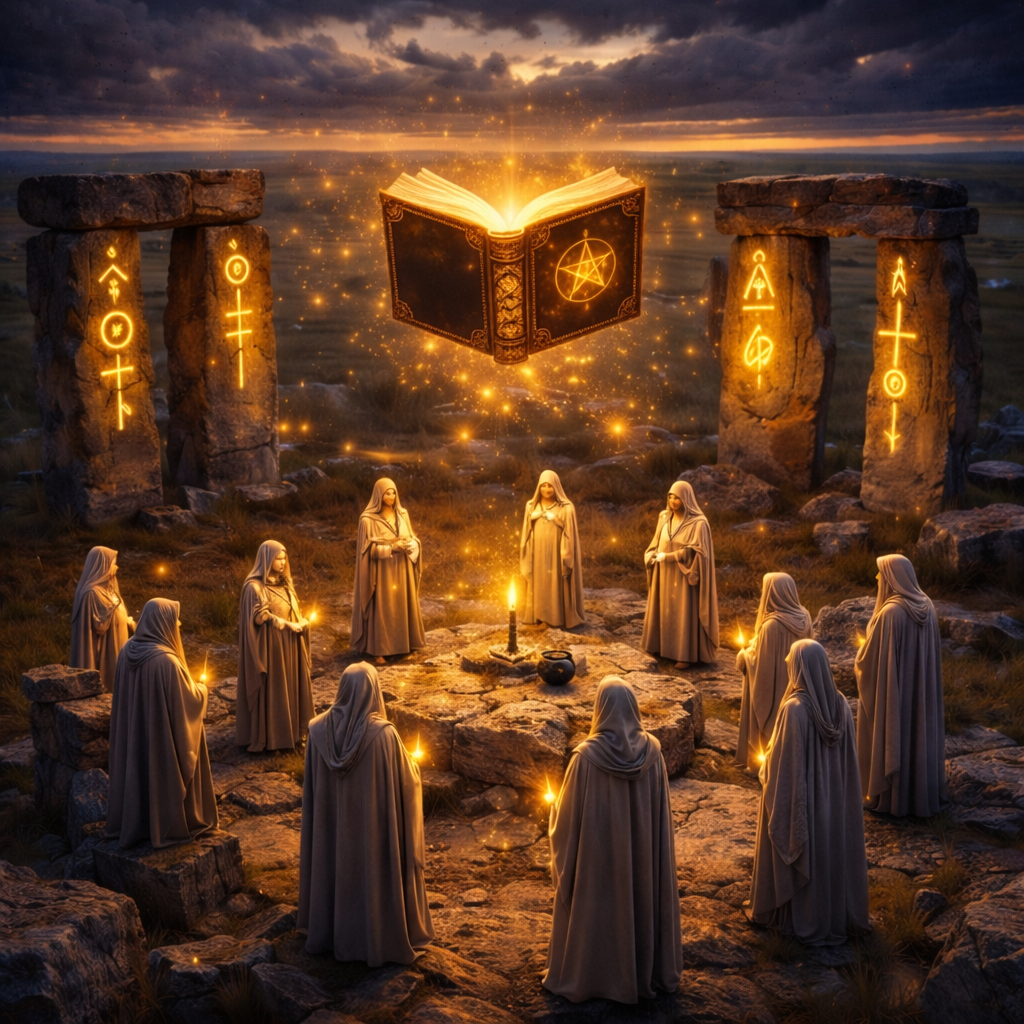

Review by Aurelia Blackwood (Occult Philosophy Critic) — In "Irregular at Magic High School, Vol. 21," Tsutomu Sato masterfully weaves a narrative rich with esoteric undertones. The exploration of magical theory transcends simple spellcasting, touching upon concepts akin to Hermetic principles and the energetic architecture of existence. Sato's strength lies in his ability to present complex philosophical ideas through engaging character arcs and plot developments. This volume is particularly rewarding for readers interested in the intersection of science, spirituality, and the untapped potential of the human mind. It offers a compelling, albeit fictionalized, glimpse into the symbolic language of power and influence, making it a valuable addition for those drawn to arcane studies and speculative philosophy.
📝 Description
61
Volume 21 of Irregular at Magic High School continues Sato's examination of magic as a systemic energy manipulation.
Tsutomu Sato's "Irregular at Magic High School, Vol. 21" continues the series' focus on magic as a structured system of energy manipulation. This installment deepens the narrative within a universe governed by specific laws and arcane principles. Readers will encounter unfolding mysteries and characters dealing with complex relationships and concealed motives, drawing parallels to established occult ideas. The book maintains a tone of intellectual rigor, appealing to those interested in fantasy that also considers concepts of power, fate, and the fundamental structure of reality.
The narrative invites readers to consider the subtle use of symbolism and the philosophical implications of knowledge that has been preserved over time. This volume balances intense action sequences with moments of reflection, encouraging contemplation of the hidden influences that affect our world. It is a story for the thoughtful reader who values the deeper layers of meaning within a fantasy setting.
This work situates itself within a modern interpretation of esoteric thought, specifically how structured magical systems might operate based on defined principles rather than pure mysticism. It echoes traditions that view magic as a form of applied science or philosophy, where understanding underlying laws allows for manipulation of reality. The focus on "energy manipulation" and "ancient laws" suggests a connection to hermetic or alchemical ideas, reframed within a contemporary narrative structure that values logical consistency within its magical framework.
💡 Why Read This Book?
This volume offers a profound journey into the intricate mechanics of a magically governed society, resonating with seekers of hidden knowledge and arcane lore. Its intricate plot and philosophical underpinnings provide fertile ground for contemplation on power dynamics and the nature of inherent ability. Ideal for students of speculative fiction, occult philosophy, and those fascinated by the symbolic representation of complex systems.
⭐ Reader Reviews
Honest opinions from readers who have explored this book.
❓ Frequently Asked Questions
What is the core mystical concept explored in this volume?
This volume delves into the concept of 'mana' as a quantifiable, yet profoundly enigmatic, universal energy, exploring its manipulation through structured thought and intention, echoing principles of sympathetic magic and energetic resonance.
Are there any allegorical interpretations of the societal structures presented?
Yes, the rigid stratification of magical ability and its societal implications can be viewed allegorically, reflecting ancient Gnostic ideas of inherent spiritual hierarchy and the struggle for liberation from deterministic forces.
What makes the magic system feel esoteric?
The magic system's reliance on precise theoretical frameworks, symbolic incantations, and the cultivation of internal 'will' aligns with historical occult traditions that viewed magic as a science of the unseen, requiring rigorous discipline and profound understanding.
Does this volume offer insights into the nature of consciousness?
Indeed, the characters' battles often hinge on mental fortitude and the ability to perceive and interact with subtle energetic fields, prompting reflection on consciousness as a fundamental force capable of shaping reality.
Is this book suitable for newcomers to the series?
While it builds upon prior installments, Vol. 21 offers enough context and internal thematic exploration to be appreciated by newcomers intrigued by its unique blend of magic, technology, and philosophical depth.
🔮 Key Themes & Symbolism
The Architectonics of Mana
This volume meticulously dissects the fundamental nature of 'mana,' not merely as a power source, but as an intricate web of universal energy that can be understood, shaped, and directed through precise mental discipline and symbolic constructs. It explores how this energy interlinks with physical laws, suggesting a deeper cosmic order that can be accessed through specific forms of applied will and understanding. The narrative examines the theoretical underpinnings of mana manipulation, drawing parallels to ancient alchemical processes and the hermetic axiom 'As Above, So Below.'
The Labyrinth of Influence and Control
At its heart, Vol. 21 is a profound exploration of power dynamics, both overt and clandestine. It examines how influence is wielded through knowledge, strategic manipulation, and the subtle control of energetic flows, mirroring the intricate machinations found in historical occult secret societies. The characters' struggles highlight the moral complexities of power, the ethical tightrope walked by those who command potent forces, and the perpetual quest for true autonomy amidst systems designed for control.
The Symbolism of the Irregular
The concept of the 'irregular' transcends mere academic classification; it embodies a philosophical challenge to rigid dogma and preordained destinies. This theme speaks to esoteric traditions that celebrate the awakened individual who operates beyond conventional boundaries, questioning established hierarchies and seeking a more direct connection to universal truths. The irregular's journey represents the potential for radical transformation and the unveiling of hidden capabilities that lie dormant within the seemingly ordinary.
💬 Memorable Quotes
Direct passages from the work, attributed to the author.
“The unseen currents shape the visible world more profoundly than any storm.”
— This highlights the hidden forces and subtle energies that influence events, a core tenet in many metaphysical and occult philosophies that seek to understand the energetic underpinnings of reality.
“A closed mind is the greatest barrier to unlocking the universe's potential.”
— This speaks to the importance of intellectual curiosity and openness to new ideas, crucial for any serious student of esoteric knowledge who must be willing to question and explore beyond conventional understanding.
“The deepest secrets are often guarded by the simplest of truths.”
— This implies that profound wisdom can be found in unassuming places or through seemingly straightforward principles, encouraging a humble and persistent search for knowledge.
💡 Key Ideas
Editorial paraphrase of the work's core concepts — not direct quotes.
True power lies not in the force one wields, but in the understanding of its source.
This quote emphasizes the esoteric principle that mastery comes from deep knowledge and comprehension, rather than brute force or raw ability, aligning with the pursuit of wisdom in occult traditions.
Destiny is not a decree, but a range woven with threads of choice and consequence.
This quote explores the interplay between fate and free will, a common theme in philosophical and spiritual discourse, suggesting that individual agency plays a significant role in shaping one's path.
🌙 Esoteric Significance
Tradition
The series draws heavily from a blend of modern scientific rationalism and ancient esoteric thought, particularly Hermeticism and Neoplatonism. It explores the idea of a structured, quantifiable magical force (mana) that can be manipulated through disciplined will and symbolic understanding, mirroring alchemical principles of transformation and the hermetic axiom 'As Above, So Below.' The focus on inner cultivation and the mastery of unseen energies aligns with traditions emphasizing spiritual development and the awakening of latent potential.
Symbolism
Key symbols include the inherent duality of the 'regular' and 'irregular,' representing order versus chaos, known versus unknown, and the challenging of established paradigms. The intricate 'magic circles' and 'incantations' function as symbolic keys, unlocking specific energetic frequencies and mental states, akin to sigils and ritualistic language in Western occultism. The very concept of mana as a pervasive, yet manipulable, life force carries the 'anima mundi' or world soul found in various mystical philosophies.
Modern Relevance
In an age dominated by technological advancement and digital connectivity, Vol. 21's exploration of mana as an underlying energetic fabric offers a compelling metaphor for understanding complex systems, information flow, and the interconnectedness of all things. The struggle for recognition and agency by the 'irregular' speaks to contemporary discussions on individuality, inclusivity, and challenging societal norms. The book's emphasis on mental discipline and focused intention provides a framework for mindfulness and personal empowerment, relevant to modern seekers of self-improvement and spiritual growth.
👥 Who Should Read This Book
This volume is a compelling read for several audiences. For the **esoteric scholar**, it offers a wide range of symbolic language and philosophical concepts that can be analyzed through the lens of various occult traditions. **Seekers of hidden knowledge** will find themselves drawn to the intricate exploration of magical theory and its potential applications. **Practitioners** of various metaphysical arts may find inspiration in the depiction of disciplined energy manipulation and focused intent. For **fans of speculative fiction** who appreciate depth and intellectual stimulation, this installment promises a thought-provoking narrative that transcends typical genre boundaries, making it accessible and rewarding even for those new to the series.
📜 Historical Context
Tsutomu Sato's "Irregular at Magic High School" series emerged during a period of intense global interest in the intersection of technology and the fantastical, a trend amplified by the rise of digital media and online communities. The narrative reflects a broader cultural fascination with systems of power, social stratification, and the potential for exceptional individuals to disrupt established orders. This volume, in particular, taps into an undercurrent of philosophical inquiry that questions the nature of innate ability versus learned skill, a debate that has echoed through intellectual history from Plato's Republic to modern discussions on meritocracy. The meticulous world-building, with its complex magical laws and societal structures, can be seen as a response to a desire for order and understanding in an increasingly complex and rapidly changing world, much like earlier eras sought solace and meaning in codified magical or religious systems.
📔 Journal Prompts
Reflect on a time you felt like an 'irregular' in a system. How did you navigate that experience, and what did you learn about yourself?
Consider the concept of 'mana' as described in the book. How might this relate to perceived energy or intuition in your own life?
Analyze the power dynamics presented in this volume. Where do you see similar structures of influence and control in the real world?
If you could design a 'magic circle' to focus your intentions, what symbols and elements would it incorporate and why?
Contemplate the balance between innate ability and learned discipline. How do these factors shape your own pursuits and goals?
🗂️ Glossary
Mana
The fundamental, invisible energy that permeates the universe and can be manipulated by trained individuals for magical purposes. It is often depicted as a quantifiable force, akin to scientific energy, yet possessing inherent mystical properties.
CAD (Cocytus Advance Device)
A specialized piece of equipment that assists magicians in casting spells by streamlining the process of materializing psions into structured magical effects, acting as an extension of the user's will and intent.
Psions
The mental energy or psychic force that forms the basis of magic in this universe. Psions are the raw material that magicians shape and direct to achieve magical outcomes.
Irregular
A term used to describe magicians who do not fit neatly into the standard classifications based on their abilities, often possessing unique or unconventional talents that defy traditional assessment.
Activation Sequence
The specific mental and verbal commands, often accompanied by gestures or the use of CADs, that a magician employs to initiate and control the manifestation of a magical spell.
This book appears in 2 collections
🔮 Readers Also Liked
Browse all →






More by Tsutomu Sato
All books →





From the “Ceremonial Magic” Collection
View all →





More Free Magic & Ritual Books
View all →