Invoke the Gods
 80
80

Invoke the Gods
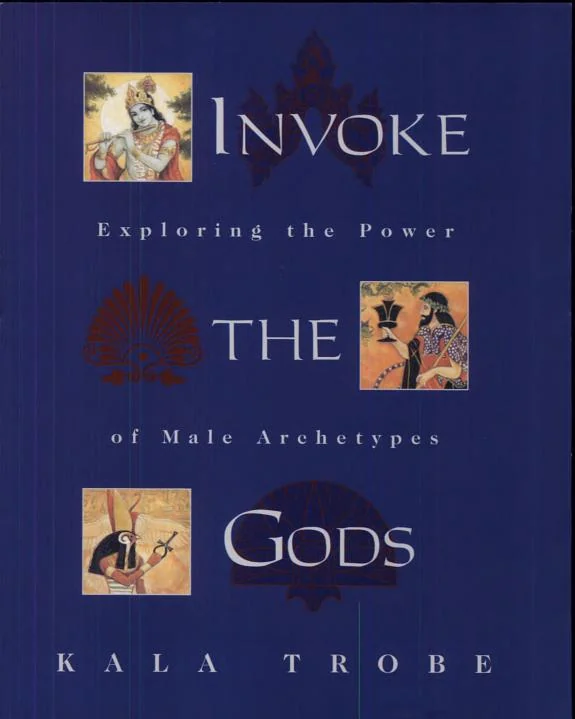
Kala Trobe's Invoke the Gods presents a commendable effort to demystify the process of working with divine masculine archetypes. The strength of the book lies in its accessible ritual structures, which effectively translate complex mythological figures into tangible practice. Trobe’s selection of deities, spanning three major pantheons, offers a broad yet focused approach. A particularly well-executed section details invoking Hermes for increased initiative, providing a clear pathway for a common psychological need. However, the book sometimes leans towards an oversimplified view of godforms; the deep, multi-layered mythologies are reduced to a set of functional attributes. While this aids accessibility, it risks flattening the divine into mere tools. Nevertheless, for practitioners seeking a direct, ritual-based method to access specific masculine energies, this guide offers a solid, if somewhat utilitarian, foundation.
📝 Description
80
Kala Trobe's 2001 book, Invoke the Gods, offers a structured system for working with divine masculine energies.
Invoke the Gods, published in 2001, provides a practical method for engaging with fifteen specific godforms from Hindu, Greek, and Egyptian traditions. The author, Kala Trobe, structures the book around guided meditations and ritualized visualizations designed to facilitate the invocation of archetypal masculine qualities. This work is aimed at practitioners who wish to deepen their understanding and application of these energies within their spiritual or magical practices.
It is particularly suited for those already familiar with esoteric concepts and seeking a systematic approach to working with deity energies. Readers interested in comparative mythology or the psychological aspects of godforms will also find value. The book's core idea is the activation of the practitioner's own latent potentials through conscious invocation of specific godforms. Each deity is presented as a source of distinct attributes, such as initiative, power, or wisdom, which can be accessed and integrated.
Published in 2001, Invoke the Gods emerged during a period of significant interest in practical occultism and goddess spirituality. Trobe's work offered a focused examination of divine masculine energies, acting as a counterpoint to prevailing trends. It distinguished itself by integrating mythological scholarship with accessible ritual practices, setting it apart from purely academic studies of religion or the broader New Age emphasis on personal growth.
💡 Why Read This Book?
• You will learn specific ritualized meditations to invoke the dynamic energy of Hermes, a practical application not typically found in general psychology texts. • Gain understanding of how to elicit the power of Zeus through guided visualization, offering a unique method for personal strength beyond generic self-help advice. • Discover how to seek the business acumen of Ganesh via dedicated practices, providing a tangible esoteric approach to career success not covered in standard business guides.
⭐ Reader Reviews
Honest opinions from readers who have explored this book.
❓ Frequently Asked Questions
What are the primary pantheons featured in Invoke the Gods?
The book draws upon deities from three prominent pantheons: Hindu, Greek, and Egyptian, offering a diverse range of archetypal energies for practitioners to explore.
How does Invoke the Gods differ from Invoke the Goddess?
Invoke the Gods focuses specifically on male archetypes and godforms, serving as a companion volume that complements the feminine divine energies explored in Invoke the Goddess.
Can I use this book if I'm new to working with deities?
Yes, the book is designed with guided meditations and visualizations, making it accessible for beginners looking to engage with specific godforms and their associated energies.
What kind of benefits can one expect from invoking these godforms?
The book suggests benefits such as increased initiative (Hermes), greater power (Zeus), and enhanced career success (Ganesh), among others, by connecting with specific archetypal energies.
When was Invoke the Gods first published?
Invoke the Gods was first published in 2001, placing it within the early wave of accessible modern esoteric guides.
Does the book offer practical exercises for each godform?
Yes, it provides ritualized meditations and visualizations tailored to each of the fifteen godforms presented, facilitating direct engagement with their energies.
🔮 Key Themes & Symbolism
Archetypal Masculine Energies
The work centers on the concept of godforms as reservoirs of specific masculine archetypes. It posits that by consciously invoking these energies—such as the initiative of Hermes or the power of Zeus—practitioners can integrate these qualities into their own lives. The book provides structured rituals to facilitate this connection, moving beyond abstract psychological theory to practical application within a spiritual framework.
Pantheistic Deities as Tools
Trobe utilizes deities from Hindu, Greek, and Egyptian traditions, presenting them not just as mythological figures but as accessible conduits for specific divine attributes. Ganesh, for instance, is highlighted for his business savvy, while Osiris represents aspects of renewal and power. This approach frames these gods as functional forces within a practitioner's magical or spiritual toolkit.
Ritualized Meditation and Visualization
The core methodology involves guided meditations and ritualized visualizations designed to foster a direct, experiential connection with the chosen godforms. These techniques are presented as keys to unlocking the inherent power and attributes associated with each deity, enabling practitioners to actively participate in their own spiritual development rather than passively observing.
Comparative Pantheon Exploration
By drawing from three distinct major pantheons, the book offers a comparative perspective on how similar archetypal energies are expressed across different cultures. This approach allows readers to explore a broader spectrum of masculine divine expressions, from the wisdom of Thoth to the might of Zeus, enriching their understanding of universal patterns.
💬 Memorable Quotes
Direct passages from the work, attributed to the author.
“Invoke the might of Zeus for greater power.”
— This concise statement captures the book's practical approach, suggesting that the archetypal energy of a specific deity like Zeus can be consciously invoked to manifest a desired quality, in this case, personal power.
“Seek the business savvy of Ganesh for career success.”
— This highlights the functional application of godforms, linking the Hindu deity Ganesh directly to the practical domain of career advancement and financial acumen through specific invocation practices.
“Connect with fifteen gods from three different pantheons.”
— This statement emphasizes the breadth of the book's content, indicating a structured exploration across diverse mythological systems to access a range of divine masculine energies.
💡 Key Ideas
Editorial paraphrase of the work's core concepts — not direct quotes.
Elicit the dynamic energy of Hermes to increase initiative.
This paraphrase points to the core method of activating latent personal potentials by calling upon specific divine attributes, using Hermes as an example for the quality of initiative.
Activate a positive and powerful connection to specific godforms.
This paraphrase conveys the book's aim: to provide readers with the tools and techniques necessary to establish a meaningful and empowering relationship with the divine masculine archetypes presented.
🌙 Esoteric Significance
Tradition
The work fits within the broader Western Esoteric Tradition, particularly drawing from modern magical practices that synthesize Neoplatonic concepts of divine emanations with comparative mythology. It departs from strictly Hermetic or Kabbalistic frameworks by directly engaging with deities from non-Western pantheons, integrating them into a practice of archetype invocation common in contemporary magical systems.
Symbolism
Key symbols include the chosen godforms themselves (e.g., Zeus's thunderbolt representing power, Hermes' winged sandals symbolizing swiftness and communication) and the pantheons as symbolic maps of the psyche. The number fifteen, representing the total number of gods invoked, may also carry symbolic weight, potentially relating to numerical mysticism or simply serving as a defined scope for the practice.
Modern Relevance
Contemporary practitioners in eclectic paganism, modern witchcraft, and psychological spirituality continue to find value in *Invoke the Gods*. Its structured approach to archetype work aligns with modern therapeutic models that use mythology, such as Jungian psychology, while its ritualistic focus appeals to those seeking embodied spiritual practices beyond theoretical study.
👥 Who Should Read This Book
• Individuals interested in practical deity work: Those seeking a structured method to connect with and draw power from specific masculine archetypes across different mythologies. • Students of comparative mythology: Readers who wish to explore how divine masculine energies are represented in Hindu, Greek, and Egyptian traditions through a practical, experiential lens. • Practitioners seeking personal development: Anyone looking to integrate specific qualities like initiative, power, or wisdom by working directly with established godforms via meditation and ritual.
📜 Historical Context
Published in 2001, Kala Trobe's *Invoke the Gods* emerged during a resurgence of interest in practical occultism and personal spiritual development, often termed the 'occult revival' of the late 20th and early 21st centuries. This period saw a shift from more theoretical or academic explorations of mysticism towards actionable techniques for self-transformation. Trobe's work stands apart by focusing on male archetypes, often overshadowed by the dominant goddess movement of the preceding decades. While scholars like Mircea Eliade were analyzing comparative mythology, Trobe offered a direct, ritualistic engagement with godforms. The book's approach, blending comparative mythology with accessible ritual, resonated with a readership seeking concrete methods for spiritual growth, distinguishing it from purely academic studies or the more New Age-centric self-help literature prevalent at the time.
📔 Journal Prompts
The dynamic energy of Hermes: How can increased initiative manifest in your daily life?
Invocation of Zeus: Reflect on a situation where invoking personal power would be beneficial.
Ganesh and career success: What specific actions can you take to embody his business acumen?
Connecting with Egyptian godforms: Explore the concept of renewal as represented by Osiris.
The interplay of pantheons: How do different cultural expressions of divine masculinity inform your understanding?
🗂️ Glossary
Godform
A specific deity or archetypal figure from a pantheon, viewed as a source of distinct energies and attributes that can be consciously invoked by practitioners.
Archetype
A universal, archaic pattern of human consciousness or behavior, often personified in mythology as gods, goddesses, or mythical figures, representing fundamental psychological structures.
Pantheon
A collection of all the gods and goddesses belonging to a particular mythology or religion, such as the Greek, Egyptian, or Hindu pantheons.
Invocation
The act of calling upon a divine power or spirit, typically through ritual, prayer, or meditation, with the intent of establishing connection and receiving influence or assistance.
Ritualized Meditation
A form of guided meditation that incorporates specific actions, symbols, or visualizations designed to create a sacred space and facilitate a targeted spiritual or magical effect.
Visualization
The practice of forming mental images or scenes, used in spiritual and magical contexts to focus intent, connect with energies, or manifest desired outcomes.
Esoteric
Relating to or denoting knowledge or a practice accessible only to a select group of people with a specialized understanding or initiation.
This book appears in 1 collection
🔮 Readers Also Liked
Browse all →


![Protected landscapes and cultural amb [i.e. and] spiritual values](/img/thumb/protected-landscapes-and-cultural-amb-ie-and-spiritual-values-josep-maria-mallarach-i-carrera-064609.webp)





From the “Invocation” Collection
View all →





More Free Occult Philosophy Books
View all →