My Soul to Take

 80
80

My Soul to Take
Tananarive Due's *My Soul to Take* presents a compelling, if sometimes overstuffed, vision of impending doom and supernatural obligation. The premise of a telepathic healer destined to marry an apocalypse-birthing immortal is inherently strong, and Due grounds it in Fana's desperate attempts to avert her fate and the world's. The introduction of the Life Brothers, an organization dedicated to combating disease, adds an interesting layer of cosmic healing versus cosmic destruction. However, the narrative occasionally strains under the weight of its own complex mythology, with certain plot threads feeling less developed than others. The climax, while action-packed, rushes through resolutions that could have benefited from more sustained attention. Despite these narrative hurdles, Fana's internal conflict and the sheer imaginative scope of Due's world-building make it a noteworthy entry in esoteric fiction. The book offers a unique perspective on destiny and the power of individual will against overwhelming prophecy.
📝 Description
80
Tananarive Due's 2011 novel, My Soul to Take, centers on a telepathic healer destined to marry an apocalypse-bringing immortal.
My Soul to Take, published in 2011, is a supernatural thriller that weaves together prophecy and high stakes. The story follows Fana, a healer gifted with telepathy, who finds herself bound by destiny to an immortal. This immortal is prophesied to usher in the end of the world. Fana's struggle is not only against this fated marriage but also against the forces actively working to cause global destruction.
This novel appeals to readers of speculative fiction with a strong occult focus. It examines themes of predestination versus free will, the moral complexities of immortal beings, and the conflict of a healer facing a world destroyer. The plot involves supernatural pacts and the potential downfall of civilization, offering a rich narrative for those who enjoy such elements.
Published in 2011, My Soul to Take emerged when supernatural thrillers and urban fantasy were popular. The early 2010s saw continued interest in dark mythology and apocalyptic narratives, often merging horror, romance, and fantasy. Due's work stands within this tradition by focusing on a prophecy driven story. It uses a supernatural framework to address themes of fate and cosmic destruction, distinguishing itself from the vampire and werewolf stories common at the time.
💡 Why Read This Book?
• Gain insight into the esoteric concept of a "soul pact" and its potential to bind individuals to world-altering destinies, as seen in Fana's forced marriage. • Explore the tension between predetermined fate and the agency of individuals, particularly how Fana attempts to subvert the prophecy of the immortal. • Understand the symbolic representation of disease as a precursor to apocalypse and the counter-efforts of groups like the Life Brothers.
⭐ Reader Reviews
Honest opinions from readers who have explored this book.
❓ Frequently Asked Questions
What is the central prophecy in Tananarive Due's My Soul to Take?
The central prophecy in *My Soul to Take* dictates that Fana, a telepathic healer, is bound to marry a specific immortal being who is foretold to trigger an apocalypse.
Who are the Life Brothers in My Soul to Take?
The Life Brothers are an organization within the novel dedicated to eliminating disease and suffering worldwide, acting as a counterforce to apocalyptic events and the destructive potential of immortals.
What is Fana's primary ability in the book?
Fana's primary ability is telepathy, which she uses as a healer. This power is crucial to her character and her struggle against her prophesied destiny.
When was My Soul to Take first published?
My Soul to Take was first published on September 6, 2011, making it a contemporary work within the esoteric thriller genre.
Does the book explore themes of free will versus destiny?
Yes, a significant theme is the conflict between a predetermined destiny, particularly Fana's arranged marriage and the ensuing apocalypse, and her active struggle to exert free will and change her fate.
What kind of supernatural elements are present in My Soul to Take?
The novel features telepathy, immortal beings with world-altering potential, prophecies, and apocalyptic foretellings, creating a rich supernatural narrative framework.
🔮 Key Themes & Symbolism
Predetermined Apocalypse
The narrative hinges on a prophecy foretelling an apocalypse triggered by a specific immortal, to whom Fana is bound in marriage. This concept explores the weight of cosmic destiny and the potential for individual actions to either fulfill or defy such grand, destructive designs. The looming threat of global collapse due to supernatural forces forms the backbone of the plot, forcing characters to confront existential stakes.
Healer vs. Destroyer
Fana's identity as a telepathic healer is directly contrasted with the destructive potential of her destined mate. This dynamic highlights a fundamental esoteric conflict: creation and healing versus destruction and chaos. Her struggle to escape this union is a fight to preserve life and balance against an imposed force of annihilation.
The Nature of Immortality
The book examines immortal beings not just as eternal entities but as agents capable of enacting profound, often catastrophic, changes upon the world. Their existence and actions are tied to major historical or future events, suggesting a complex relationship between timeless beings and mortal timelines, and how their choices can influence the fate of humanity.
Telepathic Connection
Fana's telepathic abilities serve as a primary tool for her character and plot progression. This psychic connection allows her to perceive threats, understand complex supernatural dynamics, and potentially influence outcomes. It represents an internal esoteric power that she wields in her fight against external, predetermined forces.
💬 Memorable Quotes
Direct passages from the work, attributed to the author.
“Fana is bound to marry a murderous fellow immortal who is predicted to trigger an apocalypse.”
— This statement captures the core conflict: a forced union with an apocalyptic figure. It highlights the inescapable nature of Fana's destiny and the dire stakes for the world.
“She works with the Life Brothers to eliminate disease throughout the world.”
— This highlights Fana's role as a healer and introduces the Life Brothers as a benevolent, world-saving organization, directly opposing the destructive path Fana is meant to be on.
“Struggling to escape her unwanted marriage.”
— This phrase emphasizes Fana's active resistance against her fate. It points to the theme of free will versus destiny and her personal fight for autonomy.
“Telepathic healer Fana.”
— This brief description defines Fana's core identity and abilities, establishing her as a protagonist with unique supernatural gifts central to the narrative's conflict.
“An immortal who is predicted to trigger an apocalypse.”
— This defines the antagonist's prophesied role, setting up the ultimate threat and the reason for Fana's desperate struggle against her predetermined marriage.
🌙 Esoteric Significance
Tradition
While not strictly adhering to a single esoteric lineage, *My Soul to Take* draws from broad occult and Gnostic themes of predetermined fate, hidden knowledge (telepathy), and the struggle against destructive cosmic forces. The concept of a prophesied apocalypse and the battle between life-affirming forces (healers) and destructive entities aligns with dualistic Gnostic cosmologies, where a lesser, often flawed, creator figure is responsible for the material world's imperfections.
Symbolism
The 'apocalypse' serves as a potent symbol for ultimate destruction and the end of an era, a common motif in esoteric traditions. Fana's telepathy symbolizes intuitive understanding and a connection to deeper truths or potential futures, contrasting with the brute force or destructive destiny of her immortal mate. The Life Brothers represent a collective force of healing and preservation, acting as a counter-symbol to the forces of decay and annihilation.
Modern Relevance
Contemporary interest in spiritualism, fate versus free will discussions, and the exploration of supernatural powers in fiction aligns with the themes of *My Soul to Take*. Thinkers and practitioners exploring concepts of destiny, psychic abilities, and the potential for collective action against existential threats can find parallels in Due's narrative. The novel contributes to modern esoteric discourse by presenting these ancient themes through a contemporary thriller lens.
👥 Who Should Read This Book
• Readers interested in esoteric thrillers that explore prophecy and destiny, seeking narratives where characters actively fight against foretold doom. • Fans of supernatural fiction who appreciate complex world-building involving immortal beings, psychic abilities, and apocalyptic scenarios. • Comparative religion and mythology enthusiasts looking for modern interpretations of dualistic themes and the 'healer vs. destroyer' archetype.
📜 Historical Context
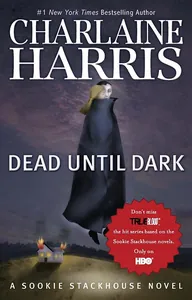
Tananarive Due's *My Soul to Take*, released in 2011, arrived during a flourishing period for supernatural thrillers and dark fantasy. The early 2010s saw a sustained popular interest in narratives exploring mythology, prophecy, and apocalyptic scenarios, often blending horror, romance, and speculative fiction. This era was marked by the success of authors like Charlaine Harris and Laurell K. Hamilton, who explored complex supernatural worlds. Due's novel distinguishes itself by focusing on a specific, fate-driven narrative involving telepathic healers and apocalyptic immortals, rather than the more prevalent vampire or werewolf tropes. While not directly part of a specific academic or occult movement, it tapped into a broader cultural fascination with the supernatural and the end times, offering a mix of personal struggle against cosmic destiny within the context of contemporary genre fiction. The work resonated with readers seeking intricate plots with high-stakes supernatural elements.
📔 Journal Prompts
Fana's struggle against her prophesied marriage and the ensuing apocalypse.
The symbolic role of disease as a harbinger of destruction versus the Life Brothers' mission.
Reflect on the nature of immortal beings and their potential impact on human history.
The tension between Fana's telepathic healing abilities and her foretold destiny.
Consider the concept of a "soul pact" and its implications for personal autonomy.
🗂️ Glossary
Telepathic Healer
An individual possessing the ability to communicate mentally (telepathy) and use this, or other related psychic abilities, to mend or alleviate physical or emotional suffering.
Immortal
A being that does not die, often possessing immense power and a long, potentially world-altering, history. In this context, immortals can be agents of prophecy.
Apocalypse
A prophetic event foretelling the end of the world or a cataclysmic destruction, often initiated by supernatural or divine forces.
Life Brothers
A fictional organization within the novel dedicated to combating disease and promoting life, acting as a benevolent force against destructive prophecies.
Prophecy
A prediction of future events, often divinely inspired or cosmically determined, which characters may seek to fulfill or avert.
Soul Pact
A binding agreement, often supernatural or spiritual in nature, that connects individuals or their fates, as Fana is bound to her destined mate.
Destiny
The predetermined course of events that will happen to a particular person or thing; fate. The novel explores the conflict between this and free will.
This book appears in 1 collection
🔮 Readers Also Liked
Browse all →









From the “Telepathy” Collection
View all →




More Free Occult Philosophy Books
View all →