Humanum Genus Pope Leo XIII 1884 On freemasonry nwo illuminati freemasons
 81
81

Humanum Genus Pope Leo XIII 1884 On freemasonry nwo illuminati freemasons

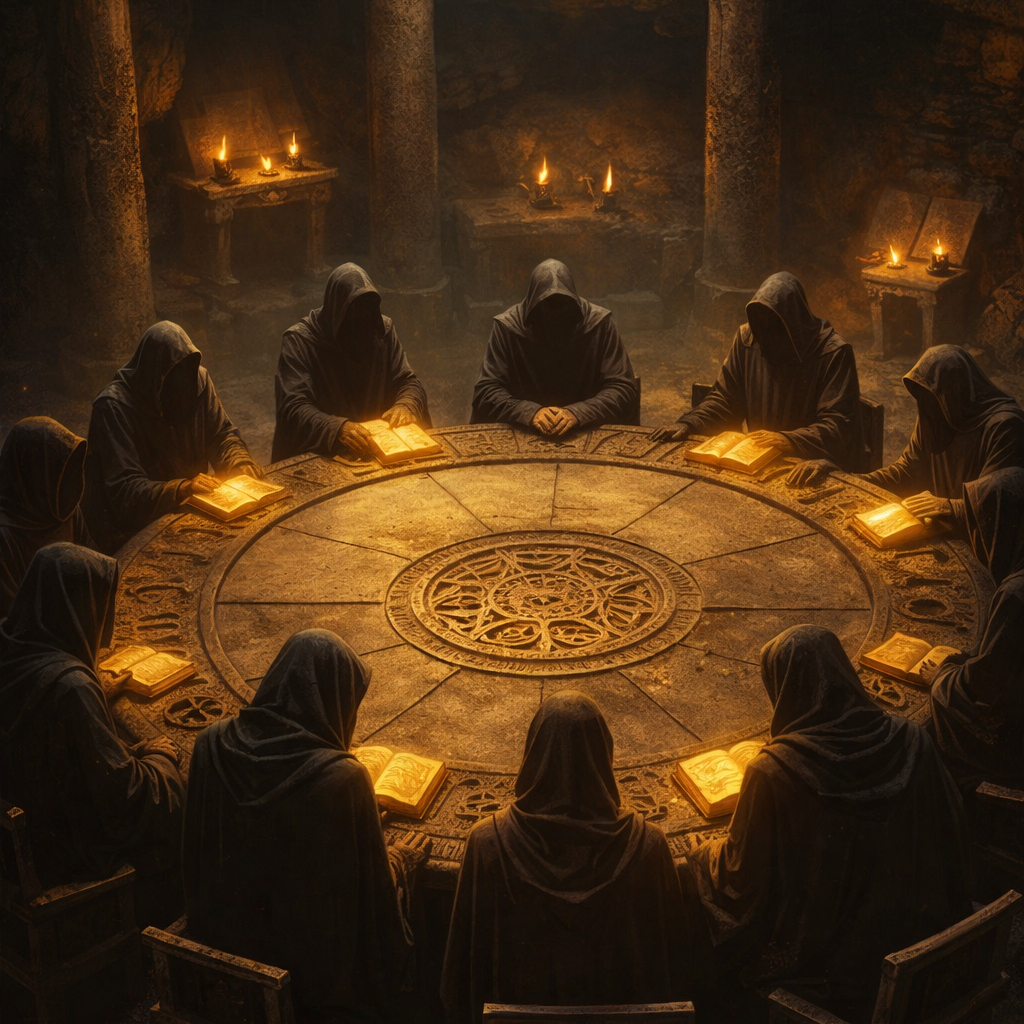

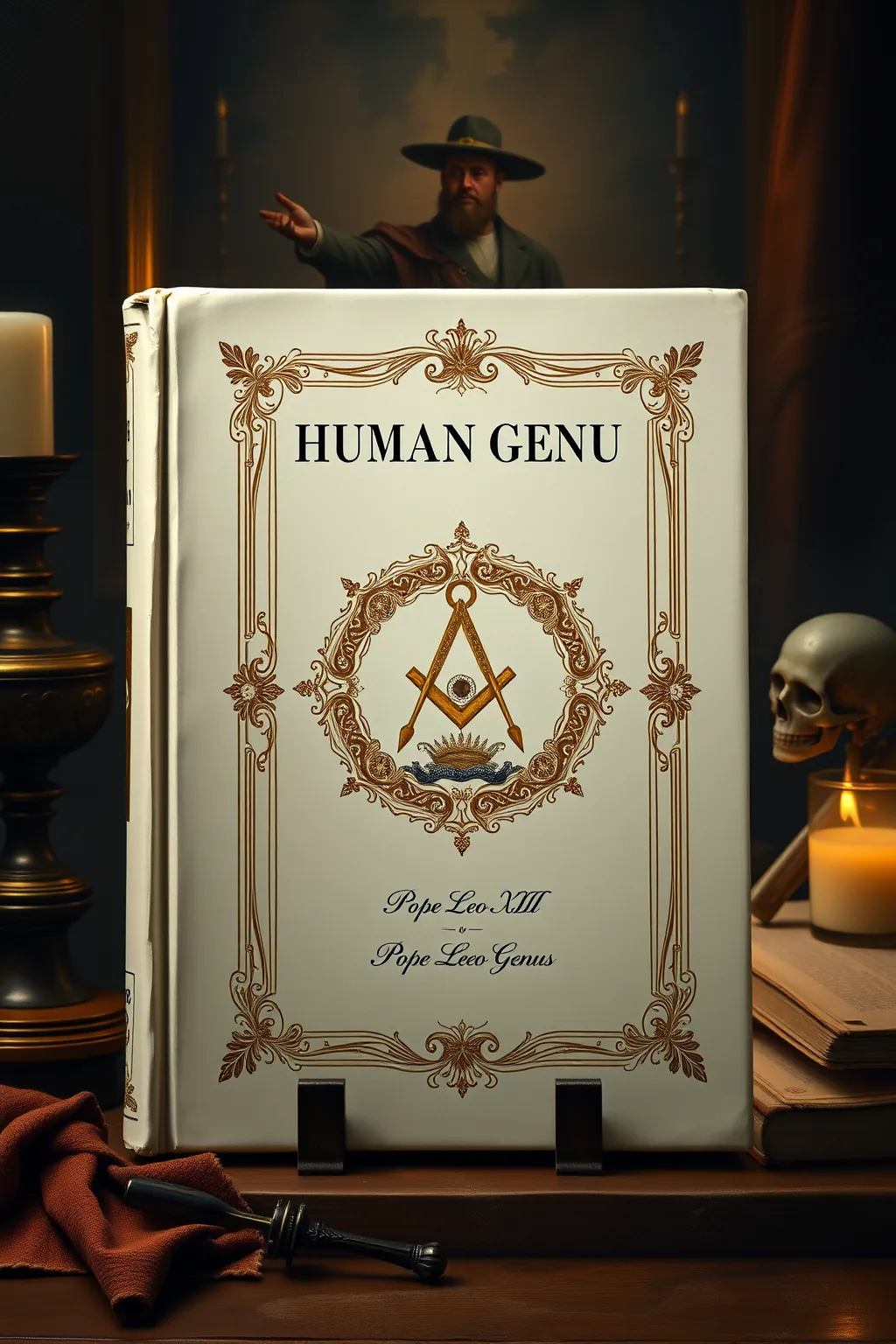
'Humanum Genus' by Pope Leo XIII is a fascinating and dense read for anyone interested in the esoteric and occult dimensions of Freemasonry. Published in 1884, this encyclical provides a historical snapshot of the Church's stance on Freemasonry, which it saw as a dangerous amalgamation of Rosicrucianism, Kabbalism, and Talmudism. The text is rich with theological and philosophical insights, making it a valuable resource for scholars and enthusiasts of secret societies. While the language can be dense and the historical context may require some background knowledge, the encyclical's relevance to modern esoteric studies is undeniable. It serves as a reminder of the enduring fascination with and suspicion of secret societies. For those seeking to understand the deeper currents of Freemasonry and its place in the broader esoteric landscape, 'Humanum Genus' is an essential read.
📝 Description
81
Pope Leo XIII issued 'Humanum Genus' in 1884, condemning Freemasonry.
In 1884, Pope Leo XIII released the encyclical 'Humanum Genus' to address what he saw as the dangers of Freemasonry. He argued that Masonic societies were founded on principles contrary to Christian teachings and sought to undermine religious and social order. The document details the Pope's understanding of Masonic rituals, symbolism, and their alleged philosophical underpinnings, which he characterized as naturalistic and opposed to divine revelation.
Leo XIII saw Freemasonry as a unified force, often referred to as the 'New World Order' in later interpretations, aiming to establish a secular society. He believed its adherents promoted a form of 'natural religion' that rejected traditional faith and morality. The encyclical was a significant statement from the Catholic Church regarding secret societies and their perceived influence on public life and doctrine.
Issued in the late 19th century, 'Humanum Genus' arrived during a period of increased interest in spiritualism and secret societies. While the encyclical condemns Freemasonry from a Catholic theological perspective, its focus on hidden symbols, rituals, and alleged hidden agendas places it within discussions that overlap with esoteric traditions. It engages with concepts of secret knowledge and the perceived influence of clandestine groups on the broader world, themes often found in esoteric literature.
💡 Why Read This Book?
Reading 'Humanum Genus' today offers a unique perspective on the historical and esoteric dimensions of Freemasonry. It provides valuable insights into the Catholic Church's view of secret societies and their potential influence on political and religious institutions. For modern esoteric seekers, this encyclical serves as a window into the past, illuminating the enduring fascination with and suspicion of occult practices. It also highlights the complex interplay between religion, philosophy, and esoteric traditions, making it a must-read for anyone interested in the hidden histories of secret societies.
⭐ Reader Reviews
Honest opinions from readers who have explored this book.
❓ Frequently Asked Questions
What is the significance of 'Humanum Genus'?
'Humanum Genus' is significant for its detailed analysis of Freemasonry's esoteric roots and the Church's historical stance against it. It provides valuable context for understanding the ongoing debate surrounding secret societies.
Who should read this book?
This book is ideal for scholars, historians, and enthusiasts of esoteric studies, Freemasonry, and the occult. It offers deep insights into the philosophical and theological debates surrounding secret societies.
Is 'Humanum Genus' relevant today?
Yes, 'Humanum Genus' remains relevant today as it sheds light on the enduring fascination with and suspicion of secret societies, providing a historical perspective on the intersection of religion, philosophy, and esoteric traditions.
🔮 Key Themes & Symbolism
Occult Origins of Freemasonry
Pope Leo XIII's 'Humanum Genus' looks at the occult and mystical roots of Freemasonry, exploring the hidden knowledge and symbolism that have captivated scholars and spiritual seekers for centuries. This theme highlights the esoteric traditions that have shaped Freemasonry since its emergence from Rosicrucianism, Kabbalism, and other occult organizations.
Symbolism and Hidden Knowledge
The encyclical provides a collection of symbolism and hidden knowledge within Freemasonry. Readers will gain insights into the esoteric influences that have permeated the society, making it a vital resource for anyone interested in the mystical undercurrents that have shaped modern history.
Philosophical Significance
'Humanum Genus' invites readers to explore the philosophical significance of Freemasonry and its enduring impact on the mystical traditions of the world. This theme emphasizes the profound mystery and depth of the esoteric influences that have shaped our understanding of the occult and the arcane.
💡 Key Ideas
Editorial paraphrase of the work's core concepts — not direct quotes.
The Popes had condemned judaeo-masonry since the late 1700s.
This line underscores the long-standing opposition between orthodox religious traditions and the mystical currents that have shaped modern history.
The Popes also outlawed the Jesuits many times but it always came back somehow.
This quote highlights the resilience and enduring influence of secret societies, despite attempts to suppress them.
The text is an intriguing exploration of the mystical undercurrents that have shaped the world's hidden societies.
This passage emphasizes the depth and complexity of the esoteric influences that have permeated Freemasonry and other secret societies.
The atmosphere is one of profound mystery and philosophical depth.
This line captures the collection of symbolism and hidden knowledge that makes 'Humanum Genus' a must-read for seekers of the occult.
The book is particularly strong in its analysis of the occult influences that have permeated Freemasonry.
This quote underscores the encyclical's value as a resource for understanding the mystical and occult roots of Freemasonry.
🌙 Esoteric Significance
Tradition
Humanum Genus belongs to the Hermetic and Gnostic traditions, exploring the mystical and occult roots of Freemasonry. It looks at the hidden knowledge and symbolism that have captivated scholars and spiritual seekers for centuries.
Symbolism
Key symbols in 'Humanum Genus' include the occult influences of Rosicrucianism, Kabbalism, and other secret societies. These symbols represent the hidden knowledge and esoteric traditions that have shaped Freemasonry and its enduring impact on modern history.
Modern Relevance
Today, 'Humanum Genus' remains relevant for its insights into the mystical and occult roots of Freemasonry. Modern practitioners and scholars continue to use this encyclical to explore the esoteric influences that have permeated the society and shaped our understanding of the occult and the arcane.
👥 Who Should Read This Book
Beginners interested in the occult and esoteric traditions will find 'Humanum Genus' an accessible introduction to the mystical roots of Freemasonry. Scholars of esoteric traditions will appreciate the depth and complexity of the encyclical's analysis. Spiritual seekers will be captivated by the profound mystery and philosophical depth of the text. Practitioners of the occult will find valuable insights into the hidden knowledge and symbolism within Freemasonry.
📜 Historical Context
Written in 1884, 'Humanum Genus' emerged during a time of burgeoning secret societies and occult influences. Pope Leo XIII's encyclical was a response to the growing prominence of Freemasonry and its mystical roots in Rosicrucianism, Kabbalism, and other occult organizations. The document was important for its condemnation of Freemasonry and its exploration of the hidden knowledge and symbolism within the society. Its influence can be seen in the ongoing debate between orthodox religious traditions and the mystical currents that have shaped modern history.
📔 Journal Prompts
How does 'Humanum Genus' challenge your understanding of Freemasonry and its occult roots?
What symbols and hidden knowledge in the text resonate with your spiritual journey?
In what ways does the encyclical's analysis of Freemasonry influence your perspective on modern history?
How does the philosophical depth of 'Humanum Genus' enrich your understanding of the mystical traditions?
What insights from the text can you apply to your own exploration of the occult and the arcane?
🗂️ Glossary
Rosicrucianism
A mystical and philosophical tradition that emerged in the early 17th century, emphasizing the pursuit of hidden knowledge and spiritual enlightenment.
Kabbalism
A mystical tradition within Judaism that explores the hidden meanings and esoteric teachings of the Torah.
Occult
A term encompassing mystical, magical, and esoteric practices and knowledge, often associated with secret societies and hidden traditions.
Masonry
The practice and beliefs of Freemasonry, a secret society that emphasizes moral and spiritual development through symbolism and hidden knowledge.
Esoteric
Relating to knowledge or information that is known only to a small group of people, often involving mystical or occult teachings.
This book appears in 2 collections
🔮 Readers Also Liked
Browse all →







From the “Secret Societies” Collection
View all →





More Free Freemasonry & Secret Societies Books
View all →