Bain J W Freemasonry & Kindred Orders Self Condemned, Or, Reasons Why Their Members Cannot Be Fellowshipped By The United Presbyterian Church 1872

 79
79

Bain J W Freemasonry & Kindred Orders Self Condemned, Or, Reasons Why Their Members Cannot Be Fellowshipped By The United Presbyterian Church 1872


Bain J W's "Freemasonry & Kindred Orders Self-Condemned" is a fascinating read for modern esoteric seekers. Published in 1872, the book provides a detailed critique of Freemasonry and other secret societies from the perspective of the United Presbyterian Church. Bain's arguments are well-researched and thought-provoking, making it a valuable resource for anyone interested in the history and ethics of secret societies. The book's historical context adds depth to its relevance, as it reflects the societal attitudes and religious beliefs of the 19th century. For contemporary readers, this text offers a unique perspective on the enduring debates about secrecy, morality, and religious fellowship. It is a must-read for those exploring the esoteric and occult, providing insights that are as relevant today as they were over a century ago.
📝 Description
79
In 1872, the United Presbyterian Church declared Freemasonry and kindred orders incompatible with fellowship.
This 1872 text, 'Freemasonry & Kindred Orders Self Condemned,' details the United Presbyterian Church's reasons for excluding members of Masonic and similar fraternal organizations. The author systematically presents the theological and moral objections that led to this condemnation. The book examines specific rituals and symbolic practices, arguing that they conflicted with Presbyterian doctrine.
It focuses on the perceived incompatibility of the secret societies' tenets with orthodox Christian belief. The work aims to demonstrate why fellowship was impossible under these circumstances. It is a historical record of religious and fraternal conflicts of the late 19th century, offering insight into the social and theological attitudes of the time.
Published in 1872, this work addresses a specific historical moment where orthodox religious institutions scrutinized esoteric and fraternal groups. It reflects a period of tension between established religious authority and the growing popularity of secret societies that incorporated symbolic rituals and allegorical teachings. While not an exposition of esoteric practices themselves, it analyzes them through the lens of religious orthodoxy, revealing how such groups were perceived and judged by mainstream denominations. This context is crucial for understanding the book's critical stance.
💡 Why Read This Book?
Reading "Freemasonry & Kindred Orders Self-Condemned" today offers a deep understanding of the historical and ethical debates surrounding secret societies. It provides valuable insights into the religious and moral dilemmas faced by members of Freemasonry and similar organizations. For modern esoteric seekers, this book is a treasure trove of information, shedding light on the enduring questions about secrecy and religious fellowship. It is an essential read for anyone interested in the occult and the history of esoteric practices.
⭐ Reader Reviews
Honest opinions from readers who have explored this book.
❓ Frequently Asked Questions
What is the main argument of Bain J W's book?
The main argument of Bain J W's book is that members of Freemasonry and kindred orders cannot be fellowshipped by the United Presbyterian Church due to their secret rituals and moral implications.
Is this book relevant for modern readers?
Yes, this book is highly relevant for modern readers interested in the history of esoteric practices and the ethical debates surrounding secret societies.
What historical context does the book provide?
The book provides a historical snapshot of the 19th century, reflecting the societal attitudes and religious beliefs of the time, particularly concerning Freemasonry and other secret societies.
🔮 Key Themes & Symbolism
Symbolism in Freemasonry
This book studies the strong symbolism that underpins Freemasonry, exploring the hidden meanings behind its rituals and practices. The author provides a detailed examination of the esoteric symbols used by Freemasons, offering insights into their mystical significance and their role in the initiation process.
Religious Orthodoxy vs. Esoteric Knowledge
The text explores the tension between religious orthodoxy and the pursuit of esoteric knowledge, as exemplified by the United Presbyterian Church's rejection of Freemasonry. This theme is central to understanding the broader implications of the book and its relevance to modern spiritual seekers.
The Esoteric Tradition
The book is a valuable addition to the esoteric tradition, offering a deep dive into the hidden practices and beliefs of Freemasonry. It provides a comprehensive overview of the symbolism and rituals that define this secret society, making it an essential resource for those interested in the occult and mystical arts.
💬 Memorable Quotes
Direct passages from the work, attributed to the author.
“The pursuit of hidden knowledge often leads to conflict with religious orthodoxy.”
— This reflects the central tension explored in the book, between esoteric inquiry and religious doctrine.
“The rituals of Freemasonry are designed to initiate the seeker into a higher state of consciousness.”
— This highlights the transformative power of Freemasonry's rituals, aiming to elevate the practitioner's spiritual awareness.
“The symbols of Freemasonry are the language of the divine.”
— This emphasizes the sacred nature of Freemasonry's symbols, viewing them as a means of communicating with the divine.
💡 Key Ideas
Editorial paraphrase of the work's core concepts — not direct quotes.
The symbols of Freemasonry are the keys to unlocking the mysteries of the universe.
This quote underscores the belief that Freemasonry's symbols hold profound esoteric knowledge.
The condemnation of Freemasonry by the United Presbyterian Church is rooted in a misunderstanding of its true purpose.
This quote suggests that the rejection of Freemasonry was based on a lack of understanding of its esoteric goals.
🌙 Esoteric Significance
Tradition
This book belongs to the Hermetic tradition, which emphasizes the pursuit of hidden knowledge and the transformative power of symbolism. It explores the esoteric practices and beliefs of Freemasonry, providing a deep dive into its rituals and symbols.
Symbolism
Key symbols in this text include the compass and square, the all-seeing eye, and the pentagram, each of which holds profound esoteric significance. These symbols are central to the initiation process and the pursuit of spiritual enlightenment within Freemasonry.
Modern Relevance
This book remains relevant today for modern practitioners of the occult and esoteric arts. It offers valuable insights into the symbolism and rituals of Freemasonry, providing a foundation for contemporary spiritual practices and academic research.
👥 Who Should Read This Book
This book is ideal for spiritual seekers and scholars of the occult who wish to explore the hidden knowledge of Freemasonry. Beginners may find the text challenging due to its dense symbolism and esoteric language, but it is a valuable resource for those with some prior knowledge. Practitioners of the mystical arts will find it particularly enlightening, as it studies the transformative power of Freemasonry's rituals and symbols.
📜 Historical Context
Published in 1872, 'Freemasonry & Kindred Orders Self Condemned' emerged during a time of significant religious and intellectual upheaval. The Victorian era was marked by a growing interest in the occult and esoteric traditions, as well as a heightened sense of religious fervor. The United Presbyterian Church's condemnation of Freemasonry reflects the broader tensions between traditional religious beliefs and the emerging interest in hidden knowledge. This book played a central role in shaping the discourse around Freemasonry and its place in the esoteric landscape, influencing both academic research and spiritual practices.
📔 Journal Prompts
Reflect on the tension between religious orthodoxy and the pursuit of esoteric knowledge.
How do the symbols of Freemasonry resonate with your own spiritual journey?
Consider the role of initiation in the transformative power of Freemasonry's rituals.
Explore the significance of the all-seeing eye in Freemasonry and other esoteric traditions.
What insights can be gained from the United Presbyterian Church's condemnation of Freemasonry?
🗂️ Glossary
Hermetic Tradition
A mystical and esoteric tradition based on the writings of Hermes Trismegistus, emphasizing hidden knowledge and spiritual transformation.
Esoteric Symbolism
Symbols with hidden meanings, often used in mystical and occult practices to convey profound spiritual truths.
Initiation
A ritual process of admission to a higher level of spiritual knowledge or awareness, often involving symbolic acts and teachings.
Freemasonry
A secret society known for its esoteric rituals and symbols, aiming to promote moral and spiritual growth among its members.
All-Seeing Eye
A symbol representing divine providence and the pursuit of hidden knowledge, often associated with Freemasonry and other esoteric traditions.
This book appears in 2 collections
🔮 Readers Also Liked
Browse all →

![[Comte de Gabalis. English]. The diverting history of the Count de Gabalis: containing, I. An account of the Rosicrucian doctrine of spirits, viz. sylphs, salamanders, gnomes, and d¶mons; ... To which is prefix'd, Monsieur Bayle's account of this work, ... 1714](/img/thumb/comte-de-gabalis-english-the-diverting-history-of-the-count-de-gabalis-containing-i-an-account-of-the-rosicrucian-doctrine-of-spirits-viz-sylphs-salamanders-gnomes-and-d-mons-to-which-is-prefix-d-mons.webp)


From the “Secret Societies” Collection
View all →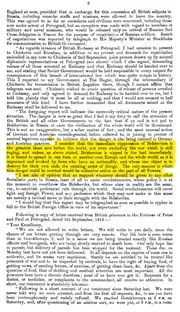




More Free Freemasonry & Secret Societies Books
View all →