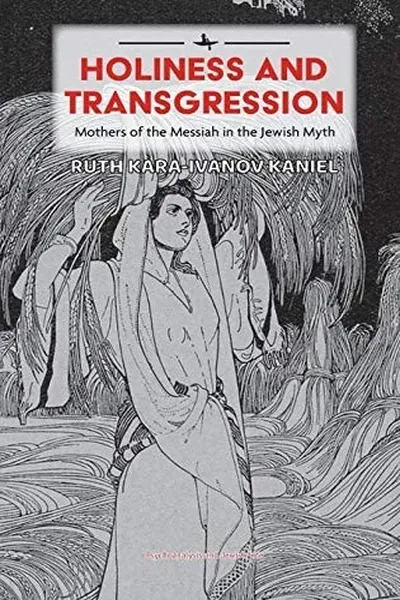
Ruth Kara-Ivanov Kaniel
Feminism is a movement advocating for the political, economic, personal, and social equality of the sexes, originating in 18th-century Europe.
Feminism encompasses a variety of social and political movements and ideologies that seek to establish and define equal rights for all sexes. It asserts that contemporary societies are structured patriarchally, leading to unjust treatment of women. Feminist efforts aim to dismantle gender stereotypes and improve opportunities and outcomes for women in education, professional life, and personal relationships. The movement originated in late 18th-century Europe, with early campaigns focusing on securing fundamental rights for women, such as the right to vote, own property, and receive education.
Over time, feminist movements have evolved, addressing a wide range of issues including reproductive rights, protection against violence, and challenging traditional gender roles. Various schools of feminist thought have emerged, including liberal, socialist, Marxist, and radical feminism, each with distinct perspectives and aims. Contemporary feminism often emphasizes human rights, solidarity, and intersectionality, recognizing the interconnectedness of various forms of oppression and advocating for inclusive movements that incorporate diverse perspectives, including those of LGBTQ+ individuals.
Origins and Terminology
The intellectual roots of feminism are often traced to figures like Mary Wollstonecraft, whose 1792 work argued for equal rights based on the idea that class and private property were sources of discrimination against women. The term "féminisme" itself is attributed to the French utopian socialist Charles Fourier in 1837, though its earliest documented appearances in the late 19th century were in medical contexts and later in essays, often with negative connotations, criticizing women who challenged societal gender norms. The concept and terminology gradually spread to other countries, appearing in the Netherlands and Great Britain in the 1870s and 1890s, and the United States in 1910. Historians debate whether to include earlier movements advocating for women's rights under the "feminist" label or to reserve it for modern movements, often using the term "protofeminist" for earlier efforts.
Historical Waves and Key Campaigns
The history of Western feminism is often divided into distinct "waves." The first wave, spanning the late 19th and early 20th centuries, primarily focused on securing legal and political equality, most notably women's suffrage. Key legislative achievements in this period included reforms in property and custody rights for married women in Britain and its colonies. The second wave, beginning in the 1960s, expanded the focus to broader social and legal equality, encompassing issues like reproductive rights and challenging patriarchal structures. A third wave emerged around the 1990s, emphasizing individuality and diversity, while a potential fourth wave, starting in the 2010s, has been characterized by the use of social media to address sexual harassment and violence.
Prominent figures like Emmeline Pankhurst in Britain and leaders such as Lucretia Mott, Elizabeth Cady Stanton, and Susan B. Anthony in the US were instrumental in the suffrage movements. In Germany, Clara Zetkin utilized socialist frameworks to advocate for women's rights and equal opportunities. Chinese feminists during the late Qing period also called for liberation from traditional gender roles and segregation. These diverse movements, though varying in their specific goals and contexts, collectively contributed to significant societal shifts concerning women's rights.
Evolution of Feminist Thought and Contemporary Movements
Feminist theory has developed alongside feminist movements, aiming to understand and address gender inequality through the examination of women's social roles and experiences. Over time, numerous feminist ideologies have emerged, including liberal, socialist, Marxist, and radical feminism, each offering different analytical frameworks and proposed solutions. Liberal feminism traditionally sought equality through reforms within existing political systems, while socialist and Marxist feminism linked women's oppression to class struggle. Radical feminism, emerging later, called for a fundamental reordering of society to dismantle patriarchy.
Contemporary feminism is increasingly defined by principles of human rights, solidarity, and intersectionality. This approach recognizes that gender inequality is intertwined with other forms of discrimination based on race, class, sexual orientation, and gender identity. Newer forms of feminism, such as black feminism and intersectional feminism, have arisen in response to criticisms that earlier movements sometimes prioritized the perspectives of white, middle-class, or cisgender women. Modern definitions often highlight the universal nature of feminist goals, emphasizing inclusivity and the indivisibility of human rights for all individuals, including LGBTQ+ people.
Key Ideas
- Advocacy for political, economic, personal, and social equality of the sexes.
- Critique of patriarchal societies and systemic injustice against women.
- Dismantling of gender stereotypes and improvement of women's opportunities.
- Securing of fundamental rights for women, including suffrage, property ownership, and education.
- Addressing issues of reproductive rights, sexual violence, and domestic abuse.
- Evolution of diverse feminist theories (liberal, socialist, radical, intersectional).
- Emphasis on human rights, solidarity, and intersectionality in contemporary movements.
Books by Ruth Kara-Ivanov Kaniel
0 free public domain books · Read online or download