Heptameron
 76
76

Heptameron
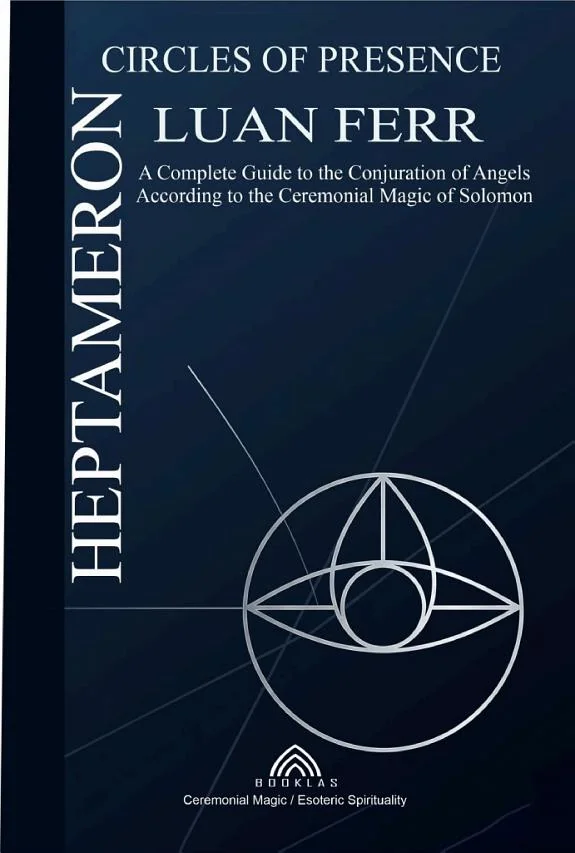
Luan Ferr’s Heptameron – Circles of Presence offers a refreshingly direct approach to a text that has long intimidated casual study. Unlike many modern interpretations that lean heavily on abstraction, Ferr grounds the practice in actionable steps. The meticulous detail provided for preparing the practitioner, from physical cleansing to psychic attunement, is a significant strength, acknowledging that the magician’s state is paramount. A point of contention might be the inherent challenge in verifying the claimed manifestations; the text asserts tangible results, but the subjective nature of such experiences remains a hurdle for empirical assessment. The section on constructing the magical circle, however, is particularly lucid, offering a clear blueprint that feels both ancient and immediately applicable. It’s a serious manual for serious practitioners, less about philosophy and more about doing.
📝 Description
76
Heptameron – Circles of Presence offers a practical, step-by-step guide to angelic conjurations.
This manual focuses on the practical application of angelic conjurations, breaking down the complex processes detailed in Pietro d’Abano’s original Heptameron. It is structured as a guide for practitioners who aim to manifest angelic intelligences governing temporal and seasonal cycles. The text is suitable for both novices beginning ceremonial magic and experienced practitioners seeking to improve their methods. It addresses those who want a tangible connection with celestial hierarchies, detailing the necessary preparations of body, mind, and spirit. The work revisits and operationalizes Abano’s system for a contemporary audience, emphasizing direct, verifiable experience of angelic presence.
The core of this work lies in the practical execution of these conjurations. It stresses the importance of preparing the practitioner, the sacred space, and the ritual implements. Specific concepts covered include the precise timings governed by angels, the construction and consecration of magical circles, the use of divine names and blessings, and the ethical framework of high magic. The goal is a direct, verifiable experience of angelic presence, making it a manual for those interested in the practical application of angelic magic.
This text operationalizes Pietro d’Abano’s late medieval system for a contemporary audience. Abano’s original Heptameron emerged from a period of intense Neoplatonism and ceremonial magic interest. His work, though controversial, reflected the era’s engagement with esoteric knowledge. This modern adaptation focuses on the practical execution of the conjurations, emphasizing the necessary preparations and rituals for interacting with celestial hierarchies.
💡 Why Read This Book?
• Learn the precise methods for preparing your physical and energetic body for ritual work, as detailed in the preparatory chapters, enabling a more focused and effective engagement with angelic entities. • Understand the specific angelic correspondences for days, hours, and seasons, allowing for timed operations aligned with celestial influences as outlined in the text’s organizational structure. • Gain practical instruction on the construction and consecration of magical circles, a fundamental element of ceremonial magic, providing a concrete technique for creating a sacred and protected space.
⭐ Reader Reviews
Honest opinions from readers who have explored this book.
❓ Frequently Asked Questions
What is the original Heptameron attributed to Pietro d’Abano?
The original Heptameron is a medieval grimoire, likely compiled in the 14th century and attributed to Pietro d’Abano. It details a system of angelic magic, assigning specific angels to days, hours, and seasons, and outlining rituals for their invocation.
How does Luan Ferr's book differ from the original Heptameron?
Luan Ferr's work functions as a practical, step-by-step manual for performing the angelic conjurations described in the original Heptameron. It translates the historical text into actionable techniques for modern practitioners, focusing on preparation and execution.
Is this book suitable for beginners in magic?
Yes, the book is written to be accessible to beginners while also offering depth for advanced practitioners. It guides the reader through the necessary preparations of body, space, and soul for angelic manifestations.
What does 'high white magic' refer to in this context?
In this context, 'high white magic' signifies a system of ceremonial magic focused on benevolent or constructive spiritual work, particularly the invocation of angelic beings, as opposed to darker or more manipulative forms of sorcery.
Does the book require specific prior knowledge?
While prior knowledge of esoteric concepts can be helpful, the manual aims to be comprehensive. It explains the necessary preparations and procedures, making it functional even for those new to the specific practices of angelic conjuration.
What is the significance of the 'Circles of Presence'?
The 'Circles of Presence' refers to the magical circles used in the rituals. These are consecrated spaces designed to facilitate the tangible manifestation and safe interaction with the angelic intelligences governing time.
🔮 Key Themes & Symbolism
Angelic Conjuration Techniques
This manual meticulously details the procedures for invoking angelic beings, drawing directly from the historical Heptameron. It emphasizes the practical steps required, including specific incantations, the use of divine names, and the preparation of ritual tools. The work aims to facilitate direct, verifiable contact with these celestial intelligences, moving beyond mere theoretical understanding to applied magical practice. It addresses the 'how-to' of summoning, focusing on the efficacy of established ceremonial methods within a framework of benevolent magic.
Preparation and Purification
A central pillar of this text is the absolute necessity of rigorous preparation. Ferr outlines the methods for purifying the practitioner's body, mind, and spirit, as well as consecrating the ritual space. This includes physical ablutions, mental focus exercises, and the proper arrangement of the environment. The book posits that successful and safe manifestation of angels is contingent upon the practitioner achieving a state of elevated consciousness and purity, making these preparatory stages as crucial as the conjuration itself.
Temporal and Seasonal Magic
The work is structured around the astrological and temporal correspondences detailed in the original Heptameron. It assigns specific angelic powers to the days of the week, the hours of the day and night, and the changing seasons. Practitioners are guided to align their magical operations with these celestial timings, harnessing the specific influences and energies associated with each period. This temporal framework ensures that rituals are performed under auspicious conditions, maximizing their potential effectiveness.
The Heptameron Tradition
This book engages directly with the legacy of Pietro d’Abano’s Heptameron, a significant text in the history of Western esotericism. It seeks to revive and operationalize the system presented therein, making it accessible to contemporary practitioners. By focusing on the practical execution of Abano's angelic magic, the work contributes to the ongoing study and application of Renaissance-era ceremonial traditions, bridging the gap between historical grimoires and modern magical practice.
💬 Memorable Quotes
Direct passages from the work, attributed to the author.
“The tangible manifestation of the angels who govern the days, hours, and seasons.”
— This phrase captures the core objective of the ritual system presented. It signifies not just a symbolic or psychic experience, but a direct, verifiable appearance or interaction with the specified angelic entities.
“Step-by-step how to perform the angelic conjurations.”
— This highlights the instructional nature of the book, emphasizing its role as a practical guide. It promises a clear, sequential methodology for executing complex magical operations derived from historical sources.
“Preparation of the body, space, and soul.”
— This points to the holistic approach required for effective ceremonial magic. It underscores that successful ritual work involves aligning the practitioner's entire being and environment with the magical intent.
“Circles of Presence”
— This title suggests the function of the magical circles used within the practice – not merely as protective boundaries, but as specific loci designed to invite and contain the palpable presence of angelic beings.
“High white magic”
— This term denotes the ethical orientation and nature of the magic practiced. It implies a focus on benevolent spiritual forces and constructive magical aims, distinct from darker or more self-serving magical traditions.
🌙 Esoteric Significance
Tradition
This work operates within the Western Esoteric Tradition, specifically drawing from the lineage of ceremonial magic influenced by late medieval and Renaissance grimoires. It connects to Hermeticism through its focus on celestial correspondences and angelic hierarchies, and to Kabbalah via the understanding of divine names and their power. It represents an effort to operationalize ancient texts for modern practice, bridging the gap between historical occultism and contemporary magical endeavors.
Symbolism
The primary symbol is the 'magical circle,' representing a consecrated space of divine power and protection, crucial for safely contacting angelic beings. 'Divine Names' function as powerful keys, invoking the essence of celestial powers. The structure of the text itself, aligning rituals with specific days, hours, and seasons, symbolizes the practitioner's integration with cosmic rhythms and divine order.
Modern Relevance
Contemporary practitioners of Western ceremonial magic, particularly those interested in angelic work and historical grimoires, find this text invaluable. It informs modern magical orders and independent practitioners seeking authentic methods for engaging with angelic hierarchies. Its emphasis on preparation and structured ritual appeals to modern psychological approaches to magic, seeking tangible results through disciplined practice.
👥 Who Should Read This Book
• Aspiring ceremonial magicians seeking a foundational text for angelic conjuration, providing clear instructions and ethical guidelines for practical ritual work. • Experienced occultists interested in revisiting or refining their understanding of the Heptameron tradition, offering a contemporary operational manual for ancient techniques. • Students of Western Esotericism curious about the practical application of medieval and Renaissance magical texts, providing a bridge between historical scholarship and lived magical experience.
📜 Historical Context
The Heptameron, attributed to Pietro d’Abano (c. 1250–1315), emerged from the intellectual milieu of late medieval Italy, a period rich with Neoplatonic thought and burgeoning interest in practical magic. Abano, a renowned physician and philosopher at the University of Padua, walked a fine line between scholarly inquiry and esoteric practice, a tension reflected in the reception of his works. While the original Heptameron became a foundational text in ceremonial magic, its influence circulated through manuscript traditions, often alongside other grimoires like the Key of Solomon. Abano’s own life was marked by controversy; he faced accusations of heresy and magic, and posthumously, his body was exhumed for trial. This historical context highlights the daring nature of engaging with such material, as esoteric knowledge often courted censure from ecclesiastical authorities, placing practitioners in a precarious position.
📔 Journal Prompts
The angelic intelligences governing the days and hours: how might their specific jurisdictions influence my current projects?
Reflect on the concept of 'high white magic' as presented in the text; how does this differ from other magical systems you are familiar with?
Analyze the preparatory steps for body, space, and soul; which area requires the most personal attention for effective ritual work?
Consider the historical context of Pietro d’Abano; what challenges might practitioners have faced when engaging with such texts in the 14th century?
The significance of the magical circle as a 'Circle of Presence'; how can this concept be applied metaphorically to everyday life?
🗂️ Glossary
High White Magic
A classification of magical practice focused on benevolent spiritual forces and constructive aims, typically involving the invocation of angelic or divine beings for ethical purposes.
Angelic Conjuration
The ritualistic process of summoning or invoking angelic beings, often involving specific prayers, incantations, and the use of sacred symbols and tools.
Magical Circle
A consecrated area, typically circular, used in ceremonial magic to provide protection and create a sacred space for ritual operations and divine manifestations.
Pietro d’Abano
A 13th-14th century Italian physician, philosopher, and astrologer associated with the University of Padua, to whom the original Heptameron grimoire is attributed.
Divine Names
Specific names or titles of God or angelic beings used in magical rituals, believed to hold inherent power and authority to invoke or command spiritual forces.
Celestial Hierarchies
The ordered ranks or levels of angels and other spiritual beings as described in theological and mystical traditions, often seen as intermediaries between the divine and the human.
Tangible Manifestation
The appearance or direct experience of a spiritual entity or force in a way that is perceived as real and concrete by the practitioner, beyond mere imagination.
This book appears in 1 collection
🔮 Readers Also Liked
Browse all →






From the “Ceremonial Magic” Collection
View all →




More Free Magic & Ritual Books
View all →