Occult Roots of Religious Studies - On the Influence of Non-Hegemonic Currents on Academia around 1900

 81
81

Occult Roots of Religious Studies - On the Influence of Non-Hegemonic Currents on Academia around 1900



Occult Roots of Religious Studies is a groundbreaking work that sheds light on the often ignored influence of occultism on religious studies. The book's meticulous research and engaging narrative make it a valuable resource for both academic and esoteric seekers. By exploring the biograms of scholars who navigated the complex interplay between occult practices and scientific inquiry, the author challenges conventional wisdom and opens up new avenues for research. This text is particularly relevant for modern esoteric seekers, as it underscores the enduring impact of occult ideas on contemporary thought. The book's arguments are well-supported and thought-provoking, making it a standout contribution to the field.
📝 Description
81
Around 1900, occult affiliations shaped academic religious studies in ways previously ignored.
This book examines the overlooked connections between occult currents and the academic study of religion at the turn of the 20th century. It introduces the concept of 'biograms' to detail scholars whose involvement with esoteric traditions influenced their scholarly work. The author contends that these occult influences were not peripheral but integral to the development of mainstream academic thought.
The work challenges the common perception of esotericism as separate from scientific inquiry. Instead, it argues for its presence within hegemonic cultural formations of the period. By analyzing the intellectual networks and symbolic systems of the time, the book reveals how mystical and occult ideas informed scholarly approaches to religion. It offers a reevaluation of the foundations of religious studies.
This work situates itself within traditions that question the separation between established scholarship and what is often dismissed as fringe belief. It engages with the historical study of Western Esotericism, a field that examines esoteric currents like Hermeticism, Kabbalah, and various occult societies that flourished in the late 19th and early 20th centuries. The book's focus on the integration of these currents into academic structures aligns with scholarship that seeks to understand the full spectrum of intellectual and spiritual life during that era, rather than confining esoteric thought to a separate, less significant category.
💡 Why Read This Book?
Read 'Occult Roots of Religious Studies' to gain a deeper understanding of the occult influences that have shaped religious studies. This book offers fresh insights into the lives and works of scholars who bridged the gap between occultism and science, providing a unique perspective on the development of religious thought. By exploring the biograms of key figures, you'll discover how esotericism has been an intrinsic part of hegemonic cultures, challenging traditional academic boundaries.
⭐ Reader Reviews
Honest opinions from readers who have explored this book.
❓ Frequently Asked Questions
What is the main focus of 'Occult Roots of Religious Studies'?
The main focus is the interconnections between religious studies and occultism, particularly around 1900. It also explores new research fields by introducing biograms of scholars with ties to occultism.
Who should read this book?
This book is ideal for academics, historians, and esoteric enthusiasts interested in the hidden influences shaping modern religious and academic thought.
What are 'biograms' in the context of this book?
Biograms are detailed profiles of scholars whose relationships with occultism and science are sometimes known but largely under-researched.
🔮 Key Themes & Symbolism
Esoteric Influences in Academia
Explore how occultism has shaped religious studies and academic discourse. This theme explores the hidden knowledge that has influenced scholarly thought, revealing the mystical underpinnings of modern academia.
The Role of Occultism in Science
Examine the interplay between occultism and scientific inquiry. This theme highlights the esoteric traditions that have contributed to the development of scientific thought, offering a new perspective on the history of science.
Biograms of Occult Scholars
Learn about the lives of scholars whose occult affiliations have been overlooked. This theme introduces 'biograms' that reveal the esoteric connections of key figures in religious studies and science.
💬 Memorable Quotes
Direct passages from the work, attributed to the author.
“The biograms reveal the hidden lives of scholars whose occult connections have shaped our understanding of religion and science.”
— These profiles offer a unique insight into the esoteric influences that have guided academic inquiry.
💡 Key Ideas
Editorial paraphrase of the work's core concepts — not direct quotes.
Esotericism is not an external anomaly but an intrinsic element of hegemonic cultures.
This quote underscores the central argument of the book, emphasizing the deep integration of occultism within academic and scientific thought.
Occultism provides a collection of symbolism and mystical insights that enrich our understanding of the world.
This quote highlights the book's exploration of the symbolic and mystical dimensions of occult knowledge.
The journey into the heart of hidden knowledge is one of intellectual rigor and mystical allure.
This passage captures the dual nature of the book's approach, combining academic rigor with the fascination of the unknown.
The occult roots of religious studies offer a profound perspective on the interconnections between esotericism and academic discourse.
This quote summarizes the book's central theme, emphasizing the importance of understanding the occult influences on religious studies.
🌙 Esoteric Significance
Tradition
This book belongs to the Hermetic tradition, which emphasizes the unity of all knowledge and the hidden wisdom of the ancient world. It draws on Hermetic principles to explore the interconnections between occultism and academic inquiry.
Symbolism
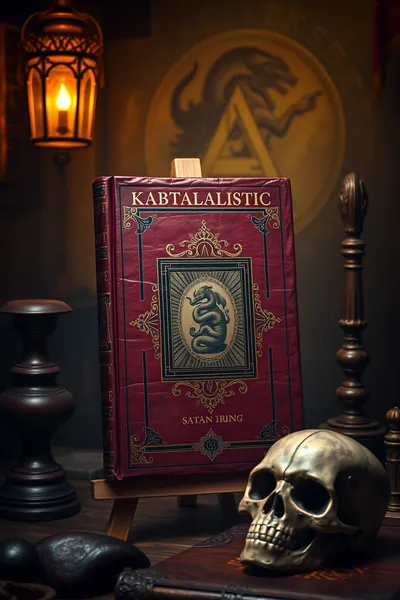
Key symbols in this text include the serpent, representing wisdom and transformation, and the cross, symbolizing the intersection of divine and earthly realms. These symbols are used to illustrate the esoteric influences on religious studies and science.
Modern Relevance
Today, this book is relevant for practitioners of Hermetic arts, scholars of esoteric traditions, and seekers of hidden knowledge. Its exploration of the occult roots of academia offers a unique perspective on the mystical underpinnings of modern thought.
👥 Who Should Read This Book
Beginners in the field of occult studies may find this book challenging but rewarding. Scholars of religious studies and the history of science will appreciate its useful insights into the esoteric influences on academic thought. Spiritual seekers and practitioners of esoteric arts will find it a valuable resource for understanding the mystical dimensions of religious and scientific inquiry. This text is ideal for anyone interested in the occult philosophy and the hidden knowledge that has shaped our understanding of the world.
📜 Historical Context
Around 1900, the boundaries between academia and occultism were more fluid than they are today. This period saw a surge of interest in esoteric traditions, with many scholars exploring the mystical underpinnings of religious and scientific thought. 'Occult Roots of Religious Studies' was written during this era of intellectual ferment, reflecting the zeitgeist of the time. The book's exploration of the occult influences on academia has had a lasting impact, influencing subsequent generations of scholars and practitioners of esoteric arts.
📔 Journal Prompts
How have occult influences shaped your understanding of religious studies?
What esoteric traditions have contributed to the development of scientific thought?
Reflect on the lives of scholars whose occult affiliations have been overlooked.
Explore the symbolic and mystical dimensions of occult knowledge.
Consider the importance of understanding the occult roots of academia.
🗂️ Glossary
Esotericism
The study of hidden or mystical knowledge, often associated with occult traditions and practices.
Hermeticism
An esoteric tradition based on the writings attributed to Hermes Trismegistus, emphasizing the unity of all knowledge.
Biogram
A detailed profile of an individual, highlighting their occult affiliations and influences.
Occultism
The study of hidden or mystical knowledge, often involving practices such as magic and alchemy.
Hegemonic Culture
A dominant cultural paradigm that shapes academic and scientific thought.
This book appears in 3 collections
🔮 Readers Also Liked
Browse all →









From the “Occultism” Collection
View all →








More Free Occult Philosophy Books
View all →