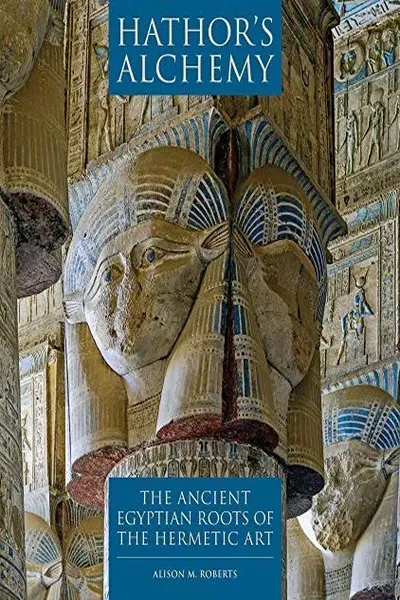
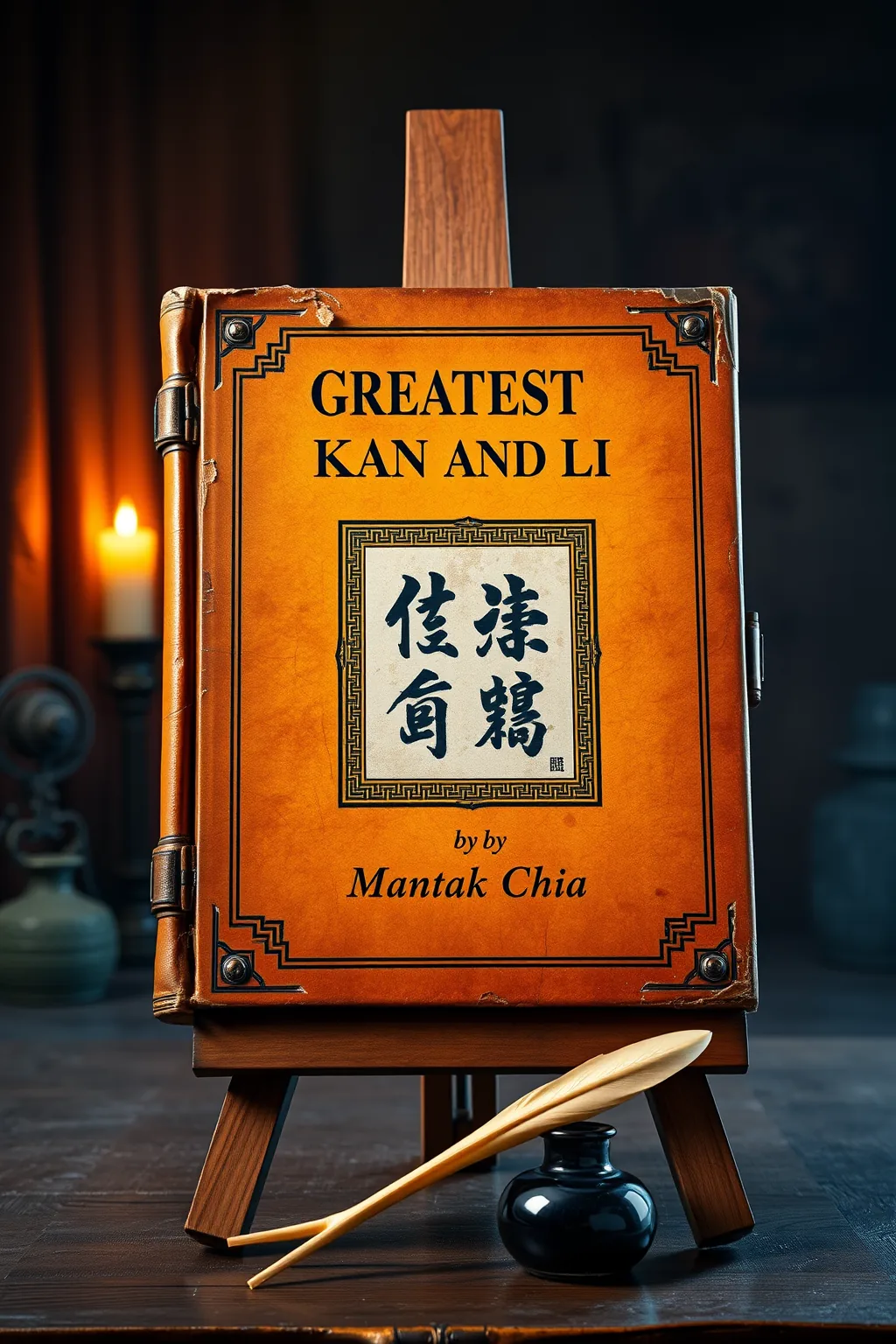
Greatest Kan and Li
 78
78

Greatest Kan and Li
Mantak Chia's "Greatest Kan and Li" offers a dense, technical exploration of advanced Taoist internal alchemy. The strength lies in its detailed, step-by-step approach to practices that are often shrouded in metaphor or esoteric language in older texts. Chia’s presentation of the Kan and Li cycle, particularly as it pertains to the transformation of Jing, Qi, and Shen, is meticulously laid out. However, the text’s primary limitation is its steep learning curve; it assumes significant prior knowledge of Taoist principles and energy cultivation techniques, making it less accessible for newcomers. The section detailing the "three rounds of Kan and Li" is exceptionally intricate, requiring careful study and dedicated practice. While the book provides a clear map, the journey demands considerable self-discipline and potentially guidance. It serves as a valuable, albeit challenging, resource for dedicated practitioners seeking to deepen their understanding of advanced Taoist alchemy.
📝 Description
78
Mantak Chia's 2014 book details the esoteric Taoist Great Kan and Li practices.
The "Greatest Kan and Li" by Mantak Chia outlines a specific Taoist internal alchemy lineage. The text focuses on the theories and practices for cultivating the "Great Kan and Li," symbolic concepts of uniting Yin and Yang energies within the body. Chia structures the work with detailed instructions and philosophical explanations, aiming to guide practitioners through advanced spiritual transformation within this particular Taoist tradition.
This book is for dedicated students of Taoist internal alchemy and esoteric practices. It assumes a prior understanding of fundamental Taoist principles and energy cultivation, requiring commitment to rigorous practice and knowledge of concepts like the 'Three Treasures' (Jing, Qi, Shen). Individuals looking to progress beyond introductory Qigong or Tai Chi, especially those interested in the alchemical transformation of consciousness, will find its methodologies relevant.
The core subject is the alchemical process of refining primal energies (Jing) into vital force (Qi) and then into spirit (Shen). The "Kan and Li," signifying Water and Fire, represent the union of opposing forces essential for spiritual development. Chia's interpretation, systematized in the late 20th and early 21st centuries, addresses a global interest in Eastern esoteric traditions.
Mantak Chia's "Greatest Kan and Li" draws from a long-standing Taoist tradition. The concept of Kan and Li, representing the alchemical union of Water and Fire (Yin and Yang), is a recurring theme in classical Taoist texts concerning spiritual development. Chia's work systematizes these ancient practices for contemporary practitioners, building upon earlier Taoist texts that explored the refinement of vital energies (Jing, Qi) into spirit (Shen). His approach reflects a modern engagement with these esoteric methods, making them accessible to those seeking advanced spiritual transformation.
💡 Why Read This Book?
• Learn the specific methods for harmonizing Yin and Yang energies through the Kan and Li practices as detailed by Mantak Chia, offering a structured path beyond introductory Qigong. • Understand the alchemical process of transforming Jing, Qi, and Shen according to this specific Taoist lineage, providing a framework for spiritual purification. • Gain practical instruction on advanced energy circulation techniques, as presented in the text's detailed explanations of the three rounds of Kan and Li, for potential spiritual advancement.
⭐ Reader Reviews
Honest opinions from readers who have explored this book.
❓ Frequently Asked Questions
What are the 'Kan and Li' in Taoist alchemy?
In Taoist internal alchemy, 'Kan and Li' (Water and Fire) are metaphorical terms representing the union of Yin and Yang energies. They symbolize the alchemical process of refining primal forces within the body to achieve spiritual transformation and longevity.
Is 'Greatest Kan and Li' suitable for beginners?
No, this book is intended for practitioners with a solid foundation in Taoist principles and energy cultivation. It delves into advanced stages of internal alchemy and assumes prior knowledge of concepts like the Three Treasures.
What is the historical origin of Kan and Li practices?
The concept of Kan and Li has roots in ancient Taoist texts, with its principles of harmonizing opposing energies being a recurring theme for centuries. Mantak Chia presents a specific interpretation and systematization of these practices from this long tradition.
What does 'Jing, Qi, Shen' refer to in this context?
These are the 'Three Treasures' in Taoism. Jing is primal essence, Qi is vital energy, and Shen is spirit or consciousness. The Kan and Li practices in the book aim to refine Jing into Qi, and Qi into Shen.
What is the purpose of the 'Great Kan and Li'?
The 'Great Kan and Li' refers to advanced stages of internal alchemy focused on achieving profound spiritual transformation, immortality, and enlightenment by fully harmonizing and refining the body's fundamental energies.
When was Mantak Chia's 'Greatest Kan and Li' first published?
Mantak Chia's 'Greatest Kan and Li' was first published in 2014, making it a relatively modern exposition of ancient Taoist alchemical practices.
🔮 Key Themes & Symbolism
Energy Alchemy
The core of "Greatest Kan and Li" lies in the alchemical transformation of fundamental energies within the practitioner's body. Chia details the process of refining Jing (essence) into Qi (vital force) and ultimately into Shen (spirit). This energetic transmutation is not merely theoretical; the book provides specific techniques for circulating and harmonizing these energies, particularly through the metaphor of Kan (Water/Yin) and Li (Fire/Yang), to achieve spiritual purification and longevity according to advanced Taoist principles.
Yin-Yang Integration
Central to the Kan and Li practices is the concept of integrating opposing forces, symbolized by Yin (Kan) and Yang (Li). The book elucidates how these seemingly dualistic energies, often represented by lunar and solar principles, must be harmonized within the practitioner. This integration is presented as crucial for balancing the body's systems, calming the mind, and facilitating the higher stages of spiritual development and consciousness expansion.
Spiritual Cultivation Techniques
Beyond philosophical exposition, "Greatest Kan and Li" is a manual for practical cultivation. It outlines specific meditative and energetic exercises designed to facilitate the alchemical processes. These techniques aim to transmute lower vibrational energies, such as sexual force, into higher spiritual power. The work emphasizes discipline and consistent practice, guiding the reader through progressively advanced stages of internal refinement.
Longevity and Immortality
A significant aspiration within Taoist alchemy, and addressed in this work, is the attainment of physical longevity and, in some interpretations, spiritual immortality. By mastering the Kan and Li practices and achieving a state of energetic purity and balance, practitioners are believed to be able to transcend the limitations of the physical body and achieve a state of profound vitality and spiritual awareness.
💬 Memorable Quotes
Direct passages from the work, attributed to the author.
“The three rounds of Kan and Li represent distinct stages of internal transformation.”
— This interpreation points to the structured nature of the practices described in the book, indicating that the alchemical process is divided into phases, each with its own objectives and techniques for refining the practitioner's energetic and spiritual state.
“Transforming primal energies leads to a purified consciousness.”
— This interpretation captures the essence of the book's promise: that through dedicated practice of internal alchemy, practitioners can purify not just their physical bodies but also their mental and spiritual faculties.
💡 Key Ideas
Editorial paraphrase of the work's core concepts — not direct quotes.
The union of Kan and Li is the key to refining the spirit.
This paraphrased concept highlights the central thesis of the book: that the integration of Yin (Kan) and Yang (Li) energies is the fundamental mechanism for spiritual purification and advancement in Taoist alchemy.
Jing is the root of Qi, and Qi is the root of Shen.
This statement, likely a paraphrase of foundational Taoist principles, underscores the hierarchical relationship between the Three Treasures. The book details how the Kan and Li practices work to refine each subsequent level of energy.
Balance is achieved when Water and Fire energies are in harmony.
This paraphrased idea emphasizes the goal of the Kan and Li practices: to achieve equilibrium between opposing forces within the body. This balance is essential for health, spiritual development, and the effectiveness of the alchemy.
🌙 Esoteric Significance
Tradition
This work belongs to the Taoist tradition of Neidan, or internal alchemy. It specifically focuses on the advanced practices of cultivating the 'Great Kan and Li,' which are seen as the highest stages of alchemical refinement within this lineage. Chia's approach bridges ancient Taoist teachings with modern pedagogical methods, aiming to make these profound practices accessible to dedicated practitioners worldwide, while remaining faithful to the core principles of energy cultivation and spiritual transformation.
Symbolism
The primary symbols are 'Kan' (Water, Yin, Moon, Consciousness) and 'Li' (Fire, Yang, Sun, Vitality). These represent the fundamental polarities that must be harmonized within the practitioner. The 'Three Treasures' – Jing (essence), Qi (vital energy), and Shen (spirit) – are also central, with the Kan and Li practices described as the method for refining Jing into Qi, and Qi into Shen, leading to spiritual illumination.
Modern Relevance
Chia's "Greatest Kan and Li" continues to influence contemporary practitioners of Taoist arts and internal alchemy. Its systematic approach provides a detailed roadmap for those interested in energetic and spiritual transformation beyond introductory Qigong. Modern students of energy work, meditation, and somatic psychology often draw upon Chia's methods to deepen their understanding of consciousness, vitality, and the integration of subtle energies.
👥 Who Should Read This Book
• Dedicated practitioners of Qigong and Tai Chi seeking to advance beyond foundational levels into the esoteric dimensions of internal alchemy. • Students of Taoist philosophy and spiritual traditions interested in understanding the specific practices of Kan and Li cultivation as detailed by a prominent modern teacher. • Individuals exploring advanced meditative and energetic techniques for personal transformation, spiritual development, and potentially enhanced longevity.
📜 Historical Context
Mantak Chia's "Greatest Kan and Li" emerges from the rich tradition of Taoist internal alchemy, a lineage with historical roots stretching back centuries, exemplified by texts like the "Wu Chen Pian" from the Song Dynasty. The concept of Kan and Li itself, symbolizing the union of Yin and Yang, has been a recurring motif in Taoist philosophy and practice for well over a millennium. Chia's work, first published in 2014, brought these advanced practices to a global audience during a period of intense Western interest in Eastern spiritual disciplines, a trend significantly boosted by figures like Thomas Merton's engagement with Zen Buddhism and comparative religion studies. Unlike older, more inaccessible texts, Chia's approach aims for systematic clarity. However, it sits alongside a diverse range of modern esoteric interpretations, from Western Hermeticism influenced by Aleister Crowley to various forms of Yoga and Buddhist Tantra, all vying for attention from seekers of spiritual transformation.
📔 Journal Prompts
The concept of Kan and Li as opposing yet harmonizing forces.
The Three Treasures: Jing, Qi, and Shen, and their refinement.
Personal practice of energy circulation as described in the text.
The alchemical goal of transforming primal energies.
The role of balance in spiritual cultivation.
🗂️ Glossary
Kan
In Taoist internal alchemy, 'Kan' symbolizes Water, Yin, the Moon, and consciousness. It represents the receptive, cooling, and centripetal aspects of energy that must be harmonized with Li.
Li
In Taoist internal alchemy, 'Li' symbolizes Fire, Yang, the Sun, and vitality. It represents the active, heating, and centrifugal aspects of energy that must be balanced with Kan.
Jing
The first of the Three Treasures, Jing refers to primal essence or generative energy, often associated with sexual energy and the foundational vitality of the body.
Qi
The second of the Three Treasures, Qi is vital life force or energy that animates all living beings. It is cultivated and refined from Jing.
Shen
The third of the Three Treasures, Shen represents spirit, consciousness, or mind. It is the highest form of refined energy, cultivated from Qi.
Neidan
Literally 'internal alchemy,' Neidan refers to Taoist practices that use the practitioner's own body as a crucible to refine Jing, Qi, and Shen into spiritual energy and consciousness.
Three Rounds of Kan and Li
These refer to distinct, progressive stages within the Kan and Li practice. Each round involves specific energetic circulations and alchemical transformations aimed at purifying the practitioner's body and spirit.
🔮 Readers Also Liked
Browse all →









More by Mantak Chia
All books →


More Free Alchemy & Hermeticism Books
View all →