Goetia: Solomonic Evocation
 78
78

Goetia: Solomonic Evocation
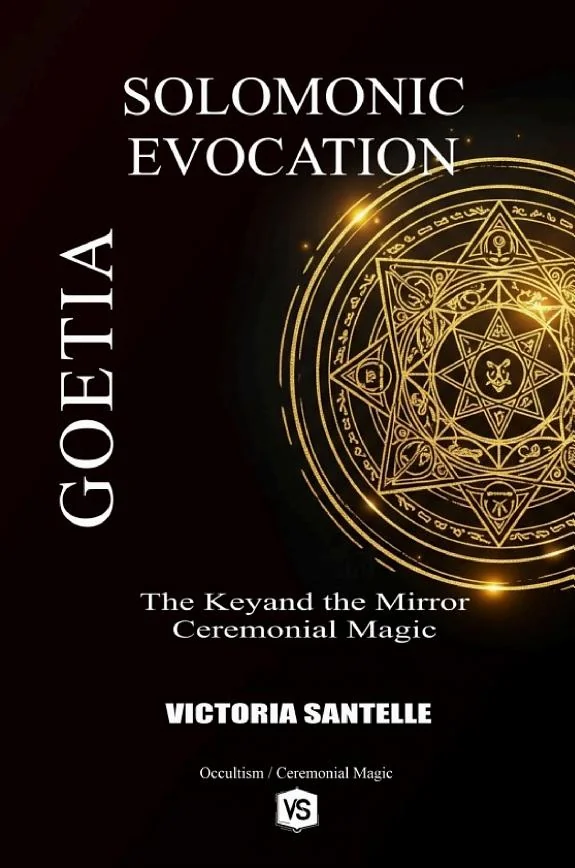
Victoria Santelle/Virginia Santos's *Goetia: Solomonic Evocation* arrives with the stated intention of cutting through the myth and reaching the operational core of the tradition. The strength of this work lies in its directness; it avoids the florid prose that often encumbers esoteric texts, instead opting for a clear, instructional tone. For instance, the detailed breakdown of the "Key and the Mirror" ritual apparatus feels particularly grounded, offering a tangible point of engagement. However, the text's absolute commitment to its specific interpretation of the Goetia, while admirable in its focus, might leave readers seeking broader comparative analyses wanting. It is a focused lens, not a panoramic view. The interpretation of the spirits as primarily psychological projections, while a valid modern approach, could benefit from a more robust engagement with historical theological perspectives that viewed them as external entities. Ultimately, it serves as a potent, if narrowly defined, guide for the dedicated practitioner.
📝 Description
78
Victoria Santelle/ Virginia Santos's 2025 work, Goetia: Solomonic Evocation, examines the Goetic tradition.
This book is a serious study of the Goetic tradition, moving beyond its common portrayal as mere folklore. It serves as both a practical guide and a conceptual link, intended to help practitioners engage with unseen forces through structured ritual. The author aims to dismantle popular misconceptions and clarify the core principles of ceremonial magic rooted in the Solomonic corpus.
Goetia: Solomonic Evocation is intended for dedicated students of the occult. It speaks to those who feel a strong inner drive toward esoteric knowledge or a deep connection to hidden wisdom. The text's design focuses on personal transformation, offering a systematic method for individuals pursuing genuine spiritual mastery, not simply entertainment. Those who approach the material with discipline and a desire for tangible results will find its contents particularly valuable.
The Goetia tradition, documented in grimoires such as the Lemegeton, has historical ties reaching back centuries, influenced by medieval Jewish mysticism and earlier Hermetic thought. Santelle/Santos's 2025 publication arrives during a modern revival of interest in classical ceremonial magic. This resurgence often seeks to re-establish a perceived earlier rigor, contrasting with contemporary New Age interpretations. The book directly addresses the historical lineage of texts attributed to King Solomon, a figure central to Western esotericism.
💡 Why Read This Book?
• Understand the specific operational framework of the "Key and the Mirror" ritual, offering a tangible method for directing psychic energies that goes beyond theoretical discussion. • Engage with the Goetic tradition through its historical lineage, particularly its connections to the Solomonic corpus, providing a context for practices dating back centuries. • Explore the deconstruction of popular myths surrounding Goetic entities, fostering a disciplined approach to ritual magic distinct from speculative or folkloric accounts.
⭐ Reader Reviews
Honest opinions from readers who have explored this book.
❓ Frequently Asked Questions
What is the primary purpose of *Goetia: Solomonic Evocation*?
The book aims to provide a rigorous and practical understanding of the Goetic tradition, moving beyond folklore to offer a bridge between the visible and invisible realms for spiritual mastery.
When was *Goetia: Solomonic Evocation* first published?
The work was first published on June 26, 2025, by Victoria Santelle/Virginia Santos.
Who is the author of *Goetia: Solomonic Evocation*?
The author is Victoria Santelle, also credited as Virginia Santos.
What are the "Key and the Mirror" mentioned in the book?
These are described as crucial apparatus within the ceremonial magic of Goetia, serving as tools for spiritual mastery and interfacing with the invisible.
Is this book suitable for beginners in occult studies?
While it deconstructs myths, the book is geared towards serious students seeking spiritual mastery. It requires discipline and a desire for efficacy, rather than casual exploration.
What is the Solomonic Evocation?
It refers to a specific system of ceremonial magic attributed to King Solomon, involving the evocation of entities detailed in texts like the Lemegeton, aiming for control and understanding.
🔮 Key Themes & Symbolism
Ritual Efficacy
The work emphasizes that Goetic practices are not mere historical curiosities but potent systems for altering consciousness and interfacing with unseen realities. It stresses the importance of precise ritual execution, the correct use of tools like the Key and Mirror, and the psychological discipline required for the magician to achieve results, moving beyond speculative occultism to operational magic.
Deconstruction of Myth
A central theme is the systematic dismantling of popular misconceptions surrounding the Goetia. The book aims to present the tradition as a rigorous discipline rather than a collection of folklore or romanticized tales. It seeks to reveal the underlying structure and intent of these practices, offering a clearer, more direct path for the practitioner to follow.
Spiritual Mastery
The ultimate aim presented is not simply knowledge acquisition but profound personal transformation and spiritual mastery. The text positions the Goetic evocation as a vehicle for the practitioner to gain control over their inner and outer worlds, bridging the gap between the mundane and the divine through focused intent and structured interaction.
The Solomonic Corpus
The book grounds its teachings within the specific lineage of texts attributed to King Solomon, a central figure in Western esotericism. It explores the framework provided by these grimoires, focusing on the practical application of their methodologies for evoking and working with specific entities or forces.
💬 Memorable Quotes
Direct passages from the work, attributed to the author.
“This is not a collection of folklore or a romanticized myth; it is a bridge between the visible and invisible.”
— This statement frames the book's core purpose: to present the Goetic tradition as a functional system for interacting with esoteric realities, rather than a subject of academic or fictional interest.
“What you hold is a profound key to spiritual mastery, designed not to entertain, but to transform.”
— This highlights the book's utilitarian and serious intent, positioning it as a tool for fundamental change and personal development through esoteric practice.
“It deconstructs the myths surrounding Goetia, revealing it as a rigor...”
— This suggests the book's methodological approach, aiming to strip away misconceptions and expose the underlying disciplined nature of Goetic ceremonial magic.
“The Key and the Mirror: Ceremonial Magic”
— This phrase expresses the specific tools and the broader field of practice the book addresses, emphasizing their critical role in the Solomonic evocation tradition.
“An ancient restlessness or the feeling that a hidden knowledge awaits.”
— This describes the impetus for engaging with such texts, suggesting an innate human drive towards esoteric understanding and spiritual exploration.
🌙 Esoteric Significance
Tradition
This work firmly sits within the Western Esoteric Tradition, specifically the lineage of ceremonial magic derived from the Solomonic grimoires, most notably the *Lemegeton*. It aligns with Hermetic and Kabbalistic frameworks that view the universe as a structured system of correspondences and energies, accessible through disciplined ritual and symbolic interaction. It departs from purely theoretical approaches by focusing on the practical, operational aspects of evocation.
Symbolism
Key symbols include the "Key" and the "Mirror," which function not merely as objects but as conduits for spiritual power and perception. The Key often represents the unlocking of hidden knowledge or the authority to command, while the Mirror serves as a scrying tool and a reflective surface for the magician's own psyche and the forces they engage. The seventy-two spirits of the Goetia themselves are potent symbols, representing various forces, attributes, or challenges within the cosmos and the human psyche.
Modern Relevance
Contemporary practitioners of ceremonial magic, particularly those interested in the Golden Dawn lineage or Chaos Magick's reinterpretation of traditional forms, find value in *Goetia: Solomonic Evocation*. Thinkers who explore psychomagical systems or the practical application of grimoire magic often reference or draw inspiration from works that present a rigorous, operational approach to Goetia, seeking to integrate these ancient methods into modern consciousness.
👥 Who Should Read This Book
• Serious students of ceremonial magic seeking to understand the practical application of the Goetic tradition beyond folklore. • Practitioners interested in the historical Solomonic grimoires and their operational frameworks, desiring a direct approach to ritual. • Individuals experiencing a strong inner calling towards esoteric knowledge and seeking a structured path for spiritual mastery and transformation.
📜 Historical Context
The tradition of Goetia, extensively documented in grimoires like the *Lemegeton* (compiled around the 17th century), draws heavily from earlier occult, alchemical, and Kabbalistic traditions, often attributed to the wisdom of King Solomon. The 2025 publication of *Goetia: Solomonic Evocation* by Victoria Santelle/Virginia Santos places it within a contemporary landscape where interest in classical ceremonial magic has seen a resurgence, often in contrast to more esoteric or New Age interpretations. This period sees a renewed focus on historical accuracy and operational effectiveness, seeking to recover practices perceived as having been diluted or misunderstood over time. The work directly engages with the lineage of texts that claim Solomonic origin, a lineage that has fascinated Western occultists for centuries, standing apart from purely folkloric or anthropological studies.
📔 Journal Prompts
The structured nature of Solomonic evocation: how does it differ from intuitive magical practices?
Reflect on the concept of "ancient restlessness" and its potential connection to esoteric pursuits.
Consider the "Key and the Mirror" as symbolic tools for accessing hidden knowledge.
Analyze the transformation implied by engaging with Goetic practices beyond mere entertainment.
What specific myths about Goetia does this work aim to deconstruct for the practitioner?
🗂️ Glossary
Goetia
A branch of ceremonial magic focused on the evocation of spirits, particularly those listed in the *Lemegeton*, often attributed to King Solomon.
Solomonic Evocation
The practice of summoning and commanding spirits based on rituals and systems attributed to the biblical King Solomon, as detailed in various grimoires.
Ceremonial Magic
A system of magic involving elaborate rituals, symbolic implements, and specific invocations or evocations, often aiming for spiritual transformation or control over external forces.
Lemegeton
A 17th-century grimoire detailing various aspects of magic, including the Goetia, theurgia, and necromancy, often considered a key text for understanding Solomonic magic.
Key and the Mirror
Specific ritual implements mentioned in Goetic texts, likely serving as focal points for channeling energy, directing intent, or facilitating communication with invoked entities.
Apparatus
In ceremonial magic, the collection of tools, vestments, and symbolic items used during rituals to create the proper magical environment and facilitate the working.
Esoteric
Relating to or accessible only by a small number of people with a specialized knowledge or interest; pertaining to hidden or secret spiritual teachings.
This book appears in 1 collection
🔮 Readers Also Liked
Browse all →









From the “Goetia” Collection
View all →






More Free Occult Philosophy Books
View all →