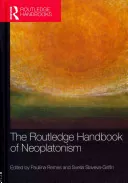
Gifted: Better Late Than Never
 73
73

Gifted: Better Late Than Never
Marilyn Kaye’s *Gifted: Better Late Than Never* presents a premise that, while familiar, offers moments of genuine intrigue. The strength of the novel lies in its establishment of nine distinct adolescent characters, each grappling with the sudden emergence of extraordinary abilities. Kaye effectively sketches the initial shock and confusion these powers induce, particularly in the context of everyday middle school life. However, the narrative’s ambition to juggle so many protagonists sometimes leads to a diffusion of focus, where deeper exploration of individual arcs feels constrained. A particularly effective passage might be the description of the character Maya’s struggle to control her telekinetic abilities during a mundane classroom activity, highlighting the friction between the extraordinary and the ordinary. Despite its pacing challenges, the book offers an accessible entry into the supernatural coming-of-age genre.
📝 Description
73
Marilyn Kaye's 2009 novel introduces nine teenagers with distinct, hidden supernatural abilities.
This novel centers on nine teenagers, each concealing a unique secret ability. Their lives converge at an ordinary-seeming middle school, which becomes the backdrop for extraordinary events. The story reveals the hidden potential within these adolescents, demonstrating how everyday settings can conceal supernatural talents. It sets up a narrative focused on the discovery of latent abilities and the difficulties in managing them.
The book is written for young adult readers who enjoy a mix of contemporary settings with fantasy and paranormal elements. It will particularly resonate with those who like character-focused stories about identity, friendship, and self-discovery, all viewed through the lens of supernatural powers. Readers who are drawn to stories where ordinary people find they have exceptional gifts are likely to find this book appealing.
Published in 2009, the book appeared during a surge in young adult fiction that explored supernatural themes. This period frequently featured protagonists with unique gifts navigating coming-of-age challenges. The narrative aligns with a broader trend of integrating extraordinary elements into relatable, often school-based, environments, making the fantastical accessible to a younger audience. The core idea concerns 'giftedness'—individuals possessing abilities that distinguish them, focusing on the process of understanding, accepting, and controlling these powers.
💡 Why Read This Book?
• You will learn about the narrative challenge of managing multiple characters discovering latent abilities, specifically how the author balances the individual arcs of the nine gifted teenagers. • You will feel the tension between ordinary adolescent life and the emergence of supernatural powers, as illustrated by the characters' attempts to conceal their gifts within their school environment. • You will gain insight into the coming-of-age themes within the supernatural genre, particularly how the book frames the acceptance and control of unique abilities, as suggested by the "Better Late Than Never" subtitle.
⭐ Reader Reviews
Honest opinions from readers who have explored this book.
❓ Frequently Asked Questions
What is the central premise of Marilyn Kaye's "Gifted: Better Late Than Never"?
The book centers on nine middle school students who discover they possess extraordinary abilities. These characters must navigate their ordinary lives while secretly managing their unique and often surprising supernatural gifts.
What genre does "Gifted: Better Late Than Never" fall into?
It is best categorized as young adult fantasy or supernatural fiction, focusing on adolescent protagonists with special powers.
When was "Gifted: Better Late Than Never" first published?
Marilyn Kaye's novel "Gifted: Better Late Than Never" was first published on June 9, 2009.
Are there specific powers explored in the book?
While the book features nine distinct characters, the nature of their specific powers is a key element of the narrative's unfolding mystery and individual character development.
What are the main themes in "Gifted: Better Late Than Never"?
Key themes include self-discovery, the challenges of being different, managing hidden talents, and the intersection of the ordinary with the extraordinary.
Who is the author Marilyn Kaye?
Marilyn Kaye is a prolific author known for her work in young adult fiction, often exploring themes of mystery, adventure, and the supernatural.
🔮 Key Themes & Symbolism
Emergence of Latent Abilities
The narrative focuses on the sudden manifestation of supernatural powers in nine middle school students. This theme explores the shock, fear, and eventual process of understanding and accepting these abilities. It highlights how individuals grapple with capabilities that set them apart from their peers, transforming their perception of self and reality. The 'better late than never' aspect suggests a delayed but significant journey of self-awareness and integration of these extraordinary gifts into their lives.
The Ordinary Masking the Extraordinary
A central concept is the juxtaposition of a seemingly normal middle school environment with the hidden extraordinary lives of its students. This theme underscores the idea that remarkable potential can lie dormant beneath mundane surfaces. The characters' efforts to conceal their powers from classmates and faculty create underlying tension and explore the social dynamics of secrecy and belonging when one possesses unusual traits.
Adolescent Identity and Otherness
The book explores the complexities of adolescent identity formation through the lens of possessing supernatural gifts. Being 'gifted' introduces a profound sense of otherness, forcing the characters to question who they are and where they fit in. The narrative explores the isolation that can stem from unique abilities, as well as the potential for finding solidarity and understanding among those who share similar secret experiences.
Secrets and Their Consequences
The premise hinges on 'nine secrets,' implying that each character's ability is a closely guarded truth. This theme examines the burden of secrecy, the potential dangers of exposure, and the impact these hidden truths have on relationships and personal development. The unfolding of these secrets drives the plot, revealing how knowledge of these powers affects the characters' choices and interactions within their community.
💬 Memorable Quotes
Direct passages from the work, attributed to the author.
“Nine teenagers. Nine secrets. An ordinary middle school with a few extraordinary exceptions.”
— This blurb expresses the core conflict: the mundane setting of a school is disrupted by the hidden, extraordinary lives of its students, each burdened by a unique secret related to their burgeoning abilities.
“The sudden surge of power felt like a storm inside.”
— This highlights the overwhelming and often uncontrollable nature of newly discovered supernatural abilities, likening the internal experience to a chaotic natural phenomenon that the character must endure.
“How do you act normal when nothing about you feels normal anymore?”
— This question captures the central dilemma of the gifted adolescents: the struggle to maintain a façade of normalcy while dealing with internal changes and abilities that fundamentally alter their sense of self.
“Their shared secret was a fragile bridge between them.”
— This suggests that the hidden nature of their powers creates a unique bond among the characters, forming a connection that is both potent and precarious, susceptible to breaking if revealed.
“The real challenge wasn't the power, but learning to live with it.”
— This interpretation points to the thematic focus on personal growth and adaptation. The true narrative arc lies not just in acquiring abilities, but in the difficult process of integrating them into one's identity and daily existence.
🌙 Esoteric Significance
Tradition
While not explicitly tied to a specific esoteric lineage like Hermeticism or Gnosticism, *Gifted* speaks to the broader theme of latent human potential often explored in metaphysical and New Age thought. It touches upon concepts found in discussions of psychic abilities and innate talents, suggesting that individuals possess untapped capacities. The narrative can be seen as a modern, secularized interpretation of the idea that certain people are 'chosen' or possess a higher degree of awareness or power, a concept echoing through various spiritual traditions.
Symbolism
The number nine itself can carry symbolic weight, often representing completion or the end of a cycle in numerology. The 'ordinary middle school' functions as a symbol of the mundane world, the testing ground where extraordinary abilities must be concealed and integrated. Individual powers, though not specified here, would likely symbolize the unique inner strengths or challenges each character faces in their personal development and journey toward self-acceptance.
Modern Relevance
Today, *Gifted* speaks to contemporary discussions surrounding neurodiversity and the spectrum of human abilities. The idea that 'different' does not mean 'less than' is a powerful message. Readers interested in modern interpretations of hidden potential, similar to concepts explored in contemporary fantasy literature or even in self-help discussions about unlocking personal power, might find resonance in the book's premise.
👥 Who Should Read This Book
• Young adult readers exploring themes of identity and self-discovery who are drawn to supernatural elements. • Aspiring writers interested in character-driven narratives featuring ensemble casts with hidden abilities. • Fans of middle-grade and young adult fiction that balances everyday school life with fantastical plotlines.
📜 Historical Context
Published in 2009, *Gifted: Better Late Than Never* arrived during a peak period for young adult paranormal and supernatural fiction, heavily influenced by the success of series like *Twilight* and *The Hunger Games*. This era saw publishers actively seeking narratives that blended fantastical elements with relatable adolescent concerns. The trope of the 'chosen one' or the 'special individual' within ordinary settings was particularly prevalent, making Kaye’s premise of nine secretly gifted students in a middle school a timely contribution. While not directly engaging with specific philosophical movements, the book taps into a broader cultural fascination with hidden potential and the allure of the extraordinary lurking beneath the surface of everyday life, a trend that had seen earlier iterations in works like Stephen King's *Carrie* (1974) but was re-energized for a new generation.
📔 Journal Prompts
The burden of the nine secrets.
Manifesting extraordinary abilities in ordinary settings.
The character Maya's struggle with telekinesis.
Defining 'giftedness' beyond supernatural powers.
The concept of 'otherness' among the nine teenagers.
🗂️ Glossary
Gifted
In the context of this book, 'gifted' refers to individuals possessing extraordinary, often supernatural, abilities that distinguish them from the general population.
Latent Abilities
Powers or capacities that exist within an individual but are not yet fully developed, expressed, or understood. These often emerge unexpectedly.
Ordinary Middle School
The setting representing normalcy and conventional social structures, which serves as a backdrop and contrast to the characters' hidden extraordinary lives.
Secrets
Hidden truths or concealed information, specifically referring to the unique supernatural abilities possessed by each of the nine main characters.
Extraordinary Exceptions
Individuals within a normal environment who possess remarkable or unusual qualities, highlighting the contrast between the general population and those with special gifts.
Telekinesis
The supposed ability to move or influence objects by mental effort alone, a potential power explored within the narrative.
Coming-of-Age
A narrative genre focusing on the psychological and moral growth of a protagonist from youth to adulthood, often involving self-discovery and the transition to maturity.
This book appears in 1 collection
🔮 Readers Also Liked
Browse all →








From the “Extrasensory Perception” Collection
View all →




More Free Occult Philosophy Books
View all →