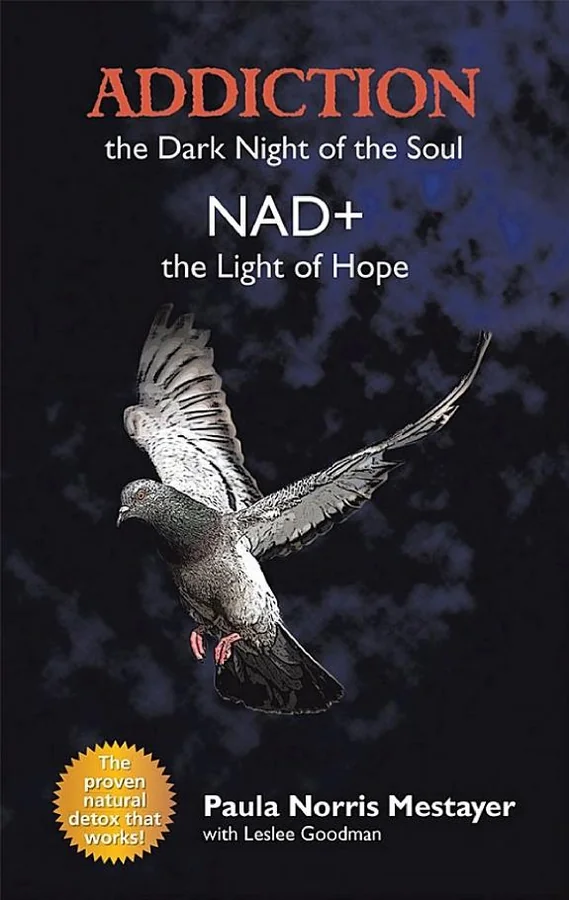
Addiction: the Dark Night of the Soul/ Nad+: the Light of Hope
 75
75

Addiction: the Dark Night of the Soul/ Nad+: the Light of Hope
Paula Norris Mestayer’s "Addiction: the Dark Night of the Soul/ Nad+: the Light of Hope" confronts the often-impenetrable fortress of addiction with a surprisingly concrete weapon: NAD+ infusions. The strength of the book lies in its clear, layman's explanation of a complex biochemical intervention that claims remarkable results. Mestayer avoids overwrought spiritual jargon, instead focusing on the tangible benefits of her method – rapid withdrawal mitigation and reduced cravings. She effectively frames addiction as a disease of the brain's energy systems, which her treatment aims to rectify. A limitation, however, is the book's primary reliance on anecdotal evidence and the author's personal experience, rather than extensive clinical trial data that might satisfy a more skeptical reader. The passage detailing the rapid cessation of opiate withdrawal symptoms after just a few days of treatment is particularly striking, offering a stark contrast to commonly experienced lengthy and agonizing detox periods. This work provides a hopeful, biologically-grounded perspective for those ensnared by substance dependency.
📝 Description
75
Paula Norris Mestayer's 2019 book details a ten-day intravenous NAD+ infusion treatment for addiction.
Paula Norris Mestayer's "Addiction: the Dark Night of the Soul/ Nad+: the Light of Hope" presents a biological treatment for substance dependency using intravenous NAD+ infusions. This coenzyme, naturally present in the body and derived from niacin, is proposed to alleviate withdrawal symptoms and cravings for opiates, alcohol, benzodiazepines, and methamphetamines within a ten-day period.
The book targets individuals struggling with addiction, their families, and medical professionals looking for alternative or supplemental therapies. It is particularly relevant for those who have found traditional methods ineffective or who fear the harshness of detoxification. Mestayer frames addiction as a treatable brain disease, offering her treatment's success as a source of hope for those experiencing despair.
The treatment approach is grounded in the biochemical understanding of brain function and cellular repair. While NAD+ has a history in biological research, its direct intravenous application for addiction represents a departure from the psychological and pharmacological interventions common in the late 20th and early 21st centuries. Mestayer's work appeared during a time when neurobiological explanations for addiction gained wider acceptance.
While presented through a biological lens, the book's framing of addiction as a "dark night of the soul" and NAD+ as a "light of hope" resonates with esoteric traditions that view physical ailments as manifestations of deeper spiritual or energetic imbalances. The emphasis on restoring a natural coenzyme connects to alchemical principles of purification and regeneration. It suggests a path toward wholeness that transcends purely material interventions, aligning with esoteric philosophies that seek to heal the mind, body, and spirit through harmonizing internal energies and biochemical processes.
💡 Why Read This Book?
• Learn about the specific role of NAD+ in brain function and how its depletion can drive addiction, as detailed in the book's explanation of cellular energy pathways. • Discover the practical application of intravenous NAD+ therapy, including its efficacy in reducing withdrawal symptoms from substances like opiates and benzodiazepines, as described by Paula Norris Mestayer. • Gain an understanding of addiction as a treatable brain disease, offering a hopeful, science-based alternative to traditional approaches, directly informed by the author's 18 years of clinical work.
⭐ Reader Reviews
Honest opinions from readers who have explored this book.
❓ Frequently Asked Questions
What is NAD+ and how does it relate to addiction treatment?
NAD+ (Nicotinamide Adenine Dinucleotide) is a coenzyme vital for cellular energy production. The book explains that addiction can deplete NAD+ levels in the brain, impairing its function. Mestayer's treatment uses intravenous NAD+ infusions to restore these levels, aiding recovery.
How quickly can NAD+ infusions help with withdrawal symptoms?
According to "Addiction: the Dark Night of the Soul/ Nad+", patients undergoing intravenous NAD+ therapy can experience significant relief from withdrawal symptoms and cravings for opiates, alcohol, and other substances within approximately ten days.
Is Paula Norris Mestayer's NAD+ treatment suitable for all types of addiction?
The book specifically mentions effectiveness with opiates, alcohol, benzodiazepines, and methamphetamines. Mestayer's 18 years of experience suggest a broad applicability, framing addiction as a treatable brain disease responsive to NAD+ replenishment.
What is the "Dark Night of the Soul" aspect of the book's title?
This refers to the profound suffering and despair often experienced during addiction and withdrawal, characterizing it as a period of intense spiritual and psychological trial. The 'Light of Hope' comes from the NAD+ treatment's potential to alleviate this suffering.
Does the book explain the science behind NAD+ in simple terms?
Yes, Paula Norris Mestayer endeavors to explain the biochemical mechanisms of NAD+ and its role in brain health and addiction recovery using layman's terms, making the complex science accessible to a general audience.
What distinguishes this treatment from traditional addiction therapies?
This approach focuses on direct biological intervention by replenishing NAD+ levels, aiming to repair the brain's energy systems damaged by substance abuse. It contrasts with many traditional methods that may rely more heavily on psychological counseling or longer-term pharmaceutical interventions.
🔮 Key Themes & Symbolism
NAD+ as a Biological Solution
The core of Mestayer's work posits NAD+ (Nicotinamide Adenine Dinucleotide) not as a mere supplement, but as a critical coenzyme essential for brain function that addiction severely depletes. The book details how intravenous infusions of NAD+ directly address the neurobiological damage caused by substance abuse, aiming to restore cellular energy production and neurotransmitter balance. This perspective shifts the focus from moral failing to a treatable brain disease, offering a tangible pathway to recovery by replenishing a vital internal resource.
The Addiction-Withdrawal Cycle
Mestayer frames the debilitating cycle of addiction and withdrawal as a consequence of compromised NAD+ levels. The intense suffering associated with withdrawal from opiates, alcohol, and benzodiazepines is explained through the lens of the brain's struggle to function without adequate cellular energy. The book highlights how the NAD+ treatment significantly shortens and lessens the severity of this agonizing period, breaking the cycle by restoring the brain's capacity to function normally and reducing the intense physical and psychological cravings that drive relapse.
Hope Through Scientific Understanding
The title itself captures the book's dual message: the profound suffering of addiction ('Dark Night of the Soul') is met with the informative potential of NAD+ therapy ('Light of Hope'). Mestayer emphasizes understanding addiction as a disease rooted in biochemistry, thereby explaining the experience and offering concrete hope. By explaining the science in accessible terms, the book empowers individuals and their support networks with knowledge, fostering a belief in recovery and the possibility of regaining control over one's life.
Personal Transformation and Recovery
Beyond the biochemical explanation, the book is infused with the author's 18 years of experience treating patients. It shares inspirational stories (as mentioned in the original blurb) that illustrate the profound personal transformations possible through this NAD+-based approach. These narratives serve as powerful testaments to the efficacy of the treatment, demonstrating how individuals can move from the depths of addiction to a state of renewed health and well-being, facilitated by a direct intervention into the body's fundamental processes.
💬 Memorable Quotes
Direct passages from the work, attributed to the author.
“Addiction is a brain disease that can be treated by restoring vital coenzymes.”
— This core assertion frames addiction not as a moral failing but as a physiological condition. It suggests that by addressing the underlying biochemical deficiencies, specifically those related to NAD+, recovery is achievable through targeted intervention.
“Intravenous NAD+ infusions enable patients to kick opiates, alcohol, benzodiazepines, and methamphetamines in 10 days with minimal withdrawal.”
— This statement captures the promise of Mestayer's treatment: a rapid and significantly less painful detoxification process. It highlights the potential for swift liberation from severe dependencies, challenging the conventional understanding of lengthy and arduous withdrawal periods.
“NAD+ treatment helps repair the brain's energy systems damaged by substance abuse.”
— This interpretation focuses on the mechanism of action. It explains that the damage caused by addiction impacts the brain's fundamental ability to produce energy, and NAD+ therapy acts as a restorative agent for these compromised systems.
“Minimal withdrawal symptoms or cravings are key indicators of successful NAD+ therapy.”
— This emphasizes the practical, patient-experienced outcomes of the treatment. The reduction in suffering during withdrawal and the suppression of cravings are presented as direct evidence of the therapy's effectiveness in facilitating sobriety.
“Understanding why NAD+ is effective is crucial for embracing this treatment.”
— This points to the book's educational component. Mestayer aims to explain the science, believing that an informed patient or clinician is more likely to trust and benefit from the NAD+ protocol, moving beyond skepticism to acceptance.
🌙 Esoteric Significance
Tradition
While not explicitly aligning with a single esoteric lineage, Mestayer's work touches upon themes of spiritual purification and the overcoming of profound suffering, echoing Gnostic narratives of escaping darkness. The 'Dark Night of the Soul' metaphor itself has roots in Christian mysticism, describing a period of spiritual trial. By presenting a tangible, biological solution to a deeply personal crisis, the book bridges esoteric concepts of inner transformation with modern scientific understanding, suggesting that physical restoration can catalyze spiritual liberation.
Symbolism
The title's juxtaposition of 'Dark Night of the Soul' and 'Light of Hope' is itself symbolic. The 'Dark Night' represents the depths of addiction, despair, and the perceived spiritual or psychological void. The 'Light of Hope' symbolizes the informative power of NAD+ therapy, representing clarity, restoration, and the return to a balanced, vital state. NAD+ itself can be seen as a symbol of the body's inherent capacity for healing and regeneration, a vital spark that can be reignited.
Modern Relevance
Mestayer's focus on NAD+ as a therapeutic agent for addiction aligns with contemporary trends in functional medicine and biohacking, which explore the body's biochemical pathways for optimizing health and treating complex conditions. Thinkers and practitioners interested in neurogenesis, cellular repair, and targeted nutritional interventions for mental health and addiction recovery find her work highly relevant. It speaks to a modern esoteric sensibility that seeks empirical validation for practices aimed at holistic well-being.
👥 Who Should Read This Book
• Individuals grappling with severe addiction to opiates, alcohol, or benzodiazepines who are seeking a rapid and less agonizing path to sobriety, as outlined in Mestayer's 10-day treatment protocol. • Medical professionals, therapists, and counselors interested in exploring innovative, biologically-based addiction therapies that complement or offer an alternative to conventional psychological and pharmacological approaches. • Those fascinated by the intersection of neuroscience, biochemistry, and personal transformation, seeking to understand addiction as a treatable brain disease with concrete physiological solutions.
📜 Historical Context
Paula Norris Mestayer's "Addiction: the Dark Night of the Soul/ Nad+: the Light of Hope," first published in 2019, arrived during a period of intense public and scientific scrutiny regarding the opioid crisis and the persistent challenges of addiction treatment. While the concept of addiction as a disease had gained traction throughout the late 20th century, often framed through psychological models or 12-step programs, Mestayer's work contributed to a growing discourse emphasizing neurobiological underpinnings. Her approach, focusing on intravenous NAD+ (Nicotinamide Adenine Dinucleotide) therapy, positioned itself against more traditional, longer-duration detoxification protocols. This biochemical interventionist stance resonated with an increasing interest in the brain's metabolic and electrical functions affected by chronic substance use. Unlike proponents of purely psychoanalytic or harm-reduction strategies, Mestayer championed a direct physiological repair mechanism. The book emerged in parallel with advancements in neuroscience that were increasingly informative the complex interplay of neurotransmitters, genetics, and cellular health in addiction, though direct NAD+ infusion for this purpose was still considered niche compared to established pharmacological aids like methadone or buprenorphine.
📔 Journal Prompts
The brain's NAD+ depletion and its link to addiction cravings.
The 'Dark Night of the Soul' experienced during withdrawal.
The biochemical repair mechanisms offered by intravenous NAD+ infusions.
Personal reflections on the concept of addiction as a treatable brain disease.
The 'Light of Hope' represented by successful NAD+ treatment narratives.
🗂️ Glossary
NAD+
Nicotinamide Adenine Dinucleotide, a vital coenzyme found in all living cells, crucial for cellular energy production (metabolism) and DNA repair. The book posits its depletion is linked to addiction.
Coenzyme
A non-protein compound that is essential for the activity of many enzymes. NAD+ acts as a coenzyme in numerous metabolic reactions within the body.
Intravenous Infusion
A method of administering substances directly into the bloodstream through a vein, bypassing the digestive system for potentially faster and more direct therapeutic effects.
Withdrawal Symptoms
The physical and psychological effects experienced when a person stops taking or significantly reduces their intake of an addictive substance, often including cravings, nausea, and anxiety.
Cravings
An intense desire or urge for a specific substance, often a key characteristic of addiction that drives continued use despite negative consequences.
Brain Disease Model of Addiction
The perspective that addiction is a chronic, relapsing brain disorder characterized by compulsive drug seeking and use, despite harmful consequences, rather than a moral failing or lack of willpower.
Niacin
A B vitamin (Vitamin B3) that is a precursor to NAD+. The body can synthesize NAD+ from niacin, but direct NAD+ administration is the focus of Mestayer's treatment.
This book appears in 1 collection
🔮 Readers Also Liked
Browse all →









From the “Dark Night of the Soul” Collection
View all →








More Free Occult Philosophy Books
View all →