Gift, The
 73
73

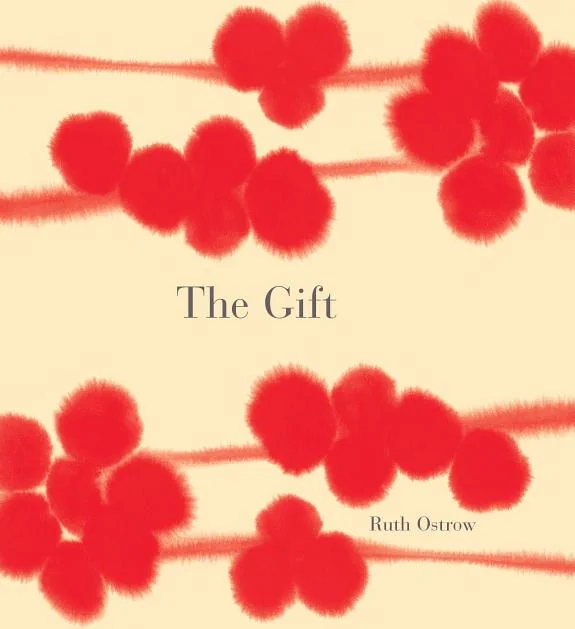
Gift, The
Ruth Ostrow’s *The Gift* offers a refreshing perspective on the often-arduous path of personal growth. Instead of the usual platitudes, Ostrow insists on the active engagement with life’s circumstances, particularly its difficulties, as the very source of spiritual development. Her argument that "everything that happens is a gift" is not a call for passive resignation but for a radical reinterpretation of adversity. A particularly potent idea is the concept of "sacred challenges," which are presented not as obstacles to be overcome, but as precisely calibrated opportunities for profound learning. While the book's earnestness can occasionally feel repetitive, its core message about cultivating an active, grateful consciousness is a powerful counterpoint to the often-fatalistic narratives of modern life. It’s a potent reminder that the alchemical work of transformation begins not with seeking external change, but with a fundamental shift in how we perceive the world presented to us.
📝 Description
73
Ruth Ostrow's 2011 book, The Gift, argues that all life events, especially difficulties, are opportunities for growth.
The Gift, published in 2011, proposes that life's occurrences should be seen as beneficial chances for growth and wonder, not passively received. Ostrow encourages readers to actively engage with their circumstances, particularly challenging ones, viewing them as catalysts for personal transformation and deeper understanding. The central idea is that by shifting one's perspective, even ordinary or difficult experiences can be recognized as valuable contributions to one's life.
This work is for individuals who want a more engaged relationship with their daily lives. It speaks to those feeling stuck or facing adversity, offering a method for spiritual and personal change. Readers interested in the connection between practical philosophy and daily living, especially those finding traditional self-help lacking in depth or spiritual foundation, will appreciate Ostrow's viewpoint.
Published in 2011, Ostrow's work emerged during a period of sustained interest in New Age spirituality and personal development. It aimed to move beyond superficial affirmations. While figures like Eckhart Tolle emphasized the present moment, Ostrow's focus was on actively creating magic from circumstances. The book responds to a culture often seeking external solutions by pointing inward to the transformative power of perception.
💡 Why Read This Book?
• You will learn to identify and unpack the inherent value in challenging situations, as Ostrow does when discussing "sacred challenges," moving beyond mere acceptance to active appreciation. • You will gain a practical framework for "creating magic" from everyday events, shifting your perception from passive observer to active participant in your life's unfolding narrative. • You will feel empowered to reframe your personal narrative, understanding how the specific year of the book's publication, 2011, situates its message within a broader context of existential inquiry.
⭐ Reader Reviews
Honest opinions from readers who have explored this book.
❓ Frequently Asked Questions
What is the central philosophy of Ruth Ostrow's *The Gift*?
The central philosophy is that all life events, especially difficulties, are "gifts" to be actively appreciated and utilized for personal growth and the creation of "magic" in one's existence.
When was *The Gift* by Ruth Ostrow first published?
Ruth Ostrow's *The Gift* was first published on August 1, 2011.
How does *The Gift* differ from typical self-help books?
Unlike many self-help books, *The Gift* emphasizes actively engaging with and transforming one's perception of circumstances, particularly challenges, rather than offering superficial solutions or affirmations.
What does Ostrow mean by "creating magic"?
Creating magic refers to the process of infusing ordinary or difficult experiences with a sense of wonder, purpose, and spiritual significance through a conscious shift in perspective.
Who is the intended audience for *The Gift*?
The book is for individuals seeking a deeper connection to their daily lives, those grappling with adversity, and anyone interested in the practical application of spiritual philosophy to everyday existence.
What is the significance of "sacred challenges" in the book?
"Sacred challenges" are presented as critical opportunities for profound spiritual advancement and self-realization, urging readers to view them not as burdens but as gifts.
🔮 Key Themes & Symbolism
Perception as Alchemical Tool
Ostrow posits that the external world's impact is mediated entirely by our internal perception. The "gift" is not the event itself, but the opportunity it presents to transform one's consciousness. This aligns with alchemical principles, where base metals (mundane experiences) are transmuted into gold (spiritual insight) through the application of a philosophical agent – in this case, conscious awareness and gratitude. The book encourages readers to actively "open the wrapping" of each experience, implying a deliberate act of inquiry and discovery rather than passive observation.
The Sacredness of the Ordinary
A core tenet of *The Gift* is the demystification of the sacred. Ostrow argues against the notion that spiritual significance is reserved for extraordinary moments. Instead, she posits that the mundane, the routine, and even the difficult are imbued with a "sacred" quality when viewed through the lens of conscious appreciation. This challenges conventional religious or spiritual frameworks that often relegate the divine to specific times, places, or events, suggesting instead that the immanent sacred is accessible in every breath and every encounter.
Embracing Adversity as Growth
The book specifically addresses "sacred challenges," reframing them not as punishments or mere obstacles, but as precisely calibrated opportunities for spiritual and personal evolution. This perspective moves beyond simplistic positive thinking to a more nuanced understanding of suffering as a catalyst. By "celebrating" these challenges, Ostrow suggests a form of spiritual resilience, where adversity becomes the very material from which one builds a more profound sense of self and a richer life experience. This mirrors certain stoic or Gnostic ideas about the necessity of struggle for wisdom.
Active Participation in Life
Ostrow urges readers to abandon a passive role in their own lives. The philosophy presented is one of active co-creation, where the individual is not merely subject to fate but is an active agent in shaping their reality through their response to it. The act of "opening the wrapping" and "creating magic" are metaphors for this proactive engagement. This emphasis on agency is crucial, suggesting that true spiritual freedom comes not from external liberation, but from the internal capacity to find meaning and purpose in whatever circumstances arise.
💬 Memorable Quotes
Direct passages from the work, attributed to the author.
“Everything that happens is a gift.”
— This foundational statement challenges the reader to abandon judgment and seek the inherent value or lesson within every experience, regardless of its apparent nature.
“I have but to open the wrapping covering my own life and celebrate.”
— This highlights the active role of the individual in discovering the meaning and joy within their life circumstances, emphasizing a conscious act of revelation and appreciation.
“This Book will compel you to look at your life anew...”
— Ostrow aims to fundamentally shift the reader's perspective, encouraging a radical re-evaluation of their daily existence and past experiences.
“...and to create magic from everything that happens...”
— This suggests that through a change in consciousness, even the mundane or difficult can be transformed into something wondrous and meaningful.
“...especially the sacred challenges that we confront in our day-to-day existence.”
— This specifically calls out adversity as a prime opportunity for spiritual growth and transformation, positioning difficulties as essential components of a meaningful life.
🌙 Esoteric Significance
Tradition
The work draws implicitly from traditions that emphasize the power of consciousness and subjective experience, such as Hermeticism's "As Above, So Below" principle and Gnostic ideas about the transformative potential of gnosis (knowledge) and perspective. It aligns with metaphysical philosophies that posit reality as mind-dependent, encouraging a radical internal shift rather than external manipulation. While not overtly tied to a specific lineage like Kabbalah or Theosophy, its focus on alchemy of the self and the sacredness of everyday experience places it within the broader spectrum of Western Esotericism's practical applications.
Symbolism
The central symbol is the "gift" itself, representing not just passive reception but an active process of unwrapping and discovery. The "wrapping" symbolizes the veil of ordinary perception that obscures the inherent value of an experience. "Magic" functions symbolically as the manifestation of spiritual insight and personal transformation in the material world, achieved through the alchemy of consciousness. "Sacred challenges" symbolize the crucible – the difficult but necessary conditions for spiritual refinement and growth, akin to the dark night of the soul in mystical traditions.
Modern Relevance
Ostrow's emphasis on conscious perception and finding meaning in adversity remains highly relevant. Contemporary thinkers and practitioners in fields like positive psychology, mindfulness-based stress reduction (MBSR), and even certain branches of existential therapy echo her themes. Her work can be seen as a precursor to modern discussions on post-traumatic growth and the cultivation of resilience. The idea of actively "creating magic" appeals to modern concepts of manifestation and intentional living, albeit grounded in a more philosophical and less purely declarative framework than some contemporary interpretations.
👥 Who Should Read This Book
• Individuals grappling with life's difficulties: Those facing adversity who seek not just comfort but a framework for understanding these challenges as essential catalysts for growth. • Seekers of deeper meaning in the mundane: Readers dissatisfied with superficial spiritual platitudes who desire a philosophy that imbues everyday existence with profound significance. • Aspiring practitioners of inner alchemy: Those interested in transforming their consciousness and reframing their reality, moving beyond passive observation to active participation and creation.
📜 Historical Context
Ruth Ostrow's *The Gift*, published in 2011, emerged into a spiritual landscape still heavily influenced by the self-help and New Age movements of the late 20th century. While figures like Eckhart Tolle, with his emphasis on presence, gained significant traction in the years prior, Ostrow's work distinguished itself by advocating not just for acceptance of the present, but for an active, almost alchemical transformation of one's perception of reality. The book can be seen as a counter-narrative to the often passive consumption of spiritual teachings, pushing instead for an engaged, participatory approach to life. It arrived at a time when the aftermath of the 2008 financial crisis also fostered a societal introspection about values and resilience. Unlike more academic philosophical texts or overtly religious doctrines, *The Gift* occupied a space focused on practical, everyday spiritual application. Its reception was largely within esoteric and personal development circles, seeking to offer a more robust philosophical underpinning than often found in mainstream wellness literature.
📔 Journal Prompts
The "gift" of a recent "sacred challenge": identify its perceived value.
The process of "opening the wrapping" of a routine experience: what hidden meaning emerges?
Creating "magic" from an ordinary moment: describe the intentional shift in perception.
Celebrating the present circumstance: list three elements of your current life you can acknowledge as gifts.
The nature of "day-to-day existence": how can it be viewed as inherently sacred?
🗂️ Glossary
Gift
In Ostrow's philosophy, not merely something received passively, but an opportunity inherent in every life event, particularly challenges, that serves as a catalyst for growth and deeper understanding.
Opening the wrapping
The active, conscious process of examining a life event or circumstance to discover its underlying meaning, value, or lesson, moving beyond surface appearances.
Creating magic
The alchemical transformation of ordinary or difficult experiences into sources of wonder, meaning, and spiritual significance through a conscious shift in perspective and attitude.
Sacred challenges
Adversities, difficulties, or trials encountered in daily life that are presented not as misfortunes, but as essential and valuable opportunities for profound spiritual development and self-realization.
Celebrate
To actively acknowledge and appreciate the value and significance of life's events, especially the difficult ones, fostering a positive and engaged relationship with one's existence.
Look at your life anew
To adopt a fresh, transformed perspective on one's experiences, relationships, and circumstances, thereby uncovering hidden meanings and possibilities.
Day-to-day existence
The totality of ordinary, routine, and ongoing life experiences, which Ostrow argues can be imbued with sacredness and profound meaning.
This book appears in 1 collection
🔮 Readers Also Liked
Browse all →








From the “Affirmations” Collection
View all →







More Free Occult Philosophy Books
View all →