Ghostly Scotland
 81
81

Ghostly Scotland
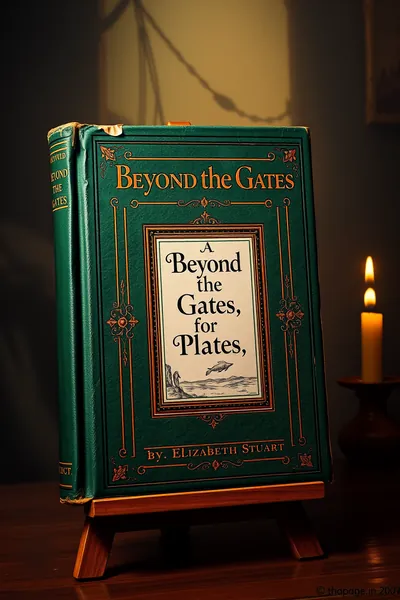
Gresham Publishing's *Ghostly Scotland* offers a surprisingly varied compendium of spectral encounters, moving beyond mere hauntings to include folkloric entities. The strength lies in its breadth; it catalogues everything from the classic 'white lady' of Scottish lore to more unsettling accounts of tortured souls and even cryptozoological spectral creatures. However, the collection occasionally suffers from a lack of deep analysis, presenting tales with a commendable factual tone but little critical examination of their origins or psychological impact. A passage detailing spectral hounds near Crieff, for instance, is vividly described but leaves the reader wanting more context on the specific beliefs that spawned such an image. The book provides a useful survey for enthusiasts of Scottish paranormal lore, though it functions more as a catalogue than a deep exploration.
📝 Description
81
Ghostly Scotland details apparitions and spectral phenomena beyond common ghost stories.
This volume compiles accounts of spectral phenomena across Scotland, moving beyond typical ghost tales to include a broader spectrum of the uncanny. It describes encounters with figures such as fairies, white ladies, and tormented spirits, alongside more menacing phantoms and unusual spectral creatures. These narratives originate from various Scottish locations, often in unexpected settings, inviting readers into a land rich with paranormal lore. The book is for those interested in folklore, the supernatural, and the less explained facets of Scottish history and culture. It appeals to individuals with an interest in psychical research, spectral entities, and the connection between myth and supposed reality. Readers looking for documented reports of ghostly events, from benevolent presences to more disturbing manifestations, will find ample material here. The work places its accounts within the historical context of Scotland's strong oral traditions and recorded paranormal experiences. Scotland, with its ancient castles, wide moors, and remote villages, has long been a fertile area for supernatural tales. The book draws on this deep reservoir of folklore, detailing phenomena that have been part of the Scottish consciousness for generations, revealing how these beliefs have endured.
Ghostly Scotland connects to the broader tradition of regional ghost lore and spiritualist investigations. It reflects a historical interest in cataloging and understanding encounters with the unseen, often rooted in local folklore and community beliefs. The book's focus on specific locations and types of entities aligns with the detailed documentation found in spiritualist literature and folkloric studies of the late 19th and early 20th centuries, periods when such phenomena were widely discussed and investigated. It offers a localized perspective within the larger global interest in the afterlife and spectral phenomena.
💡 Why Read This Book?
• Gain an understanding of Scotland's specific spectral taxonomy, from fairies to tortured souls, as detailed in the accounts of locations like Edinburgh Castle. • Explore the historical prevalence of paranormal belief in Scotland, examining how tales of white ladies have persisted across centuries of documented folklore. • Discover lesser-known spectral entities unique to Scottish lore, such as specific types of poltergeists or regional ghostly creatures, offering a nuanced view of the supernatural landscape.
⭐ Reader Reviews
Honest opinions from readers who have explored this book.
❓ Frequently Asked Questions
What types of ghostly entities are featured in Ghostly Scotland?
The book covers a wide spectrum, including fairies, white ladies, tortured souls, poltergeists, and unique ghostly creatures specific to Scottish folklore.
Does Ghostly Scotland focus on specific regions of Scotland?
Yes, while it offers a broad overview, it often references specific locales and settings across Scotland where these spectral occurrences have been reported.
Is Ghostly Scotland based on historical records or folklore?
The work draws from both historical accounts of alleged paranormal events and Scotland's rich tradition of folklore and legend.
Who is the author of Ghostly Scotland?
The book is attributed to Gresham Publishing Company Limited, with Lily Seafield as the credited compiler or author, first published in 2006.
What makes the spectral occurrences in Scotland unique according to the book?
The book suggests Scotland's landscape and deep historical roots have fostered a particularly dense and varied range of paranormal phenomena and entities.
Can readers expect scientific explanations for the phenomena?
No, the book focuses on documenting and presenting the unexplained, mystical, and ghostly occurrences rather than offering scientific rationalizations.
🔮 Key Themes & Symbolism
Scottish Spectral Diversity
The work meticulously catalogues the sheer variety of spectral and folkloric beings reported across Scotland. It moves beyond generalized hauntings to detail specific entities like the 'white lady' archetypes prevalent in Scottish lore, or the more elemental presence of fairies. This thematic focus highlights how Scotland’s unique cultural and geographical landscape has fostered a particularly rich and diverse spectrum of paranormal phenomena, distinguishing it from other regions.
The Landscape as a Conduit
A central theme is the notion that Scotland's ancient castles, wild moors, and remote villages act as conduits for spectral energy. The book implies that the very fabric of the Scottish environment, steeped in history and legend, is conducive to unexplained occurrences. This perspective suggests that paranormal events are not isolated incidents but are intrinsically linked to the specific geography and historical weight of the locations where they manifest.
Sensory Perception of the Unseen
The book emphasizes that detecting these spectral presences requires a certain sensitivity, whether through sight, sound, or other subtle sensory perceptions. It suggests that the ethereal realm is not entirely inaccessible but requires an openness or attunement from the observer. This theme invites readers to consider their own potential to perceive these phenomena, framing the act of reading as a preparatory step towards such awareness.
Folklore Meets Reported Phenomena
Ghostly Scotland bridges the gap between established Scottish folklore and contemporary reports of unexplained occurrences. It presents fairies and mythological creatures alongside accounts of tortured souls and poltergeists, treating them with a similar degree of earnest investigation. This approach allows for an exploration of how ancient myths continue to inform or manifest within modern alleged paranormal experiences.
💬 Memorable Quotes
Direct passages from the work, attributed to the author.
“Scotland has them all, ready for those who are willing to see them, hear them or sense their presence.”
— This statement frames the spectral inhabitants of Scotland not as passive remnants, but as active entities whose manifestation is contingent upon the observer's receptivity and sensitivity.
“unexplained, mystical, and ghostly occurrences from all over Scotland, sometimes in the most unlikely of settings.”
— This highlights the pervasive nature of the supernatural across Scotland, suggesting that these events are not confined to typical haunted locations but can emerge anywhere.
“a chilling insight into unexplained, mystical, and ghostly occurrences”
— This suggests the book offers a deep, perhaps unsettling, examination of paranormal events, aiming to provide illumination rather than mere superficial accounts.
“sometimes in the most unlikely of settings.”
— This points to the unexpected nature of spectral encounters, implying that the mundane or commonplace can become the site of extraordinary paranormal activity.
💡 Key Ideas
Editorial paraphrase of the work's core concepts — not direct quotes.
Fairies, white ladies, tortured souls, poltergeists, malevolent phantoms, ghostly creatures - Scotland has them all.
This quote serves as an inventory of the book's scope, emphasizing the broad and varied nature of the paranormal phenomena documented within its pages.
🌙 Esoteric Significance
Tradition
This work aligns with the broad tradition of Western esotericism that engages with ghosts and elemental spirits, often drawing from folkloric and animistic beliefs. While not explicitly tied to a specific lineage like Hermeticism or Kabbalah, it speaks to the Theosophical interest in various planes of existence and non-human entities. It reflects a belief in a layered reality where spectral beings inhabit a liminal space, interacting with the material world, a concept explored across many esoteric traditions.
Symbolism
The 'white lady' serves as a potent symbol of lingering sorrow, unresolved trauma, or ancestral memory, a recurring motif in ghost lore across cultures, often representing a feminine spirit bound to a location. Fairies, beyond their folkloric depiction, can be interpreted as representing elemental forces or nature spirits, beings connected to the land's intrinsic energies. Tortured souls symbolize the persistence of earthly suffering and unfinished business, acting as stark reminders of mortality and the potential for consciousness to persist beyond death.
Modern Relevance
Contemporary practitioners of witchcraft, modern animism, and ghost-hunting enthusiasts often draw upon such collections. The book's cataloguing of specific spectral types provides a framework for understanding and interacting with perceived energies or entities. Thinkers in paranormal research and those exploring liminal spaces in consciousness studies might find the diverse accounts useful for comparative analysis or as inspiration for exploring the boundaries of perception and reality.
👥 Who Should Read This Book
• Enthusiasts of Scottish history and folklore interested in the supernatural dimensions of the country's past. • Amateur investigators of paranormal phenomena seeking documented accounts and a broad overview of spectral types. • Readers of ghost stories and occult literature looking for a comprehensive collection of apparitions and unexplained occurrences.
📜 Historical Context
Published in 2006, *Ghostly Scotland* emerged during a period where interest in paranormal investigation and folklore remained strong, building on traditions established by earlier works. The early 20th century, particularly the period following World War I, saw a surge in psychical research and a fascination with spiritualism, influenced by figures like Sir Arthur Conan Doyle. While *Ghostly Scotland* itself might not directly engage with the Society for Psychical Research's rigorous methodologies, it taps into a continuous thread of interest in spectral phenomena that has permeated British culture. The book's approach, cataloguing diverse entities, can be seen as a modern iteration of the folkloric compilations that were popular in the late 19th and early 20th centuries, such as those by authors like Andrew Lang, who explored fairy lore. Unlike more academic approaches to folklore, this work prioritizes the experiential and the uncanny, reflecting a popular enduring appetite for tales of the supernatural.
📔 Journal Prompts
The diverse spectral entities catalogued in Scotland, from fairies to tormented souls.
Scotland's unique landscapes as potential loci for paranormal activity.
Personal sensory experiences that align with the book's description of perceiving the unseen.
The persistence of 'white lady' apparitions across different Scottish regions.
Connecting folkloric creatures like fairies to modern interpretations of elemental spirits.
🗂️ Glossary
White Lady
A common archetype of a female ghost, often associated with tragedy, lost love, or a specific historical event, frequently appearing in spectral white attire.
Fairies
In Scottish folklore, these can range from diminutive, mischievous beings to powerful, otherworldly entities, often connected to specific natural locations or ancient sites.
Tortured Souls
Spirits believed to be trapped in a state of suffering or anguish, often due to unresolved issues or violent deaths, manifesting as distressed apparitions.
Poltergeists
Noisy ghosts characterized by physical disturbances such as banging, moving objects, and other disruptive manifestations, often attributed to a living agent.
Malevolent Phantoms
Hostile or menacing spectral entities that are perceived as intentionally harmful or threatening to the living.
Ghostly Creatures
Unusual or non-human spectral apparitions that do not fit typical ghost classifications, potentially including spectral animals or unique regional entities.
Unlikely Settings
Locations where paranormal activity is not typically expected, contrasting with traditional haunted sites like castles or battlefields.
This book appears in 1 collection
🔮 Readers Also Liked
Browse all →
From the “Ley Lines” Collection
View all →

More Free Spiritualism & Afterlife Books
View all →