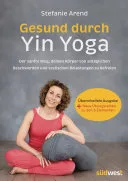
Gesund durch Yin Yoga
 80
80

Gesund durch Yin Yoga
Stefanie Arend’s Gesund durch Yin Yoga offers a direct, no-nonsense approach to harnessing the therapeutic benefits of Yin Yoga. The book’s strength lies in its clear connection between specific physical complaints—from bruxism to IBS—and tailored sequences. Arend avoids overly spiritual jargon, grounding the practice in tangible results. For instance, the section detailing sequences for menstrual pain is particularly well-articulated, offering practical relief strategies. However, the work occasionally feels more like a detailed manual than an exploration of deeper esoteric principles, which might leave some readers wanting more theoretical depth. The inclusion of the 2025 publication date is a concrete anchor. Arend’s pragmatic focus on self-healing through targeted postures is commendable, making this a valuable resource for those seeking immediate relief.
📝 Description
80
Stefanie Arend's 2025 book, Gesund durch Yin Yoga, details how passive stretching can activate the body's healing abilities.
Gesund durch Yin Yoga introduces readers to the therapeutic applications of Yin Yoga, a practice focused on long-held passive stretches that target deeper connective tissues. Stefanie Arend's work presents Yin Yoga not simply as a physical discipline but as a potent method for activating the body's innate self-healing capabilities. It offers practical sequences designed to address common ailments and imbalances. The book aims to guide individuals toward greater physical vitality and emotional equilibrium through mindful movement and breathwork.
This book is intended for individuals experiencing a range of physical discomforts and emotional stresses, such as teeth grinding, menstrual pain, depressive moods, muscle tension, or irritable bowel syndrome. It is suitable for both beginners seeking a gentle introduction to yoga for wellness and experienced practitioners looking to deepen their understanding of Yin Yoga's healing potential. Anyone interested in exploring the mind-body connection and harnessing natural methods for self-care will find value here.
While drawing on ancient yogic principles, Yin Yoga gained significant traction in the late 20th and early 21st centuries. Its emphasis on connective tissues and passive stretching contrasts with more dynamic styles. Arend's work emerges within a contemporary wellness movement that increasingly seeks holistic approaches to health, blending Eastern practices with Western scientific understanding of anatomy and physiology. The book's publication in 2025 places it within a tradition already shaped by figures like Paul Grilley and Sarah Powers, who were instrumental in popularizing Yin Yoga globally.
💡 Why Read This Book?
• Learn specific Yin Yoga sequences designed by Stefanie Arend to target ailments like teeth grinding or irritable bowel syndrome, drawing on her 2025 publication. • Discover how prolonged passive stretches, a core tenet of Yin Yoga, can stimulate your body's innate self-healing mechanisms for improved physical vitality. • Gain practical, actionable techniques for emotional and physical release that you can integrate into your daily life, moving beyond generic wellness advice.
⭐ Reader Reviews
Honest opinions from readers who have explored this book.
❓ Frequently Asked Questions
What kind of ailments does Gesund durch Yin Yoga address?
The book focuses on common everyday complaints such as teeth grinding, menstrual pain, depressive moods, muscle tension, and irritable bowel syndrome, offering specific Yin Yoga sequences for each.
Is Stefanie Arend's book suitable for yoga beginners?
Yes, the book is designed to be accessible to beginners while also offering depth for experienced practitioners interested in the therapeutic aspects of Yin Yoga.
When was Gesund durch Yin Yoga first published?
Gesund durch Yin Yoga was first published on September 10, 2025.
What is the core philosophy behind the Yin Yoga sequences in this book?
The core philosophy is to strengthen the body's self-healing powers by targeting connective tissues through long-held passive stretches, thereby promoting vitality and alleviating discomfort.
Does the book explain the energetic aspects of Yin Yoga?
While the book emphasizes the physical and emotional benefits, it touches upon energetic pathways, linking the practice to concepts of self-healing for mind and body.
Where does Stefanie Arend position Yin Yoga in relation to other yoga styles?
Arend presents Yin Yoga as a distinct practice focused on passive, long-held poses to affect deeper tissues, differentiating it from more dynamic yoga styles and highlighting its therapeutic potential.
🔮 Key Themes & Symbolism
Activating Self-Healing
The central theme is empowering individuals to tap into their innate capacity for healing. Arend posits that specific Yin Yoga postures, held for extended periods, can stimulate cellular repair and release blockages in the body's systems. This approach moves beyond symptomatic treatment, aiming to address root causes of discomfort by fostering a state of deep relaxation and facilitating the body's natural restorative processes. The book provides practical sequences designed to encourage this internal revitalization.
Mind-Body Connection
Gesund durch Yin Yoga underscores the intricate link between mental states and physical well-being. It illustrates how common ailments like depressive moods or chronic tension are often manifestations of unresolved stress or emotional patterns. By engaging in the mindful practice of Yin Yoga, readers are encouraged to become more attuned to their physical sensations and emotional responses, fostering a greater sense of integration and balance between mind and body.
Targeted Therapeutic Sequences
A significant focus is placed on creating and applying precise Yin Yoga sequences to address specific, often stubborn, physical complaints. The book maps particular yoga poses and routines to issues such as bruxism (teeth grinding), menstrual discomfort, or digestive problems like irritable bowel syndrome. This targeted methodology allows readers to select practices directly relevant to their needs, offering a structured path toward relief and improved bodily function.
Vitality and Pain-Free Living
The ultimate goal presented is the achievement of increased vitality and a life largely free from pain and discomfort. Through the consistent practice of the Yin Yoga methods outlined, readers are guided toward enhancing their physical resilience, improving joint health, and cultivating a sense of ease within their bodies. The emphasis is on sustainable well-being, enabling individuals to engage more fully and energetically in their daily lives.
💬 Memorable Quotes
Direct passages from the work, attributed to the author.
“Yin Yoga strengthens your body, making it more vital and capable, while also helping with many typical everyday complaints.”
— This statement captures the book's dual focus: enhancing overall physical capacity and providing targeted relief for common discomforts through the practice of Yin Yoga.
“Actively stimulate the self-healing of mind and body.”
— This phrase highlights the book's core methodology, suggesting that the reader is an active participant in their healing process, guided by the Yin Yoga techniques presented.
“Feel relaxed and pain-free again soon.”
— This offers a clear, outcome-oriented promise, indicating the desired result for the reader after engaging with the practices and sequences detailed in the book.
“Sequences to help with teeth grinding, period pain, depressive moods, tension, or irritable bowel syndrome.”
— This directly lists the specific physical and emotional challenges the book aims to address, showcasing its practical and problem-solving orientation.
“Strengthen your self-healing powers with Yin Yoga.”
— This concise phrase serves as a powerful tagline, emphasizing the empowering and restorative potential of the practice as presented by the author.
🌙 Esoteric Significance
Tradition
While not explicitly tied to a single esoteric lineage like Hermeticism or Gnosticism, Gesund durch Yin Yoga engages with the broader metaphysical concept of 'self-healing powers.' This aligns with vitalist philosophies prevalent in various esoteric traditions that posit an inherent life force or energy within the body capable of restoration. The book's emphasis on internal energetic flow and balance, stimulated through physical practice, echoes principles found in Taoism and certain branches of yogic philosophy, though Arend focuses on the practical, somatic outcomes.
Symbolism
The primary 'symbol' at play is the human body itself, viewed not just as a physical structure but as a dynamic system of interconnected tissues and energies. The prolonged stillness in Yin Yoga can be seen as a meditative practice, inviting introspection and awareness. Specific postures, though not necessarily imbued with overt symbolic meaning in Arend's text, function as conduits for releasing physical tension and energetic stagnation, symbolically representing the shedding of burdens or blockages to foster renewed vitality.
Modern Relevance
Today, Arend's approach appeals to the growing fields of somatic psychology and trauma-informed care, which emphasize the body's role in emotional regulation and healing. Practitioners of mindfulness-based stress reduction (MBSR) and those exploring functional movement therapies might find her practical, anatomy-aware sequences particularly relevant. The book also speaks to a contemporary audience seeking accessible, evidence-informed (or at least pragmatically oriented) methods for managing chronic stress and physical discomfort outside conventional medical paradigms.
👥 Who Should Read This Book
• Individuals experiencing chronic physical discomforts such as persistent muscle tension, joint stiffness, or digestive issues, seeking targeted, non-invasive relief strategies. • Yoga practitioners of all levels interested in deepening their understanding of Yin Yoga's therapeutic applications beyond basic flexibility and relaxation. • Wellness enthusiasts and self-care advocates looking for practical, actionable techniques to bolster their innate self-healing capabilities and improve overall vitality.
📜 Historical Context
Stefanie Arend's Gesund durch Yin Yoga (2025) enters the contemporary wellness landscape, a period marked by a surge in interest in holistic health practices and the mind-body connection. While Yin Yoga itself draws inspiration from ancient yogic traditions and Taoist principles, its modern popularization is largely attributed to figures like Paul Grilley and Sarah Powers in the late 20th and early 21st centuries. Arend's work builds upon this foundation, offering a practical, symptom-focused application of Yin Yoga within a health sector increasingly receptive to non-pharmacological interventions. The book’s 2025 publication date places it after the widespread establishment of Yin Yoga as a recognized therapeutic modality, potentially differentiating it by its specific focus on self-healing for common ailments rather than broader philosophical explorations.
📔 Journal Prompts
Yin Yoga sequences for specific complaints: Identify one ailment you experience and map it to a sequence described in the book.
The body's self-healing powers: Reflect on how stillness in Yin Yoga might activate your body's restorative processes.
Mind-body integration: How do the physical sensations experienced during a long-held Yin pose connect to your emotional state?
Vitality and pain-free living: Describe your ideal state of physical well-being and how Yin Yoga might help you achieve it.
Targeted therapeutic sequences: Choose one specific sequence from the book and outline your plan to practice it consistently.
🗂️ Glossary
Yin Yoga
A slow-paced style of yoga where poses are held for longer periods (typically 3-5 minutes or more) to target deeper connective tissues like fascia, ligaments, and joints, promoting flexibility and joint health.
Connective Tissue
The tissues that support, connect, or separate different types of tissue and organs in the body, including fascia, ligaments, tendons, and cartilage, which are the primary targets of Yin Yoga.
Self-Healing Powers
The innate biological and energetic capacity of the body to repair damage, fight disease, and restore balance and well-being without external intervention.
Fascia
A band or sheet of connective tissue, primarily collagen, beneath the skin that attaches, stabilizes, separates and 'contains' muscles and internal organs.
Vitality
The state of being strong, active, energetic, and healthy; a high level of physical and mental liveliness.
Sequences
A series or set of yoga poses arranged in a specific order, often designed to achieve a particular therapeutic effect or target specific areas of the body.
Bruxism
The medical term for involuntary grinding or clenching of teeth, often occurring during sleep or periods of stress.