Happy to Be Me
 83
83

Happy to Be Me
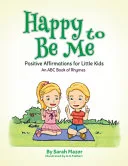
Sarah Mazor's *Happy to Be Me* offers a straightforward approach to building self-esteem in young boys, utilizing the alphabet as its structural backbone. The book's strength lies in its consistent application of rhyming affirmations, making abstract concepts of self-worth tangible and memorable for children. The pairing of these verses with illustrations is generally successful, creating a visually appealing experience. However, the rigid alphabetical structure, while a clever organizational tool, occasionally leads to affirmations that feel slightly forced or less impactful than others. For instance, the connection for 'X' might not be as immediately resonant as 'B' for 'Brave'. Despite this minor limitation, the book effectively delivers on its promise of positive reinforcement. The passage where 'I am intelligent' is presented with a child thoughtfully pondering a puzzle exemplifies the book's core intent. Ultimately, *Happy to Be Me* serves as a charming, if simple, tool for cultivating positive self-regard in its target audience.
📝 Description
83
Published in 2019, Happy to Be Me uses alphabet affirmations to build self-esteem in young boys.
Sarah Mazor's 2019 book, Happy to Be Me, presents 26 positive affirmations, one for each letter of the alphabet, designed to foster self-esteem in young boys. Each affirmation is crafted as a rhyming verse and accompanied by an illustration intended to capture a child's attention. The book establishes a straightforward framework that connects literacy with the development of a positive self-concept.
Its core principle is that repeated positive reinforcement, particularly through memorable formats like rhyme, can influence a child's inner voice and cultivate confidence. This makes it a resource for parents, guardians, and educators aiming to support a healthy self-image in children aged three to seven. The rhyming text and illustrations are accessible for early readers and children being read to, serving well for bedtime routines, classroom activities, or quiet moments.
Happy to Be Me was published in 2019, a time when attention to children's mental and emotional health was growing. Its focus on affirmations aligns with principles found in New Thought and early 20th-century self-help literature. These traditions often emphasized the mind's role in shaping experience. Mazor adapts these ideas into a simplified, child-friendly format, using rhyme and illustration to convey concepts of self-worth.
💡 Why Read This Book?
• You will learn a structured method for reinforcing self-worth in young boys, using the 26-letter alphabet as a memorable framework, as seen in the book's A-Z affirmation structure. • You will discover how simple rhymes and accompanying illustrations, like those found in *Happy to Be Me*, can make positive self-talk engaging for children aged 3-7. • You will gain practical techniques for fostering confidence through positive statements, a concept echoed from early 20th-century New Thought principles, adapted for contemporary early childhood development.
⭐ Reader Reviews
Honest opinions from readers who have explored this book.
❓ Frequently Asked Questions
What age range is Happy to Be Me best suited for?
Happy to Be Me is primarily designed for children aged approximately 3 to 7 years old. This age range aligns with critical periods of self-concept development, where consistent positive reinforcement can have a significant impact.
How does the book use the alphabet for affirmations?
Each of the 26 letters of the alphabet corresponds to a unique positive affirmation. For example, 'A' might be for 'Amazing', and 'B' for 'Brave', presented in rhyme.
Is Happy to Be Me a spiritual or religious book?
Happy to Be Me focuses on secular positive affirmations and self-esteem building, rather than specific spiritual or religious doctrines. Its aim is to foster a general sense of self-worth and confidence.
What is the main goal of the affirmations in the book?
The primary goal is to instill a positive self-image and build confidence in young boys. By repeating these affirmations, children are encouraged to internalize positive messages about themselves.
When was Happy to Be Me first published?
The book Happy to Be Me was first published on February 17, 2019.
Are there specific concepts from esoteric traditions in Happy to Be Me?
While not explicitly esoteric, the book's emphasis on the power of positive thought and affirmation echoes principles found in New Thought movements and early self-help literature, which have tangential connections to broader esoteric philosophies.
🔮 Key Themes & Symbolism
Alphabetical Affirmations
The core of the book lies in its unique structure: 26 positive affirmations, each tied to a letter of the alphabet. This systematic approach ensures a broad spectrum of self-affirming messages are presented. For instance, 'C' might stand for 'Creative', encouraging a child's imaginative capacities. This method makes the abstract concept of self-worth more concrete and easier for young minds to grasp. The alphabetical order provides a familiar scaffold, allowing children to engage with positive self-talk in a structured, progressive manner, reinforcing the idea that positive attributes are accessible and inherent.
Rhyme and Illustration Synergy
Happy to Be Me leverages the power of rhyme and illustration to enhance its message delivery. Each affirmation is crafted into a simple, memorable rhyme, making it more engaging and easier for children to recall. The accompanying illustrations are designed to visually represent the affirmation, providing a concrete image that reinforces the positive sentiment. This dual approach caters to different learning styles and strengthens the impact of the affirmations, ensuring that the messages of confidence and self-acceptance are both heard and seen, creating a more holistic and delightful reading experience.
Foundational Self-Esteem
The book's overarching theme is the cultivation of foundational self-esteem in young boys. It operates on the premise that early positive reinforcement can shape a child's internal narrative, fostering resilience and confidence. By associating letters with positive qualities like 'Kind' or 'Smart', the book subtly guides children to recognize and value these traits within themselves. This focus on building a strong sense of self-worth from an early age is crucial for navigating social interactions and future challenges, positioning the book as a tool for positive psychological development.
Early Childhood Education Tool
Beyond personal development, Happy to Be Me functions as a practical tool for early childhood education. Its alphabetical structure naturally supports literacy development, while the rhyming verses enhance language skills. Educators and parents can use the book to initiate conversations about emotions, self-perception, and positive behavior. The book's accessible format makes it suitable for group readings in preschools or kindergarten settings, or as a quiet reading activity at home, integrating character building with educational objectives in an enjoyable manner.
💬 Memorable Quotes
Direct passages from the work, attributed to the author.
“A is for Amazing, full of wonderful things.”
— This opening affirmation sets a tone of inherent value and potential. 'Amazing' suggests a child is extraordinary, while 'full of wonderful things' implies a richness of character and spirit waiting to be discovered and expressed.
“I am intelligent, my thoughts take flight.”
— This affirmation links cognitive ability with imagination. It encourages children to value their intellect and see their thoughts as powerful tools for exploration and creativity.
“K is for Kind, in all I do.”
— Focusing on empathy and compassion, this affirmation emphasizes the importance of kindness as a guiding principle for behavior. It promotes prosocial attitudes and understanding towards others.
“Z is for Zest, I love to play!”
— Concluding the alphabet, this affirmation captures enthusiasm and joy for life. It encourages children to embrace activities with energy and passion, celebrating the simple pleasure of play.
💡 Key Ideas
Editorial paraphrase of the work's core concepts — not direct quotes.
B is for Brave, strong and true.
This quote directly addresses courage and integrity. It reassures young boys that they possess the inner strength to face challenges and act with authenticity, fostering a sense of resilience.
🌙 Esoteric Significance
Tradition
While *Happy to Be Me* is primarily a secular children's book, its core mechanism—the use of affirmations—can be seen as a simplified echo of principles found in New Thought and modern psychological practices that have tangential links to esoteric thought. These traditions often explore the power of focused intention and the subconscious mind in shaping experience. The book's approach, emphasizing the direct, conscious repetition of positive statements to influence one's internal state and external reality, aligns with the Hermetic principle of 'Mentalism' – 'The All is Mind; The Universe is Mental.'
Symbolism
The most prominent symbol is the alphabet itself, representing order, structure, and the building blocks of language and thought. Each letter acts as a vessel for a specific positive quality, transforming abstract concepts like 'bravery' or 'kindness' into digestible, memorable symbols for children. The illustrations accompanying each affirmation serve as further symbolic anchors, visually reinforcing the intended message and making it more tangible for young minds, translating the unseen power of positive thought into concrete imagery.
Modern Relevance
In contemporary contexts, *Happy to Be Me* appeals to modern therapeutic practices, particularly Cognitive Behavioral Therapy (CBT) techniques that utilize reframing and positive self-talk. Thinkers and practitioners focused on positive psychology, mindfulness for children, and early intervention for mental well-being often employ similar strategies. Schools and parenting resources that prioritize emotional intelligence and building resilience in children find value in the book's straightforward approach to fostering a healthy self-concept.
👥 Who Should Read This Book
• Parents and guardians seeking concrete tools to build self-esteem in young boys, offering a structured, engaging method via the alphabet. • Early childhood educators looking for supplementary material to foster positive self-perception and language skills in preschool and kindergarten settings. • Therapists or counselors working with young children who could benefit from simple, accessible exercises in positive affirmation and self-worth.
📜 Historical Context
Published in 2019, Sarah Mazor's *Happy to Be Me* arrived during a period where discussions around children's mental health and emotional intelligence were gaining significant traction. The self-help and positive psychology movements, which had been influential since the late 20th century, saw their principles increasingly adapted for younger audiences. While not directly tied to major esoteric currents like Theosophy or Hermeticism, the book's premise—that positive affirmations can shape reality and self-perception—echoes concepts found in New Thought traditions, particularly those popularized by figures like Florence Scovel Shinn in the early 20th century. These traditions emphasized the mind's power over circumstances. In the broader field of children's literature, *Happy to Be Me* sits alongside a growing number of books aimed at fostering resilience and self-esteem, responding to parental and educational concerns about anxiety and confidence in children. It offers a simplified, accessible version of psychological principles, presented in a format suitable for very young readers, distinct from the more complex philosophical inquiries found in traditional esoteric texts.
📔 Journal Prompts
The affirmation 'B is for Brave' and its role in facing challenges.
Reflecting on the concept of 'Kindness' as presented in the book.
How the synergy of rhyme and illustration enhances the message of 'Zest'.
Connecting the idea of being 'Intelligent' with creative thought processes.
The foundational importance of affirmations like 'A is for Amazing' for young boys.
🗂️ Glossary
Affirmation
A positive statement, usually repeated, intended to challenge negative or unhelpful thoughts and promote self-esteem and well-being.
Self-Esteem
Confidence in one's own worth or abilities; self-respect. The book aims to build this foundation in young children.
Rhyme
Correspondence of sound between words or the endings of words, especially when these are used at the ends of lines of poetry or song. Used here to make affirmations memorable.
Illustration
A picture or drawing used to decorate or explain a book or other text. In this book, they visually reinforce the positive affirmations.
Positive Psychology
A field of psychology focused on the study and promotion of positive emotions, character strengths, and well-being.
New Thought
A spiritual movement that emerged in the United States in the 19th century, emphasizing the power of thought and belief to influence health, prosperity, and happiness.
Alphabetical Structure
An organizational method based on the sequence of letters in the alphabet, used in this book to present a series of affirmations.