Feng Shui Plain & Simple
 73
73

Feng Shui Plain & Simple
Sarah Bartlett's "Feng Shui Plain & Simple" lives up to its title by demystifying a practice often perceived as arcane. The book’s strength lies in its directness, offering clear instructions that bypass esoteric jargon. Bartlett skillfully guides readers through fundamental concepts like decluttering and the Bagua, presenting them as accessible tools for everyday life. A particularly effective section details how to use the Five Elements to balance a room, explaining that, for instance, the introduction of water features can represent career opportunities. However, the book's very simplicity might leave seasoned practitioners wanting more depth; it offers foundational knowledge rather than advanced applications. The limitation is that while it provides a solid starting point, it doesn't deeply explore the philosophical underpinnings or offer the nuanced remedies found in more comprehensive texts. Nonetheless, for anyone new to feng shui or seeking practical, immediate improvements to their environment, Bartlett's guide is a sensible and effective starting point.
📝 Description
73
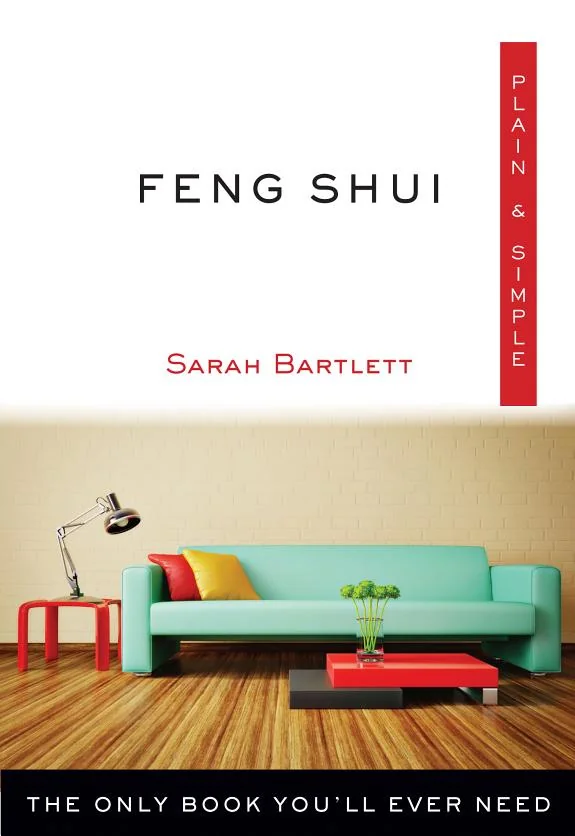
Sarah Bartlett's 2018 book, Feng Shui Plain & Simple, translates ancient Chinese spatial principles into actionable steps.
Feng Shui Plain & Simple, published in 2018, provides a practical guide to the Chinese art of harmonizing environments. Sarah Bartlett simplifies complex feng shui concepts into manageable actions designed to improve energy flow in living and working spaces. The book focuses on concrete methods for enhancing personal well-being, attracting good fortune, and fostering balance through thoughtful arrangement and decluttering.
This book is for anyone looking for accessible techniques to positively alter their surroundings and their lives. It is suitable for those new to feng shui or for practitioners who prefer a direct, less theoretical approach. Readers aiming to create more supportive home or office environments, reduce stress, or invite greater prosperity will find useful advice within its pages.
Feng shui, with roots stretching back thousands of years in Chinese culture, evolved through various dynasties and philosophical interpretations, notably influenced by Taoism and the concept of Qi, or vital energy. Bartlett's 2018 publication enters a modern context where Western interest in Eastern philosophies and holistic living has grown. This book contributes to contemporary discussions on applying these ancient spatial principles to modern lifestyles, aiming to create personal harmony through environmental arrangement.
💡 Why Read This Book?
• Learn to identify and rectify energetic imbalances in your home using the Bagua map, a technique rooted in ancient Chinese cosmology to enhance specific life areas like wealth and relationships. • Discover practical methods for decluttering your living space, understanding how to clear stagnant energy (Qi) to promote a more vibrant and supportive atmosphere. • Gain actionable insights into applying the Five Elements (Wood, Fire, Earth, Metal, Water) to harmonize your environment, creating balance and fostering well-being as outlined by Bartlett's straightforward approach.
⭐ Reader Reviews
Honest opinions from readers who have explored this book.
❓ Frequently Asked Questions
What is the Bagua and how is it used in Feng Shui Plain & Simple?
The Bagua, or number square, is a fundamental feng shui tool used to map out a space. In Sarah Bartlett's book, it's explained as an octagonal or square grid that corresponds to different aspects of life, such as wealth, health, and relationships, helping to identify areas for improvement within your home.
How does Sarah Bartlett explain the Five Elements in her book?
Bartlett details the Five Elements—Wood, Fire, Earth, Metal, and Water—and their interactions. The book explains how to use these elements and their corresponding colors and shapes to balance the energy in different areas of your home, promoting harmony and well-being.
Is Feng Shui Plain & Simple suitable for absolute beginners?
Yes, the book is specifically designed for beginners. It provides easy-to-understand explanations and practical, actionable tips, avoiding overly complex terminology and focusing on straightforward methods for improving your living space's energy.
What is the primary goal of applying feng shui according to this book?
The primary goal is to harmonize your living or working environment to enhance your personal energy, improve overall well-being, and invite good fortune and balance into your life. It focuses on creating supportive spaces through mindful arrangement and energy flow.
When was Feng Shui Plain & Simple first published?
Feng Shui Plain & Simple by Sarah Bartlett was first published in 2018, making it a relatively contemporary guide to the ancient practice of feng shui.
Does the book cover decluttering as a feng shui technique?
Yes, decluttering is a key technique discussed in Feng Shui Plain & Simple. The book explains how clearing physical clutter is essential for clearing energetic blockages and allowing positive energy (Qi) to flow freely through your home.
🔮 Key Themes & Symbolism
The Bagua Map
The Bagua, a central concept in feng shui, is presented as an accessible grid for analyzing and enhancing specific life areas within a home. Bartlett explains how this symbolic map, often overlaid on a floor plan, highlights sectors corresponding to wealth, fame, relationships, family, health, children, knowledge, career, and helpful people. By understanding which areas of a home fall into which Bagua sector, readers are guided on how to apply remedies and adjustments to improve the energy and outcomes associated with that life aspect.
The Five Elements
Bartlett elaborates on the Chinese concept of the Five Elements: Wood, Fire, Earth, Metal, and Water. This theme explores the productive and destructive cycles between these elements and how their presence (or absence) in a space influences its energetic balance. The book provides practical advice on incorporating these elements through colors, materials, and shapes to create harmony, resolve conflicts between elements, and support the desired energy for different areas of the home.
Qi and Energy Flow
A core theme is the cultivation and management of Qi, the vital life force energy. The book emphasizes that clutter and poor spatial arrangement obstruct the free flow of Qi, leading to stagnation and negative effects on well-being. Bartlett offers techniques for clearing blockages, encouraging positive energy circulation, and ensuring that the home environment supports rather than hinders the occupant's vitality and prosperity.
Decluttering for Energetic Clarity
This theme underscores the foundational importance of decluttering in feng shui practice. Bartlett explains that physical possessions directly impact the energetic field of a space. By systematically removing unwanted items and organizing belongings, readers can clear mental and emotional clutter, allowing for a fresh influx of positive energy and creating a more supportive and harmonious living environment.
💬 Memorable Quotes
Direct passages from the work, attributed to the author.
“Declutter to clear the energy in your home.”
— This concise statement expresses a fundamental principle of feng shui: that physical order directly translates to energetic clarity. It suggests that tidying up is not merely an aesthetic act but a crucial step in facilitating positive energy flow and improving the overall atmosphere of a space.
“Use the Chinese bagua (number square) to map out rooms to enhance energy.”
— This highlights the Bagua as a practical diagnostic tool. It implies that by understanding the spatial layout in relation to this ancient energetic map, one can identify specific areas needing attention to boost vitality and support different life aspirations.
“Employ the five elements to harmonize.”
— This points to the Five Elements (Wood, Fire, Earth, Metal, Water) as the key agents for balancing and optimizing environmental energy. It suggests that understanding their interactions allows for strategic application to create a more conducive and supportive living or working space.
“Bring good fortune and balance into your life.”
— This interpretation emphasizes the aspirational aspect of feng shui. It posits that by consciously arranging one's environment according to these principles, one can actively attract positive circumstances and cultivate a greater sense of equilibrium in daily life.
💡 Key Ideas
Editorial paraphrase of the work's core concepts — not direct quotes.
Improve your overall wellbeing.
This paraphrased concept underscores the direct link between environmental harmony and personal health. It suggests that applying feng shui principles isn't just about aesthetics but about creating spaces that actively contribute to a person's physical, mental, and emotional state.
🌙 Esoteric Significance
Tradition
Feng Shui originates from ancient Chinese Taoist philosophy and cosmology, focusing on the flow of Qi (vital energy). While not strictly fitting into Western esoteric lineages like Hermeticism or Kabbalah, it shares with them a concern for understanding unseen forces that influence the material world and human well-being. Bartlett's approach aligns with a modern, often eclectic, synthesis of Eastern spiritual practices, making ancient Chinese geomancy accessible within a broader metaphysical context.
Symbolism
Key symbols in feng shui, as likely explored in Bartlett's work, include the Bagua, an octagonal map representing universal principles and life areas, and the Five Elements (Wood, Fire, Earth, Metal, Water), which symbolize the fundamental energies and their cycles. The concept of Qi itself is symbolic of life force. These symbols are not merely decorative but are understood as dynamic forces that can be manipulated to influence environmental harmony and personal destiny.
Modern Relevance
Contemporary thinkers and practitioners in the wellness, interior design, and personal development fields continue to draw upon feng shui principles. Bartlett's accessible guide is relevant to modern life coaches, minimalist advocates, and anyone interested in creating supportive, energetically balanced living spaces. Its principles are often integrated into discussions on mindfulness, sustainable living, and creating restorative environments in an increasingly complex world.
👥 Who Should Read This Book
• Individuals new to feng shui seeking a clear, practical introduction without overwhelming theory. • Homeowners and renters interested in making tangible improvements to their living spaces to enhance well-being and attract positive energy. • Anyone exploring holistic approaches to personal development and environmental harmony, looking for actionable techniques rooted in ancient wisdom.
📜 Historical Context
Published in 2018, Sarah Bartlett's "Feng Shui Plain & Simple" enters a modern landscape where interest in Eastern philosophies and holistic practices has seen significant growth. Feng shui itself, originating in ancient China over 3,000 years ago, was deeply intertwined with Taoist cosmology, geomancy, and the concept of Qi. Its principles were historically applied to architecture, city planning, and interior design to ensure harmony with the natural world and promote prosperity. By the late 20th century, figures like Thomas Lin Yun and Lillian Too had already introduced various schools of feng shui, such as the Black Sect Tantric Buddhism (BTB) approach, to Western audiences. Bartlett's work, appearing in this established discourse, positions itself as a more accessible entry point, differentiating itself from denser, more academic or tradition-specific texts that might explore the nuances of the Form School or Compass School of feng shui in greater detail. The book reflects a contemporary desire for practical, actionable wisdom derived from ancient traditions, catering to a global audience seeking to improve their environments.
📔 Journal Prompts
The Bagua's influence on my home's career sector.
Energetic stagnation identified through decluttering efforts.
Balancing the Five Elements in my primary living space.
How Qi flow can be improved in my bedroom.
The symbolism of my entryway and its connection to helpful people.
🗂️ Glossary
Bagua
An energy map, typically octagonal or square, used in feng shui to divide a space into nine areas corresponding to different aspects of life (e.g., wealth, health, relationships). It helps analyze and enhance the energy of a home or room.
Qi (Chi)
The vital life force energy that flows through all living things and the environment. Feng shui aims to optimize the flow of Qi to promote health, prosperity, and well-being.
Five Elements
The fundamental components of the universe in traditional Chinese philosophy: Wood, Fire, Earth, Metal, and Water. They interact in cycles of creation and destruction, and their balance is crucial for harmonious environments.
Decluttering
The process of removing unnecessary, unused, or unwanted items from a space. In feng shui, it's a primary method for clearing stagnant energy and improving the flow of Qi.
Harmony
A state of balance and resonance within an environment, achieved through the proper arrangement of spaces and the integration of energies, leading to improved well-being.
Good Fortune
In the context of feng shui, this refers to auspicious circumstances, prosperity, and positive outcomes that can be invited into one's life through intentional environmental adjustments.
Space Alignment
The practice of arranging furniture, objects, and colors within a physical space according to feng shui principles to optimize energy flow and support the occupants' goals.
This book appears in 1 collection
🔮 Readers Also Liked
Browse all →









From the “Geomancy” Collection
View all →









More Free Occult Philosophy Books
View all →