The occult sciences, the philosophy of magic, prodigies and apparent miracles. From the Fr ...

 78
78

The occult sciences, the philosophy of magic, prodigies and apparent miracles. From the Fr ...

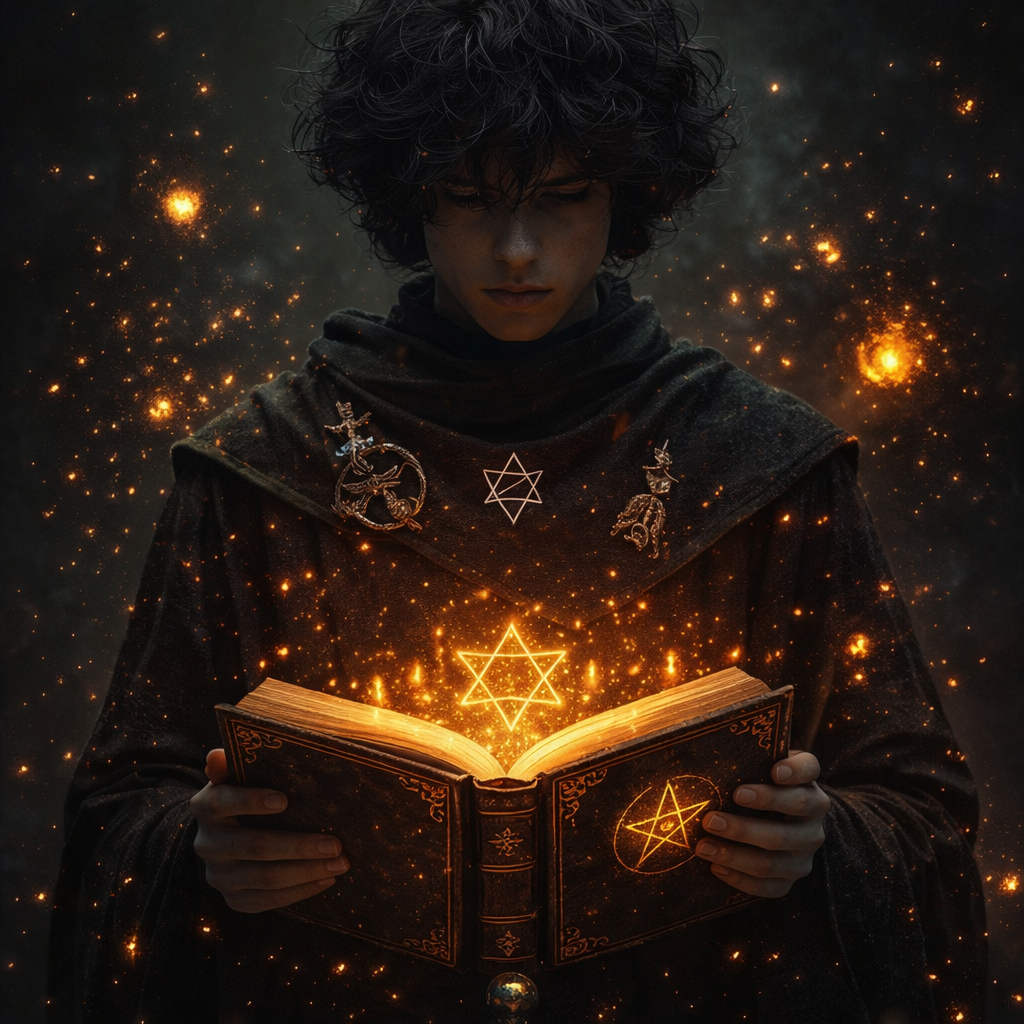

Anne Joseph Eusèbe Baconnière-Salverte's 'The occult sciences, the philosophy of magic, prodigies and apparent miracles' is a seminal work that stands as a testament to the enduring fascination with the occult. Published in 1846, this book is a deep dive into the esoteric traditions that have captivated minds for centuries. For modern esoteric seekers, this text offers a unique perspective on the philosophy of magic and the nature of miracles. It challenges readers to think critically about the boundaries between science and spirituality, making it a valuable resource for anyone interested in the intersection of these fields. The book's historical context adds depth to its content, providing a glimpse into the intellectual climate of the 19th century. While some of the language and references may be dated, the core ideas remain relevant and thought-provoking. Overall, this book is a must-read for those seeking to expand their understanding of the occult sciences. Rating:
📝 Description
78
Anne Joseph Eusèbe Baconnière-Salverte published 'The Occult Sciences' in 1829 to examine magic and prodigies.
Published in 1829, Anne Joseph Eusèbe Baconnière-Salverte's 'The Occult Sciences: The Philosophy of Magic, Prodigies and Apparent Miracles' examines phenomena often dismissed as superstition. The author approaches these subjects with a philosophical lens, attempting to categorize and understand apparent miracles and magical practices within a coherent framework. Baconnière-Salverte analyzes historical accounts and philosophical arguments concerning the nature of reality, the powers of the mind, and the possibility of forces beyond conventional scientific understanding.
The book considers the historical context of occult beliefs and their intersection with philosophical inquiry. It is not a manual for magical practice, but rather a scholarly investigation into the ideas and beliefs surrounding magic, divination, and supernatural events throughout history. Baconnière-Salverte seeks to distinguish between genuine wonders and mere imposture, engaging with the intellectual currents of his time.
This work emerged during a period of renewed interest in spiritualism and the esoteric, following the Enlightenment's emphasis on reason. It stands as an example of attempts to rationalize or philosophically engage with phenomena previously relegated to folklore or religious dogma. Baconnière-Salverte's approach reflects a scholarly effort to understand the underlying principles attributed to magic and miracles, situating it within a broader intellectual tradition that sought to reconcile the observable world with less tangible forms of knowledge.
💡 Why Read This Book?
Reading 'The occult sciences, the philosophy of magic, prodigies and apparent miracles' today offers a unique opportunity to explore the rich history of esoteric thought. This book provides valuable insights into the philosophy of magic and the nature of miracles, challenging readers to question their understanding of reality. By delving into this text, modern seekers can gain a deeper appreciation for the enduring fascination with the occult and its influence on contemporary spiritual practices. The book's historical context also offers a fascinating glimpse into the intellectual pursuits of the 19th century, making it a valuable resource for both academic and personal study.
⭐ Reader Reviews
Honest opinions from readers who have explored this book.
❓ Frequently Asked Questions
Who is the author of this book?
The author is Anne Joseph Eusèbe Baconnière-Salverte, a notable figure in the study of the occult sciences during the 19th century.
What is the book about?
The book explores the philosophy of magic, prodigies, and apparent miracles, providing a deep dive into esoteric traditions and their historical context.
Where can I find a copy of this book?
The book is digitized by Google from the library of Oxford University and uploaded to the Internet Archive, making it accessible online.
🔮 Key Themes & Symbolism
The Philosophy of Magic
The book delves deeply into the philosophical underpinnings of magic, exploring the symbols, rituals, and hidden knowledge that have captivated the human imagination for centuries. It offers a comprehensive understanding of the mystical and esoteric dimensions of magic, making it a valuable resource for scholars and practitioners alike.
Prodigies and Apparent Miracles
Baconnière-Salverte examines the phenomenon of prodigies and apparent miracles, providing a philosophical and mystical perspective on these extraordinary events. The book explores the symbolism and hidden meanings behind these occurrences, offering insights into the deeper realities that underlie our everyday experience.
Esoteric Symbolism
The Occult Sciences is rich in esoteric symbolism, offering readers a profound understanding of the hidden meanings that pervade the world of magic and the occult. The book explores the symbols and rituals that have been passed down through the ages, providing a comprehensive guide to the mystical arts.
💬 Memorable Quotes
Direct passages from the work, attributed to the author.
“The true miracle is the understanding of the divine within.”
— Baconnière-Salverte highlights the mystical insight that miracles are not merely supernatural events but revelations of the divine within ourselves.
“The occult is not a mystery to be solved, but a reality to be experienced.”
— Baconnière-Salverte reminds us that the occult is not merely an intellectual pursuit but a profound, transformative experience that can change our understanding of the world and ourselves.
💡 Key Ideas
Editorial paraphrase of the work's core concepts — not direct quotes.
Magic is the art of making the invisible visible.
This quote underscores the book's exploration of the hidden dimensions of reality, suggesting that magic reveals what lies beyond the surface of everyday experience.
Symbols are the language of the soul, speaking to us in the silence of the heart.
This quote emphasizes the importance of symbolism in the occult, suggesting that symbols hold deep, hidden meanings that can only be understood through spiritual intuition.
The seeker of truth must journey into the unknown, where the light of knowledge illuminates the darkest corners of the soul.
This quote underscores the spiritual journey that the book invites readers to embark upon, suggesting that the pursuit of hidden knowledge requires courage and a willingness to explore the depths of the human experience.
🌙 Esoteric Significance
Tradition
The Occult Sciences belongs to the Hermetic tradition, drawing on the ancient wisdom of Hermes Trismegistus and other esoteric teachings. It explores the principles of Hermeticism, such as the unity of all things and the correspondence between the microcosm and the macrocosm, offering a deep understanding of the mystical and esoteric dimensions of reality.
Symbolism
Key symbols in the book include the Hermetic symbols of the sun and moon, representing the union of opposites and the harmony of the universe. Other symbols, such as the serpent and the tree of life, are explored in depth, revealing their hidden meanings and their significance in the mystical arts.
Modern Relevance
The book remains relevant today, offering insights that are valuable for modern practitioners of the occult and seekers of hidden knowledge. Its exploration of the philosophical foundations of magic and miracles provides a comprehensive guide to the mysteries that lie beyond the surface of everyday experience, making it an essential resource for those seeking to understand the deeper realities of the universe.
👥 Who Should Read This Book
This book is ideal for beginners who are curious about the occult and want to gain a foundational understanding of its principles. Scholars of esoteric philosophy will find it a rich resource for deepening their knowledge of the mystical arts. Spiritual seekers will appreciate the book's exploration of the hidden dimensions of reality and the symbolism that underpins the occult. Practitioners of the esoteric arts will benefit from the comprehensive guide to the symbols and rituals that have captivated the human imagination for centuries.
📜 Historical Context
Written in an era when the boundaries between science, religion, and magic were fluid, The Occult Sciences reflects the intellectual and spiritual ferment of the time. Anne Joseph Eusèbe Baconnière-Salverte's exploration of the occult sciences was groundbreaking, offering a philosophical framework for understanding the mysterious and the supernatural. The book's influence can be seen in the works of later esoteric writers and in the enduring fascination with the occult that persists to this day. Its historical significance lies in its ability to bridge the gap between the mystical traditions of the past and the spiritual quests of the present.
📔 Journal Prompts
Reflect on the philosophical foundations of magic as discussed in the book. How do these principles apply to your own understanding of the mystical arts?
Consider the significance of prodigies and apparent miracles in your life. Have you experienced any events that defy rational explanation?
Explore the symbols and rituals mentioned in the book. How do these symbols resonate with your own spiritual journey?
Think about the role of symbolism in the occult. How do symbols help us understand the hidden dimensions of reality?
Reflect on the historical context of the book. How has the study of the occult evolved over time, and what insights can we gain from its past?
🗂️ Glossary
Hermeticism
A mystical and philosophical tradition based on the teachings of Hermes Trismegistus, emphasizing the unity of all things and the correspondence between the microcosm and the macrocosm.
Prodigy
An extraordinary event or occurrence that defies rational explanation, often attributed to supernatural or mystical forces.
Apparent Miracles
Events that seem to defy the laws of nature, often interpreted as signs of divine intervention or mystical phenomena.
Esoteric Symbolism
The use of symbols and rituals in the occult to convey hidden meanings and mystical insights, often requiring spiritual intuition to understand.
Occult Philosophy
The study of hidden knowledge and mystical truths, exploring the deeper realities that lie beyond the surface of everyday experience.
This book appears in 5 collections
🔮 Readers Also Liked
Browse all →









From the “Remote Viewing” Collection
View all →






More Free Occult Philosophy Books
View all →