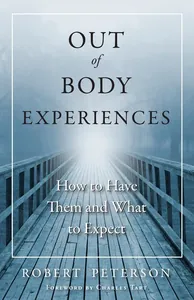
Aromathérapie

 79
79

Aromathérapie
Jean Valnet's Aromathérapie presents a meticulously researched survey of essential oil therapeutics, a departure from the more impressionistic writings that often characterize the field. Its strength lies in its encyclopedic detail and clinical orientation, stemming directly from Valnet's wartime medical practice. The author’s systematic approach to cataloging plant essences, their chemical makeup, and their specific medicinal applications is commendable. However, for readers unfamiliar with advanced chemistry or medical terminology, certain sections might prove dense. A notable passage details the potent antibacterial action of thyme oil, highlighting its thymol content as crucial for its efficacy. While comprehensive, the book's original publication date means some recent discoveries in phytochemistry or synergistic combinations may not be reflected. Nevertheless, it remains an authoritative reference for serious students of aromatherapy.
📝 Description
79
Jean Valnet's Aromathérapie, first published in 1984, details the therapeutic uses of essential oils.
Jean Valnet's Aromathérapie, published in 1984, examines the medicinal applications of essential oils. The book moves beyond their use in perfumes to describe the therapeutic properties of plant essences, including their chemical makeup and effects on the body. Valnet systematically categorizes aromatic plants, listing their specific applications, recommended dosages, and any contraindications.
This work serves as a thorough reference for both the scientific understanding and practical use of these botanical extracts. It is particularly useful for aromatherapists, herbalists, naturopaths, and medical professionals looking to incorporate natural treatments into their practices. Researchers in phytochemistry and pharmacology interested in the history of essential oil therapies will also find it valuable. The book appeals to those who seek a scientific basis for plant-based medicine and appreciate detailed research.
While Valnet's work is often framed within modern scientific aromatherapy, it draws upon a long history of plant-based healing traditions. His systematic approach, however, shifted the focus from purely empirical or spiritual applications to a more clinical and chemical understanding. This transition reflects a broader movement in the 20th century to integrate traditional herbal knowledge with emerging scientific methods, making his research a bridge between older practices and contemporary phytotherapy.
💡 Why Read This Book?
• Learn about the specific chemical components, such as thymol in thyme oil, that confer therapeutic properties, allowing for informed application based on Valnet's 1984 research. • Understand the historical significance of Valnet's work, particularly his wartime medical applications of essential oils, offering a unique perspective on their therapeutic potential. • Discover detailed protocols for using specific essential oils for a range of ailments, providing practical guidance grounded in extensive case studies and research presented in the book.
⭐ Reader Reviews
Honest opinions from readers who have explored this book.
❓ Frequently Asked Questions
What is the primary focus of Jean Valnet's Aromathérapie?
The book's primary focus is the therapeutic and medicinal application of essential oils. It details their chemical properties, physiological effects, and practical uses for treating various health conditions, moving beyond simple perfumery.
When was Aromathérapie first published and why is that significant?
Aromathérapie was first published in 1984. This date is significant as it represents a comprehensive, systematic approach to aromatherapy at a time when interest in natural medicine was growing, building upon earlier foundational work.
What kind of evidence does Valnet present for the efficacy of essential oils?
Valnet presents evidence based on his clinical observations, particularly his experiences treating soldiers during World War II. He also references chemical analyses of essential oils and their known medicinal properties, aiming for a scientific basis.
Does the book cover the safety and contraindications of essential oils?
Yes, the book addresses safety concerns and contraindications. Valnet details appropriate dosages, methods of application, and potential adverse effects for specific oils, emphasizing the importance of purity and correct usage.
Who would benefit most from reading Aromathérapie?
Professionals such as aromatherapists, herbalists, naturopaths, and healthcare practitioners seeking a scientific and detailed reference would benefit most. Students of phytochemistry and serious practitioners of natural medicine will also find it invaluable.
Are essential oil extraction methods discussed in Aromathérapie?
Yes, the book touches upon extraction methods. Valnet discusses the importance of purity and the processes used to obtain high-quality essential oils, which he considers crucial for their therapeutic effectiveness.
🔮 Key Themes & Symbolism
Phytochemical Basis of Therapeutics
Valnet's work meticulously links the therapeutic actions of essential oils to their specific chemical constituents. He details compounds like phenols (e.g., thymol in thyme oil), terpenes, and esters, explaining how their molecular structure dictates their physiological effects, such as antiseptic or anti-inflammatory properties. This approach grounds aromatherapy in scientific understanding, moving it from folk remedy to a more evidence-based practice. The book underscores that the potency and effectiveness of an oil are directly tied to its precise chemical fingerprint.
Clinical Application and Case Studies
A significant portion of Aromathérapie is dedicated to the practical, clinical application of essential oils, drawing heavily from Valnet's experiences treating soldiers during the Second World War. He outlines specific protocols for using oils to manage infections, wounds, burns, and psychological distress. The book serves as a guide for practitioners, detailing appropriate dosages, methods of administration (inhalation, topical application, ingestion where applicable), and expected outcomes, providing a robust framework for therapeutic intervention.
Quality Control and Purity
Valnet places immense importance on the quality and purity of essential oils used for therapeutic purposes. He discusses how factors like plant species, growing conditions, harvest time, and extraction methods (e.g., steam distillation) influence the final product's chemical profile and efficacy. The book implicitly warns against adulterated or synthetic oils, stressing that only pure, unadulterated essences can deliver the promised medicinal benefits. This emphasis on quality is fundamental to his scientific approach.
Synergistic Blending Principles
While focusing on individual oils, Valnet also explores the concept of synergistic blending, where combinations of essential oils can produce enhanced or broader therapeutic effects than any single oil alone. He describes how different oils, with complementary chemical properties and actions, can be combined to create potent formulations for specific conditions. This aspect of the work highlights a sophisticated understanding of how botanical essences interact within the body.
💬 Memorable Quotes
Direct passages from the work, attributed to the author.
“Essential oils are powerful medicinal agents.”
— This statement captures Valnet's core thesis: that the aromatic essences derived from plants are not mere fragrances but potent substances with significant physiological impact, capable of treating disease and promoting health.
“The chemical composition dictates the therapeutic action.”
— This highlights Valnet's scientific approach, emphasizing that understanding the specific molecules within an essential oil is key to predicting and utilizing its medicinal effects accurately.
“Purity is paramount for therapeutic efficacy.”
— Valnet stresses that the effectiveness of aromatherapy relies heavily on the quality of the essential oils used, cautioning against adulterated products and advocating for pure, unadulterated botanical extracts.
“My wartime experiences confirmed the value of aromatherapy.”
— This refers to Valnet's foundational clinical work during WWII, where he utilized essential oils to treat soldiers' injuries and infections, solidifying his belief in their therapeutic power through practical application.
“Aromatic plants offer a vast pharmacopoeia.”
— This suggests that the plant kingdom, specifically through its essential oils, provides an extensive and diverse range of natural substances that can be employed for medicinal purposes, akin to a traditional pharmacy.
🌙 Esoteric Significance
Tradition
While not strictly aligned with a single esoteric lineage like Hermeticism or Kabbalah, Valnet's work draws heavily from the Western tradition of plant-based medicine and alchemy, which views plants as holding potent vital forces. His systematic approach to identifying and isolating active principles can be seen as a modern manifestation of alchemical separation and refinement, seeking to harness the 'quintessence' of plants. It bridges empirical observation with an implicit understanding of the vital energies inherent in nature, a concept often explored in esoteric traditions.
Symbolism
The essential oil itself symbolizes the concentrated essence or 'spirit' of the plant, distilled from its physical form. The act of extraction is akin to an alchemical process, separating the volatile, potent principle from the gross matter. Specific plants carry their own symbolic weight within various traditions: lavender, for instance, often symbolizes purification and peace, while rosemary is associated with remembrance and clarity. Valnet's focus on these properties connects the material (chemical composition) with the immaterial (perceived energetic or psychological effects).
Modern Relevance
Valnet's Aromathérapie remains a starting point for contemporary aromatherapists and researchers seeking a scientifically rigorous foundation. Modern practices in clinical aromatherapy, psychoneuroimmunology, and even some areas of pharmaceutical research into natural products trace their lineage back to his foundational work. Thinkers and practitioners who emphasize evidence-based natural medicine and the pharmacological potential of botanicals frequently cite or build upon the principles laid out in his comprehensive text.
👥 Who Should Read This Book
• Aspiring and practicing aromatherapists seeking a detailed, scientifically-oriented reference guide to essential oil therapeutics, moving beyond basic recipes. • Herbalists and naturopaths interested in expanding their knowledge of plant-based remedies with a focus on concentrated botanical essences and their specific actions. • Researchers in phytochemistry, pharmacology, and complementary medicine looking for a historical and comprehensive overview of essential oil applications grounded in clinical observation.
📜 Historical Context
Jean Valnet's Aromathérapie, published in 1984, emerged within a post-World War II era marked by a growing disillusionment with synthetic pharmaceuticals and a renewed interest in natural healing modalities. While pioneers like René-Maurice Gattefossé had already established the term 'aromatherapy' decades earlier, Valnet's work provided a crucial, systematic, and clinically grounded foundation. His extensive research, partly inspired by his own experiences using essential oils to treat wounded soldiers during the war, offered a scientific perspective that distinguished it from purely anecdotal accounts. This period also saw advancements in analytical chemistry, allowing for a more precise understanding of the complex chemical constituents within essential oils, a development reflected in Valnet's detailed analyses. His approach contrasted with the more spiritual or purely intuitive methods sometimes associated with earlier herbalism, aligning it more closely with conventional medical inquiry, though it remained on the fringes of mainstream acceptance.
📔 Journal Prompts
The specific therapeutic actions of essential oils as detailed by Valnet.
Valnet's wartime experiences and their influence on his understanding of aromatherapy.
The importance of essential oil purity for medicinal outcomes.
How chemical constituents like thymol correspond to observed effects.
The concept of synergistic blending in aromatherapy practice.
🗂️ Glossary
Essential Oil
A concentrated, volatile hydrophobic liquid containing characteristic aromatic compounds from a plant. Obtained through methods like steam distillation or cold pressing, it represents the plant's 'essence'.
Phytochemistry
The study of the chemical compounds produced by plants. In aromatherapy, it focuses on identifying the active constituents of essential oils and their therapeutic properties.
Steam Distillation
A common method for extracting essential oils from plant material. Steam passes through the plant matter, vaporizing the volatile compounds, which are then condensed back into liquid form.
Synergy
In aromatherapy, the interaction of two or more essential oils to produce a combined effect greater than the sum of their individual effects.
Therapeutic Index
A measure of the safety and efficacy of a substance, indicating the range between an effective dose and a toxic dose. Valnet implies its importance for essential oils.
Volatile Compounds
Chemical substances that readily evaporate at room temperature. Essential oils are composed primarily of these compounds, contributing to their aroma and therapeutic effects.
Antiseptic
A substance that inhibits the growth of microorganisms on living tissue. Many essential oils, like tea tree and thyme, exhibit strong antiseptic properties.
🔮 Readers Also Liked
Browse all →








More by Jean Valnet
All books →
More Free Occult Philosophy Books
View all →