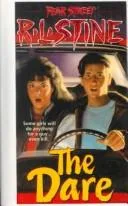
Fear Street - The Dare
 81
81

Fear Street - The Dare
R.L. Stine's *Fear Street: The Dare* delivers precisely what its title suggests: a relentless descent into a dangerous game of adolescent bravado. The novel excels at crafting a palpable sense of dread, particularly in its early chapters where the stakes are established with chilling efficiency. The pacing is brisk, ensuring readers remain engaged as the dare escalates from a minor challenge to a fight for survival. A notable strength is Stine's knack for planting seeds of suspicion among the friends, making the reader question who is truly behind the escalating terror. However, the character development, while sufficient for the genre, remains somewhat superficial, serving more as archetypes for the horror to play upon rather than deeply realized individuals. The plot, while engaging, relies on a predictable structure for its resolution. Despite these limitations, *The Dare* remains an effective, pulse-pounding read for its intended audience, offering a solid example of teen horror from the 1990s.
📝 Description
81
Published in 1992, R.L. Stine's 'Fear Street: The Dare' pits teenagers against escalating supernatural threats.
This young adult horror novel from the Fear Street series centers on a group of friends who accept a dangerous dare. The story accelerates as their challenge leads them into increasingly perilous situations. Stine builds suspense through a series of escalating dangers and surprising turns, typical of his writing style.
The book targets readers aged 12 to 16 who enjoy suspenseful horror with teen protagonists. It offers thrilling plots and a pervasive sense of dread. Readers familiar with Stine's 'Goosebumps' will recognize a similar approach, though 'Fear Street' deals with more intense scenarios and a slightly older audience.
'The Dare' emerged during a peak in young adult horror fiction, a genre R.L. Stine helped define. He launched the Fear Street line in 1989 as a darker alternative to his 'Goosebumps' books. This period saw a rise in teen-focused thrillers, with authors like Christopher Pike also finding success.
Within the young adult horror tradition, 'Fear Street: The Dare' explores adolescent anxieties through supernatural events. The series positioned itself as a more mature counterpart to children's horror, addressing darker themes and moral quandaries relevant to teenagers. This approach tapped into a growing market for edgier content, allowing for explorations of fear, consequence, and the unknown in a format accessible to younger readers.
💡 Why Read This Book?
• You'll experience the specific brand of escalating dread R.L. Stine perfected in the 1990s, as seen in the rapid escalation of the dare's consequences, which began with a simple challenge. • You will encounter the exploration of peer pressure and its extreme outcomes, a central theme where the characters' choices in the face of dares directly impact their survival. • You can examine the trope of the haunted or malevolent location, a key element that amplifies the danger beyond the human antagonists in the narrative.
⭐ Reader Reviews
Honest opinions from readers who have explored this book.
❓ Frequently Asked Questions
Is "Fear Street: The Dare" part of a larger series?
Yes, "Fear Street: The Dare" is part of the extensive *Fear Street* series, authored by R.L. Stine. The series began in 1989 and features numerous interconnected and standalone novels set in the fictional town of Shadyside.
What is the original publication year of "Fear Street: The Dare"?
The book was first published in 1992, a period when R.L. Stine's young adult horror novels were exceptionally popular.
Who is the author of "Fear Street: The Dare"?
The author is Robert Lawrence Stine, widely recognized for his prolific work in the horror genre for young adults, including the *Goosebumps* and *Fear Street* series.
What age group is "Fear Street: The Dare" typically recommended for?
It is generally recommended for young adults, typically ages 12 to 16, who enjoy suspenseful and mildly frightening stories.
Does "Fear Street: The Dare" have supernatural elements?
While the core of the story focuses on human-driven danger and peer pressure, the *Fear Street* series often incorporates supernatural or unexplained phenomena that contribute to the horror.
What are the main themes in "Fear Street: The Dare"?
The main themes include the consequences of reckless dares, peer pressure among teenagers, friendship, and survival against escalating threats.
🔮 Key Themes & Symbolism
The Peril of Dares
The narrative centers on a dangerous dare initiated by teenagers. This theme is explored not merely as a plot device but as a catalyst for examining adolescent impulsivity and the often-unforeseen consequences of seeking thrills. The dare itself becomes a symbol of the characters' descent into a terrifying reality, moving from a game to a fight for survival. The escalating nature of the challenges highlights how quickly a foolish decision can spiral out of control, leading characters into situations far beyond their initial intentions.
Peer Pressure and Friendship Dynamics
A significant aspect of the book is the exploration of peer pressure within a group of friends. The characters feel compelled to participate in the dare due to the expectations and influence of their peers, testing the bonds of their friendships. The narrative questions the nature of loyalty when faced with fear and danger, as characters must decide whether to uphold their commitments or prioritize their safety. This dynamic reveals the complex social pressures inherent in teenage relationships.
Survival Against Unknown Threats
The book examines the primal instinct for survival as the protagonists face increasingly dire circumstances. The threats they encounter are not always clearly defined, creating an atmosphere of suspense and paranoia. This unknown element forces the characters to confront their deepest fears and rely on their wits to escape danger. The setting itself, characteristic of the *Fear Street* series, often contributes to the sense of being trapped and vulnerable.
Consequences of Reckless Behavior
Fundamentally, , *The Dare* serves as a cautionary tale about the repercussions of impulsive actions. The characters' initial bravado and willingness to take risks lead them down a dark path. The book illustrates how a single, ill-advised decision can have catastrophic effects, impacting not only the individuals involved but also their relationships and well-being. The narrative emphasizes that actions, especially those driven by a desire to impress or prove oneself, carry weight.
💬 Memorable Quotes
Direct passages from the work, attributed to the author.
“Who’s going to back down first?”
— This question highlights the competitive and pressured environment of the dare. It points to the underlying fear of appearing weak or cowardly, which drives the characters to continue even when the situation becomes terrifying.
“The night was darker than usual.”
— This descriptive phrase sets a foreboding tone, suggesting that the environment itself is hostile or actively contributing to the characters' predicament. It is a classic horror technique to personify the setting as an antagonist.
“We thought it would be fun.”
— This statement reflects on the tragic irony of the situation. What began as an attempt at entertainment and excitement has devolved into a desperate struggle for survival, underscoring the dangerous gap between expectation and reality.
💡 Key Ideas
Editorial paraphrase of the work's core concepts — not direct quotes.
This is just a dare. We can handle it.
This line captures the initial underestimation of the danger by the characters. It reflects a common youthful arrogance, believing they possess the control and capability to manage any situation, a belief that the narrative systematically dismantles.
Nobody’s getting hurt. Not on my watch.
This quote, likely spoken with misplaced confidence, represents a character's attempt to assert control and assure safety. It serves to build dramatic irony, as the reader anticipates the inevitable failure of this promise.
🌙 Esoteric Significance
Tradition
While *Fear Street: The Dare* is not explicitly an esoteric text in the traditional sense, its foundational elements align with certain aspects of folk magic and cautionary tales found across various cultures. The narrative's focus on dares and potential curses echoes ancient practices of testing boundaries and the belief in malevolent forces or places that punish transgression. It taps into a primal fear of the unknown and the supernatural consequences that might follow challenging fate or disturbing unseen entities, a concept present in many animistic and shamanistic traditions.
Symbolism
The primary symbol is the 'dare' itself, representing a challenge to fate, a test of courage, or an invitation to malevolent forces. The desolate or menacing setting often found in *Fear Street* novels functions as a symbolic representation of the characters' inner turmoil and the encroaching darkness. The 'unknown threat' acts as a symbol for repressed fears or the consequences of collective guilt within the group, a motif common in Gnostic narratives where ignorance leads to suffering.
Modern Relevance
Contemporary young adult horror literature continues to draw inspiration from Stine's foundational work, particularly in its exploration of adolescent psychology and social dynamics under duress. The focus on dares and dares gone wrong can be seen echoed in online challenges and viral trends that carry real-world dangers. The narrative's structure, which prioritizes suspense and rapid plot development, remains a popular model for engaging younger readers with themes of risk and consequence, influencing creators in both literature and digital media.
👥 Who Should Read This Book
• Young adult readers aged 12-16 seeking fast-paced, suspenseful horror narratives. • Fans of R.L. Stine's previous works, especially the *Fear Street* series, who enjoy his signature style of teen-centric thrills and scares. • Readers interested in exploring themes of peer pressure, consequences of reckless behavior, and survival in a high-stakes environment.
📜 Historical Context
Published in 1992, *Fear Street: The Dare* emerged during a fertile period for young adult horror, with R.L. Stine already establishing himself as a dominant force. The *Fear Street* series, launched in 1989, served as a more mature counterpoint to his immensely popular *Goosebumps* books, which themselves began in 1992. This era saw a significant market for teen-focused suspense and horror, with authors like Christopher Pike also releasing widely read novels that explored similar themes of adolescent anxieties and dangerous situations. Stine's work tapped into a burgeoning demand for content that addressed darker, more complex issues than typically found in children's literature, but remained accessible to a younger audience. The reception of the *Fear Street* books was overwhelmingly positive among its target demographic, contributing to Stine's reputation as a master of teen thrillers and solidifying the genre's presence in publishing.
📔 Journal Prompts
The escalating nature of the dare and its impact on the characters' choices.
Friendship tested by extreme peer pressure and fear.
The role of the environment in amplifying the sense of dread.
Initial motivations for accepting the dare versus the reality of the situation.
Personal reflections on facing challenging situations and their outcomes.
🗂️ Glossary
Dare
A challenge to undertake a dangerous, foolish, or difficult course of action, often initiated among peers to test courage or provoke a reaction.
Peer Pressure
Influence exerted by a peer group to encourage conformity in attitudes, values, and behaviors, often leading individuals to act against their better judgment.
Suspense
A state or feeling of excited or anxious uncertainty about what may happen, often used as a literary device to build tension.
Folk Horror
A subgenre of horror fiction that uses the folk beliefs and practices of isolated communities as a source of horror.
Cautionary Tale
A story told to warn people of the dangers of certain actions or behaviors, emphasizing potential negative consequences.
Shadyside
The fictional town where most of the *Fear Street* novels are set, known for its history of tragedy and unexplained occurrences.
Protagonist
The leading character or one of the major characters in a drama, movie, novel, or other fictional text.
🔮 Readers Also Liked
Browse all →









More by Robert Lawrence Stine
All books →





More Free Occult Philosophy Books
View all →