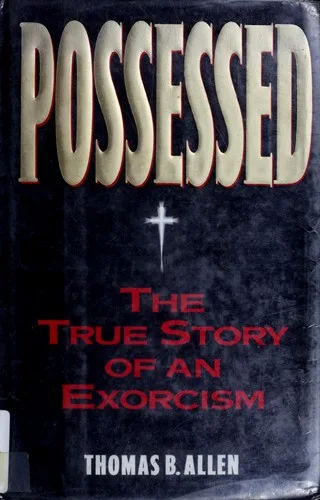
Possessed
 71
71

Possessed
Thomas B. Allen's "Possessed" offers a compelling analysis of the cultural shockwaves generated by William Friedkin's 1973 film, "The Exorcist." Rather than merely dissecting the film's plot or directorial choices, Allen focuses on the audience's unprecedented psychological reaction. He meticulously details the phenomenon of "cinematic neurosis," where viewers reported feeling actual demonic presences, a testament to the film's potent grip on the collective psyche. One particularly striking aspect is Allen's exploration of the Washington premiere, where a young woman's distress in broad daylight underscores the film's lingering, invasive power. While the book excels at capturing this cultural zeitgeist, its historical context could be more deeply integrated with specific esoteric beliefs about possession that predate the film. Nonetheless, "Possessed" succeeds in illuminating how a cinematic work can become a catalyst for profound, widespread psychological and even spiritual unease.
📝 Description
71
Thomas B. Allen's 2013 book 'Possessed' examines the cultural shockwaves of the 1973 film 'The Exorcist'.
Thomas B. Allen's 'Possessed,' published in 2013, scrutinizes the cultural phenomenon surrounding William Friedkin's 1973 film, 'The Exorcist.' This work moves beyond film criticism to investigate the psychological and societal effects of cinematic depictions of demonic possession. Allen's analysis shows how the film resonated with existing anxieties, contributing to what some therapists termed 'cinematic neurosis' following the movie's release. The book details the intense audience reactions, noting the powerful connection between art and the subconscious mind evident at the film's premiere.
This book is appropriate for readers interested in the confluence of media, psychology, and the occult. It will particularly engage those who study the cultural impact of horror cinema, especially 'The Exorcist,' and its sustained influence on public understanding of possession. Film studies, cultural history, and the sociology of fear scholars will find 'Possessed' a useful resource. It also appeals to those curious about how fictional narratives can produce tangible psychological and even spiritual effects, blurring the boundary between fiction and reality.
While not a grimoire or direct occult text, 'Possessed' engages with the esoteric by examining how deeply ingrained cultural fears of the demonic and supernatural are amplified and reinterpreted through mass media. It situates the intense reception of 'The Exorcist' within a broader history of occult fascination and horror narratives, acknowledging how periods of social upheaval and interest in the paranormal can make such themes resonate more powerfully. The book explores the psychological and societal mechanisms through which fictional portrayals of possession can tap into and manifest real-world anxieties, touching upon the power of narrative to shape perceptions of the spiritual and the uncanny.
💡 Why Read This Book?
• Understand "cinematic neurosis": Learn about the specific psychological phenomenon documented after "The Exorcist" (1973), allowing you to analyze media's impact on audience fears. • Analyze audience reception: Gain insight into the intense reactions at the film's premiere, revealing how horror narratives can tap into collective anxieties. • Explore the intersection of film and the occult: Discover how a fictional work can amplify real-world fears and beliefs surrounding demonic possession and the supernatural.
⭐ Reader Reviews
Honest opinions from readers who have explored this book.
❓ Frequently Asked Questions
What is "cinematic neurosis" as discussed in Thomas B. Allen's "Possessed"?
"Cinematic neurosis" is a term Allen explores to describe the profound psychological distress experienced by viewers of "The Exorcist" (1973), who reported feeling a terrifying presence of demons.
When was "The Exorcist" released, and what was its initial impact according to "Possessed"?
"The Exorcist" was released in 1973. Allen's book highlights its unprecedented impact, noting that many moviegoers sought therapy due to inexplicable fears triggered by the film.
Does "Possessed" by Thomas B. Allen analyze the theological aspects of demonic possession?
While "Possessed" focuses on the cultural and psychological impact of the film, it touches upon the historical and theological underpinnings of possession narratives that the film tapped into.
What specific event is mentioned regarding the audience's reaction to "The Exorcist"?
The book references the Washington premiere of "The Exorcist," detailing how a young woman was found trembling outside the theater, overwhelmed by the film's perceived reality.
Is "Possessed" primarily a film review or a cultural analysis?
"Possessed" functions more as a cultural analysis, examining the societal and psychological ripples caused by "The Exorcist" rather than offering a conventional film critique.
Who is the author of "Possessed"?
The author of "Possessed" is Thomas B. Allen, with the book first published on November 11, 2013.
🔮 Key Themes & Symbolism
Cinematic Neurosis
The core of Allen's work explores "cinematic neurosis," a response where the visceral impact of "The Exorcist" (1973) led audiences to experience genuine fear of demonic presence. This concept moves beyond simple fright to suggest a psychological phenomenon akin to trauma induced by media. The book details instances of viewers requiring therapy, demonstrating how a fictional narrative could breach the boundary into perceived reality for a significant audience, igniting deep-seated anxieties about evil and control that resonate with esoteric understandings of spiritual affliction.
Cultural Impact of Horror
Allen dissects how "The Exorcist" transcended its genre to become a cultural touchstone. The book examines the film's premiere and subsequent reception, illustrating a societal readiness or susceptibility to narratives of demonic possession. This theme explores how shared cultural experiences, amplified by media, can shape collective consciousness and fears. It touches upon the idea that certain archetypal anxieties, present in esoteric traditions for centuries, found a potent modern expression through this particular cinematic work, making it a focal point for discussions on the power of visual storytelling.
Perception of the Demonic
The book probes how "The Exorcist" influenced public perception and understanding of the demonic. By presenting a graphic and seemingly plausible depiction of possession, the film reignited interest in and fear of supernatural entities. Allen implicitly connects this modern fascination to older, esoteric beliefs about spiritual warfare and possession. The work suggests that the film tapped into a reservoir of occult lore and anxieties, making the concept of demonic influence accessible and terrifying to a mass audience, thereby shaping contemporary views on this esoteric subject.
Media and Psychological Response
Allen focuses on the psychological mechanisms through which "The Exorcist" elicited such extreme reactions. The concept of "cinematic neurosis" highlights the power of media to influence perception and emotional states, sometimes to a clinical degree. This theme examines the susceptible nature of the audience and the effectiveness of the film's techniques in creating an immersive, terrifying experience. It prompts reflection on how easily the lines between fiction and reality can blur when dealing with potent subjects like possession, a topic with deep roots in various mystical and occult traditions.
💬 Memorable Quotes
Direct passages from the work, attributed to the author.
“Psychiatrists coined the term "cinematic neurosis" for patients who left the movie feeling a terrifying presence of demons.”
— This defines the central concept of Allen's work, illustrating a specific psychological condition directly linked to media consumption and the perceived reality of supernatural phenomena.
“At the Washington premiere, a young woman stood outside the theater, trembling.”
— This anecdote vividly captures the extreme distress experienced by some audience members, emphasizing the film's power to provoke a visceral, almost physical, reaction to its themes of possession.
“I come out here in the sunlight... and I see people's eyes, and the...”
— This fragment, from a trembling woman outside the premiere, suggests the film's terror lingered even in daylight, implying a deep psychological scarring or altered perception of reality.
“The "Exorcist" frightened people more than any horror film ever did.”
— This statement asserts the film's exceptional status in horror cinema, positioning it as a cultural watershed moment that redefined audience fear and the potential impact of horror media.
💡 Key Ideas
Editorial paraphrase of the work's core concepts — not direct quotes.
Many moviegoers sought therapy to rid themselves of fears they could not explain.
This quote underscores the profound and lasting psychological impact of "The Exorcist," highlighting how the film's horror transcended mere entertainment to induce genuine, inexplicable anxieties in viewers.
🌙 Esoteric Significance
Tradition
While not strictly adhering to a single esoteric lineage, "Possessed" engages with themes central to many occult traditions, particularly those dealing with spiritual warfare, demonic entities, and the vulnerability of the human psyche. It implicitly touches upon concepts found in demonology within Western esotericism, Gnosticism's dualistic struggles, and even folk magic's approaches to warding off malevolent influences. The work highlights how cinematic representations can popularize and, in some cases, distort or reframe ancient esoteric ideas about possession and spiritual affliction for a mass audience.
Symbolism
The film "The Exorcist," as analyzed by Allen, carries potent symbolic weight. The possessed child, Regan MacNeil, symbolizes innocence corrupted, a classic motif in many esoteric narratives exploring the fall from grace or the invasion of the sacred. The act of exorcism itself symbolizes the struggle for control over the soul, a theme deeply embedded in Hermeticism and Gnostic traditions concerning the liberation of the spirit from material or demonic bondage. The demonic entity, Pazuzu, while a specific figure from Mesopotamian mythology, broadly represents the archetypal forces of chaos and destruction that esotericists believe must be understood and confronted.
Modern Relevance
Allen's exploration of "cinematic neurosis" and the cultural impact of "The Exorcist" remains highly relevant for contemporary esoteric practitioners and scholars. It provides a framework for understanding how mass media can shape public perception of occult phenomena, potentially influencing both believers and skeptics. Modern thinkers in fields like occult psychology and media studies can use this analysis to explore how films continue to popularize or demonize esoteric concepts, affecting contemporary discourse on spiritual warfare, psychic defense, and the nature of consciousness itself.
👥 Who Should Read This Book
• Students of media and cultural studies: Gain a deeper understanding of how influential films like "The Exorcist" (1973) shape societal perceptions and psychological responses to taboo subjects. • Enthusiasts of horror cinema: Explore the specific cultural and psychological factors that made "The Exorcist" a landmark film, moving beyond simple plot analysis to its profound audience impact. • Researchers of occultism and demonology: Analyze how esoteric concepts of possession are filtered and disseminated through popular culture, influencing contemporary understanding and fear of the demonic.
📜 Historical Context
Thomas B. Allen's "Possessed" arrives in 2013, a full four decades after William Friedkin's "The Exorcist" (1973) irrevocably altered the horror landscape. The early 1970s were a period of significant cultural flux in the United States, marked by the Vietnam War, social unrest, and a burgeoning interest in the paranormal and counter-culture spirituality, which may have primed audiences for a film that tapped into deep-seated anxieties about faith, innocence corrupted, and the unseen forces of evil. While "The Exorcist" drew on Catholic rites and lore, it also resonated with a broader cultural fascination with occultism that permeated various subcultures. Unlike purely religious exorcism narratives, Friedkin's film presented a visceral, psychological, and even pseudo-scientific approach to possession that distinguished it from earlier, more overtly theological portrayals. The film's reception, including reports of fainting and vomiting in theaters, was unprecedented, leading to discussions of "cinematic neurosis," a phenomenon Allen revisits, positioning the film as a cultural event that amplified existing societal unease about the demonic.
📔 Journal Prompts
The concept of "cinematic neurosis" and its implications for media consumption.
The cultural anxieties surrounding demonic possession amplified by "The Exorcist" in 1973.
Personal reflections on the power of film to evoke deep-seated fears.
The historical context of exorcism narratives and their modern cinematic interpretations.
Analysis of how visual media can blur the lines between fiction and perceived reality.
🗂️ Glossary
Cinematic Neurosis
A term coined to describe the psychological distress and inexplicable fears reported by viewers of "The Exorcist" (1973), who felt a genuine presence of demons after watching the film.
Demonic Possession
The belief or alleged condition in which an entity, typically a demon or evil spirit, is believed to have taken control of a person's body and mind, often associated with behavioral changes and supernatural phenomena.
The Exorcist (1973)
A landmark horror film directed by William Friedkin, based on William Peter Blatty's novel, depicting the demonic possession of a young girl and the subsequent attempts to exorcise her.
Washington Premiere
The initial public screening of "The Exorcist" in Washington D.C., noted for the extreme reactions of audience members, some of whom experienced profound psychological distress.
Horror Film
A genre of film intended to provoke fear, shock, and disgust in the audience, often featuring supernatural elements, violence, and psychological terror.
Psychological Impact
The effects that an experience, event, or stimulus, such as a film, has on an individual's mental state, emotions, and behavior.
Esoteric Traditions
Systems of thought and practice concerned with hidden knowledge or spiritual understanding, often involving mystical insights, ritual, and symbolism, distinct from conventional religious doctrines.