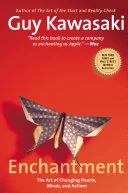
Enchantment
 78
78

Enchantment
Kawasaki’s "Enchantment" offers a refreshingly humanistic take on influence, moving beyond the often-cynical landscape of persuasion. His definition—transforming situations and relationships rather than merely manipulating—is compelling. The strength lies in its practical, step-by-step approach, particularly the emphasis on creating and delivering a compelling narrative that resonates emotionally. I found the discussion on establishing common ground particularly effective, illustrating how shared understanding can bridge divides. However, the book occasionally leans towards an overly optimistic view, perhaps underestimating the deeply entrenched skepticism some audiences hold. While the examples are generally strong, a deeper dive into the ethical considerations of wielding such influence could have added another layer. Nevertheless, "Enchantment" provides a valuable blueprint for fostering positive connections in a world often characterized by division.
📝 Description
78
Guy Kawasaki's 2011 book 'Enchantment' argues influence stems from genuine connection, not manipulation.
Enchantment proposes a method for achieving influence by building authentic connections and fostering positive change, rather than through manipulation. The book suggests that true enchantment occurs when individuals or groups can change perspectives, turning opponents into allies and doubters into believers. This state is cultivated deliberately, not by accident or superficial charm. Kawasaki details the psychological basis and practical ways to create these transformative experiences across different settings.
The book is primarily for leaders, entrepreneurs, marketers, and anyone aiming to influence others positively. It speaks to those dissatisfied with traditional persuasion methods that often fail to produce lasting results. People looking to strengthen customer ties, build internal team unity, or simply improve their communication skills will find practical strategies here. Students of influence, negotiation, and social psychology will also find it relevant.
While not strictly an esoteric text in the vein of ancient mystical traditions, 'Enchantment' can be seen as a modern interpretation of principles found in various wisdom literatures concerning human connection and influence. Its emphasis on altering perceptions and fostering belief through narrative and emotional resonance echoes themes found in rhetoric and philosophical traditions that examine the power of persuasion and understanding the human psyche. The book frames these concepts within a secular, business-oriented context, making them accessible to a contemporary audience interested in practical application.
💡 Why Read This Book?
• You will learn to identify and apply the three stages of enchantment—Make the Realm, Make the Deal, and Make the Realm—to transform your interactions, drawing directly from Kawasaki's framework. • You will gain practical techniques for establishing common ground, a core concept in the book, enabling you to build trust and connection with diverse audiences. • You will understand how to empower your audience, turning them into loyal advocates by understanding the principles of shared vision and emotional resonance presented in the text.
⭐ Reader Reviews
Honest opinions from readers who have explored this book.
❓ Frequently Asked Questions
What is Guy Kawasaki's definition of enchantment?
Guy Kawasaki defines enchantment not as manipulation, but as the process of transforming situations and relationships. It aims to convert hostility into civility, skeptics into believers, and the undecided into loyal followers, creating positive and lasting change.
What are the three key stages of enchantment as outlined by Kawasaki?
The three key stages are: 1. Make the Realm (establish context and common ground), 2. Make the Deal (present your proposition compellingly), and 3. Make the Realm (ensure lasting impact and ongoing engagement).
How does "Enchantment" differ from traditional persuasion or marketing?
Unlike traditional methods that often rely on coercion or superficial appeals, "Enchantment" focuses on creating genuine connection, fostering belief, and empowering others. It aims for deeper, more sustainable influence rooted in shared understanding and positive transformation.
Can the principles of enchantment be applied in online interactions?
Absolutely. Kawasaki explicitly mentions a Facebook update as a potential context for enchantment, highlighting that the principles apply across various communication channels, including digital platforms, by focusing on authentic connection and value.
Who is Guy Kawasaki?
Guy Kawasaki is a renowned author, entrepreneur, and marketing expert. He is best known for his role as a product evangelist for Apple in the 1980s and has since written several influential books on business, technology, and entrepreneurship.
What is the primary goal of creating enchantment according to the book?
The primary goal is to achieve a state where people willingly embrace an idea, product, or vision because they are genuinely convinced and connected to it. It's about inspiring loyalty and creating advocates through positive transformation.
🔮 Key Themes & Symbolism
The Power of Narrative
Central to enchantment is the construction and delivery of a compelling narrative. Kawasaki argues that stories, when crafted effectively, can bypass intellectual defenses and appeal directly to emotions. This involves establishing a clear context, presenting a relatable protagonist (often the audience themselves), and articulating a desirable future state. The narrative must feel authentic and aligned with the audience's values, making them active participants rather than passive recipients of information. This thematic exploration underscores how storytelling acts as a primary tool for shifting perceptions and fostering belief.
Establishing Common Ground
A core part of enchantment is the deliberate effort to find and emphasize shared values, beliefs, or goals. Kawasaki suggests that identifying common ground is crucial for building trust and rapport, which are prerequisites for genuine influence. This isn't about superficial agreement but about uncovering deeper connections that allow for mutual understanding. By highlighting what unites people, individuals and organizations can bridge divides, transform potential conflicts into collaborations, and lay the foundation for a shared vision. This theme is critical for moving from skepticism to acceptance.
Empowering Advocates
Enchantment, in Kawasaki's view, is not a one-way street but a process that empowers the enchanted to become champions. The book explores how to cultivate this advocacy by making individuals feel valued, understood, and invested in the outcome. This involves providing them with the tools, information, and motivation to spread the message organically. When people become true believers, they naturally influence their own networks, amplifying the original message far beyond what traditional marketing could achieve. This theme highlights the sustainable nature of true enchantment.
The Three Stages of Enchantment
Kawasaki structures the process of enchantment into three distinct phases: Make the Realm, Make the Deal, and Make the Realm. 'Make the Realm' involves creating the context, establishing common ground, and setting the stage. 'Make the Deal' focuses on presenting the proposition, idea, or product in a way that resonates emotionally and logically. The second 'Make the Realm' emphasizes solidifying the change, empowering advocates, and ensuring the enchanted experience endures. This conceptual framework provides a practical roadmap for implementing enchantment in diverse scenarios.
💬 Memorable Quotes
Direct passages from the work, attributed to the author.
“Enchantment is about changing hearts, minds, and actions.”
— This concise statement captures the essence of Kawasaki's thesis. It moves beyond mere persuasion to suggest a deeper, more fundamental shift in an individual's internal state and subsequent behavior, highlighting the transformative potential of genuine influence.
“You cannot persuade people to do something they don't want to do.”
— This interpretation emphasizes that true enchantment works by aligning an individual's desires with the proposed action, rather than forcing compliance. It highlights the importance of understanding motivations and finding common ground to inspire willing participation.
“Empathy is the foundation of enchantment.”
— This interpretation underscores the critical role of understanding and sharing the feelings of others. By demonstrating empathy, one can build the trust and connection necessary to effectively introduce and foster belief in an idea or product.
“Common ground is the starting point for building trust.”
— This concept highlights that identifying shared values or experiences is the initial step in the enchantment process. It serves as the bedrock upon which further connection and persuasion can be built, making the audience more receptive.
💡 Key Ideas
Editorial paraphrase of the work's core concepts — not direct quotes.
The goal is to make people want what you want.
This paraphrased concept points to the outcome of successful enchantment: a harmonious alignment of desires. It suggests that influence is most potent when it feels like a shared aspiration rather than an imposed agenda, fostering loyalty and enthusiastic adoption.
🌙 Esoteric Significance
Tradition
While not explicitly rooted in a specific esoteric lineage like Hermeticism or Kabbalah, "Enchantment" draws parallels with the principles of influence found in various spiritual and philosophical traditions. Its emphasis on fostering belief, transforming perception, and creating devoted followers echoes concepts found in the teachings of charismatic spiritual leaders and the art of spiritual evangelism. The work can be seen as secularizing the principles of spiritual transformation and applying them to broader societal and commercial contexts, offering a pragmatic guide to achieving profound connection.
Symbolism
The book doesn't rely on overt mystical symbols but uses concepts that function symbolically in a secular context. 'Common ground' acts as a symbol for the sacred space of mutual understanding where transformation can occur. The 'narrative' serves as a symbolic vessel carrying emotional truth and vision. 'Empowerment' symbolizes the granting of agency, turning followers into co-creators of reality, akin to initiatory rites that bestow new status and responsibility.
Modern Relevance
Contemporary thought leaders in fields ranging from leadership coaching to digital marketing continue to draw upon Kawasaki's framework. His emphasis on authenticity, storytelling, and building community resonates strongly in the age of influencer marketing and brand activism. Thinkers like Brené Brown, who explore vulnerability and connection, and strategists focused on customer experience and community building, implicitly or explicitly utilize the principles outlined in "Enchantment" for fostering genuine engagement.
👥 Who Should Read This Book
• Entrepreneurs and startup founders seeking to inspire investors, employees, and customers with a compelling vision. • Marketing and sales professionals looking to move beyond transactional relationships to build lasting brand loyalty and advocacy. • Leaders and managers aiming to foster a more positive and cohesive work environment by enhancing communication and influence within their teams. • Anyone interested in the psychology of influence and persuasion who seeks ethical, effective methods for positive change.
📜 Historical Context
Published in March 2011, Guy Kawasaki's "Enchantment" arrived at a central moment in communication and marketing. The preceding decade had witnessed the explosive growth of the internet and social media, fundamentally altering how individuals and businesses interacted. Platforms like Facebook, which Kawasaki references, had democratized information sharing and empowered consumers with unprecedented voice. His work implicitly responded to this shift, offering an alternative to the often-intrusive and aggressive marketing tactics that had characterized earlier eras. While figures like Seth Godin were also exploring more humanistic approaches to marketing, Kawasaki's "Enchantment" provided a structured, actionable framework for achieving influence through genuine connection and transformation, distinguishing itself from purely academic or theoretical discussions on persuasion.
📔 Journal Prompts
The establishment of common ground as a foundation for trust.
Your personal definition of 'enchantment' versus mere persuasion.
Crafting a narrative that aligns with your audience's desires.
Identifying moments where you have successfully empowered others.
The ethical application of the Make the Realm, Make the Deal, Make the Realm process.
🗂️ Glossary
Enchantment
A process defined by Guy Kawasaki as transforming situations and relationships, converting hostility into civility and skeptics into believers, leading to genuine and lasting influence.
Make the Realm
The first and third stages of Kawasaki's enchantment process, focusing on establishing context, common ground, and ensuring the positive impact endures and empowers.
Make the Deal
The central stage of enchantment, where the proposition or idea is presented in a compelling manner that resonates emotionally and logically with the audience.
Common Ground
The shared values, beliefs, or goals that form the foundation for building trust and rapport, essential for initiating the enchantment process.
Narrative
A compelling story used to convey ideas, values, or visions, designed to bypass intellectual defenses and appeal directly to emotions, fostering belief and connection.
Advocates
Individuals who are so positively influenced by enchantment that they actively champion the idea, product, or organization to their own networks.
Skeptics
Individuals who are initially doubtful or unconvinced; transforming them into believers is a key objective of the enchantment process.
This book appears in 1 collection
🔮 Readers Also Liked
Browse all →









From the “Enchantment” Collection
View all →







More Free Occult Philosophy Books
View all →