Enchantment
 82
82

Enchantment
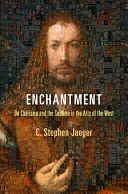
C. Stephen Jaeger’s "Enchantment" grapples with the potent, almost ineffable quality that allows art and ideas to seize our attention and elevate our perspective. He posits that this "force" is more than just aesthetic appeal; it’s an active agent that can move an audience from the perceived world to a more idealized one. Jaeger’s strength lies in his meticulous analysis, drawing sophisticated parallels between the charismatic teacher of his earlier work and the evocative power of art. A particularly compelling passage discusses how certain narrative structures inherently possess this quality, shaping reader consciousness. However, the work occasionally treads a fine line between deep philosophical inquiry and abstract theorizing, leaving the reader yearning for more concrete examples of this "enchantment" in action beyond the academic sphere. Despite this, "Enchantment" offers a valuable framework for understanding art's affective dimension.
📝 Description
82
C. Stephen Jaeger's 2012 book "Enchantment" examines how art and thought gain their compelling power.
Jaeger's "Enchantment" investigates the quality that makes art and discourse more than simple communication. The book asks what allows certain artistic expressions or intellectual arguments to capture attention, inspire admiration, and move audiences toward a higher reality. Jaeger attempts to define and understand this force, going beyond surface interpretations to examine its deeper psychological and philosophical foundations.
This work is intended for scholars in art history, literary criticism, and aesthetics, as well as anyone interested in influence and inspiration. It will appeal to those who consider the emotional impact of cultural artifacts and the ways they change perception and provoke emotional or intellectual reactions. Readers looking to grasp the dynamics of charisma and its expression in creative works will find significant material here.
Published in 2012, "Enchantment" emerged during a period of renewed academic interest in affect theory and the phenomenology of aesthetic experience. Jaeger builds upon his earlier work, "Envy of Angels," which analyzed charismatic teachers in medieval learning. This exploration positions itself within ongoing academic discussions about the reception of art and literature, and the psychological impact of cultural phenomena. It engages with concepts that have been central to Western thought since antiquity, considering how specific techniques and inherent qualities in artistic works establish a powerful connection with the observer, transforming the mundane into the sublime.
💡 Why Read This Book?
• Understand the mechanics of aesthetic influence by examining Jaeger's analysis of how art moves beyond mere representation to actively shape consciousness, a concept explored through the lens of charisma as seen in his prior work on medieval learning. • Grasp the philosophical underpinnings of why certain creative expressions inspire admiration and imitation, drawing on Jaeger's detailed dissection of the qualities that transport audiences to a "world more sublime." • Gain a critical perspective on the nature of inspiration and admiration, understanding how specific artistic techniques, as discussed in "Enchantment," can foster profound engagement and transform perception.
⭐ Reader Reviews
Honest opinions from readers who have explored this book.
❓ Frequently Asked Questions
What is the central question C. Stephen Jaeger explores in "Enchantment"?
Jaeger investigates the fundamental force within art that captures human consciousness, inspires admiration, and transports audiences from the ordinary world to a more elevated reality, questioning how this phenomenon operates.
How does "Enchantment" relate to C. Stephen Jaeger's earlier book, "Envy of Angels"?
"Enchantment" extends Jaeger's previous analysis of charismatic teachers in medieval learning, applying similar critical frameworks to understand the power of art and its ability to enchant.
What kind of impact does the book suggest art can have on its audience?
The book suggests art can have a profound impact, entering consciousness, inspiring imitation, and moving individuals from their current perception to a more sublime or idealized state.
Who would benefit most from reading "Enchantment"?
Scholars of art history, literary critics, philosophers of aesthetics, and anyone interested in the psychological and philosophical aspects of artistic influence and inspiration will find this book beneficial.
When was C. Stephen Jaeger's "Enchantment" first published?
"Enchantment" was first published on February 22, 2012.
What is the core concept Jaeger uses to explain art's power?
Jaeger explores the concept of "enchantment" itself as the core force, examining how it operates through artistic expression to affect consciousness and evoke admiration or imitation.
🔮 Key Themes & Symbolism
The Force of Art
Jaeger dissects the inherent power within artistic creations that allows them to penetrate our consciousness and elicit strong reactions. This "force" is not merely superficial beauty but a profound mechanism that can inspire admiration, imitation, and a shift in perception. The work explores how this quality elevates art beyond simple communication, transforming the viewer's or reader's experience of reality and moving them toward a more sublime understanding or feeling. It’s about art’s active agency in shaping our inner worlds.
Charisma and Artistic Influence
Drawing parallels to the concept of personal charisma, Jaeger examines how art, like a charismatic individual, can exert influence. The book questions what specific attributes or techniques in art mirror the compelling nature of charisma, enabling it to capture and hold attention. This theme looks at the transmission of affect and the ways in which an artist's intent or the work's inherent qualities can resonate with an audience, shaping their thoughts and emotions in a manner akin to personal magnetism.
Transporting Consciousness
A central theme is the ability of art to transport individuals from their ordinary state of consciousness to a more elevated or "sublime" realm. Jaeger investigates the psychological and aesthetic processes involved in this transition. It's not just about escapism but about a genuine alteration of perspective, where art provides access to deeper truths or richer emotional landscapes. The work probes how specific artistic elements contribute to this transformative experience, making the encounter with art a journey beyond the mundane.
Admiration and Imitation
The book addresses why certain artworks or artistic styles provoke not only admiration but also a desire for imitation. Jaeger explores the underlying psychological appeal and the perceived value that leads audiences to emulate what they appreciate. This theme connects aesthetic judgment with behavioral response, suggesting that true enchantment lies in a work's capacity to serve as a potent model, influencing not just perception but also creative output and cultural trends.
💬 Memorable Quotes
Direct passages from the work, attributed to the author.
“What is the force in art, C. Stephen Jaeger asks, that can enter our consciousness, inspire admiration or imitation, and carry a reader or viewer from the world as it is to a world more sublime?”
— This foundational question frames Jaeger's entire inquiry, highlighting his focus on the active, transformative power of art that moves beyond passive reception to engage consciousness directly and elevate perception.
“We have long recognized the power of individuals to lead or enchant by the force of personal charisma—and indeed, in his award-winning Envy of Angels, Jaeger himself brilliantly parsed the ability of charismatic teachers to shape the world of medieval learning.”
— This establishes a crucial link between personal charisma and artistic power, suggesting that the mechanisms of enchantment may operate similarly across different domains, building on Jaeger's established expertise.
“In Enchantment, he turns his attention to a...”
— This incomplete sentence from the original blurb signifies the book's expansion of focus from personal charisma to the broader domain of art and its capacity to enchant and influence.
“The work explores the nature of artistic power that can transport audiences.”
— This interpretation of the book's core subject matter emphasizes its focus on how art functions as a vehicle for altering consciousness and moving individuals towards a higher aesthetic or emotional state.
“Jaeger analyzes how art inspires admiration and imitation.”
— This highlights a key aspect of enchantment discussed in the book: its ability to not only evoke positive feelings but also to serve as a model for creative or behavioral adoption.
🌙 Esoteric Significance
Tradition
While not explicitly belonging to a single esoteric lineage, "Enchantment" appeals to traditions that explore the transformative power of symbols and artistic expression. It aligns with Hermetic principles concerning the influence of the microcosm (human consciousness) on the macrocosm (perceived reality) and vice-versa, suggesting art acts as a potent intermediary. The book’s focus on how art "enchants" and alters consciousness echoes Gnostic ideas about awakening perception and escaping mundane limitations through higher knowledge or experience.
Symbolism
The primary "symbol" explored is enchantment itself, understood as a force capable of elevating consciousness. Jaeger examines how artistic motifs and structures function as conduits for this force. While specific symbols aren't cataloged, the work implies that any element within art—a narrative arc, a visual composition, a musical phrase—can act symbolically to evoke admiration and transport the audience, functioning as a key to unlock a more sublime perception.
Modern Relevance
Contemporary thinkers and practitioners in fields like consciousness studies, art therapy, and digital media studies can draw upon Jaeger's framework. His analysis of how art enters consciousness and inspires imitation is highly relevant to understanding the persuasive power of modern media, virtual reality, and narrative design. The book offers a philosophical basis for appreciating the deep psychological impact of creative endeavors in an increasingly mediated world.
👥 Who Should Read This Book
• Scholars of art history and literary criticism seeking to understand the affective dimension of creative works and the mechanisms of aesthetic influence. • Philosophers of aesthetics and consciousness who are interested in how art transcends mere representation to shape perception and evoke profound emotional or intellectual responses. • Aspiring artists and creators looking to understand the deeper qualities that make their work compelling and capable of inspiring admiration and imitation in their audience.
📜 Historical Context
C. Stephen Jaeger's "Enchantment," published in 2012, arrived in an academic landscape increasingly preoccupied with affect theory and the experiential dimensions of art and literature. Jaeger, already recognized for his 2009 work "Envy of Angels" which examined the role of charismatic teachers in shaping medieval intellectual life, turned his critical lens toward the inherent power of creative works. This exploration emerged within a broader scholarly conversation that sought to move beyond purely formalist or structuralist analyses of art, focusing instead on its capacity to engage audiences on a deeper, often visceral, level. While not directly engaging in a public debate with a specific contemporary, Jaeger's work implicitly responded to and contributed to ongoing discussions in fields like literary studies, art history, and philosophy of aesthetics, fields where scholars like Elaine Scarry or Rita Felski were also exploring related themes of affect and aesthetic experience.
📔 Journal Prompts
The force in art that inspires admiration and imitation.
Art's capacity to carry a viewer from the world as it is to a world more sublime.
The connection between personal charisma and the enchantment found in artistic expression.
How artistic elements function to capture consciousness.
The nature of the sublime world art can evoke.
🗂️ Glossary
Enchantment
The core concept, referring to the elusive force in art that captivates consciousness, inspires admiration or imitation, and transports an audience to a more sublime state of perception or feeling.
Force in Art
The active, influential quality within artistic expression that goes beyond mere aesthetics to affect the viewer's or reader's consciousness and emotional state.
Sublime
Referring to a state of elevated perception or experience, often associated with awe and transcendence, which art can facilitate by moving individuals beyond the ordinary world.
Charisma
A personal quality of charm that inspires devotion or fascination in others, used by Jaeger as a parallel concept to understand the compelling power of art.
Admiration
A feeling of respect and approval, often evoked by art that possesses the quality of enchantment, leading to a positive valuation of the work.
Imitation
The act of copying or emulating something; in the context of art, it refers to the tendency for audiences to be inspired to replicate or be influenced by the qualities they admire.
Consciousness
The state of being aware of and responsive to one's surroundings; Jaeger explores how art actively enters and influences this state.
This book appears in 1 collection
🔮 Readers Also Liked
Browse all →









From the “Enchantment” Collection
View all →





More Free Occult Philosophy Books
View all →