Emotional alchemy
 75
75

Emotional alchemy
Tara Bennett-Goleman’s Emotional Alchemy offers a substantial contribution to the literature on emotional regulation, moving beyond the superficiality often found in pop psychology. Its strength lies in its sophisticated integration of Buddhist contemplative techniques with contemporary neuroscience and psychological theory, particularly the concept of 'emotional schemes.' These schemes, as detailed in the book, provide a compelling lens through which to view persistent, often unconscious, emotional patterns. However, the book’s dense academic style, while thorough, can be a barrier for some readers. The section discussing the neurobiological underpinnings, while informative, occasionally feels like an academic treatise rather than an accessible guide. The practical application of concepts like the 'neurotic loop' requires significant reader commitment. Nevertheless, Emotional Alchemy remains a vital resource for those willing to engage with its depth, offering a path to genuine emotional transformation rather than mere management.
📝 Description
75
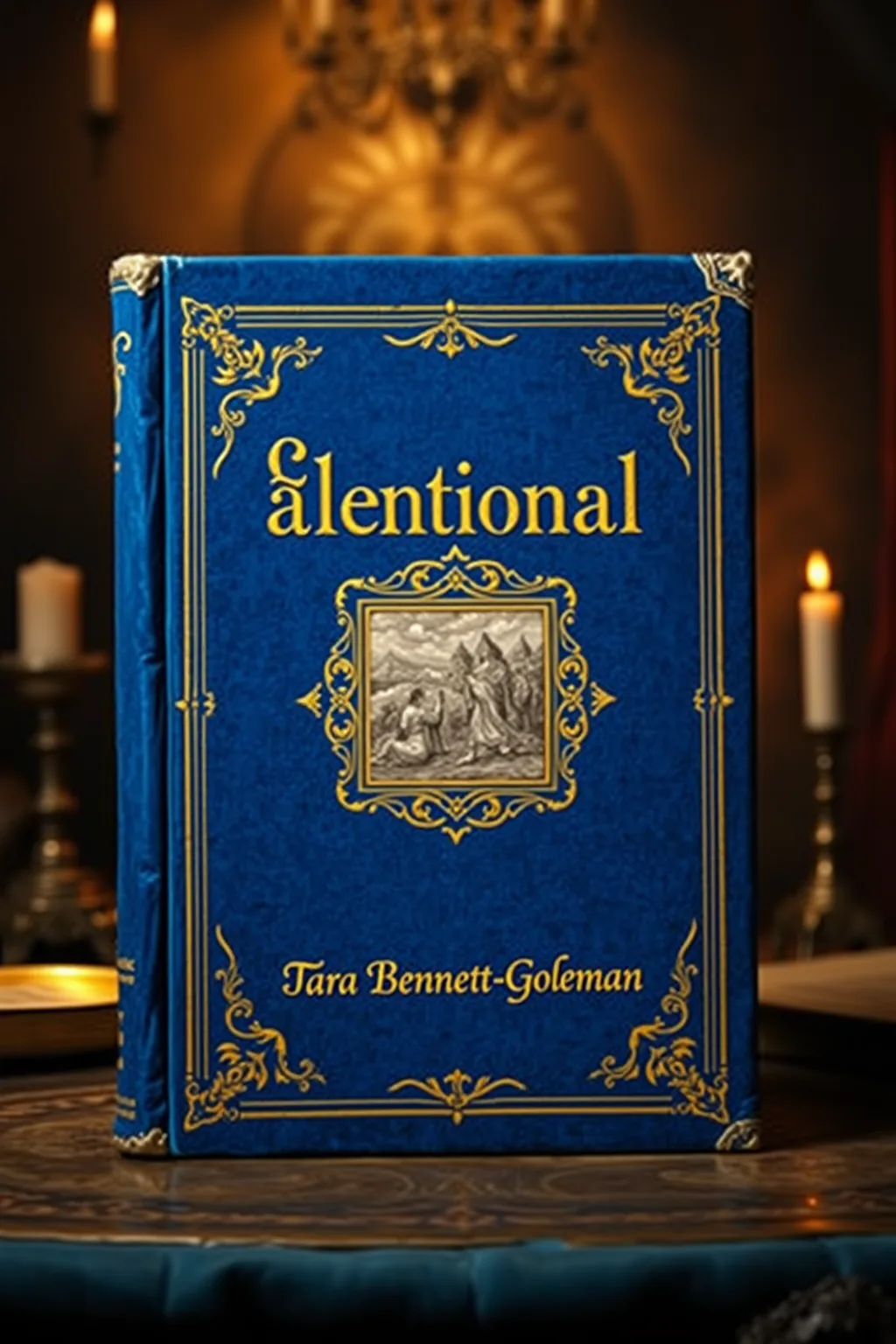
Tara Bennett-Goleman's 2001 book, Emotional Alchemy, posits that emotional habits can be rewired.
First published in 2001, Emotional Alchemy by Tara Bennett-Goleman proposes a method for understanding and altering emotional patterns. It expands on basic ideas of emotional intelligence, suggesting that ingrained emotional habits, often formed in early life, can be changed with mindful attention and specific exercises. The book combines psychological study with meditative traditions. It views emotional reactions not as fixed characteristics but as responses that can be unlearned. This work is for people who want a deeper understanding of their emotions, especially those interested in the connection between psychology and Eastern meditative practices. It may appeal to readers who found standard self-help methods lacking and seek a more detailed view of emotional control and self-improvement. Therapists, counselors, and others in helping roles will also find it useful for its insights into the psychological and neurological roots of emotional health.
Bennett-Goleman's book emerged in 2001, a time when emotional intelligence was gaining popularity, partly due to Daniel Goleman's earlier work. Emotional Alchemy stood out by weaving together Buddhist psychology and neuroscience, providing a more complex perspective than many popular psychology books of the era. It diverged from simpler behavioral explanations, arguing for a more thorough examination of the mind's relationship with feelings, drawing on influences like Jon Kabat-Zinn and the growing interest in mindfulness.
Emotional Alchemy sits within a tradition that bridges Western psychology and Eastern contemplative practices, particularly Buddhism. It follows a lineage that seeks to understand the mind's workings not just through analysis but through direct experience and disciplined awareness. This approach views emotional reactivity as stemming from mental formations and past conditioning, concepts central to Buddhist psychology. The book's emphasis on mindful observation to interrupt ingrained patterns aligns with meditative techniques aimed at cultivating insight and equanimity, moving beyond mere intellectual understanding to transformative practice.
💡 Why Read This Book?
• You will learn to identify your personal 'emotional schemes,' the deeply ingrained patterns that dictate your reactions, enabling you to understand the roots of your emotional responses, a concept thoroughly explored in the book's early chapters. • You will gain practical methods for interrupting the 'neurotic loop,' offering a tangible strategy to break free from recurring negative emotional cycles by applying principles discussed in the book's sections on mindful awareness. • You will develop a nuanced understanding of how the brain's neuroplasticity can be harnessed for emotional healing, providing a scientifically grounded basis for believing that deep-seated emotional habits can indeed be reshaped.
⭐ Reader Reviews
Honest opinions from readers who have explored this book.
❓ Frequently Asked Questions
What is the core difference between Emotional Alchemy and general emotional intelligence?
Emotional Alchemy focuses on deconstructing deeply ingrained 'emotional schemes' and 'neurotic loops' rooted in past experiences, using contemplative practices and neuroscience. General emotional intelligence often emphasizes recognition and management of current emotions.
When was Emotional Alchemy first published?
Emotional Alchemy by Tara Bennett-Goleman was first published in 2001, positioning it within the early wave of popular interest in emotional intelligence and mindfulness.
What role does Buddhism play in Emotional Alchemy?
The book integrates Buddhist principles of mindful awareness and observation of mental states to help readers understand and disarm habitual emotional reactivity, drawing parallels between Buddhist psychology and modern neuroscientific findings.
Are there practical exercises in Emotional Alchemy?
Yes, the book outlines practices for cultivating mindful awareness and observing emotional patterns, aiming to help readers interrupt automatic responses and foster new, more adaptive emotional habits.
What are 'emotional schemes' as defined by Bennett-Goleman?
'Emotional schemes' are unconscious, deeply ingrained patterns of emotional perception and response, often formed in early life, that shape how individuals react to present situations.
Can the book help with anxiety?
By offering tools to understand and deconstruct the 'neurotic loop' and emotional schemes that contribute to anxiety, Emotional Alchemy provides a framework for managing and potentially reducing anxious responses.
🔮 Key Themes & Symbolism
Emotional Schemes and Rewiring
The central thesis of Emotional Alchemy revolves around the concept of 'emotional schemes'—deeply embedded cognitive and affective patterns that dictate our reactions. Bennett-Goleman posits that these schemes, often formed during childhood, create predictable, sometimes detrimental, emotional responses in adulthood. The book emphasizes that these are not immutable, but can be understood and actively rewired. By bringing mindful awareness to these patterns, readers can begin to observe their onset, understand their triggers, and consciously choose different responses, thereby transforming ingrained emotional habits.
The Neurotic Loop
A key concept is the 'neurotic loop,' which describes how past unresolved issues and learned emotional responses are activated by present circumstances, leading to disproportionate or habitual reactions. This loop perpetuates suffering by trapping individuals in cycles of reactivity. Emotional Alchemy provides a framework for identifying these loops, understanding their origins, and developing strategies—grounded in both psychological insight and contemplative practice—to interrupt their automatic progression. The goal is to move from unconscious reactivity to conscious choice.
Mindful Awareness and Neuroplasticity
The book champions mindful awareness, a practice derived from Buddhist traditions, as the primary tool for emotional transformation. By cultivating the ability to observe one's thoughts and feelings without judgment, individuals can gain insight into their emotional schemes and neurotic loops. Bennett-Goleman connects this practice to the scientific concept of neuroplasticity, arguing that consistent, mindful attention can literally reshape neural pathways, enabling the brain to form new, healthier emotional responses and break free from old patterns.
Integration of Science and Contemplation
Emotional Alchemy's unique contribution lies in its synthesis of cutting-edge neuroscience and psychology with ancient contemplative wisdom. It bridges the gap between Western scientific understanding of the brain and emotions and Eastern philosophical approaches to inner peace and transformation. This interdisciplinary approach offers a robust and many-sided perspective on emotional well-being, validating both empirical research and the efficacy of traditional mind-training practices.
💬 Memorable Quotes
Direct passages from the work, attributed to the author.
“Emotional habits are learned responses, not fixed traits.”
— This statement underscores the book's optimistic premise: that our ingrained ways of feeling and reacting are malleable. It suggests that change is possible through conscious effort and specific practices, rather than being predetermined by our nature.
“The mind's ability to change itself is its most powerful feature.”
— This highlights the concept of neuroplasticity and the potential for personal growth. It emphasizes that our internal mental landscape is not static and can be actively reshaped through focused attention and practice.
“Recognizing a pattern is the first step to dissolving it.”
— This points to the crucial role of awareness in transformation. By simply observing an emotional habit or scheme without judgment, its power over us begins to diminish, opening the door for change.
“Past experiences echo in present emotional reactions.”
— This interpretation of the 'neurotic loop' explains how unresolved issues from earlier life stages can unconsciously influence current feelings and behaviors, leading to repetitive and often problematic emotional responses.
“Mindfulness offers a way to step out of automatic emotional responses.”
— This emphasizes the practical application of contemplative techniques. Mindfulness provides the mental space needed to pause between a trigger and a reaction, allowing for a more conscious and less habitual response.
🌙 Esoteric Significance
Tradition
Emotional Alchemy can be situated within the broader Hermetic tradition of self-knowledge and transformation, albeit through a modern, psychologically informed lens. While not directly invoking Kabbalah or classical Hermetic texts, its core aim—to transmute base emotional states into higher forms of awareness and well-being—aligns with the Hermetic principle of 'transformation.' It adapts ancient contemplative insights, particularly from Buddhist psychology, into a framework accessible to a contemporary audience, emphasizing the inner alchemical process of changing emotional lead into psychological gold.
Symbolism
The book itself functions as a symbolic guide. The 'emotional scheme' can be seen as a modern symbolic representation of the alchemical concept of the prima materia—the raw, unformed substance that must be understood and worked with. The 'neurotic loop' symbolizes the cyclical, often binding, nature of base passions or fixations. The practice of 'mindful awareness' acts as the alchemical fire or solvent, used to break down these fixed patterns and purify the emotional landscape, leading to a more integrated and conscious self.
Modern Relevance
Contemporary thinkers and practitioners in fields like mindfulness-based cognitive therapy (MBCT), acceptance and commitment therapy (ACT), and various forms of somatic experiencing draw upon the principles outlined in Emotional Alchemy. Its emphasis on neuroplasticity and the actionable integration of contemplative practices continues to inform modern approaches to mental health, coaching, and personal development. The work remains a touchstone for those seeking to understand the interplay between mind, brain, and emotion from both a scientific and a deeply introspective perspective.
👥 Who Should Read This Book
• Individuals seeking to understand the deep roots of their emotional patterns, especially those who feel stuck in recurring negative cycles, will find the concepts of 'emotional schemes' and the 'neurotic loop' particularly clear. • Practitioners of mindfulness and meditation looking for a more robust psychological and neuroscientific framework to support their practice will benefit from the book's synthesis of contemplative techniques and brain science. • Therapists, counselors, and coaches interested in integrating advanced psychological concepts with practical, mind-based interventions will discover valuable insights into facilitating lasting emotional change in clients.
📜 Historical Context
Published in 2001, Tara Bennett-Goleman's Emotional Alchemy arrived at an important moment in popular psychology. Daniel Goleman's 1995 book, *Emotional Intelligence*, had already cemented the term in the public lexicon. Bennett-Goleman's work distinguished itself by moving beyond the management of emotions towards a deeper exploration of their origins and transformation, drawing heavily on Buddhist psychology and emerging neuroscientific research on neuroplasticity. This approach offered a counterpoint to simpler, more behaviorist models of self-help prevalent at the time. Her integration of concepts like 'emotional schemes' and the 'neurotic loop' resonated with a growing interest in psychodynamic understanding and mindfulness-based interventions, exemplified by figures like Jon Kabat-Zinn. The book's reception marked a significant step in bringing sophisticated contemplative practices into mainstream discussions about mental well-being, bridging the gap between Eastern traditions and Western scientific inquiry.
📔 Journal Prompts
The 'emotional scheme' of comparison: How does it manifest in your daily life?
Observing the 'neurotic loop' in action: What triggers your typical reaction?
Mindful awareness during a difficult emotion: What do you notice in your body and mind?
Reflecting on neuroplasticity: What new emotional response could you intentionally cultivate?
The concept of emotional transformation: What does 'psychological gold' look like for you?
🗂️ Glossary
Emotional Scheme
Deeply ingrained, often unconscious, patterns of emotional perception, interpretation, and response that shape how an individual experiences and reacts to the world.
Neurotic Loop
A cyclical pattern of emotional reactivity where past unresolved issues or learned responses are triggered by present events, leading to habitual, often disproportionate, emotional reactions.
Mindful Awareness
A practice of paying attention to the present moment experience—thoughts, feelings, bodily sensations—without judgment, cultivated through techniques like meditation.
Neuroplasticity
The brain's ability to reorganize itself by forming new neural connections throughout life, allowing it to adapt and change in response to experience, learning, and practice.
Emotional Schemes
Unconscious, deeply ingrained patterns of emotional perception and response, often formed in early life, that shape how individuals react to present situations.
Emotional Alchemy
The process of transforming negative or habitual emotional patterns into more adaptive, conscious, and positive states of being through awareness and specific practices.
Trigger
An event, thought, or sensation that initiates or activates an 'emotional scheme' or 'neurotic loop'.
🔮 Readers Also Liked
Browse all →









More by Tara Bennett-Goleman
All books →

More Free Occult Philosophy Books
View all →