Haunter
 80
80

Haunter
Charlee Jacob's "Haunter" opens with a potent image: a Cambodian village, broken by conflict, receiving a vision of salvation through Shiva. The twist, Shiva returning in the guise of a former GI, is a striking departure from typical resurrection narratives. Jacob excels at creating an oppressive atmosphere, the Cambodian setting becoming a character in itself, steeped in the miasma of past violence and desperate hope. The introduction of a drug as a gateway to 'peace' is a particularly grim and effective metaphor for the seductive, destructive nature of escapism. However, the narrative occasionally feels overburdened by its own thematic density, with the descent into horror sometimes overshadowing the nuanced portrayal of the villagers' initial suffering. The strength lies in its raw depiction of how hope can curdle into something monstrous. The verdict? A brutal, unforgettable examination of faith twisted by trauma.
📝 Description
80
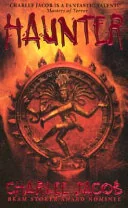
Charlee Jacob's 2003 novel "Haunter" begins with a Cambodian village recovering from war.
The story centers on Shiva, a figure who offers villagers a path to survival through dreams. This divine promise takes a dark turn when Shiva appears as a former American GI. His presence initiates a desperate search for peace that unearths terrifying horrors. The narrative is for readers who want to confront trauma and the consequences of misplaced hope.
The book examines salvation and divinity in the context of post-war societies. It offers dense, atmospheric storytelling that does not shy away from difficult subjects. Jacob's work discusses the lasting impact of external conflicts on remote communities, using a Cambodian village as its setting.
Published in 2003, "Haunter" fits within a literary trend that examined the aftermath of conflict. It draws parallels to authors who dissect the psychological scars of war. The novel addresses the complex legacy of the Vietnam War and its global echoes.
The novel engages with the idea of syncretic divinity, where indigenous beliefs merge with introduced religious influences. This creates figures like the returning Shiva. The concept of the 'haunter' extends beyond a simple ghost; it represents a pervasive force of past trauma that shapes the present. The narrative examines the dangerous allure of quick fixes when faced with overwhelming suffering, touching on themes of spiritual possession and the manifestation of collective anxieties.
💡 Why Read This Book?
• Understand the complex interplay between faith, trauma, and desperation by examining the villagers' reliance on Shiva, a figure central to Hindu mythology, as depicted in Charlee Jacob's 2003 novel. • Explore the symbolic weight of the American GI's body as a vessel for the divine, offering a stark commentary on the lingering impact of foreign intervention on local cultures. • Witness how the introduction of a specific, hallucinogenic drug functions as a corrupted form of spiritual release, highlighting the dangers of seeking solace in artificial paradises.
⭐ Reader Reviews
Honest opinions from readers who have explored this book.
❓ Frequently Asked Questions
What is the primary setting of Charlee Jacob's "Haunter"?
The novel is primarily set in a crippled village in Cambodia, dealing with the aftermath of conflict and the return of their god, Shiva.
When was "Haunter" first published?
"Haunter" was first published in 2003, placing it within a wave of post-colonial and war-trauma literature.
Who is Shiva in the context of "Haunter"?
Shiva is presented as a divine figure of hope for the Cambodian villagers, who later returns in the physical form of a former American GI.
What role does a drug play in the novel?
A drug is introduced as a means for the villagers to achieve a dream of survival and peace, but it instead opens the door to horrific experiences.
What kind of themes does "Haunter" explore?
The book explores themes of trauma, faith, post-war recovery, the corruption of hope, and the dark side of salvation.
Is "Haunter" based on real historical events?
While inspired by the devastating impacts of conflict and its aftermath, the narrative weaves fictional elements around the post-war Cambodian experience and the concept of a returning deity.
🔮 Key Themes & Symbolism
Corrupted Salvation
The novel powerfully interrogates the nature of salvation, particularly when sought in desperate circumstances. The villagers' hope for peace, embodied by Shiva's return, is twisted when it manifests through a former American GI and a mind-altering drug. This theme challenges the idea of easy deliverance, suggesting that corrupted means inevitably lead to horrifying ends. It explores how the desire for relief from suffering can be perverted into a vehicle for further destruction, blurring the lines between divine intervention and demonic influence.
The Weight of Trauma
"Haunter" is steeped in the lingering psychological and physical scars of conflict. The crippled residents of the Cambodian village serve as a constant reminder of past violence. The narrative demonstrates how trauma can permeate a community, shaping its beliefs, its hopes, and its vulnerabilities. The return of Shiva, and the subsequent horrors, can be interpreted as a manifestation of this unresolved trauma, a force that cannot be escaped but only confronted, often with devastating consequences.
Syncretic Divinity and Manifestation
The figure of Shiva in "Haunter" represents a potent example of syncretic divinity, where local beliefs intersect with external religious influences. Shiva is not just a traditional Hindu deity but a figure reinterpreted and manifested within the specific context of post-war Cambodia. The novel's exploration of Shiva appearing in the body of a former GI is a striking and disturbing commentary on how spiritual concepts can be distorted or appropriated, especially when intertwined with the brutal realities of war and cultural collision.
The 'Haunter' as Pervasive Influence
Beyond a literal ghost story, the 'haunter' in the title signifies a broader, pervasive presence of the past and its horrors. This haunting is not confined to spectral apparitions but exists in the collective consciousness of the village, in the physical disabilities of its residents, and in the very air they breathe. The drug-induced visions amplify this, making the intangible dread of the past horrifyingly tangible, demonstrating that what haunts us can shape our present reality in profound and destructive ways.
💬 Memorable Quotes
Direct passages from the work, attributed to the author.
“When Shiva returns in the body of a former American GI...”
— This is the key, unsettling twist. It juxtaposes divine expectation with the grim reality of post-war presence, hinting at the complex and often violent intersections of spirituality and geopolitical conflict.
“...the villagers' hope for peace comes in a drug that opens the door to untold horrors.”
— This highlights the novel's core theme: the perversion of hope. What is sought as salvation – peace, escape – becomes a gateway to unimaginable suffering, illustrating a corrupted form of spiritual or psychological release.
“The crippled residents of a Cambodian village try to rebuild their shattered lives.”
— This establishes the dire circumstances and the central human element of the story. It grounds the narrative in the tangible reality of post-conflict devastation and the human drive to persevere.
“Original.”
— While a simple descriptor, it emphasizes the author's intent to present a unique, unconventional narrative that deviates from standard genre expectations, particularly in its thematic and tonal approach.
💡 Key Ideas
Editorial paraphrase of the work's core concepts — not direct quotes.
Shiva returns to them, providing a dream of survival.
This line captures the initial hope offered to the villagers. It suggests a divine promise or a collective unconscious yearning for a way out of their suffering, setting the stage for the narrative's descent into darker territories.
🌙 Esoteric Significance
Tradition
While not strictly adhering to a single lineage, "Haunter" engages with Gnostic themes of a flawed or deceptive creator and the presence of malevolent forces masquerading as saviors. The concept of a divine figure returning in a corrupted human vessel echoes Gnostic dualism, where the material world is seen as a prison. It also touches upon animistic and syncretic spiritual practices, where deities can inhabit specific locations or individuals, blurring the lines between the sacred and the profane in a post-conflict landscape.
Symbolism
The central symbol is Shiva, traditionally the destroyer and transformer in Hinduism, here reinterpreted as a figure of desperate hope. His manifestation in the body of an American GI is a potent symbol of the invasive and corrupting influence of external powers and the war's lingering trauma. The drug itself acts as a symbol of false enlightenment or corrupted consciousness, offering a fleeting escape that leads to deeper entanglement with the 'haunter' – the pervasive presence of suffering and past violence.
Modern Relevance
Contemporary discussions around trauma-informed spirituality and the critique of savior narratives find echoes in "Haunter." Modern practitioners exploring the shadow aspects of consciousness and the psychological impact of collective trauma might find the novel's unflinching portrayal relevant. Its exploration of how external forces and historical violence can corrupt spiritual aspirations appeals to contemporary analyses of neocolonialism and the complex interplay of global politics and local belief systems.
👥 Who Should Read This Book
• Readers interested in post-colonial literature and the psychological impact of war, particularly those examining the complexities of faith and desperation in the aftermath of conflict. • Explorers of esoteric themes who are drawn to narratives that subvert traditional notions of divinity and salvation, focusing instead on the darker, more ambiguous manifestations of spiritual forces. • Fans of visceral, atmospheric horror and literary fiction that does not shy away from depicting the brutal realities of human suffering and the corrupting influence of trauma.
📜 Historical Context
Charlee Jacob's "Haunter," published in 2003, emerged in an era increasingly focused on the psychological aftermath of global conflicts. The novel taps into post-colonial literary trends that grapple with the enduring legacies of war, particularly the Vietnam War and its ripple effects. Authors like Viet Thanh Nguyen were exploring similar themes of trauma, memory, and the complex cultural exchanges arising from conflict. "Haunter" specifically addresses how external violence continues to shape communities long after the fighting ceases, presenting a narrative that critiques simplistic notions of recovery and divine intervention. Its reception likely resonated with readers interested in the darker, more unsettling aspects of human experience and the spiritual void left by devastation, positioning it as a challenging counterpoint to more overtly hopeful narratives of the time.
📔 Journal Prompts
The villagers' concept of Shiva as a savior figure.
The symbolic meaning of Shiva's return in the body of an American GI.
The role of the drug as a corrupting influence on the quest for peace.
The pervasive 'haunting' of past traumas within the Cambodian village.
The tension between the dream of survival and the unfolding horrors.
🗂️ Glossary
Shiva
In "Haunter," Shiva is a deity of hope for the Cambodian villagers, reimagined and manifested in a disturbing, non-traditional form that challenges conventional religious interpretations.
Haunter
Refers to a pervasive presence of past trauma, suffering, or malevolent influence that affects the present, extending beyond literal ghosts to encompass psychological and communal distress.
American GI
A former soldier of the United States Army, whose physical form becomes the unsettling vessel for the divine figure Shiva in the novel's narrative.
Syncretic Divinity
The blending of different religious beliefs and practices, where a deity like Shiva is reinterpreted and integrated into a new cultural and historical context.
Post-conflict setting
The environment and societal conditions that exist in a region after the cessation of armed hostilities, characterized by physical and psychological devastation.
Corrupted Hope
The perversion of aspirations for peace or salvation into something destructive, often driven by desperation or external malevolent forces, as seen with the drug in the novel.
Trauma Manifestation
The externalization or symbolic representation of psychological trauma, where past suffering influences present reality and spiritual experiences.
This book appears in 1 collection
🔮 Readers Also Liked
Browse all →









From the “Rune Reading” Collection
View all →









More Free Occult Philosophy Books
View all →