The Home Exorcist
 80
80

The Home Exorcist
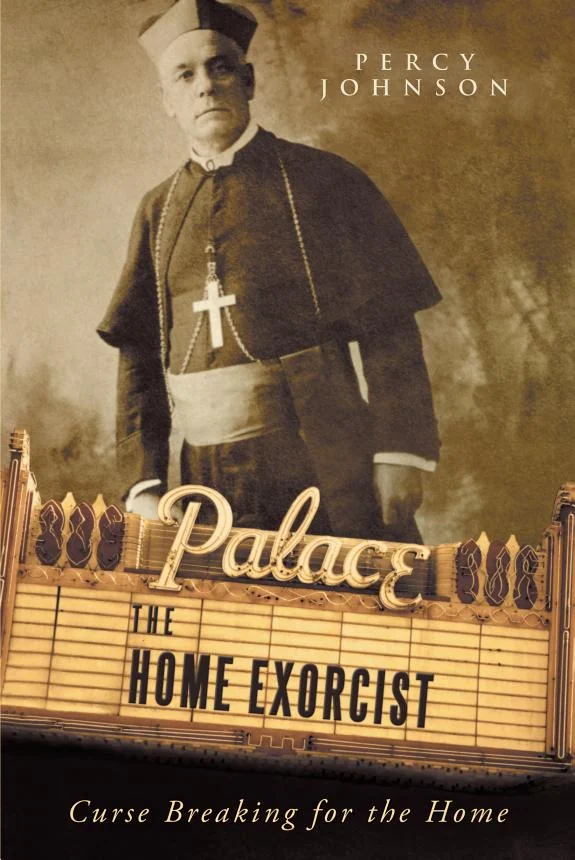
Percy Johnson’s *The Home Exorcist* attempts to demystify spiritual warfare for the average homeowner, positing that "demonic predation" is a tangible threat requiring practical countermeasures. The book’s strength lies in its direct, no-nonsense approach; it bypasses elaborate theological debates to offer actionable rites. Johnson’s interpretation of scripture as a source for "wartime power" is particularly striking, suggesting a militant application of faith for domestic protection. However, the work's reliance on the premise of widespread "demonic predation" without extensive substantiation may alienate skeptics or those with different theological frameworks. A notable passage discusses the "amplification" of spiritual energy through focused intent and divine invocation, a concept explored without much nuance. Ultimately, *The Home Exorcist* serves as a utilitarian guide for the already convinced, offering a specific, religiously-grounded method for perceived spiritual disturbances.
📝 Description
80
Percy Johnson's 2014 book, The Home Exorcist, details spiritual house-cleansing rituals.
The Home Exorcist, written by Percy Johnson and published in 2014, functions as a practical guide for domestic spiritual purification. Johnson outlines specific techniques and rituals designed to counter what he describes as negative spiritual energies and demonic influences within the home. The book places emphasis on empowering the primary resident, often the household head, to implement these spiritual defenses, drawing on religious texts and principles. It aims to equip individuals with the means to proactively protect their living spaces from perceived spiritual disturbances. The text is presented as accessible, even for those with limited means, framing itself as a cost-effective approach to spiritual defense.
Johnson directs this work towards individuals experiencing or concerned about paranormal activity or negative spiritual forces in their homes. It will appeal to those who wish to take active steps for spiritual protection, especially household leaders who feel a duty to safeguard their family's spiritual well-being. The book's approach is action-oriented, contrasting with more theoretical or academic discussions of the occult. It advocates for a direct, hands-on method of spiritual housekeeping. The core concept involves what Johnson terms "exorcist's rites," which he states are derived from "the Word of God." These rites are presented as a means to concentrate and amplify spiritual power to remove unwanted spiritual presences. The author stresses the household head's central role in this cleansing process, noting that adaptability in spiritual practice is important for success against such threats.
Published in 2014, The Home Exorcist emerged during a period of renewed interest in practical occultism and personal spiritual development. The early 2010s saw popular culture engage with paranormal themes, which also resonated within esoteric communities. Johnson's work fits within this trend by offering direct, actionable methods for spiritual self-protection, distinct from purely philosophical or academic studies of magic. It represents a segment of esoteric practice focused on tangible results and immediate application in daily life, particularly within the domestic sphere. The book's emphasis on rites derived from religious texts also places it within traditions that bridge folk magic and established religious frameworks.
💡 Why Read This Book?
• Gain practical, religiously-grounded rituals for spiritual house-cleansing, detailed in chapters like 'The Exorcist's Rites,' offering a direct alternative to passive spiritual approaches. • Understand the concept of "demonic predation" as presented by Johnson, learning specific techniques to "rid his home of negative spiritual energy" as outlined in the book's core tenets. • Discover how to "distill and amplify" spiritual power using "the Word of God" as a foundation for personal spiritual defense, a unique application of scriptural interpretation for domestic well-being.
⭐ Reader Reviews
Honest opinions from readers who have explored this book.
❓ Frequently Asked Questions
What is the primary goal of 'The Home Exorcist' by Percy Johnson?
The primary goal is to equip household heads with practical rites and techniques to expel negative spiritual energy and perceived demonic influences from their homes, acting as a spiritual defense manual.
When was 'The Home Exorcist' first published?
The book 'The Home Exorcist' by Percy Johnson was first published in February 2014.
What kind of spiritual energy does the book claim to address?
The book addresses "negative spiritual energy" and "demonic predation," aiming to cleanse a home of perceived malevolent spiritual presences and influences.
Who is the intended audience for 'The Home Exorcist'?
The intended audience includes household heads and individuals concerned about paranormal activity or spiritual disturbances within their homes, particularly those seeking self-guided spiritual protection.
What is the source of power recommended in the book for exorcism?
The book recommends drawing power from "the Word of God," suggesting that scriptural principles and divine invocation are central to the exorcist's rites it describes.
Does 'The Home Exorcist' require specialized equipment?
The book positions itself as a "poor man's prep," implying that it focuses on accessible methods and does not require extensive or specialized equipment, emphasizing spiritual intent and scriptural application.
🔮 Key Themes & Symbolism
Spiritual House-Cleansing
The core of *The Home Exorcist* lies in its methodology for cleansing domestic spaces of perceived negative spiritual influences. Johnson outlines specific "exorcist's rites" designed to actively remove "demonic predation" and "negative spiritual energy." This theme emphasizes a proactive, rather than reactive, stance towards spiritual well-being within the home, positioning the household head as the primary executor of these protective measures, drawing power from divine sources.
Empowerment of the Household Head
Johnson places significant emphasis on the role and responsibility of the "head of household." The book's structure and teachings are oriented towards empowering this individual to take charge of their home's spiritual security. It advocates for "versatility" in spiritual practice, suggesting that the leader must be equipped with a range of techniques derived from religious scripture to effectively combat perceived threats.
Scriptural Authority in Practice
The work posits that "the Word of God" is not merely a theological text but a source of potent spiritual power. Johnson's approach involves "distilling and amplifying" this power through specific rites. This theme highlights a literal and practical interpretation of religious texts, using them as direct tools for spiritual warfare and protection against paranormal phenomena.
Practical Occultism for the Layperson
Positioned as a "poor man's prep," the book aims to make spiritual defense accessible to a broad audience, not just esoteric specialists. It focuses on actionable steps and straightforward rituals, making the complex subject of exorcism and spiritual cleansing understandable and implementable for ordinary individuals concerned about their home environment.
💬 Memorable Quotes
Direct passages from the work, attributed to the author.
“The exorcist's rites distills and amplifies the wartime power found in the Word of God.”
— This statement underscores Johnson's view of scripture as a potent, active force, akin to a weapon in spiritual conflict. It suggests that the book's methods are designed to harness and intensify this inherent power for practical application.
“It is designed to assist the reader in ridding his home of negative spiritual energy and demonic predation.”
— This clearly states the book's practical purpose: to provide the reader with the tools and knowledge necessary to actively cleanse their living space of harmful spiritual influences and entities.
“As the head of household, one must overcome many challenges to achieve long-term success.”
— This frames spiritual protection as an integral component of overall household success and stability, linking the mundane challenges of leadership with the spiritual realm.
“It is a poor man's prep”
— This concise phrase positions the book as an accessible, low-resource guide for spiritual preparedness, suggesting that its teachings are practical and do not require significant financial investment or specialized training.
“From financial to emotional balance, versatility is key.”
— This highlights the complex nature of household management and spiritual well-being, implying that adaptability and a broad range of skills are essential for navigating life's challenges.
🌙 Esoteric Significance
Tradition
The work draws implicitly from Abrahamic spiritual warfare traditions, particularly a Protestant-Christian interpretation focused on the direct application of divine power through scripture. It departs from more formalized esoteric lineages like Hermeticism or Kabbalah by focusing on a singular, direct method derived from biblical authority, rather than complex symbolic systems or multi-layered initiatory paths.
Symbolism
While not heavily symbolic in the manner of Kabbalistic or Hermetic texts, the book utilizes the concept of "the Word of God" as a potent spiritual weapon. "Wartime power" serves as a motif, framing spiritual cleansing as an active conflict. The "head of household" functions as a symbolic archetype of authority and responsibility in the spiritual defense of the domestic realm.
Modern Relevance
Contemporary practitioners interested in deliverance ministry, Christian spiritual warfare, or practical home protection rituals may find Johnson's work relevant. It speaks to a modern desire for tangible spiritual empowerment and self-reliance in addressing perceived negative spiritual influences, resonating with individuals seeking direct, faith-based solutions outside of traditional institutional frameworks.
👥 Who Should Read This Book
• Individuals actively engaged in Christian spiritual warfare who seek practical, scripturally-based rites for home protection. • Household heads feeling a direct responsibility for the spiritual well-being of their family and home environment. • Practitioners of esoteric or metaphysical arts interested in comparative approaches to spiritual cleansing and protection, particularly those focusing on faith-based methods.
📜 Historical Context
Published in 2014, *The Home Exorcist* emerged during a period of sustained public fascination with the paranormal, amplified by digital media and reality television. Esoterically, this era saw a growing interest in practical, self-directed spiritual practices, moving away from strictly academic or ceremonial traditions. Percy Johnson's work fits within this trend, offering a direct, actionable manual for spiritual defense. It contrasts with the more philosophical explorations of spirituality prevalent in some circles, and stands apart from the established ceremonial magic traditions like those influenced by Aleister Crowley's work or the writings of figures such as Dion Fortune. While there was no specific widely documented reception event like a major censorship or award, the book tapped into a contemporary undercurrent of concern about spiritual well-being in domestic spaces, a theme echoed in various online forums and subcultures dedicated to paranormal investigation and spiritual protection.
📔 Journal Prompts
The "wartime power" found in scripture: how can it be actively applied in domestic spiritual defense?
Identifying "negative spiritual energy": what are the signs and how does the book suggest addressing them?
The role of the "head of household" in spiritual protection: what personal qualities are emphasized?
The concept of "demonic predation": how does Johnson define its manifestation and impact?
Versatility in spiritual practice: what does this mean for effective household management?
🗂️ Glossary
Exorcist's Rites
Specific rituals and prayers detailed in the book, designed to expel negative spiritual energies and entities from a home.
Negative Spiritual Energy
A broad term used to describe malevolent or disruptive spiritual influences perceived to inhabit or affect a domestic space.
Demonic Predation
The act of spiritual entities or forces actively targeting and exploiting individuals or households for harmful purposes, as described by the author.
Word of God
Refers to divine scripture, interpreted by the author as a source of potent spiritual power that can be harnessed for protection and cleansing.
Poor Man's Prep
A descriptor for the book, indicating that its methods are accessible, practical, and do not require significant financial resources or specialized equipment.
Versatility
The ability to adapt and employ a range of skills or techniques, presented as crucial for the head of household in managing spiritual and other challenges.
Spiritual Warfare
The concept of actively confronting and overcoming negative spiritual forces through prayer, ritual, and faith-based practices.
This book appears in 1 collection
🔮 Readers Also Liked
Browse all →









From the “Exorcism” Collection
View all →


More Free Occult Philosophy Books
View all →