Daughters of Eve
 76
76

Daughters of Eve
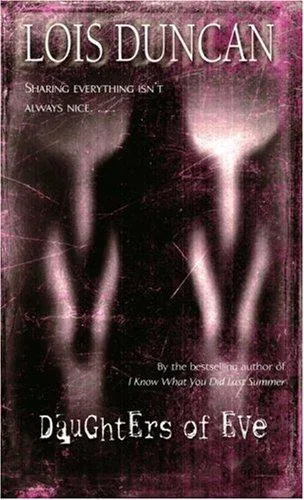
Lois Duncan’s Daughters of Eve offers a compelling, if somewhat dated, exploration of inherited potential and societal expectation. The novel’s strength lies in its character development, particularly the subtle ways the protagonists grapple with their shared, extraordinary circumstances. Duncan masterfully builds suspense, not through overt supernatural phenomena, but through the creeping realization of a shared destiny. A particularly effective passage details the girls’ growing awareness of subtle, synchronous behaviors, hinting at a deeper connection. However, the narrative’s pacing occasionally falters, and the resolution, while thematically consistent, may feel abrupt to some readers. The book’s exploration of inherited traits, while prescient for 1990, lacks the scientific nuance expected today, positioning it more as speculative fiction than a proto-genetic thriller. Still, for its time, it presented a unique angle on female solidarity and the burdens of legacy. Daughters of Eve remains a worthwhile read for its psychological depth and its intriguing premise.
📝 Description
76
Lois Duncan's 1990 novel Daughters of Eve examines a hidden legacy passed through generations of women.
Daughters of Eve, published in 1990, follows a group of young women who uncover a shared, unusual inheritance. This revelation forces them to confront questions about their identities and the paths laid out before them. The narrative weaves psychological suspense with speculative elements concerning genetics and destiny. Readers interested in how ancestry might shape one's life will find the story engaging.
Duncan's work often blends mystery with adolescent concerns, and this novel offers a familiar yet distinct voice. It speaks to the internal struggles of characters grappling with external forces beyond their immediate understanding. The book touches on anxieties surrounding determinism and the extent of human agency, themes that resonated in late 20th-century discussions.
While not explicitly labeled as esoteric, Daughters of Eve touches upon themes that resonate with metaphysical inquiries, particularly the concept of a 'secret inheritance' and its psychological ramifications. The novel probes the idea of destiny being influenced by lineage, a notion explored in various occult and spiritual traditions that posit hidden connections and predetermined paths. The characters' struggle to understand their shared legacy and its impact on their free will aligns with discussions found in esoteric literature concerning the interplay between innate spiritual or energetic predispositions and individual choice.
💡 Why Read This Book?
• Gain insight into the anxieties surrounding inherited traits and destiny, as explored through the narrative's focus on the "shared legacy" of the young women. • Experience a suspenseful narrative that examines identity formation under unique, externally imposed pressures, particularly relevant to understanding adolescent psychology. • Appreciate Lois Duncan's 1990 approach to speculative fiction, offering a glimpse into how themes of determinism and female bonding were conceptualized before contemporary scientific advancements.
⭐ Reader Reviews
Honest opinions from readers who have explored this book.
❓ Frequently Asked Questions
What is the central premise of Lois Duncan's Daughters of Eve?
The novel centers on a group of young women who discover they share an unusual, inherited legacy. This revelation prompts them to question their identities and futures, exploring themes of destiny and societal expectations.
When was Daughters of Eve first published and what was the cultural climate?
Daughters of Eve was first published in 1990. This period saw increasing public interest in genetics and inherited characteristics, influencing the novel's exploration of predetermined influences on life paths.
Does Daughters of Eve contain explicit supernatural elements?
While not overtly supernatural, the novel leans into speculative fiction, exploring themes of inherited traits and shared destinies that can feel mysterious. The focus is more on psychological suspense and the implications of these shared inheritances.
What kind of characters does Lois Duncan typically write about in her novels?
Lois Duncan is known for writing about adolescent protagonists facing mysterious circumstances or suspenseful situations. Her characters often deal with themes of identity, family secrets, and the challenges of growing up, as seen in Daughters of Eve.
Is Daughters of Eve considered a mystery novel?
Yes, it can be classified as a mystery or suspense novel, particularly aimed at young adults. The core of the story involves the unraveling of a secret connected to the protagonists' ancestry.
What are the main themes explored in Daughters of Eve?
The primary themes include inherited traits, destiny versus free will, female bonding and solidarity, the nature of identity, and societal pressures placed upon young women.
🔮 Key Themes & Symbolism
Inherited Legacy
The concept of a 'secret inheritance' is central, suggesting that certain qualities or destinies are passed down through lineage. This theme questions the extent to which individuals are products of their ancestry versus their own choices. The novel explores how the awareness of such a legacy can shape self-perception and future aspirations, presenting a narrative where biological heritage plays a significant, albeit mysterious, role in the protagonists' lives.
Identity and Self-Discovery
Daughters of Eve looks at the formation of identity, particularly for young women at a critical juncture. The discovery of their shared legacy forces the characters to re-evaluate who they are, moving beyond their individual backgrounds to consider a collective identity. This process involves confronting societal expectations and understanding the internal and external forces that contribute to one's sense of self.
Female Solidarity
The novel highlights the power of sisterhood and mutual support among the protagonists. Facing a unique and potentially daunting shared experience, the young women find strength in their collective bond. This theme emphasizes the importance of community and shared understanding, particularly for those navigating complex or unusual circumstances, fostering a sense of belonging and shared purpose.
Destiny vs. Agency
A core tension in Daughters of Eve lies in the exploration of destiny versus free will. The 'inherited legacy' suggests a predetermined path, yet the characters' reactions and choices reveal their agency. The narrative probes whether one's future is set by birth or forged through individual decisions, inviting readers to consider the interplay between inherent potential and personal volition.
💬 Memorable Quotes
Direct passages from the work, attributed to the author.
“They were different, yet alike in a way no one else could understand.”
— This interpretation captures the essence of the protagonists' shared, extraordinary connection. It speaks to the unique bond formed by their 'secret inheritance,' setting them apart from the rest of the world.
“The past has a way of catching up with you.”
— This speaks to the inescapable nature of heritage and ancestry. It suggests that one's background, even if unknown or unacknowledged, inevitably influences the present and future.
“Sometimes, the strangest families are the ones you choose.”
— This interpretation highlights the theme of chosen sisterhood. It suggests that the bonds formed through shared experience and mutual understanding can be as powerful, if not more so, than biological ties.
“Her future felt written, but she hadn't read the script.”
— This phrase captures the feeling of predetermined destiny intertwined with a lack of control or knowledge. It reflects the protagonists' uncertainty about their path, despite the suggestion that it is already laid out.
💡 Key Ideas
Editorial paraphrase of the work's core concepts — not direct quotes.
What if who you are is already decided?
This quote reflects the central dilemma of destiny versus free will. It captures the protagonists' struggle to reconcile their sense of self with the implications of an inherited legacy.
🌙 Esoteric Significance
Tradition
While not explicitly belonging to a single esoteric tradition, Daughters of Eve touches upon themes resonant with Gnostic ideas of hidden knowledge and predetermined fate. The concept of an 'inherited legacy' can be interpreted through a lens of spiritual lineage or a karmic inheritance, where individuals are born with certain potentials or burdens tied to their ancestry. It departs from more structured traditions by focusing on a more generalized, psychological manifestation of these inherited forces within a contemporary setting.
Symbolism
The primary symbolic motif is the 'secret inheritance' itself, representing a hidden potential or destiny passed down through generations. This can be seen as a symbolic representation of the collective unconscious or ancestral memory. The convergence of the young women can also symbolize the formation of a 'sacred feminine' collective, united by shared understanding and purpose, moving beyond individual isolation.
Modern Relevance
The novel's exploration of inherited traits and their potential impact on identity continues to resonate in contemporary discussions about genetics, epigenetics, and the nature vs. nurture debate. While Duncan's approach is speculative, it prefigures modern interest in how our ancestry might influence our predispositions, albeit in a less scientifically deterministic manner. It remains relevant for those interested in the psychological impact of perceived destiny and the power of collective female experience.
👥 Who Should Read This Book
• Young adult readers interested in mystery and suspense novels that explore themes of identity and destiny. • Fans of Lois Duncan's previous works looking for another engaging story with relatable adolescent protagonists. • Readers curious about speculative fiction that touches upon themes of heredity and the potential influence of ancestry on one's life path.
📜 Historical Context
Published in 1990, Lois Duncan's Daughters of Eve emerged in an era captivated by burgeoning genetic science and its potential to explain human behavior. The late 20th century saw a growing public fascination with heredity, mirroring scientific advancements that were beginning to map the human genome. This cultural climate provided fertile ground for a novel exploring inherited traits and predetermined destinies. While not directly engaging with the burgeoning New Age movement, which offered alternative spiritual paths, Duncan's work tapped into a broader cultural discourse questioning determinism versus free will. It arrived in a literary landscape where authors like Stephen King, though in a different genre, also explored the darker implications of inherited traits and psychological pressures on individuals. The novel's reception was generally positive within its young adult readership, appreciated for its suspense and character-driven narrative.
📔 Journal Prompts
The nature of the 'shared legacy' and its impact on individual identity.
Reflect on the concept of inherited traits as presented in the narrative.
Consider the bonds of 'sisterhood' formed by the protagonists.
Analyze the balance between destiny and free will in the characters' lives.
Explore the societal pressures faced by the young women in the novel.
🗂️ Glossary
Shared Legacy
A unique, often hidden, inheritance or destiny passed down through ancestry, affecting a group of individuals, as experienced by the protagonists in Daughters of Eve.
Inherited Traits
Characteristics, tendencies, or predispositions passed from parents to offspring through genetic inheritance, explored in the novel as a potential determinant of personality and future.
Psychological Suspense
A genre of fiction that relies on building tension and unease through the mental and emotional states of characters, rather than overt physical threats.
Destiny
The predetermined course of events, often believed to be influenced by supernatural or external forces, a key theme questioned throughout the book.
Agency
The capacity of individuals to act independently and make their own free choices, contrasted with the idea of a predetermined destiny in the novel.
Sisterhood
A bond of solidarity and mutual support among women, central to the narrative as the protagonists form connections based on their shared unique circumstances.
Speculative Fiction
A broad genre encompassing fiction that departs from the known and the real, including elements of the fantastical, futuristic, or other speculative premises like those in Daughters of Eve.
🔮 Readers Also Liked
Browse all →









More by Lois Duncan
All books →





More Free Occult Philosophy Books
View all →