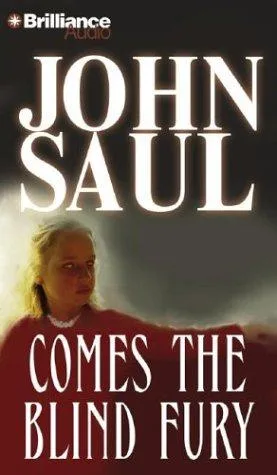
Comes the Blind Fury
 72
72

Comes the Blind Fury
John Saul’s *Comes the Blind Fury* crafts an unsettling atmosphere from its opening pages, a characteristic strength of his work. The novel’s true power lies in its depiction of how external, seemingly supernatural events can mirror and amplify internal psychological distress. The island setting is particularly effective, acting as a pressure cooker for the characters’ unraveling sanity. However, the narrative occasionally falters in its pacing, with certain plot developments feeling overly predictable for seasoned horror readers. The central mystery, while compelling, suffers from a resolution that, while thematically consistent, feels somewhat abrupt, leaving a few threads less resolved than one might hope. Despite these minor shortcomings, the book succeeds in its aim to disturb and provoke thought about the unseen forces that can shape our lives.
Verdict: A competently crafted psychological horror that effectively uses its setting to amplify dread.
📝 Description
72
John Saul's 1990 novel, Comes the Blind Fury, questions the sanity of a young boy on a remote island.
Kevin is sent to live with his aunt and uncle on a remote island after a family tragedy. The island, however, hides a dark past and unresolved trauma that soon begins to affect Kevin and those around him. The seemingly peaceful setting is a facade for a history that encroaches upon the present. Saul builds suspense through a growing sense of dread and psychological unease, rather than explicit violence.
The narrative examines inherited trauma and the unsettling connection between past events and their impact on current lives. It blurs the lines between what is real and what is imagined, leaving the reader to question Kevin's perception. The island itself serves as a potent symbol of lingering emotional residue and a history that refuses to stay buried.
Published in 1990, Comes the Blind Fury taps into the late 20th century's interest in the darker aspects of the human psyche. The novel aligns with narratives that explore inherited trauma and the potential for past events, even those of a spiritual or cursed nature, to influence the present. It fits within a tradition of supernatural fiction that uses isolated settings to amplify feelings of vulnerability and explore how psychological states can interact with perceived external forces, questioning the very nature of reality and perception.
💡 Why Read This Book?
• Gain insight into the psychological impact of inherited trauma, as depicted through Kevin's experiences on the island after 1990. • Explore the concept of a haunted locale where past events manifest physically, a key element of the island's narrative. • Experience a narrative that blurs the lines between the supernatural and psychological breakdown, a hallmark of Saul's 1990 publication.
⭐ Reader Reviews
Honest opinions from readers who have explored this book.
❓ Frequently Asked Questions
What is the primary setting of John Saul's Comes the Blind Fury?
The novel is primarily set on a remote, isolated island, which plays a crucial role in building the story's atmosphere of suspense and dread.
Who is the main protagonist in Comes the Blind Fury?
The central character is a young boy named Kevin, who is sent to live on the island with his aunt and uncle following a personal tragedy.
What year was Comes the Blind Fury first published?
Comes the Blind Fury was first published in 1990, placing it within the late 20th-century wave of psychological thrillers.
What are the main themes explored in the book?
Key themes include inherited trauma, psychological breakdown, the uncanny, and the pervasive influence of past events on the present.
Is Comes the Blind Fury considered a supernatural horror novel?
Yes, it is generally classified as supernatural horror, with elements of psychological suspense and a focus on atmospheric dread.
Does the book feature graphic violence?
While the book deals with dark themes and suspense, its horror often stems from psychological tension and atmosphere rather than explicit gore.
🔮 Key Themes & Symbolism
Inherited Trauma
The narrative powerfully illustrates how unresolved trauma can echo through generations, manifesting in disturbing ways for those who inherit the psychic burden. Kevin's arrival on the island triggers a resurgence of past horrors, suggesting that certain emotional wounds are not merely personal but can be imprinted upon places and bloodlines, a concept explored throughout the novel's 1990 publication timeline.
The Uncanny Island
The island setting in Comes the Blind Fury transcends mere backdrop; it becomes an active participant in the unfolding horror. Its isolation amplifies the characters' psychological vulnerabilities, and its history seems to bleed into the present, creating an atmosphere where the familiar becomes menacing. This personification of place reflects a long tradition in horror literature of locations holding sentient malevolence.
Perception and Madness
Saul masterfully blurs the line between objective reality and subjective experience, forcing readers to question what is truly happening and what is a product of Kevin's increasingly fractured psyche. The story probes the fragility of the human mind under extreme stress, suggesting that the 'blind fury' could be both an external force and an internal descent into madness.
The Weight of the Past
Comes the Blind Fury emphasizes how buried secrets and historical atrocities can exert a tangible, destructive influence on the present. The island's dark past is not merely a historical footnote but a living entity that actively shapes the lives of its inhabitants, particularly Kevin, who becomes its focal point.
💬 Memorable Quotes
Direct passages from the work, attributed to the author.
“He felt the island breathing, a slow, ancient rhythm of dread.”
— This evocative description highlights the supernatural and atmospheric elements, portraying the island itself as a living, malevolent entity tied to a deep sense of foreboding.
“The fury was not just in the storm, but in the silence that followed.”
— This interpretation suggests the 'blind fury' extends beyond overt chaos, encompassing a more insidious, lingering dread that persists even in apparent tranquility, hinting at deeper, unresolved issues.
💡 Key Ideas
Editorial paraphrase of the work's core concepts — not direct quotes.
The house seemed to watch him, its windows like vacant eyes.
This line captures the pervasive sense of unease and the personification of the environment. It suggests an oppressive, sentient presence within the setting, contributing to the psychological horror.
Some pains never truly healed; they festered, waiting.
This paraphrase speaks to the theme of lingering trauma. It implies that past emotional wounds remain potent and can resurface with devastating force, influencing the present narrative.
What was real was becoming a question he could no longer answer.
This quote captures the novel's exploration of psychological breakdown and the erosion of certainty. It points to the protagonist's struggle to distinguish between external events and internal delusion.
🌙 Esoteric Significance
Tradition
While not explicitly tied to a single esoteric tradition like Hermeticism or Gnosticism, *Comes the Blind Fury* draws heavily on archetypal themes found in folk magic and animistic beliefs. The concept of a 'haunted' location, where the land itself absorbs and reflects past traumas, aligns with earth-spirit veneration and the idea that places can hold residual energy. It touches upon the notion of ancestral curses and the psychic inheritance that can plague families, a common motif in many esoteric narratives.
Symbolism
The island serves as a potent symbol of isolation and a microcosm of the psyche, a place where internal turmoil is amplified by external confinement. The recurring motif of the 'blind fury' can be interpreted as a force of primal, unreasoning chaos, perhaps representing the Id or a primal spirit unbound by reason. The isolated house itself often symbolizes the vulnerable self, under siege from both external threats and internal disintegration.
Modern Relevance
Contemporary explorations of inherited trauma, particularly in therapeutic contexts and speculative fiction, echo the concerns raised in *Comes the Blind Fury*. Thinkers and practitioners in fields like ecopsychology, which examines the relationship between human psychology and the natural environment, might find resonance in the novel's portrayal of a sentient, reactive landscape. The book’s exploration of how past events haunt the present continues to be a relevant lens through which to examine societal and personal histories.
👥 Who Should Read This Book
• Readers interested in psychological horror that emphasizes atmosphere and dread over gore, particularly those who appreciate narratives set in isolated locations. • Individuals intrigued by the concept of inherited trauma and how past events can manifest in the present, exploring themes often touched upon in esoteric studies. • Fans of classic 1990s suspense thrillers who enjoy stories that blur the lines between supernatural phenomena and psychological unraveling.
📜 Historical Context
When *Comes the Blind Fury* emerged in 1990, the range of horror fiction was diverse, with authors like Stephen King still dominating the bestseller lists, often focusing on grander supernatural threats or deeply human psychological drama. John Saul carved his niche by concentrating on more contained, atmospheric dread and the specific terror of familial breakdown amplified by the uncanny. The novel arrived during a period where psychological thrillers were popular, building on the success of films like *The Shining* and novels that explored the darker corners of the human psyche. While not directly engaged in a specific intellectual movement, Saul’s work tapped into a broader cultural fascination with the occult and the subconscious, a trend that continued from the 1970s and 80s. Reception at the time noted Saul's consistent ability to create suspenseful narratives, though some critics might have found his thematic preoccupations repetitive compared to more experimental horror writers of the era.
📔 Journal Prompts
The island's oppressive atmosphere and its perceived sentience.
Kevin's psychological state and the manifestation of the 'blind fury'.
The symbolic weight of the isolated house and its connection to the past.
How historical events on the island influence present-day characters.
The ambiguity between supernatural influence and psychological breakdown.
🗂️ Glossary
The Blind Fury
A term used to describe the overwhelming, irrational force of chaos and destruction that permeates the narrative, potentially representing both external supernatural influence and internal psychological collapse.
Residual Haunting
The concept that intense emotional events can leave an energetic imprint on a location, causing phenomena that mimic hauntings without necessarily involving a distinct spirit. The island exhibits characteristics of this.
Psychic Inheritance
The idea that emotional burdens, traumas, or even psychic sensitivities can be passed down through family lines, influencing descendants' experiences and mental states.
Folie à Deux
A psychiatric syndrome where a delusion or mental disorder is shared by two or more individuals. The narrative plays with the possibility of such shared delusions among the island's inhabitants.
The Uncanny
A psychological concept describing the eerie feeling of something being simultaneously familiar and foreign, often leading to unease or dread. The island's environment evokes this feeling.
Atmospheric Horror
A subgenre of horror that relies on building suspense, mood, and a sense of dread through setting, sound, and psychological tension, rather than explicit violence or jump scares.
Latent Psychic Abilities
The notion that individuals may possess undeveloped or dormant psychic powers that can surface under specific conditions, such as extreme stress or exposure to certain environments.
🔮 Readers Also Liked
Browse all →







More by John Saul
All books →



More Free Occult Philosophy Books
View all →