The Complete Guide to Tea-leaf Reading
 73
73

The Complete Guide to Tea-leaf Reading
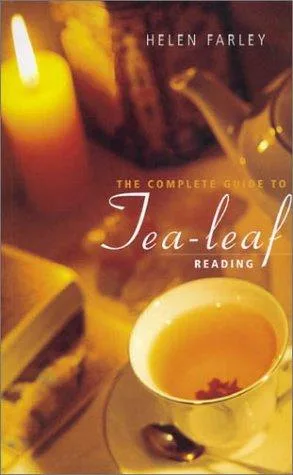
Helen Farley's 2000 publication, The Complete Guide to Tea-leaf Reading, serves as a diligent compendium for those drawn to the whispers within a teacup. Its strength lies in its encyclopedic approach, meticulously cataloging an impressive array of symbols encountered in tasseography, offering a robust dictionary that facilitates practical application. However, the sheer volume of interpretations, while comprehensive, can occasionally feel overwhelming, demanding significant memorization rather than fostering immediate intuitive leaps. A passage detailing the interpretation of a 'snake' symbol, for instance, presents multiple, sometimes contradictory, meanings depending on its context within the cup, highlighting the book's thoroughness but also its potential for ambiguity. The work is a solid reference, though it could benefit from more guidance on synthesizing diverse symbols into a coherent narrative. It is a practical manual for the dedicated student of divination.
📝 Description
73
Helen Farley published The Complete Guide to Tea-leaf Reading in 2000.
This 2000 volume by Helen Farley serves as a practical manual for tasseography, the art of reading tea leaves. It aims to demystify this practice, often seen as folklore, by offering a structured method for those interested in divination. The book details how to interpret the patterns and symbols left in a teacup after drinking, presenting a systematic approach for aspiring readers.
Farley's guide is intended for individuals curious about divination, personal growth, and esoteric practices. It welcomes beginners new to tea-leaf reading and also offers value to those with existing experience looking to deepen their understanding. Readers who appreciate historical methods of divination and seek a tangible way to gain insight will find this book useful. It connects the practice to a tradition that has been passed down through less formal channels.
Published in 2000, Farley's guide entered a period of renewed interest in esoteric practices. Tasseography, with origins in Ottoman Turkey and wider use in Europe and America from the 18th century, was part of a modern revival of divinatory studies. This book makes accessible a tradition previously transmitted through oral means or less structured writings, positioning it within contemporary occult and self-discovery movements.
💡 Why Read This Book?
• Learn the foundational techniques of tasseography, including how to prepare the tea and cup for divination, as outlined in Farley's structured approach from Chapter 1. • Master the interpretation of a wide spectrum of symbols by utilizing the extensive dictionary provided, enabling you to decode images like the 'anchor' or 'tree' with greater confidence. • Develop your intuitive connection to the divination process by understanding how factors like tea type and cup shape, discussed in the early sections, influence the reading.
⭐ Reader Reviews
Honest opinions from readers who have explored this book.
❓ Frequently Asked Questions
What is the historical origin of tea-leaf reading?
Tea-leaf reading, or tasseography, has roots tracing back to ancient divination practices. Its modern form gained popularity in the Ottoman Empire and later spread to Europe and America, particularly flourishing in the 18th and 19th centuries.
Does the type of tea affect tea-leaf reading?
Yes, the type of tea can be significant. Loose-leaf teas, especially those with smaller particles like black tea, are often preferred for tasseography as they leave a more defined pattern of leaves in the cup.
How many symbols are typically covered in a guide to tea-leaf reading?
Comprehensive guides, like Helen Farley's, can cover hundreds of symbols. This particular book includes an extensive dictionary to aid in interpretation, ranging from common shapes to more obscure figures.
Is Helen Farley's guide suitable for absolute beginners?
Absolutely. The Complete Guide to Tea-leaf Reading is structured to introduce beginners to the practice, explaining the necessary steps and providing a clear reference for symbol meanings.
When was The Complete Guide to Tea-leaf Reading first published?
The book by Helen Farley was first published in the year 2000, positioning it within a contemporary resurgence of interest in esoteric and divinatory practices.
What is the significance of the cup's shape in tea-leaf reading?
The shape of the teacup is considered important as it influences the distribution and clarity of the tea leaves. Wider mouths or specific curvatures can affect how symbols are formed and perceived.
🔮 Key Themes & Symbolism
Symbolic Language of Leaves
The core of this guide is the belief that tea leaves, when settled in a cup, form a visual language. Farley meticulously catalogues an extensive range of symbols, from animals and objects to abstract shapes, assigning specific meanings to each. This approach transforms the mundane residue of a drink into a canvas for divination, urging the reader to see beyond the literal and perceive the allegorical. The work emphasizes that context within the cup—such as proximity to the rim or base—further refines the interpretation of these leaf-formed signs.
The Art of Tasseography
Farley presents tasseography not as mere chance, but as a structured art form with historical precedent. The book details the ritualistic aspects, from the type of tea used (often loose-leaf black tea) to the method of drinking and swirling the cup. This focus on process underscores the intention required for effective divination. By providing a methodical framework, the guide seeks to elevate tea-leaf reading from folk superstition to a recognized practice of scrying, accessible through disciplined study and practice.
Intuitive Interpretation
While providing a comprehensive dictionary of symbols, the guide acknowledges the crucial role of intuition. Farley suggests that the reader's inner knowing is paramount in deciphering the messages within the leaves. The book encourages practitioners to develop their own unique relationship with the symbols, going beyond rote memorization to foster a personal connection. This balance between a defined symbolic lexicon and the cultivation of personal insight is central to mastering the practice.
Divination and Self-Discovery
Ultimately, The Complete Guide to Tea-leaf Reading positions tasseography as a tool for self-discovery and understanding one's life path. The patterns in the tea are interpreted as reflections of the drinker's inner state, challenges, and potential futures. By engaging with these symbolic messages, individuals are encouraged to gain perspective, address subconscious concerns, and make more informed decisions. The practice serves as a mirror, reflecting aspects of the self that might otherwise remain hidden.
💬 Memorable Quotes
Direct passages from the work, attributed to the author.
“The shapes left by the tea leaves are not random; they form a language waiting to be understood.”
— This interpretation highlights the book's central premise: that the patterns in a teacup possess inherent meaning and can be deciphered through specific knowledge and practice, framing tasseography as a form of symbolic communication.
“The act of drinking and swirling the tea is as important as the leaves that remain.”
— This emphasizes the ritualistic aspect of tasseography, suggesting that the intentionality and physical actions involved in preparing the cup for reading are integral to the divination process itself.
💡 Key Ideas
Editorial paraphrase of the work's core concepts — not direct quotes.
A dictionary of symbols provides the grammar, but intuition provides the voice for the teacup's message.
This paraphrased concept emphasizes the dual nature of effective tea-leaf reading as presented in the book, requiring both learned knowledge of symbol meanings and the practitioner's innate intuitive abilities to interpret them.
Observe the position of the symbol: near the rim suggests the near future, while the base indicates deeper, past influences.
This quote illustrates the book's practical guidance on interpreting the spatial dynamics within the teacup, showing how the location of a symbol can significantly alter its meaning and temporal relevance.
Each symbol can hold multiple meanings; context is the key to unlocking the specific message.
This paraphrased concept underscores the complexity of interpreting tea leaves, indicating that no single symbol has a fixed meaning and that its significance is determined by surrounding symbols and the overall pattern within the cup.
🌙 Esoteric Significance
Tradition
Tasseography, as presented in Farley's guide, aligns with the broader Western esoteric tradition of divination, which seeks to understand divine will or future events through symbolic interpretation. While not explicitly Hermetic or Kabbalistic, it shares the hermeneutic impulse common to these traditions: finding meaning in patterns and correspondences. It departs from more rigidly structured systems by emphasizing intuitive interpretation alongside a symbolic lexicon, offering a more fluid and personal approach to scrying.
Symbolism
The symbolism in tea-leaf reading is vast, but key motifs often include the 'Tree,' representing growth, stability, or family connections, and the 'Anchor,' signifying security, hope, or a potential period of rest. Farley's guide meticulously lists such symbols, interpreting them based on their common associations within Western culture and divination practices. The 'Snake,' for instance, can represent transformation, healing, or deception depending on its configuration and proximity to other figures.
Modern Relevance
In contemporary practice, Farley's guide remains relevant for its comprehensive cataloguing of symbols, serving as a foundational text for modern tasseographers. Its structured approach appeals to those seeking clear methodologies, a contrast to more abstract or intuitively-driven divination. The book's accessible format also makes it a popular choice for individuals exploring personal divination practices or incorporating elements of scrying into broader spiritual or mindfulness routines.
👥 Who Should Read This Book
• Aspiring diviners and practitioners of esoteric arts seeking a foundational text on tea-leaf reading. • Individuals interested in historical divination methods looking for a practical guide to a tactile form of scrying. • Those curious about self-discovery and personal insight who wish to explore symbolic interpretation through an accessible medium.
📜 Historical Context
Published in 2000, Helen Farley's guide emerged during a period of renewed global interest in esoteric practices and divination, often termed the 'New Age' movement. Tasseography, while ancient, had seen fluctuations in popularity. Its roots can be traced to ancient Greek and Roman practices, with specific methods becoming prominent in Ottoman Turkey, and later influencing European fortune-telling traditions by the 18th century. By the late 20th century, popularizers like Florence Jaffray Harriman had already brought it to wider American audiences. Farley's work entered this landscape as a comprehensive, accessible manual, contrasting with more esoteric or regionally specific texts. While not engaging directly with academic occultists of the era like Nevill Drury, Farley's book contributed to the broader accessibility of divination arts, standing alongside a growing body of literature on Tarot, astrology, and other divinatory systems that sought to codify and teach these practices to a new generation.
📔 Journal Prompts
The 'House' symbol: What aspects of your personal sanctuary or foundational beliefs does this symbol illuminate?
Interpreting the 'Bird' symbol: What message of freedom, communication, or transition does it reveal in your current circumstances?
Reflect on the 'Bridge' symbol: What transitions or connections is your subconscious highlighting through this pattern?
The 'Ring' symbol: What commitments, cycles, or unions are being brought to your awareness?
Consider the 'Fish' symbol: What opportunities for abundance, intuition, or emotional depth are presented?
🗂️ Glossary
Tasseography
The practice of divination by interpreting patterns formed by tea leaves, coffee grounds, or wine sediments in a cup.
Scrying
A form of divination involving gazing into a reflective surface (like a crystal ball, mirror, or in this case, tea leaves) to receive visions or insights.
Symbolism
The use of symbols to represent ideas or qualities; in tasseography, the shapes formed by tea leaves are interpreted symbolically.
Loose-leaf tea
Tea that is not powdered or put into tea bags, typically consisting of whole or broken tea leaves, often preferred for tasseography.
Divination
The practice of seeking knowledge of the future or the unknown by supernatural means.
Interpretation
The action of explaining the meaning of something; in this context, assigning meaning to the shapes formed by tea leaves.
Cup Reading
A colloquial term for tea-leaf reading, referring to the process of interpreting the patterns within a teacup.