Colors from the Zohar

 61
61

Colors from the Zohar

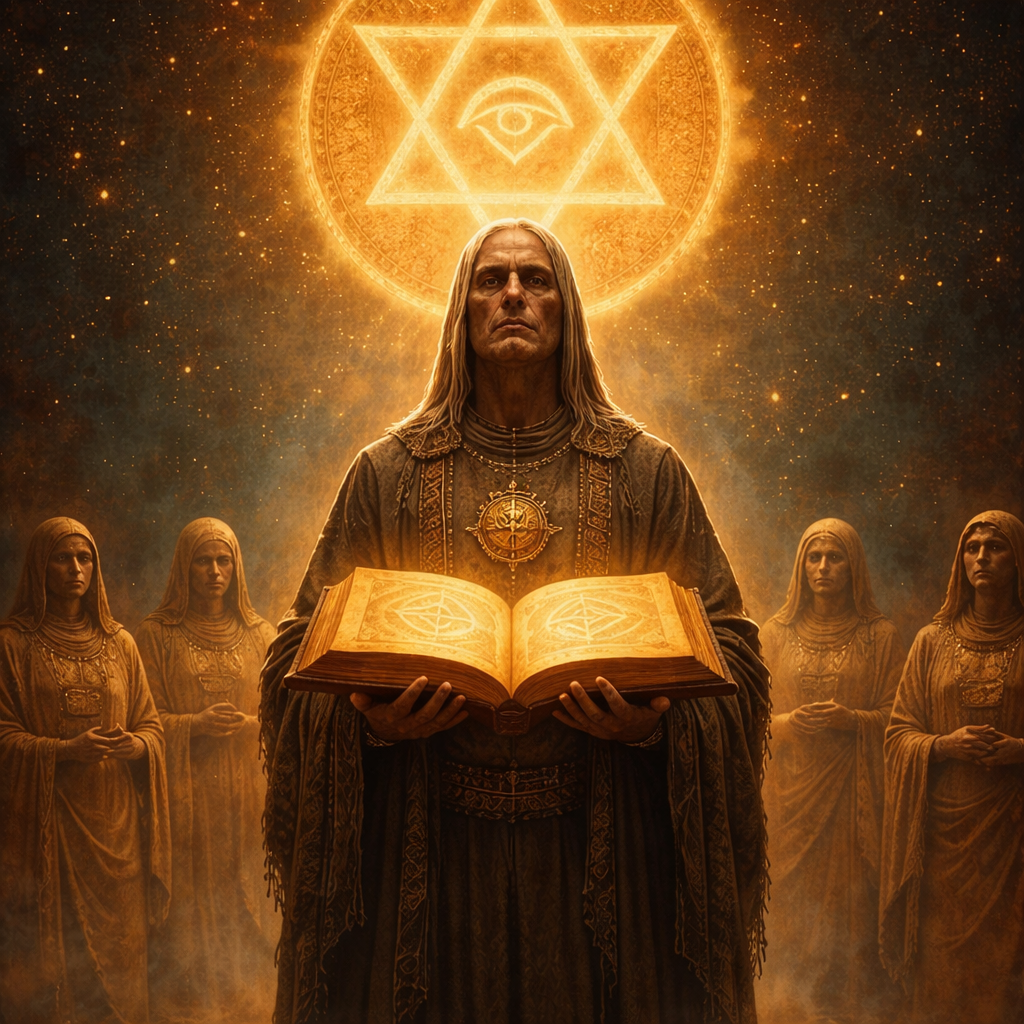

Jerry Winston's "Colors from the Zohar" is a revelation for anyone serious about Kabbalistic studies. Winston's profound erudition and intuitive grasp of Zoharic texts shine through, offering an unparalleled exploration of color symbolism within Jewish mysticism. He masterfully bridges ancient wisdom with contemporary understanding, revealing the dynamic interplay of divine energies. This book is an indispensable resource for students of Kabbalah, offering clear insights into complex concepts. Its scholarly rigor is matched by a deeply spiritual resonance, making it a vital read for practitioners seeking to deepen their connection to the divine through the vibrant language of light.
📝 Description
61
Jerry Winston's 1998 book deciphers the symbolic spectrum of divine light in the Zohar.
Published in 1998, Jerry Winston's "Colors from the Zohar" examines the mystical symbolism of light and color within the foundational Kabbalistic text, the Zohar. Winston argues that each color represents a distinct divine emanation, a concept he elaborates through detailed analysis of the Sefirot, or divine attributes. The book connects these attributes to their manifestation in both the wider cosmos and the individual human soul.
The work aims to reveal hidden correspondences between colors, divine energies, and the structure of creation. Winston's prose attempts to make these abstract concepts accessible, guiding readers toward an understanding of the universe's mystical underpinnings. It is presented not as a purely academic study, but as a means to perceive existence through the symbolic language of divine color, offering a path for those seeking to connect with fundamental spiritual forces.
This book operates within the tradition of Kabbalah, a system of Jewish mysticism that seeks to understand the divine nature and the creation of the universe. Specifically, it engages with the Zohar, a central text in Kabbalistic literature. Winston focuses on the visual and symbolic aspects of Kabbalistic cosmology, interpreting the divine emanations (Sefirot) through the language of color. This approach aligns with esoteric traditions that use sensory metaphors to describe transcendent realities and explore paths to spiritual awareness.
💡 Why Read This Book?
Unlock the secret language of divine light and cosmic creation. "Colors from the Zohar" offers a unique, symbolic key to understanding the Kabbalistic universe, revealing hidden pathways to spiritual insight and connection. Ideal for seekers of esoteric knowledge, scholars of mysticism, and practitioners of Jewish meditation who wish to perceive the world through a richer, more luminous lens.
⭐ Reader Reviews
Honest opinions from readers who have explored this book.
❓ Frequently Asked Questions
What is the Zohar?
The Zohar, meaning "Splendor," is the foundational text of Kabbalah, a mystical commentary on the Torah. It reveals esoteric interpretations of Jewish scripture, exploring divine realms, creation, and the soul's journey.
How does this book relate to Kabbalah?
This book is a deep dive into the symbolic language of color within Kabbalah, specifically as it appears in the Zohar. It explains how colors represent divine emanations and spiritual concepts.
Is prior knowledge of Kabbalah required?
While some familiarity with Kabbalistic concepts may enhance the experience, Winston's clear explanations make the book accessible to dedicated newcomers interested in mystical traditions.
What is the intended audience for this book?
The book is intended for students of Kabbalah, scholars of religious mysticism, spiritual seekers, and anyone interested in the esoteric dimensions of Jewish tradition and the symbolism of light and color.
Can this book be used for meditation or spiritual practice?
Yes, by understanding the symbolic meanings of colors as divine attributes and energies, readers can incorporate this knowledge into their contemplative practices and meditations.
🔮 Key Themes & Symbolism
The Spectrum of Divine Emanation
This theme studies the core concept of divine light manifesting as a spectrum of colors, each representing a distinct Sefirah or attribute of God. Winston elucidates how these colors are not merely visual phenomena but energetic frequencies that shape reality, from the highest spiritual realms to the material world. The exploration highlights the interconnectedness of all existence through this luminous divine outflow, providing a framework for understanding the universe as a vibrant collection of divine expression.
Color as a Kabbalistic Language
Here, the focus shifts to understanding color as a sophisticated symbolic language within the Zohar. Winston unpacks how specific hues are employed to convey profound theological and mystical ideas, acting as keys to unlock deeper layers of meaning in sacred texts. This section reveals the intricate semiotics of Kabbalistic color, demonstrating how the wise ancient mystics used this visual vocabulary to communicate complex spiritual truths about creation, redemption, and the nature of the Divine.
The Soul's Journey Through Color
This theme explores the personal and transformative aspect of color symbolism. Winston illustrates how understanding the energetic resonances of different colors can guide the individual soul on its path toward spiritual purification and divine union. It emphasizes the practical application of Kabbalistic color knowledge, suggesting that by attuning oneself to these divine hues, one can harmonize their inner being with the cosmic order, fostering spiritual growth and informative their own divine potential.
💬 Memorable Quotes
Direct passages from the work, attributed to the author.
“Each color is a channel to a higher realm.”
— This highlights the idea that specific colors within the Kabbalistic framework act as conduits, facilitating a connection and communication with distinct spiritual dimensions or divine energies.
“The universe is painted with the hues of God's will.”
— This poetic statement posits that the entirety of creation is a divine artwork, with colors representing the purposeful and intentional expressions of God's desire and creative force.
“Through color, we perceive the invisible structure of reality.”
— This emphasizes the revelatory power of color symbolism, suggesting that it provides insight into the underlying, non-physical architecture and order that governs existence.
“The soul appeals to the divine spectrum.”
— This points to an inherent spiritual affinity between the human soul and the full range of divine colors, suggesting that our inner essence naturally aligns with and can be uplifted by these spiritual frequencies.
💡 Key Ideas
Editorial paraphrase of the work's core concepts — not direct quotes.
Light is the garment of the Divine.
This quote suggests that divine essence is veiled or revealed through luminous emanations, akin to how clothing conceals or adorns the body, implying an accessible yet transcendent nature of God.
🌙 Esoteric Significance
Tradition
This book is deeply rooted in the Kabbalistic tradition, specifically the Lurianic and Zoharic streams of Jewish mysticism. It explores the Kabbalistic cosmology, the Tree of Life (Sefirot), and the concept of divine emanation (Ein Sof). The esoteric significance lies in its unveiling of the energetic and symbolic language of creation, providing a framework for understanding the divine blueprint and the soul's interconnectedness with the cosmos.
Symbolism
The primary symbolism revolves around the spectrum of divine colors as representing the Sefirot, divine attributes, and stages of creation. Each color is imbued with specific energetic qualities and spiritual meanings, serving as keys to unlock the hidden architecture of the universe. Winston deciphers this rich visual lexicon, revealing how colors function as conduits for divine consciousness and pathways for spiritual transformation, offering a profound symbolic understanding of existence.
Modern Relevance
In an era seeking deeper meaning and connection, "Colors from the Zohar" offers a timeless esoteric perspective. The book's exploration of divine light and color symbolism provides a potent tool for understanding consciousness, energy, and the interconnectedness of all things. Its insights can inform practices of mindfulness, meditation, and spiritual growth, offering a Kabbalistic lens through which to perceive and interact with the world, fostering a richer, more luminous experience of reality.
👥 Who Should Read This Book
This informative work is a must-read for dedicated students of Kabbalah and Jewish mysticism seeking to deepen their understanding of the Zohar's profound symbolism. Scholars of comparative religion and esoteric traditions will find its analysis invaluable. Spiritual seekers yearning to perceive the divine through the vibrant language of light and color will discover a profound guide. Furthermore, practitioners of meditation and contemplative arts can utilize its teachings to enhance their inner work and spiritual connection, offering a unique perspective on the energetic underpinnings of reality.
📜 Historical Context
Jerry Winston's "Colors from the Zohar" emerges from the collection of Jewish mysticism, drawing heavily from the Zohar, a seminal Kabbalistic text that first appeared in 13th-century Spain. This period was a fertile ground for mystical thought, influenced by Neoplatonic philosophy, Gnosticism, and earlier Jewish esoteric traditions. The Zohar's appearance marked a significant evolution in Kabbalah, shifting from more abstract discussions to a vivid, allegorical, and narrative-driven exploration of divine mysteries. Winston's work connects this medieval mystical flowering to contemporary understanding, demonstrating the enduring power of Zoharic symbolism, particularly its sophisticated use of color as a language for divine manifestation and cosmic order, offering a bridge across centuries of esoteric inquiry.
📔 Journal Prompts
Reflect on a color that strongly appeals to you. What emotions or ideas does it evoke, and how might this relate to a specific Sefirah or divine attribute?
Consider the concept of divine light as the source of all color. How does this perspective change your understanding of the physical world and your place within it?
The Zohar uses color symbolically. How can you apply this symbolic language to understand your own inner experiences or challenges?
If each color represents a divine emanation, how can consciously engaging with these colors (through art, nature, etc.) facilitate spiritual growth?
Meditate on the idea that the universe is 'painted with the hues of God's will.' What does this imply about divine order and your own destiny?
🗂️ Glossary
Sefirot
The ten divine emanations or attributes of God, forming the Kabbalistic Tree of Life. They represent stages of creation and divine revelation, often associated with specific colors and energies.
Ein Sof
The Kabbalistic term for God as 'Infinite' or 'Without End.' It represents the unknowable, transcendent aspect of the Divine before any manifestation or emanation occurs.
Zohar
The central text of Kabbalah, a mystical commentary on the Torah. It is written in Aramaic and explores divine mysteries, cosmology, and the nature of the soul.
Em (אֵם)
In Kabbalah, 'Em' refers to the concept of 'Mother,' often associated with the Sefirah of Binah (Understanding) or Malkhut (Kingdom), representing receptivity, nurturing, and the vessel for divine manifestation.
Or (אוֹר)
The Hebrew word for 'light.' In Kabbalah, Or signifies divine energy, consciousness, and the primary creative force emanating from Ein Sof.
This book appears in 1 collection
🔮 Readers Also Liked
Browse all →









More by Jerry Winston
All books →![[Zohar]](/img/thumb/zohar-jerry-winston.webp)
From the “Kabbalah” Collection
View all →








More Free Kabbalah & Jewish Mysticism Books
View all →