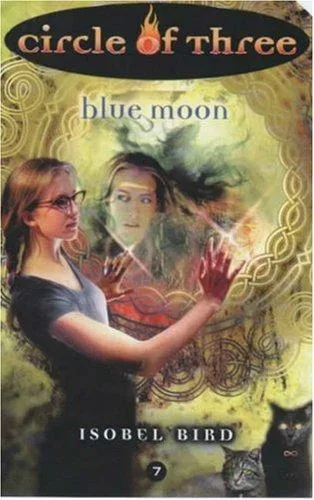
Circle of Three
 75
75

Circle of Three
Michael Thomas Ford’s Circle of Three, first appearing in 2001, offers a grounded look at adolescent witchcraft. The novel’s strength lies in its relatable portrayal of teenagers grappling with sudden, inexplicable abilities. It avoids grand pronouncements, instead focusing on the awkwardness and fear that would realistically accompany such a discovery. A particular passage where the protagonists try to consciously control minor telekinetic effects, resulting in more chaos than control, effectively captures this. However, the plot sometimes feels constrained by its YA framework, occasionally simplifying the potential ramifications of their powers. The resolution, while fitting for the genre, could have explored the darker ethical implications more deeply. Despite this, the work remains a solid entry for its authentic depiction of burgeoning magic.
📝 Description
75
Michael Thomas Ford's 2001 novel, Circle of Three, centers on teenagers discovering supernatural abilities.
Circle of Three follows three young individuals who awaken to latent magical powers. Their discovery forces them to confront the reality of these abilities and the duties they entail. The narrative weaves together themes of self-discovery and friendship with the unpredictable aspects of the occult as it touches adolescent life.
The book appeals to those who enjoy contemporary fantasy that mixes coming-of-age narratives with supernatural elements. It is especially suited for readers interested in witchcraft and magic within modern settings, focusing on character growth and group dynamics when extraordinary circumstances arise. Its accessible style makes it a good entry point for young adult readers and newcomers to occult fiction.
In the early 2000s, young adult literature saw a rise in supernatural themes, building on earlier works and a growing interest in alternative spirituality. Circle of Three appeared during a time when stories about teenagers finding hidden powers or entering magical worlds gained popularity. This period fostered narratives where young protagonists explored identity and belonging through fantasy, often mirroring changing societal views on magic and spirituality.
This novel fits within a tradition of modern occult fiction that examines magic not as an ancient, distant force, but as something accessible and potentially innate within ordinary individuals. It reflects a broader cultural interest in alternative spirituality and the idea that latent abilities can be awakened through personal experience, particularly during the formative years of adolescence. The focus on a trio and their combined power touches on concepts of sympathetic magic and the amplification of will through shared intent, common motifs in occult thought.
💡 Why Read This Book?
• Gain insight into the depiction of emergent witchcraft in early 2000s young adult fiction, understanding how Michael Thomas Ford presents magical discovery through the characters' initial struggles. • Experience a narrative focused on the interpersonal dynamics of three teenagers as they learn to harness their shared powers, particularly their collective energy amplification. • Explore the concept of innate magical potential as presented in the novel, observing how the characters' abilities manifest and evolve within a contemporary, non-fantastical setting.
⭐ Reader Reviews
Honest opinions from readers who have explored this book.
❓ Frequently Asked Questions
What is the central premise of Michael Thomas Ford's Circle of Three?
Circle of Three centers on three teenagers who discover they possess latent magical abilities. The novel, published in 2001, follows their journey as they come to terms with these powers and the implications they have for their lives and friendships.
Are there specific types of magic explored in Circle of Three?
The book focuses on the emergence of a range of supernatural abilities, including telekinesis and other forms of innate magical potential. It explores how these powers manifest unexpectedly in the characters.
What is the typical setting for the events in Circle of Three?
The story unfolds in a contemporary, real-world setting, contrasting the ordinary lives of the teenage protagonists with their extraordinary magical discoveries. This grounding makes the supernatural elements more relatable.
Who are the main characters in Circle of Three?
The primary characters are a trio of teenagers who form a 'circle' as they discover their shared magical connection. Their individual personalities and relationships are central to the narrative's development.
What themes does Circle of Three address?
The novel explores themes of self-discovery, friendship, responsibility, and the challenges of accepting and controlling newfound supernatural abilities within the context of adolescence.
When was Circle of Three first published?
Circle of Three was first published in 2001, placing it within a period of increasing popularity for young adult fiction featuring supernatural and magical elements.
🔮 Key Themes & Symbolism
Emergent Witchcraft
The narrative explores witchcraft not as a learned discipline but as an inherent, emergent force within individuals. The protagonists discover their powers unexpectedly, suggesting a latent connection to magical energies that surfaces during adolescence. This approach emphasizes the personal journey of awakening and the initial confusion and fear associated with such profound changes, moving away from traditional grimoire-based learning towards intuitive magical expression. The focus is on the internal experience of gaining power.
Adolescent Self-Discovery
Circle of Three uses the discovery of magic as a metaphor for the broader challenges of adolescent self-discovery. The teenagers' struggles to understand and control their abilities mirror their attempts to navigate identity, belonging, and social pressures. The formation of their 'circle' highlights the importance of peer support and shared experience during formative years. Their journey is as much about understanding themselves as it is about mastering supernatural forces.
The Power of Connection
A central theme is the amplified power derived from connection and unity, specifically within the 'circle' of three protagonists. Their combined magical output is greater than the sum of its parts, illustrating the esoteric concept of synergistic energy. This bond not only enhances their abilities but also provides emotional and psychological support as they face the unknown, underscoring how shared purpose can unlock hidden potentials.
Confronting the Unknown
The novel looks at the psychological impact of encountering the inexplicable. The characters must confront not only external challenges related to their powers but also their internal fears and anxieties about being different. This confrontation with the unknown extends to questioning the nature of reality and their place within it, encouraging a contemplation of what lies beyond conventional understanding.
💬 Memorable Quotes
Direct passages from the work, attributed to the author.
“The air itself seemed to hum with a power they were only beginning to understand.”
— This highlights the novel's focus on latent, ambient magic that awakens within the characters. It suggests an external, almost environmental source of power that speaks to their internal potential, creating a palpable sense of magical energy.
“They realized their individual strengths were amplified when they stood together.”
— This points to the core theme of collective power and the synergistic effect of their 'circle.' It underscores the idea that unity and shared intent can unlock greater magical capabilities than solitary efforts.
“Learning to control it felt less like studying and more like remembering.”
— This interpretation suggests that the magic isn't entirely foreign but rather an innate part of their being that requires rediscovery rather than external acquisition, aligning with concepts of innate potential.
“The world felt different now, charged with possibilities they’d never imagined.”
— This captures the transformative shift in the characters' perception of reality upon discovering their abilities. It emphasizes how the awareness of magic recontextualizes the mundane world, infusing it with new significance and potential.
“Fear was a constant companion, but so was a strange, exhilarating sense of belonging.”
— This speaks to the emotional complexity of their journey. It acknowledges the inherent fear of the unknown and the burden of their powers, balanced by the profound connection they find within their group.
🌙 Esoteric Significance
Tradition
Circle of Three engages with a modern, neo-pagan-influenced interpretation of witchcraft, focusing on innate magical potential rather than codified ritual or ceremonial magic. It draws from the idea of the 'witch's self,' where magic is an intrinsic part of one's being, awakened through personal experience and connection. This departure from traditional grimoires aligns with contemporary witchcraft practices that emphasize personal gnosis and the power of intention within a naturalistic framework.
Symbolism
The 'circle' itself is a potent symbol, representing unity, protection, and the cyclical nature of energy in many esoteric traditions. For the protagonists, their formed circle signifies their interconnectedness and the amplification of their powers through shared intent. Additionally, the unpredictable manifestation of their abilities can be seen as symbolizing the untamed, primal force of magic that exists beyond conscious control, challenging the notion of magic as solely a learned skill.
Modern Relevance
Contemporary thinkers and practitioners in modern witchcraft and paganism might find resonance in Ford's depiction of emergent, personal magic. The novel's focus on the psychological and social aspects of discovering supernatural abilities speaks to modern discussions around embodiment, self-acceptance, and finding community among those with similar experiences. It provides a fictional lens through which to explore the 'awakening' narrative common in many modern spiritual paths.
👥 Who Should Read This Book
• Young adult readers interested in contemporary fantasy and stories featuring teenage protagonists discovering supernatural abilities. • Aspiring practitioners or those curious about modern witchcraft narratives who appreciate a focus on character development and interpersonal dynamics. • Readers who enjoy explorations of self-discovery and friendship, where magical elements serve as a catalyst for personal growth and understanding.
📜 Historical Context
Published in 2001, Michael Thomas Ford's Circle of Three emerged during a period of significant popular engagement with supernatural narratives, particularly within young adult fiction. This era saw the rise of authors like J.K. Rowling and Stephenie Meyer, who explored themes of hidden worlds and extraordinary abilities intersecting with everyday life. Ford's work fits within this trend, offering a contemporary take on adolescent witchcraft. While not directly engaging with established esoteric traditions in a scholarly manner, the novel tapped into a growing cultural curiosity about paganism and witchcraft, presenting these concepts in an accessible, character-driven format. The reception was generally positive within its genre, praised for its relatable characters and grounded approach to magical discovery, distinguishing it from more overtly occult or academic texts of the time.
📔 Journal Prompts
The 'circle' of three: How might forming a similar bond influence your own personal growth?
Reflect on the feeling of 'remembering' magic versus 'learning' it. What does this distinction imply about innate potential?
Consider the balance of fear and exhilaration when confronting the unknown. How did the characters navigate this duality?
Analyze the concept of amplified power through connection. In what non-magical contexts does this principle apply?
The world charged with possibilities: How did the characters' perception shift, and how can you apply this to your own reality?
🗂️ Glossary
Emergent Magic
A form of magic that arises spontaneously within an individual, often during adolescence, rather than being learned through study or ritual. It is typically intuitive and deeply connected to the individual's personal experience and emotional state.
Latent Abilities
Supernatural or magical powers that exist within a person but are not yet active or manifest. These abilities may lie dormant until triggered by specific circumstances, emotional states, or external influences.
Synergistic Energy
The concept that the combined energy or power of multiple individuals working together can produce a greater effect than the sum of their individual contributions.
Witchcraft (Modern Context)
In contemporary fiction and practice, often refers to an innate connection to natural forces and personal power, distinct from historical or ceremonial traditions. Focuses on intuition and self-empowerment.
Adolescent Awakening
The process by which young individuals come to understand significant aspects of themselves or their capabilities, often involving emotional and psychological growth during their teenage years.
The Circle
In this novel, refers to the specific group of three protagonists who discover their shared magical connection and power, symbolizing unity and amplified energy.
Innate Potential
The inherent capacity or possibility for developing certain abilities or qualities, suggesting that these are present from birth rather than acquired.
🔮 Readers Also Liked
Browse all →





More by Michael Thomas Ford
All books →


More Free Witchcraft & Paganism Books
View all →