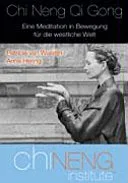
Chi Neng Qi Gong
 81
81

Chi Neng Qi Gong
Patricia van Walstijn and Anne Hering’s *Chi Neng Qi Gong* presents a structured entry into a potent system of energy cultivation. The clarity with which the foundational principles are laid out is commendable, particularly the emphasis on accessible postures and mindful direction of Qi. The book effectively demystifies concepts like Hun Yuan Li, making them approachable for those new to Chinese energetic practices. However, the detailed progression of exercises, while comprehensive, sometimes feels overly prescriptive, potentially leaving less room for intuitive adaptation that some practitioners might seek. A particularly effective section is the explanation of the Three Centers Alignment, offering a concrete physical and energetic anchor for the practice. While the book provides a solid theoretical and practical framework, its depth might be best appreciated by readers who can supplement it with direct instruction or further study to fully grasp the nuanced energetic subtleties. It serves as a robust guide for disciplined self-study.
📝 Description
81
Patricia van Walstijn and Anne Hering's 2023 book details Chi Neng Qi Gong, a system developed by Dr. Pang Ming.
Chi Neng Qi Gong, or CN Qi Gong, is a mind-body practice that focuses on cultivating internal energy, known as 'qi'. The system uses structured movements, meditation, and visualization to harmonize the body's energetic field. Its aim is to improve physical health, mental clarity, and spiritual awareness. Unlike some qi gong forms that might involve complex postures, CN Qi Gong emphasizes accessible principles and adaptable techniques.
This book is for people interested in a systematic method for energy cultivation, whether for self-healing, stress reduction, or boosting vitality. It suits those who appreciate practical applications of traditional knowledge. Practitioners of yoga or tai chi might find it useful for understanding internal energy better. The book accommodates both newcomers and experienced students seeking to refine their practice.
Chi Neng Qi Gong stems from Dr. Pang Ming's synthesis of classical Chinese medicine and qi gong traditions in the late 20th century. It represents a modern approach to traditional health preservation methods, emphasizing accessible techniques for cultivating vital energy. The system gained recognition in China from the 1980s, aligning with a renewed interest in traditional practices.
💡 Why Read This Book?
• Learn the foundational principles of Hun Yuan Li, the unified original force, understanding its role in the universe and personal health, a concept central to Dr. Pang Ming's system. • Master the 'Three Centers Alignment' technique, a specific method to harmonize the body's primary energy vortexes, enhancing the flow of Qi for well-being. • Gain practical skills in 'Lift-Up Qi' exercises, a core practice within Chi Neng Qi Gong designed to gather and circulate vital energy throughout the body.
⭐ Reader Reviews
Honest opinions from readers who have explored this book.
❓ Frequently Asked Questions
When was Chi Neng Qi Gong first published?
The system of Chi Neng Qi Gong, as presented in this work, was first introduced by Dr. Pang Ming and subsequently elaborated upon in texts like this one, with the initial publication of this specific book dating back to 2003.
What is the core philosophy behind Chi Neng Qi Gong?
The core philosophy centers on the concept of 'Hun Yuan Li', the unified original force, positing that all existence is interconnected and composed of this fundamental energy. Cultivating this energy leads to improved health and spiritual awareness.
Are there specific exercises mentioned in Chi Neng Qi Gong?
Yes, the book details several key exercises, including the foundational 'Lift-Up Qi' (Peng Qi) and the 'Body Mind Unity' (Xing Shen Zhuang) practices, designed to cultivate and circulate vital energy.
Who developed the Chi Neng Qi Gong system?
The Chi Neng Qi Gong system was primarily developed by Dr. Pang Ming, a contemporary Chinese medical doctor and qi gong master, who synthesized various traditional practices into this accessible form.
What is the 'Three Centers Alignment' in Chi Neng Qi Gong?
The 'Three Centers Alignment' refers to a specific practice in Chi Neng Qi Gong that focuses on harmonizing the energy centers located in the head, chest, and lower abdomen to facilitate the smooth flow of Qi.
Is Chi Neng Qi Gong suitable for beginners?
Yes, Chi Neng Qi Gong is designed for accessibility, making it suitable for beginners. The system emphasizes clear instructions and fundamental principles for effective energy cultivation.
🔮 Key Themes & Symbolism
Hun Yuan Li and Unified Force
The book expounds on 'Hun Yuan Li', the unified original force, as the fundamental essence of all existence. This concept underpins Chi Neng Qi Gong's view of the universe as an interconnected energetic field. Practitioners are guided to perceive and interact with this universal energy, recognizing its presence within themselves and their surroundings. The practice aims to align the individual's energy with this primordial force, promoting balance and vitality by harmonizing the internal qi with the external Hun Yuan Li.
Qi Cultivation and Circulation
Central to Chi Neng Qi Gong is the systematic cultivation and circulation of 'qi', or vital energy. The text details specific exercises, such as 'Lift-Up Qi', designed to gather energy from the environment and guide it through the body. It emphasizes the importance of clear intention and mindful awareness in directing this energy flow, clearing blockages, and strengthening the body's natural energetic pathways. This focused cultivation is presented as key to achieving enhanced physical health and mental clarity.
Mind-Body Unity
The integration of mind and body is a key theme. Chi Neng Qi Gong posits that the mind (Yi) plays an important role in directing and transforming qi. Practices like 'Body Mind Unity' (Xing Shen Zhuang) are designed to foster this profound connection, where conscious thought actively influences energetic and physical states. The book explores how cultivating this inner harmony can lead to profound shifts in well-being, bridging the gap between internal experience and external manifestation.
The Three Centers Alignment
This book highlights the 'Three Centers Alignment' as a foundational practice for optimizing qi flow. These centers are understood as key energy reservoirs within the body: the head (consciousness), the chest (emotions/heart), and the lower abdomen (vitality/physical foundation). Aligning and harmonizing these centers is presented as essential for creating an unobstructed conduit for qi, thereby supporting the body's intrinsic healing mechanisms and promoting overall energetic balance.
💬 Memorable Quotes
Direct passages from the work, attributed to the author.
“Hun Yuan Li is the fundamental force from which all things originate.”
— This statement expresses the cosmological basis of Chi Neng Qi Gong, positing a unified, energetic source for the entire universe and emphasizing interconnectedness.
“Aligning the three centers creates a clear pathway for Qi.”
— This refers to the practical application of the 'Three Centers Alignment' technique, explaining its function in facilitating unimpeded energy flow throughout the practitioner's system.
“Through consistent practice, Qi can be gathered and circulated to enhance vitality.”
— This interpretation emphasizes the dynamic and developmental aspect of qi gong, focusing on the active process of energy accumulation and movement for tangible health benefits.
💡 Key Ideas
Editorial paraphrase of the work's core concepts — not direct quotes.
The mind leads the qi, and the qi nourishes the body.
This paraphrase highlights the crucial role of intention and consciousness in directing vital energy, underscoring the mind-body connection central to the practice.
The body's natural healing abilities are activated by harmonized energy.
This paraphrased concept points to the underlying therapeutic mechanism of Chi Neng Qi Gong, suggesting that balanced and flowing qi empowers the body's inherent restorative functions.
🌙 Esoteric Significance
Tradition
Chi Neng Qi Gong draws from the broad wellspring of Taoist and Buddhist contemplative practices, as well as principles of Traditional Chinese Medicine. While not strictly adhering to a single esoteric lineage like Hermeticism or Kabbalah, it embodies a practical, energetic approach to spiritual cultivation and health preservation common in East Asian traditions. Its emphasis on cultivating internal energy (qi) and harmonizing with universal forces (Hun Yuan Li) aligns with Taoist concepts of aligning with the Tao. The system departs from some older forms by focusing on accessibility and a more systematic, generalized approach rather than strict sectarian doctrines.
Symbolism
A key symbolic element is the concept of 'Hun Yuan Li', representing the primordial, undifferentiated state of the universe, a symbol of unity and potential. The 'Three Centers Alignment' can be seen as symbolic of harmonizing the macrocosm (universal energy) with the microcosm (human body) through the alignment of energetic hubs. The circulation of 'qi' itself is symbolic of life force and the continuous flow that sustains existence; blockages in qi symbolize disharmony and illness.
Modern Relevance
Contemporary practitioners and researchers in mind-body medicine, complementary and alternative medicine (CAM), and somatic psychology often find value in Chi Neng Qi Gong's structured approach. Thinkers exploring conscious energy manipulation and embodied cognition may draw parallels. Its emphasis on accessible self-healing techniques makes it relevant to modern wellness movements and those seeking non-pharmacological approaches to stress management and physical well-being. The system's adaptability continues to find resonance in global communities seeking holistic health practices.
👥 Who Should Read This Book
• Individuals seeking a systematic and accessible method for energy cultivation and self-healing, particularly those interested in traditional Chinese health practices. • Practitioners of other mind-body disciplines like yoga or tai chi who wish to deepen their understanding of internal energy dynamics and expand their repertoire. • Students of esoteric studies interested in comparative energetic systems and the practical application of concepts like vital force (qi) in a structured, modern context.
📜 Historical Context
The development of Chi Neng Qi Gong by Dr. Pang Ming in the late 20th century occurred during a period of significant cultural and intellectual resurgence in China. Following the upheavals of the mid-century, there was a renewed interest in traditional Chinese medicine and qigong, viewing them as vital components of national heritage and health preservation. Dr. Pang synthesized various classical practices into his distinct system, which gained widespread popularity through institutions like the Huaxia Zhineng Qigong Center, founded in 1992. This era saw a broader societal embrace of practices that had previously faced suppression, with qigong forms being promoted for their perceived health benefits and contribution to national well-being. Unlike more esoteric or lineage-bound practices, Chi Neng Qi Gong was intentionally designed for broad accessibility and scientific exploration, aligning with a contemporary desire to validate traditional methods through modern understanding. Its reception was largely positive, marked by large-scale public participation and governmental support for its therapeutic applications.
📔 Journal Prompts
Reflect on the concept of Hun Yuan Li and its potential presence in your daily environment.
Describe your experience attempting the 'Three Centers Alignment' exercise.
How does the principle of 'the mind leads the qi' manifest in your current activities?
Consider the 'Lift-Up Qi' exercise and its imagined energetic effects on your body.
Explore the connection between physical posture and energetic flow as presented in the 'Body Mind Unity' section.
🗂️ Glossary
Qi (Chi)
The vital life force or energy believed to flow through all living things and the universe. In Chi Neng Qi Gong, its cultivation and circulation are central to health and vitality.
Hun Yuan Li
Literally 'Unified Original Force'. The fundamental, undifferentiated energy believed to compose the entire universe, from which all phenomena arise. A core concept in Chi Neng Qi Gong.
Yi (Mind/Intention)
The mental faculty responsible for consciousness, thought, and intention. In Chi Neng Qi Gong, Yi is crucial for directing and guiding Qi.
Peng Qi (Lift-Up Qi)
A foundational Chi Neng Qi Gong exercise designed to gather and raise Qi from the environment, initiating its circulation within the body.
Xing Shen Zhuang (Body Mind Unity)
A set of Chi Neng Qi Gong exercises that integrate physical movement with mental focus, aiming to harmonize the body and mind.
Three Centers Alignment
A specific practice within Chi Neng Qi Gong that focuses on harmonizing the energetic centers in the head, chest, and lower abdomen.
Qi Gong
A system of coordinated body posture and movement, breathing, and meditation used for health, spirituality, and martial arts training. Chi Neng Qi Gong is a specific form.