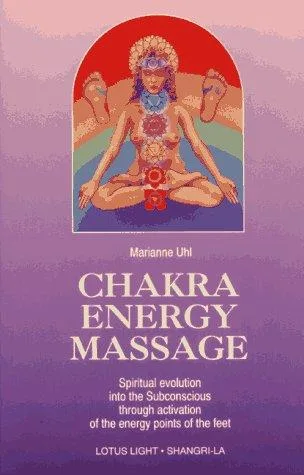
Chakra energy massage
 74
74

Chakra energy massage
Marianne Uhl’s Chakra Energy Massage (2000) presents a grounded approach to working with the subtle body. Unlike many texts that remain in the theoretical realm, Uhl provides concrete, actionable massage techniques for each of the seven main chakras. Her explanation of how to physically trace and stimulate the Sahasrara (crown chakra) is particularly evocative, suggesting a direct pathway to higher consciousness through somatic engagement. While the book excels in its practical guidance, a limitation is its somewhat limited exploration of the deeper psychological associations of each chakra, often presenting them in broader strokes. Still, its strength lies in its clear, step-by-step instructions for practitioners. Uhl offers a valuable bridge between physical touch and energetic healing.
📝 Description
74
Marianne Uhl's 2000 book Chakra Energy Massage offers practical techniques for chakra work.
Chakra Energy Massage, published in 2000 by Marianne Uhl, is a guide for applying energetic bodywork to the chakra system. It moves past theory to give readers specific massage strokes, pressure points, and sequences. These are designed to stimulate, balance, and clear the body's main energy centers. The book highlights the tactile and intuitive sides of working with subtle energies. It presents massage as more than just physical contact; it is a conscious interaction with our energetic anatomy.
This book suits holistic practitioners, massage therapists wanting to add to their skills, and individuals interested in self-healing through energy work. It appeals to those who prefer a hands-on approach to spiritual and energetic development. Readers seeking a clear method to use chakra theory physically will find it useful. Uhl's explanations are clear, making it accessible for motivated beginners with some background in energy concepts.
Published in 2000, this work appeared as interest in complementary medicine grew. It contributes to the body of literature on energy healing and alternative practices. Uhl's book focuses on a practical, physical application of chakra theory, distinguishing itself from more abstract spiritual texts. It builds on the work of earlier figures who explored chakra psychology and energetic anatomy, popularizing these concepts for a wider audience.
💡 Why Read This Book?
• Learn specific, step-by-step massage sequences for each of the seven primary chakras, moving beyond conceptual understanding to hands-on application, as detailed in Uhl's techniques for balancing the Manipura (solar plexus). • Discover practical methods for sensing and clearing energetic blockages within the subtle body, enabling a tangible approach to self-healing and well-being that Uhl outlines. • Gain a deeper appreciation for the physical manifestation of energy centers, understanding how targeted touch can influence the energetic state of chakras like the Ajna (third eye).
⭐ Reader Reviews
Honest opinions from readers who have explored this book.
❓ Frequently Asked Questions
What are the seven primary chakras discussed in Chakra Energy Massage?
The book details the Root (Muladhara), Sacral (Svadhisthana), Solar Plexus (Manipura), Heart (Anahata), Throat (Vishuddha), Third Eye (Ajna), and Crown (Sahasrara) chakras, explaining their locations and energetic functions.
Can I use the techniques in Chakra Energy Massage on myself?
Yes, Marianne Uhl's guide is designed for both self-application and for practitioners working with others. She provides sequences that can be adapted for personal use.
What is the historical significance of Chakra Energy Massage's publication year, 2000?
Published in 2000, the book arrived during a surge of interest in holistic health and alternative therapies, offering a practical, somatic dimension to chakra work that complemented existing theoretical frameworks.
Does Chakra Energy Massage explain how to diagnose chakra imbalances?
The work guides readers on how to sense energetic flow and identify potential imbalances through touch and intuitive awareness, providing a foundation for diagnosis.
What makes Marianne Uhl's approach to chakras unique?
Uhl's unique contribution lies in her focus on specific massage techniques as a direct method for balancing chakras, integrating physical manipulation with energetic principles.
Is prior knowledge of massage or chakras required to read this book?
While some familiarity is helpful, Uhl's clear explanations and practical approach make Chakra Energy Massage accessible to motivated beginners interested in energy work.
🔮 Key Themes & Symbolism
Energetic Anatomy Through Touch
The book elaborates on the concept of the body's subtle energetic pathways and centers, specifically the seven primary chakras. Uhl posits that these energy vortices are not merely abstract concepts but have a palpable energetic presence that can be interacted with. She details how specific massage strokes, pressure points, and intentional touch can stimulate, clear, and balance these centers. This approach emphasizes the interconnectedness of the physical body and its energetic field, viewing massage as a direct method for influencing the flow and quality of prana or life force energy.
Balancing Through Somatic Experience
Central to Uhl's work is the idea that imbalances in the chakras manifest as physical, emotional, or spiritual disharmony. The book offers practical, somatic techniques to address these imbalances. By focusing on tactile sensation and physical manipulation, readers are guided to cultivate awareness of their own energetic state. The act of massage becomes a form of focused attention, helping to release stagnant energy, open blocked channels, and restore a state of equilibrium. This experiential approach grounds abstract energetic principles in tangible bodily experience.
The Role of Intent and Awareness
Chakra Energy Massage underscores that the effectiveness of the techniques relies heavily on the practitioner's (or one's own) intent and focused awareness. It's not just about the physical movements but the conscious intention behind them. Uhl encourages readers to approach the chakras with respect and mindful presence, visualizing energy flow and directing healing intention. This elevates the practice from a simple massage to a meditative and energetic healing modality, emphasizing the power of consciousness in facilitating transformation.
Integration of Physical and Energetic Healing
A core theme is the seamless integration of physical touch and energetic healing. The book bridges the gap between traditional Western massage practices and Eastern energetic systems like the chakras. Uhl demonstrates how the physical body serves as a gateway to the energetic and spiritual dimensions. By applying massage principles to the chakra system, she offers a holistic modality that addresses well-being on multiple levels—physical, emotional, mental, and spiritual—advocating for a unified approach to health.
💬 Memorable Quotes
Direct passages from the work, attributed to the author.
“The chakras are energetic centers that require conscious attention and care to maintain balance.”
— This highlights the book's premise that energy centers are dynamic and responsive to focused intention and physical work, moving beyond passive acceptance of energetic states.
“Specific massage techniques can directly stimulate and clear blockages within the energetic pathways.”
— This emphasizes the practical, hands-on methodology of the book, asserting that physical touch is a powerful tool for influencing the subtle energy body.
“Awareness of subtle energy flow is cultivated through focused tactile sensation.”
— This points to the book's method of developing intuitive perception by paying close attention to physical touch and the energetic responses it elicits.
“Balancing the energy centers promotes overall vitality and well-being.”
— This captures the ultimate goal of the practices described: achieving a state of harmony within the energetic system leads to improved health across all levels.
“The body serves as a direct interface for interacting with the subtle energy field.”
— This underscores the book's philosophy that physical engagement is a primary and effective means of engaging with and transforming one's energetic constitution.
🌙 Esoteric Significance
Tradition
This work fits within the modern esoteric synthesis, particularly drawing from Indian yogic traditions concerning the chakra system and blending it with principles of Western energetic healing and bodywork. While the chakra system itself is ancient, Uhl's application through specific massage techniques represents a contemporary interpretation. It departs from purely meditative or philosophical approaches by emphasizing a direct, physical interaction with these energy centers, integrating the somatic with the subtle in a manner accessible to practitioners of holistic therapies.
Symbolism
The book engages with the symbolic language of the chakras themselves. Each chakra, from the grounding red of Muladhara (Root) to the transcendent violet of Sahasrara (Crown), carries specific color, element, and archetypal associations. Uhl’s techniques aim to harmonize the energetic qualities symbolized by these centers, such as the creative potential of Svadhisthana (Sacral) or the communicative clarity of Vishuddha (Throat), through direct physical engagement with their perceived locations and functions.
Modern Relevance
Uhl's approach remains relevant today for massage therapists, energy healers, and individuals seeking practical methods for self-care. It appeals to contemporary practices that emphasize embodiment and the mind-body connection. The book’s focus on tangible techniques for working with subtle energy aligns with current trends in somatic psychology and integrative health, offering a bridge for those who find purely abstract spiritual concepts challenging to engage with.
👥 Who Should Read This Book
• Holistic massage therapists seeking to expand their practice with specific energetic techniques for balancing clients' subtle energy systems. • Individuals interested in self-healing and personal development who want to learn practical, hands-on methods for working with their own chakras. • Students of esoteric anatomy and energy medicine looking for a guide that bridges physical touch with the understanding of energetic centers like the Manipura and Ajna.
📜 Historical Context
Marianne Uhl's Chakra Energy Massage, published in 2000, emerged within a burgeoning range of self-help and alternative healing literature. The late 20th and early 21st centuries witnessed a significant increase in public curiosity regarding Eastern philosophies, energy work, and holistic wellness practices. Books on chakras, yoga, and meditation were becoming more accessible. Uhl's work distinguished itself by offering a practical, hands-on approach through massage, providing concrete techniques rather than purely theoretical discussions. This period saw figures like Anodea Judith popularizing chakra psychology, and Uhl’s book contributed to this trend by grounding chakra work in a tangible, physical modality. It engaged with the growing interest in somatic therapies and energetic healing, offering a specific application that complemented broader spiritual and psychological explorations of the chakra system prevalent at the time.
📔 Journal Prompts
The energetic pathways associated with the Manipura chakra and their physical correlates.
Sensory experiences during self-massage of the Ajna chakra.
Methods for clearing energetic blockages in the Vishuddha chakra.
The symbolic meaning of the Anahata chakra's energetic balance.
Personal reflections on stimulating the Svadhisthana chakra through touch.
🗂️ Glossary
Chakra
From Sanskrit, meaning 'wheel' or 'vortex'. These are understood as energy centers within the subtle body, believed to influence physical, emotional, and spiritual well-being.
Energy Blockage
A disruption or stagnation in the natural flow of subtle energy within the body's energetic system, believed to contribute to physical or emotional imbalances.
Subtle Body
The energetic or non-physical aspect of a person, comprising elements like chakras, nadis (energy channels), and aura, which is believed to interact with the physical body.
Prana
The vital life force or energy that is believed to flow through the subtle body, often associated with breath and consciousness.
Somatic
Relating to the body, especially as distinct from the mind or spirit; involving physical experience and sensation.
Muladhara
The Root Chakra, typically located at the base of the spine, associated with grounding, security, and physical vitality.
Manipura
The Solar Plexus Chakra, located in the upper abdomen, associated with personal power, self-esteem, and vitality.
🔮 Readers Also Liked
Browse all →









More by Marianne Uhl
All books →
More Free Spiritual Development Books
View all →