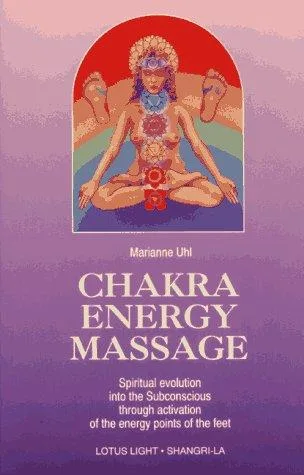
Chakra energy massage
 75
75

Chakra energy massage
Marianne Uhl’s Chakra Energy Massage offers a direct, no-nonsense approach to a topic often shrouded in abstraction. Its strength lies in its clear, step-by-step instructions for applying massage techniques directly to the chakra points. Uhl doesn't shy away from the practicalities, detailing pressure points and movements with a precision that is genuinely helpful for someone looking to implement these practices immediately. However, the work could benefit from more extensive exploration of the theoretical underpinnings of chakra theory itself, perhaps referencing its origins in Vedic traditions more explicitly. The section detailing the massage for the Third Eye chakra, for instance, is particularly well-explained, offering palpable guidance. Ultimately, Chakra Energy Massage serves as a solid, hands-on manual for those ready to engage with their energy centers through physical touch.
📝 Description
75
Marianne Uhl's 2000 book details practical methods for integrating physical touch with the body's seven primary chakras.
Chakra Energy Massage provides a clear system for applying massage techniques to the body's energy centers. The book outlines specific methods for stimulating, balancing, and harmonizing the seven main chakras. It moves beyond mere theory, offering concrete steps for both massage therapists and individuals interested in self-care. The goal is to enhance overall well-being by addressing energetic imbalances through focused touch.
The techniques described aim to clear blockages and restore vital energy flow. Uhl explains the individual qualities, colors, and locations of each chakra, from the Root (Muladhara) to the Crown (Sahasrara). This approach allows readers to develop a deeper understanding of how these energy centers influence physical, emotional, and spiritual states. The book is written for practitioners seeking to expand their skills and for individuals wanting to deepen their personal energetic awareness.
Published in 2000, Chakra Energy Massage arrived as New Age and alternative healing practices gained wider acceptance. This work contributes to a growing body of literature that makes Eastern philosophies and energy work accessible to a Western audience. It builds on earlier explorations of chakra theory, codifying practices for contemporary use. The book addresses the concept of chakras as vital vortexes influencing physical, emotional, and spiritual health.
💡 Why Read This Book?
• Learn specific, actionable massage techniques for each of the seven chakras, detailed in chapters like 'The Root Chakra' and 'The Crown Chakra', allowing for direct energetic balancing. • Gain practical understanding of the energetic and physical correspondences of each chakra, as outlined by Uhl, enabling a more holistic approach to well-being. • Discover how to apply pressure and rhythmic movements to specific points, as described in the text, to address energetic blockages and promote vitality.
⭐ Reader Reviews
Honest opinions from readers who have explored this book.
❓ Frequently Asked Questions
What are the seven primary chakras discussed in Chakra Energy Massage?
The book details the Root (Muladhara), Sacral (Svadhisthana), Solar Plexus (Manipura), Heart (Anahata), Throat (Vishuddha), Third Eye (Ajna), and Crown (Sahasrara) chakras, outlining their locations and energetic functions.
Is prior massage experience necessary to use the techniques in this book?
While prior experience can be beneficial, Marianne Uhl's approach in Chakra Energy Massage is designed to be accessible. The book provides clear instructions suitable for beginners interested in energy work and somatic practices.
When was Chakra Energy Massage first published and by whom?
Chakra Energy Massage was first published in the year 2000, authored by Marianne Uhl.
What kind of benefits can one expect from practicing chakra energy massage?
Practitioners can anticipate improved energy flow, potential relief from energetic blockages, enhanced emotional balance, and a deeper connection to one's physical and subtle bodies, as detailed through the chakra system.
Does the book explain the symbolism associated with each chakra?
Yes, the book explores the symbolic and energetic qualities of each of the seven chakras, linking them to specific colors, elements, and their influence on various aspects of life.
Can these techniques be used for self-massage?
The book's techniques are presented in a manner that can be adapted for self-massage, allowing individuals to engage directly with their own chakra system for personal well-being.
🔮 Key Themes & Symbolism
Chakra System as Energetic Map
The book posits the seven major chakras as a fundamental map of the body's energetic architecture. Each chakra, from the grounding Root to the transcendent Crown, is presented not just as a point but as a complex hub influencing physical health, emotional states, and spiritual awareness. Uhl details how imbalances in these centers can manifest in tangible ways, providing a framework for understanding dis-ease through an energetic lens. This approach positions the chakras as critical regulators of life force (prana), making their maintenance through methods like massage a vital practice for holistic health.
Somatic Integration of Energy Work
A central theme is the integration of subtle energy work with direct physical touch. Unlike purely meditative or visualization practices, Chakra Energy Massage emphasizes the body as the primary site for energetic intervention. Uhl's techniques are designed to be palpable and physically applied, bridging the gap between the unseen energetic field and the tangible body. This somatic approach grounds abstract energetic concepts in concrete physical sensations, making energy work accessible and experiential for practitioners and recipients alike.
Balancing and Harmonizing Energy Flow
The overarching goal presented is the restoration of balance and harmonious flow within the chakra system. The book outlines how specific massage techniques can stimulate sluggish chakras, calm overactive ones, and clear blockages that impede the natural movement of energy. This process is depicted as essential for maintaining vitality, emotional equilibrium, and overall wellness. By focusing on the dynamic interplay between the chakras, Uhl offers a method for achieving energetic homeostasis.
Practical Application for Well-being
Beyond theory, the book is deeply concerned with practical application for improving personal well-being. It provides readers with a toolkit of techniques that can be immediately implemented, whether for self-care or for working with others. The emphasis is on empowering individuals to actively participate in their own healing process through focused physical interaction with their energy centers. This practical orientation makes the book a valuable resource for those seeking tangible methods to enhance their physical and energetic health.
💬 Memorable Quotes
Direct passages from the work, attributed to the author.
“The Root Chakra governs our sense of security and belonging.”
— This statement highlights the foundational role of the Muladhara chakra, linking it directly to primal needs for safety and connection, suggesting that disruptions here can affect our most basic feelings of stability.
“Massage of the Sacral Chakra can help unlock creativity and emotional expression.”
— This points to the Svadhisthana chakra's association with fluidity, pleasure, and emotional release, implying that physical stimulation of this area can free up blocked creative and expressive energies.
“The Heart Chakra is the bridge between the physical and spiritual realms.”
— This conceptualizes the Anahata chakra as a crucial intermediary, suggesting its importance in integrating our material existence with our higher consciousness and in fostering compassion.
“Balancing the Throat Chakra aids clear communication.”
— This directly connects the Vishuddha chakra to the act of speaking and expressing oneself, indicating that energetic balance in this area is essential for effective and authentic communication.
“The Third Eye Chakra influences intuition and inner knowing.”
— This highlights the Ajna chakra's role in perception beyond the ordinary senses, framing it as the seat of intuition and psychic awareness that guides our inner understanding.
🌙 Esoteric Significance
Tradition
The work engages with the concept of chakras, which originates in ancient Indian Tantric traditions, particularly within Hinduism and Buddhism. While not strictly a traditional text, Uhl's approach adapts these concepts for a contemporary, Western audience seeking practical energetic self-care. It fits within the broader modern esoteric movement that synthesizes Eastern philosophies with Western psychological and somatic practices, aiming to make subtle energy work tangible and applicable.
Symbolism
Key symbols include the lotus flower, often used to represent the chakras themselves, with varying numbers of petals signifying their energetic complexity. Colors are also crucial, with each chakra associated with a specific hue (e.g., red for Root, blue for Throat), serving as visual anchors for their energetic qualities. The concept of prana, or life force energy, is fundamental, with massage techniques aimed at directing and balancing its flow through these symbolic centers.
Modern Relevance
Chakra Energy Massage continues to be relevant for contemporary practitioners of massage therapy, energy healing, and yoga who seek to incorporate chakra work into their services. Its clear, practical approach speaks to modern somatic therapies and body-mind integration practices. Thinkers and practitioners in fields like integrative health, holistic wellness coaching, and even some branches of embodied psychology draw upon similar frameworks for understanding and working with energetic and emotional well-being.
👥 Who Should Read This Book
• Massage therapists and bodyworkers looking to add a distinct energetic modality to their practice, enhancing client sessions with chakra-specific techniques. • Individuals interested in self-healing and personal development who want concrete methods to balance their energy centers and improve overall well-being. • Yoga instructors and mindfulness practitioners seeking to deepen their understanding of the energetic body and integrate physical touch into their teaching or personal practice.
📜 Historical Context
Published in 2000, Marianne Uhl's Chakra Energy Massage arrived at a time when interest in holistic health and alternative therapies was rapidly expanding within Western societies. The preceding decades had seen a significant cultural exchange, with practices like yoga, meditation, and various forms of energy healing becoming increasingly accessible. Uhl's work contributed to this trend by offering a practical, technique-focused manual on chakra work, a concept popularized by earlier thinkers and practitioners. While figures like Anodea Judith had already explored chakra theory extensively, Uhl’s focus on specific massage applications provided a distinct, hands-on dimension. The book emerged in an environment where complementary and alternative medicine (CAM) was gaining traction, though it also faced skepticism from conventional medical establishments. Its publication coincided with a growing demand for accessible guides to mind-body practices, differentiating it from more academic or esoteric treatises on the subject.
📔 Journal Prompts
Reflect on the energetic qualities of the Root Chakra as described by Uhl and your current sense of security.
Explore the physical sensations experienced during a self-massage of the Solar Plexus Chakra.
Consider how imbalances in the Throat Chakra might affect your daily communication.
Analyze the symbolic connection between the Heart Chakra and compassion in your life.
Journal about the role of the Third Eye Chakra in perceiving subtle energies.
🗂️ Glossary
Chakra
Energetic centers or vortexes within the subtle body, believed to regulate the flow of life force energy (prana) and influence physical, emotional, and spiritual well-being.
Prana
The vital life force energy believed to permeate the universe, particularly within yogic and Ayurvedic traditions. Massage techniques aim to direct and balance its flow.
Muladhara
The Root Chakra, typically associated with grounding, security, stability, and physical survival. Located at the base of the spine.
Svadhisthana
The Sacral Chakra, linked to creativity, sexuality, emotions, and pleasure. Located in the lower abdomen, below the navel.
Manipura
The Solar Plexus Chakra, associated with personal power, self-esteem, and willpower. Located in the upper abdomen, near the stomach.
Anahata
The Heart Chakra, representing love, compassion, joy, and connection. Located in the center of the chest.
Vishuddha
The Throat Chakra, governing communication, self-expression, and truth. Located in the throat area.
Ajna
The Third Eye Chakra, associated with intuition, insight, and psychic perception. Located between the eyebrows.
Sahasrara
The Crown Chakra, representing spiritual connection, consciousness, and enlightenment. Located at the top of the head.
🔮 Readers Also Liked
Browse all →









More by Marianne Uhl
All books →
More Free Spiritual Development Books
View all →