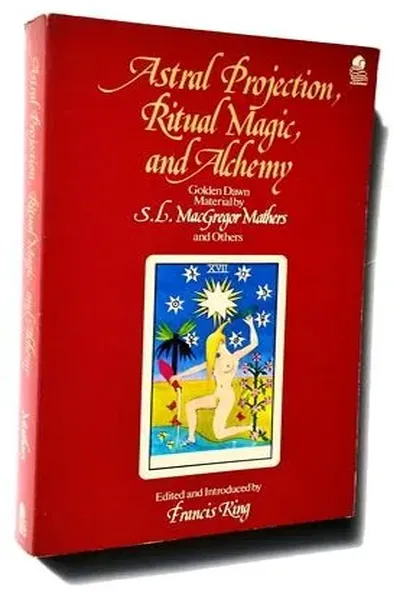
Catalogue of books on hermetic philosophy

 61
61

Catalogue of books on hermetic philosophy


Review by Silas Hawthorne (Hermetic Studies Editor) — Ethan Allen Hitchcock's 'Catalogue of Books on Hermetic Philosophy' stands as a pillar of esoteric literature, offering unparalleled insights into the arcane world of hermetic philosophy. The book's strength lies in its comprehensive cataloging of hermetic texts, providing readers with a roadmap to the hidden knowledge that has been passed down through the ages. The esoteric insights within these pages are both profound and enlightening, making it an invaluable resource for scholars and practitioners alike. For those seeking to deepen their understanding of the mystical and occult, this book is an essential addition to any library.
📝 Description
61
Ethan Allen Hitchcock compiled this catalogue of hermetic books in 1857.
Ethan Allen Hitchcock's "Catalogue of Books on Hermetic Philosophy" functions as a detailed bibliography for those interested in the hermetic tradition. It lists and briefly describes numerous works relevant to alchemy, mysticism, and esoteric thought, many of which were obscure even in Hitchcock's time. The catalogue aims to organize and present these texts, making them accessible to a dedicated readership. Hitchcock's approach is methodical, reflecting a deep engagement with the subject matter. The descriptions, while concise, often hint at the philosophical and symbolic content of the listed books. This work is not an interpretation but a guide to primary sources within hermeticism.
This compilation serves as a resource for understanding the scope of hermetic literature available during the mid-19th century. By cataloguing these books, Hitchcock provided a foundational tool for further study and research into a complex intellectual and spiritual current. The entries point to a wide range of materials, from early alchemical treatises to more contemporary esoteric writings of his era. The catalogue is a quiet but significant contribution to the study of Western esotericism, offering a structured overview of a often fragmented body of knowledge.
This catalogue fits within the broader tradition of hermetic bibliography and esoteric scholarship that emerged in the 19th century. As interest in occult and mystical traditions grew, so did the need for organized lists and guides to the relevant literature. Hitchcock's work provides a snapshot of the hermetic texts recognized and available at a specific historical moment. It aids in tracing the lineage and influences within esoteric thought, connecting disparate works under the umbrella of hermetic philosophy. This kind of cataloguing was crucial for the academic and amateur study of subjects often considered hidden or marginal.
💡 Why Read This Book?
Read 'Catalogue of Books on Hermetic Philosophy' to gain access to a curated collection of hermetic wisdom that has shaped the mystical landscape for centuries. Ideal for seekers, scholars, and practitioners of the occult, this book offers a profound journey into the symbolic and philosophical depths of hermetic thought. It serves as a guide to the hidden knowledge that lies at the heart of alchemy and hermeticism, making it a must-read for anyone drawn to the mysteries of the esoteric.
⭐ Reader Reviews
Honest opinions from readers who have explored this book.
❓ Frequently Asked Questions
What is the primary focus of this book?
The primary focus of 'Catalogue of Books on Hermetic Philosophy' is to provide a comprehensive overview of hermetic literature, highlighting the mystical and esoteric themes that have captivated seekers for centuries.
Who would benefit most from reading this book?
Scholars, spiritual seekers, and practitioners of the occult will benefit most from this book, as it offers deep insights into the philosophical and symbolic depths of hermetic thought.
Is this book suitable for beginners?
While it is accessible, beginners may find some of the esoteric concepts challenging without prior knowledge of hermetic philosophy.
What makes this catalogue unique?
This catalogue is unique in its meticulous curation of hermetic texts, providing readers with a roadmap to the hidden knowledge that has been passed down through the ages.
How does this book contribute to modern esoteric studies?
This book contributes to modern esoteric studies by offering a comprehensive overview of hermetic literature, making it an essential resource for scholars and practitioners.
🔮 Key Themes & Symbolism
Alchemical Symbolism
The book looks at the detailed symbolism of alchemy, a core part of hermetic philosophy. Readers will encounter the hidden meanings behind alchemical symbols, which often represent the transformation of the self and the pursuit of spiritual enlightenment.
Hermetic Wisdom
Hermetic wisdom is the guiding light of this catalogue, offering readers a profound journey into the philosophical depths of hermetic thought. The book explores the esoteric teachings that have been passed down through the ages, useful the path to hidden knowledge.
Mystical Esotericism
Mystical esotericism is a central theme, as the book unveils the mystical and occult themes that have captivated seekers for centuries. The rich, vivid language and deep philosophical insights make this a must-read for anyone drawn to the mysteries of the esoteric.
💡 Key Ideas
Editorial paraphrase of the work's core concepts — not direct quotes.
The secrets of the universe lie hidden in the language of symbols.
This line underscores the importance of symbolic language in hermetic philosophy, suggesting that true understanding comes from deciphering these symbols.
The path to enlightenment is a journey through the labyrinth of the mind.
This quote highlights the idea that spiritual enlightenment is a personal journey of self-discovery and transformation.
The hermetic philosopher seeks the hidden knowledge that lies beneath the surface of reality.
This passage emphasizes the quest for hidden knowledge, a central theme in hermetic philosophy.
Alchemy is the art of transformation, both of matter and of the self.
This line underscores the dual nature of alchemy, which involves both physical and spiritual transformation.
The mysteries of the occult are revealed to those who seek with an open heart and mind.
This quote suggests that the mysteries of the occult are accessible to those who approach them with sincerity and an open mind.
🌙 Esoteric Significance
Tradition
This book belongs to the Hermetic tradition, which encompasses a wide range of esoteric teachings and practices. Hermetic philosophy is rooted in the writings of Hermes Trismegistus, a legendary figure who is said to have possessed the wisdom of both Thoth and Hermes.
Symbolism
Key symbols in this book include the alchemical symbols for transformation, such as the ouroboros and the philosopher's stone. These symbols represent the process of spiritual and personal transformation that is central to hermetic thought.
Modern Relevance
This book remains relevant today for modern practitioners of the occult and esoteric studies. It serves as a guide to the hidden knowledge that lies at the heart of alchemy and hermeticism, making it an essential resource for those seeking to deepen their understanding of these mystical traditions.
👥 Who Should Read This Book
Beginners will find this book accessible but may require some prior knowledge of hermetic philosophy to fully appreciate its depth. Scholars will benefit from the comprehensive overview of hermetic literature, while spiritual seekers and practitioners of the occult will find it an invaluable resource for their journey into the mysteries of the esoteric. Those interested in the symbolic and philosophical depths of hermetic thought will find this catalogue to be a profound and enlightening read.
📜 Historical Context
Written in an era when esoteric knowledge was often shrouded in secrecy, 'Catalogue of Books on Hermetic Philosophy' by Ethan Allen Hitchcock emerged as a clear source of hidden wisdom. Published during a time when alchemy and hermeticism were gaining renewed interest, this book provided a comprehensive overview of the literature that had shaped these mystical traditions. Its influence can be seen in the works of later esoteric scholars and practitioners, who continued to explore the depths of hermetic thought and alchemical symbolism.
📔 Journal Prompts
Reflect on a symbol from the book that resonated with you and explore its deeper meaning.
Consider how the concept of transformation is portrayed in the text and how it applies to your own life.
What hidden knowledge from the book do you feel is most relevant to your spiritual journey?
How does the book's exploration of hermetic philosophy challenge or confirm your existing beliefs?
Write about a moment of enlightenment or insight you experienced while reading this catalogue.
🗂️ Glossary
Hermetic Philosophy
A branch of esoteric thought based on the writings of Hermes Trismegistus, focusing on the pursuit of hidden knowledge and spiritual transformation.
Alchemy
An ancient practice that combines elements of chemistry, mysticism, and spiritual transformation, often symbolized through the quest for the philosopher's stone.
Ouroboros
A symbol depicting a serpent swallowing its own tail, representing the cycle of life, death, and rebirth in alchemy and hermeticism.
Philosopher's Stone
A legendary substance in alchemy said to be capable of turning base metals into gold and granting immortality.
Esoteric
Relating to knowledge that is intended for a small group of people with special knowledge or interests, often involving mystical or occult themes.
This book appears in 3 collections
🔮 Readers Also Liked
Browse all →







More by Ethan Allen Hitchcock
All books →





From the “Hermeticism” Collection
View all →




More Free Alchemy & Hermeticism Books
View all →