Butterflies
 78
78

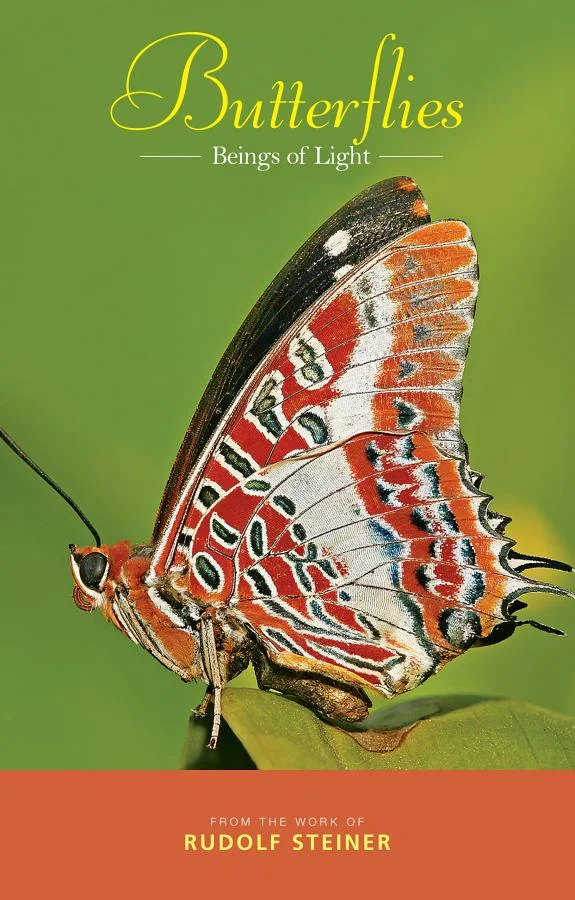
Butterflies
Rudolf Steiner's 'Butterflies' presents a compelling esoteric interpretation of a common natural marvel. The book's strength lies in its detailed, poetic exploration of metamorphosis, reframing it as a profound spiritual process. Steiner masterfully connects the physical transformation of the butterfly to stages of human spiritual development, offering a unique lens for contemplation. However, the esoteric language and Anthroposophical framework can present a barrier to readers unfamiliar with Steiner's broader philosophical system. A specific passage discussing the pupa stage as a 'death' to the earthly form, preceding spiritual 'resurrection' into winged life, powerfully illustrates the book's core argument. While the original lectures date from Steiner's active lecturing period in the early 20th century, their compilation and publication in 2013 make them accessible to a contemporary audience. The work offers a deeply symbolic, albeit specialized, perspective on nature's spiritual lessons.
📝 Description
78
Rudolf Steiner's 1917 lectures on butterflies, published in 2013, interpret metamorphosis as spiritual transformation.
This collection brings together lectures Rudolf Steiner delivered in 1917, focusing on the butterfly's transformation. Steiner viewed this biological process not just as a natural event but as a potent symbol. He explained the stages of a butterfly's development, showing how this phenomenon reveals spiritual realities. Steiner argued that the butterfly's life, lifted from the earth, represents a spiritualized version of earthly existence. The lectures aim to connect the observer to these deeper meanings within nature.
This work is for readers interested in esoteric interpretations of the natural world, especially those familiar with Anthroposophy. It will appeal to those who find symbolic readings of biology meaningful and who see connections between the spiritual and material. Readers studying Steiner's broader works or seeking to grasp the spiritual dimensions of metamorphosis will find this volume particularly useful. It addresses the contemplative reader open to perceiving spiritual insights within observable nature.
These lectures originate from Rudolf Steiner's early 20th-century work, a time of growing interest in spiritual science. Steiner, a key figure before founding Anthroposophy, lectured widely on diverse topics. His teachings drew from Gnostic and Hermetic traditions, which he reinterpreted through a modern spiritual-scientific lens. This focus on natural symbolism reflects a broader European intellectual trend seeking spiritual meaning in nature, often as a counterpoint to purely materialist views.
💡 Why Read This Book?
• Gain a unique esoteric perspective on biological metamorphosis, understanding the butterfly's life cycle as a metaphor for spiritual rebirth, drawing from Steiner's insights presented in the lectures. • Explore the symbolism of the butterfly as a 'flower blossom lifted into the air,' a concept central to Steiner's spiritual interpretation of nature, offering new ways to view the soul's potential. • Deepen your understanding of Anthroposophy by examining a specific natural phenomenon through the lens of Rudolf Steiner's spiritual science, as detailed in this 2013 compilation of his early 20th-century lectures.
⭐ Reader Reviews
Honest opinions from readers who have explored this book.
❓ Frequently Asked Questions
What is the primary esoteric meaning Rudolf Steiner assigns to the butterfly?
Rudolf Steiner views the butterfly's metamorphosis as a powerful symbol of spiritual transformation and rebirth. He interprets its emergence from the chrysalis as a representation of the soul transcending earthly limitations to achieve a higher, spiritualized existence.
When were the lectures in 'Butterflies' originally delivered?
While the book 'Butterflies' was first published in 2013, the lectures themselves were delivered by Rudolf Steiner during his active lecturing period in the early 20th century.
How does Steiner connect the butterfly's life stages to human spiritual development?
Steiner maps the butterfly's stages (egg, larva, pupa, imago) onto states of consciousness and spiritual evolution. The pupa stage, for example, is seen as a form of spiritual death and dissolution of the old self, preparing for the new, liberated form.
Is 'Butterflies' a suitable introduction to Rudolf Steiner's work?
For readers interested in Steiner's esoteric interpretations of nature, it can be. However, it assumes some familiarity with Anthroposophical concepts. It's more of a focused exploration within his broader philosophical system rather than a general introduction.
What is the symbolic significance of the butterfly being called a 'flower blossom lifted into the air'?
This description highlights the butterfly's ethereal, liberated nature. It symbolizes a spiritualized earthly form, connecting the beauty and essence of a flower (earthly beauty) with the freedom and elevation of aerial existence (spiritual realm).
What makes the butterfly's metamorphosis a 'revelation of spirit' according to Steiner?
Steiner suggests that witnessing the radical, seemingly miraculous transformation from caterpillar to butterfly offers a tangible, visible manifestation of spiritual processes at work in nature, thereby revealing the underlying spiritual reality.
🔮 Key Themes & Symbolism
Spiritual Metamorphosis
The central theme is the interpretation of the butterfly's physical metamorphosis as a direct parallel to human spiritual development. Steiner posits that the radical change from caterpillar to winged insect mirrors the soul's journey from earthly limitations to spiritual freedom. The book explores how understanding these stages—from the grounded, consuming larva to the ethereal, airborne imago—can provide a blueprint for personal spiritual evolution and rebirth.
Nature as Revelation
Steiner presents the natural world, specifically the butterfly, as a profound source of spiritual insight. The phenomenon of metamorphosis is not just a biological process but a 'revelation of spirit.' The lectures encourage readers to observe nature with a spiritual eye, finding in its visible transformations tangible evidence of unseen spiritual forces and processes at work in the cosmos and within the human being.
The Soul's Liberation
The butterfly, often described metaphorically as a 'flower blossom lifted into the air,' symbolizes the liberated soul. Its journey through the chrysalis represents a necessary dissolution of the old form and egoic attachments, leading to a higher state of being. This theme emphasizes the potential for overcoming material constraints and achieving a state of spiritual lightness and freedom through inner transformation.
Anthroposophical Cosmology
The book is deeply rooted in Anthroposophy, Rudolf Steiner's spiritual philosophy. It frames natural phenomena within a larger cosmic and spiritual understanding of existence. The lectures implicitly teach the Anthroposophical view of the interconnectedness of the physical, etheric, astral, and spiritual bodies, using the butterfly's life cycle as a concrete example of these principles in action.
💬 Memorable Quotes
Direct passages from the work, attributed to the author.
“The butterfly is a flower blossom lifted into the air.”
— This evocative description captures the essence of the butterfly's spiritual symbolism. It signifies a being that has transcended its earthly, floral origins to achieve a higher, more liberated existence, representing the soul's potential for spiritual ascension.
“We can experience a revelation of spirit in this creature's visible transformations.”
— Steiner suggests that observing the butterfly's metamorphosis offers more than biological wonder; it's an opportunity for spiritual insight. The dramatic physical changes serve as a tangible manifestation of underlying spiritual laws and processes.
“The emergence of the butterfly from its pupa is one of the most moving phenomena we can encounter in nature.”
— This highlights the profound emotional and spiritual impact of witnessing metamorphosis. It’s presented not just as a natural event, but as a deeply significant moment that can awaken spiritual perception in the observer.
“The lectures... trace and explain the stages of butterfly metamorphosis.”
— This indicates the book's methodical approach. It doesn't merely offer poetic musings but provides a structured, analytical exploration of the biological process, grounding the esoteric interpretations in observable natural phenomena.
“Truly poetic and deeply esoteric...”
— This description sets the tone for the collected lectures. It suggests a work that combines artistic, lyrical expression with profound, hidden spiritual meanings accessible through dedicated study and contemplation.
🌙 Esoteric Significance
Tradition
The work fits within the Western Esoteric tradition, specifically Anthroposophy, which Rudolf Steiner founded. Anthroposophy draws from Gnosticism, Hermeticism, Kabbalah, and Theosophy but seeks to present spiritual knowledge through a modern, scientific, and humanistic lens. 'Butterflies' exemplifies this by taking a natural phenomenon and revealing its deeper spiritual, cosmological, and psychological significance, aligning with the esoteric principle of 'as above, so below'.
Symbolism
The primary symbol is the butterfly itself, representing the soul's transformation and liberation from earthly constraints. The stages of metamorphosis—egg, larva (caterpillar), pupa (chrysalis), and imago (butterfly)—symbolize states of consciousness and spiritual evolution. The chrysalis signifies a period of dissolution and spiritual gestation, while the winged butterfly embodies the resurrected, free spirit, a 'flower blossom lifted into the air.'
Modern Relevance
Contemporary practitioners of Anthroposophy continue to engage with Steiner's interpretations of nature. His symbolic readings of natural processes also resonate with modern eco-spirituality movements and those seeking deeper meaning in the natural world beyond purely scientific explanations. Thinkers interested in consciousness studies and the phenomenology of transformation may find value in Steiner's detailed symbolic mapping of the butterfly's life cycle to inner spiritual work.
👥 Who Should Read This Book
• Students of Rudolf Steiner and Anthroposophy seeking detailed esoteric interpretations of natural phenomena. • Individuals interested in comparative symbolism and the spiritual significance of metamorphosis across cultures and traditions. • Contemplative readers exploring nature-based spirituality and seeking deeper meaning in biological processes for personal growth.
📜 Historical Context
Rudolf Steiner delivered lectures that formed the basis of 'Butterflies' during the early 20th century, a period of intense spiritual exploration and the development of new esoteric movements. As a key figure who initially contributed to the Theosophical Society before founding Anthroposophy in 1912, Steiner was part of a broader intellectual milieu fascinated by spiritual science and Eastern philosophies. His work offered a unique Western synthesis, emphasizing the observable spiritual realities accessible through inner development. During this era, figures like Annie Besant and C.W. Leadbeater were also prominent in Theosophy, exploring spiritual insights into nature and humanity, though Steiner's approach became increasingly distinct. While not facing overt censorship, Steiner's ideas often generated debate and were sometimes seen as esoteric or mystical counterpoints to the dominant scientific materialism of the time. His influence extended beyond esoteric circles, impacting fields like education (Waldorf schools) and agriculture (biodynamic farming), demonstrating the wide reach of his spiritual-scientific worldview.
📔 Journal Prompts
The butterfly as a 'flower blossom lifted into the air': explore its spiritual implications for your own life.
Reflect on the stages of butterfly metamorphosis as mirroring phases of personal spiritual transformation.
Consider the chrysalis phase as a period of dissolution and potential; what does this mean for confronting difficult life transitions?
How does Steiner's view of nature as a 'revelation of spirit' challenge or affirm your current understanding of the natural world?
Contemplate the spiritual freedom symbolized by the butterfly's flight; what 'earthly limitations' might you seek to transcend?
🗂️ Glossary
Metamorphosis
In this context, refers not just to the biological transformation of an insect but its deeper spiritual meaning as a process of death, rebirth, and spiritual evolution.
Anthroposophy
A spiritual philosophy founded by Rudolf Steiner, seeking to understand the spiritual nature of the human being and the cosmos through spiritual-scientific research.
Spiritual Science (Geisteswissenschaft)
Steiner's term for the systematic study of spiritual realities and phenomena, analogous to natural science but employing different methods of perception and cognition.
Larva
The immature, wingless, feeding stage of the butterfly's life cycle (the caterpillar), representing an earlier, more earthbound phase of existence.
Pupa (Chrysalis)
The transitional stage between larva and adult insect, during which the organism undergoes radical internal transformation, symbolizing spiritual dissolution and gestation.
Imago
The final, adult, winged stage of the butterfly, symbolizing spiritual liberation, transformation, and readiness for a higher form of existence.
Revelation of Spirit
The idea that observable natural phenomena can serve as direct manifestations or clues to underlying spiritual realities and processes.
This book appears in 1 collection
🔮 Readers Also Liked
Browse all →







From the “Anthroposophy” Collection
View all →






More Free Theosophy & Anthroposophy Books
View all →