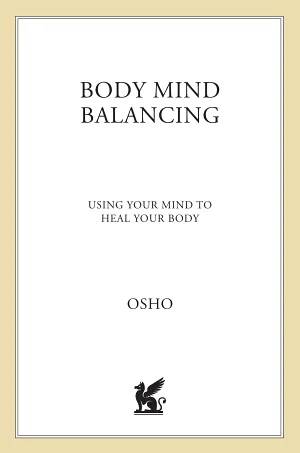
Body Mind Balancing
 73
73

Body Mind Balancing
Osho's Body Mind Balancing begins with a compelling premise: our bodies are constantly communicating, but we've largely forgotten how to listen. The book's strength lies in its direct, no-nonsense approach to reconnecting with this innate wisdom. Rather than abstract philosophy, it offers tangible exercises, including guided meditations, to foster somatic awareness. A particularly effective passage describes how physical tension acts as a stored emotional echo, a concept that demystifies many psychosomatic complaints. However, the work sometimes suffers from Osho's characteristic rhetorical flourishes, which can occasionally obscure the practical advice. While the intention is clarity, the delivery can sometimes feel repetitive. Nevertheless, for readers willing to engage with the exercises, the potential for a more grounded existence is significant. The book offers a valuable, if sometimes verbose, path toward self-understanding.
📝 Description
73
Osho's Body Mind Balancing, published in May 2005, addresses the split between physical sensation and mental experience.
This book proposes that many common ailments, from stress to persistent tension, arise from not paying attention to our physical selves. Osho outlines a way to understand how our bodies signal distress and discomfort. The aim is to help readers reconnect with their physical form, moving toward a more balanced way of living.
It is written for anyone feeling disconnected from their body or suffering from stress-related issues. The techniques presented are practical, designed to reduce discomfort and foster a sense of inner peace. Those interested in self-awareness and a holistic view of health will find the methods accessible and useful.
The core idea is that our bodies communicate constantly, and ignoring this dialogue leads to imbalance. Osho encourages seeing the body as a conscious companion rather than a mere tool. The book includes specific meditation and relaxation exercises to encourage this communication and bring about a state where mind and body support each other.
Body Mind Balancing emerged in the early 2000s, reflecting a growing interest in mindfulness and body-centered practices. This interest built upon earlier movements like the 1960s and 70s human potential movement. Osho's teachings, often controversial, found a global audience through posthumous publications. The book fits into a larger trend of adapting Eastern contemplative traditions for contemporary Western audiences, aiming to address modern anxieties through ancient principles.
💡 Why Read This Book?
• Learn specific guided meditation techniques Osho developed to directly address physical tension and cultivate a dialogue with your body, moving beyond generic relaxation to a specific somatic engagement. • Understand the concept of the body as a 'sentient partner,' as presented in the book's core philosophy, to reframe your relationship with physical sensations and discomfort. • Discover practical methods for creating a harmonious balance between mind and body, drawing from the techniques introduced in the book's guided relaxation processes.
⭐ Reader Reviews
Honest opinions from readers who have explored this book.
❓ Frequently Asked Questions
When was Osho's Body Mind Balancing first published?
Body Mind Balancing by Osho was first published in May 2005, making it one of the many works by the author released posthumously.
What is the primary goal of Body Mind Balancing?
The primary goal is to help readers reconnect with their bodies, alleviate everyday discomforts and tensions, and achieve a greater harmony between their physical and mental states.
Does the book include specific exercises?
Yes, the book includes guided meditation and relaxation processes designed to facilitate a deeper connection and communication with one's body.
Who is Osho?
Osho, formerly known as Bhagwan Shree Rajneesh, was an Indian mystic and spiritual teacher whose teachings have influenced various spiritual movements worldwide. Many of his books are compilations of his discourses.
What kind of discomforts does the book address?
It addresses everyday discomforts and tensions that often arise from being alienated from one's own body, suggesting these are often physical manifestations of mental or emotional states.
🔮 Key Themes & Symbolism
Somatic Alienation
The work posits that modern life fosters a profound disconnect from our physical selves, leading to a cascade of discomforts. This alienation is presented not merely as a psychological state but as a fundamental imbalance. Osho argues that by ignoring or suppressing bodily signals, we create internal friction, manifesting as tension, anxiety, and illness. Reconnecting involves actively listening to and validating the body's messages, treating it as an intelligent entity rather than an inert vessel.
Body as a Communicator
Central to the book is the idea that the body possesses its own language and intelligence. It communicates through sensations, feelings, and even illnesses. Osho encourages readers to shift their perspective from viewing the body as a problem to be fixed to a partner to be understood. This involves cultivating a non-judgmental awareness of physical states, recognizing that each sensation carries information about our inner world and our relationship with the external environment.
Integrated Well-being
The ultimate aim is to achieve a state of integrated well-being, where the mind and body function in concert. This is not about achieving a perfect, disease-free body or a constantly blissful mind, but about fostering a dynamic equilibrium. By learning to balance the demands of the mind with the needs of the body, readers can move towards a more authentic and harmonious existence, reducing the internal conflict that drains vital energy and obstructs spiritual growth.
Guided Reconnection
The book provides practical tools, primarily guided meditation and relaxation techniques, to facilitate the process of reconnection. These are not passive exercises but active engagements designed to heighten somatic awareness. Through specific instructions, readers are led to explore their physical sensations, release stored tension, and cultivate a sense of presence within their bodies. The emphasis is on experiential learning rather than intellectual understanding.
💬 Memorable Quotes
Direct passages from the work, attributed to the author.
“The body has been working for you, supporting you, and you have never even appreciated it.”
— This statement highlights the core theme of neglected bodily wisdom. It urges readers to shift from a mindset of obligation or complaint towards one of gratitude and recognition for the body's ceaseless efforts.
“Discomfort arises from the fact that we are alienated from our bodies.”
— This captures the book's central premise: many common physical and emotional ailments stem from a lack of intimate connection and communication with our own physical selves.
“Learn to talk to and reconnect with your bodies.”
— This is a direct instruction, framing the process of self-awareness and healing as an active dialogue, emphasizing a reciprocal relationship between the individual and their physical form.
“Create a more harmonious balance of body and mind.”
— This phrase articulates the ultimate goal of the practices presented in the book: achieving a state of equilibrium where mental and physical energies are integrated, leading to greater peace and vitality.
“The guided meditation and relaxation process is key.”
— This points to the practical methodology employed in the book, emphasizing that structured techniques are essential for facilitating the desired reconnection and balance.
🌙 Esoteric Significance
Tradition
While not strictly adhering to a single esoteric lineage, Osho's work, including Body Mind Balancing, draws heavily from Vedanta and Tantra, blended with psychological insights. It departs from traditional, rigid ascetic practices by advocating for embracing the totality of experience, including the physical. The emphasis on direct experience and the rejection of dogma aligns with mystical traditions that prioritize inner realization over prescribed rituals.
Symbolism
The body itself is treated as a profound symbol of the material manifestation of consciousness. Sensations like 'tension' symbolize the accumulated stress and unexpressed emotions, acting as barriers to inner freedom. The 'dialogue' with the body represents the esoteric practice of inner listening and self-inquiry, a path to understanding the deeper connections between the physical, emotional, and spiritual planes.
Modern Relevance
Contemporary practices in somatic experiencing, mindfulness-based stress reduction (MBSR), and even certain therapeutic yoga modalities echo the principles found in Body Mind Balancing. Thinkers and practitioners exploring embodied cognition and the psychosomatic nature of illness often find resonance with Osho's emphasis on the body's inherent intelligence and its role in overall well-being.
👥 Who Should Read This Book
• Individuals experiencing chronic physical tension or stress-related symptoms seeking practical, non-pharmacological relief methods. • Students of consciousness and meditation interested in exploring the body's role as a gateway to deeper self-awareness, moving beyond purely intellectual or purely meditative approaches. • Those feeling disconnected from their physical selves or seeking to improve their overall sense of vitality and inner harmony through direct somatic engagement.
📜 Historical Context
Osho's Body Mind Balancing, published in 2005, emerged decades after the peak of the New Age movement and the human potential movement of the 1960s and 70s, which explored similar themes of mind-body integration. While figures like Fritz Perls with Gestalt therapy and Wilhelm Reich with his theories on body armor had laid groundwork in somatic psychology, Osho’s approach, disseminated posthumously, often synthesized Eastern meditative traditions with a direct, sometimes provocative, Western-oriented therapeutic style. The book found an audience amidst a growing global interest in mindfulness, yoga, and holistic health, often positioned against more secular or strictly scientific approaches to well-being. Osho's prolific output and distinctive teachings generated both fervent followers and considerable controversy, with his earlier work facing scrutiny and legal challenges in various countries during the 1980s.
📔 Journal Prompts
The body's constant work in supporting you.
The concept of somatic alienation and its impact.
Identifying specific bodily sensations as communication.
The process of creating body-mind balance.
Experiencing the guided relaxation process from the book.
🗂️ Glossary
Somatic Alienation
A state of being disconnected from one's physical body, leading to a lack of awareness of bodily sensations and needs, often resulting in tension and discomfort.
Body-Mind Balance
The harmonious integration of physical and mental states, where one's physical well-being supports mental clarity and vice versa, leading to overall equilibrium.
Bodily Discomfort
A broad term encompassing physical tensions, aches, pains, and other unpleasant sensations that arise from a disharmonious relationship between the mind and body.
Guided Meditation
A meditative practice led by an instructor or recording, designed to guide the practitioner through specific mental or physical processes, such as relaxation or awareness.
Sentient Partner
A concept framing the body not as an object or tool, but as a living, feeling entity with which one can communicate and collaborate for mutual well-being.
Relaxation Process
Specific techniques and sequences designed to release physical and mental tension, promoting a state of deep rest and receptivity.
Inner Harmony
A state of internal peace and equilibrium achieved through the integration of one's physical, emotional, and mental aspects.
This book appears in 1 collection
🔮 Readers Also Liked
Browse all →








From the “Meditation” Collection
View all →







More Free Occult Philosophy Books
View all →