Blood Beast
 72
72

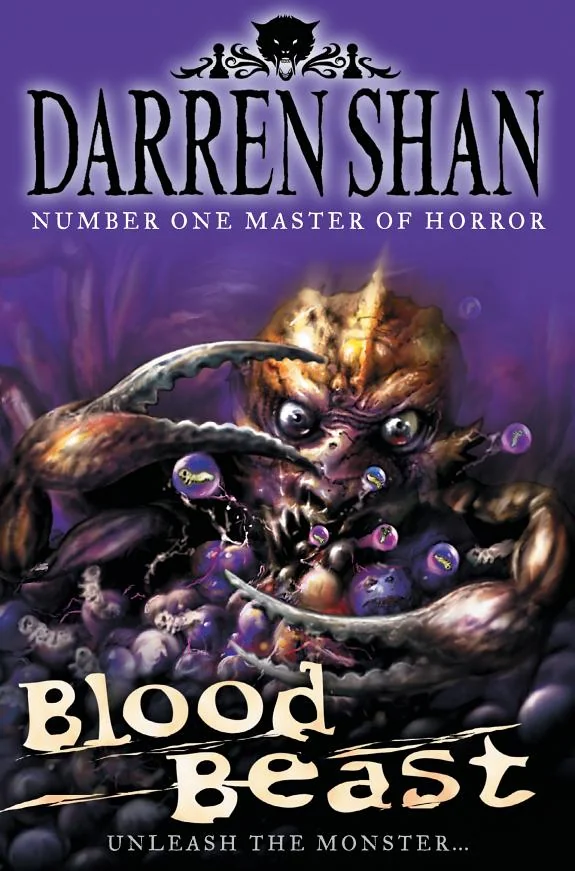
Blood Beast
Darren Shan’s *Blood Beast* confronts the werewolf trope not with romanticism, but with a raw, inherited curse that feels more like a disease. The novel excels in its depiction of Grubbs Grady’s internal struggle; the transformation is presented as a terrifying loss of control, a visceral invasion rather than a superpower. Shan’s prose effectively conveys the panic and disgust associated with this primal shift. A particular strength lies in the portrayal of the Grady family's desperate attempts to manage their inherited condition, hinting at a long, grim history. However, the narrative occasionally feels constrained by its YA framework, sometimes telegraphing plot points or relying on familiar tropes when exploring the wider supernatural world. The introduction of characters like the mysterious Mr. Shan feels somewhat underdeveloped within the scope of this particular story. Ultimately, *Blood Beast* offers a grim, compelling take on inherited monstrousness that satisfies its immediate narrative arc. It’s a solid addition to the darker corners of YA fantasy.
📝 Description
72
Darren Shan's 2008 novel *Blood Beast* features a young protagonist fighting a hereditary curse that causes him to transform.
Grubbs Grady is a young man afflicted by a hereditary curse. This curse compels him to transform into a primal, monstrous form with the arrival of each full moon. The narrative follows his struggle to control this terrifying change and understand its origins.
*Blood Beast* examines the weight of inherited trauma and the dark legacies passed down through families. It looks at the consequences of ancient pacts and the monstrous potential that can reside within seemingly ordinary people. The story forces its characters to confront their deepest fears and the literal beasts they are forced to carry within themselves. It is a dark fantasy that does not shy away from the darker aspects of human nature and the supernatural.
This novel is suited for young adult readers ready for mature themes. Those who appreciate dark fantasy with a strong psychological bent will find the story engaging. Readers interested in inner conflict, the supernatural bleeding into everyday life, and the exploration of monstrous archetypes will connect with Grubbs's plight. Fans of Shan's previous works, especially the *Cirque du Freak* series, will recognize his distinct voice.
Published in 2008, *Blood Beast* arrived during a high point for young adult paranormal fiction. The novel taps into a long tradition of werewolf lore stretching back to ancient myths. It shares thematic elements with gothic horror, a genre with roots in the 19th century. Shan's work adds a psychologically intense portrayal of transformation and inherited curses, distinguishing it within contemporary trends.
💡 Why Read This Book?
• You will experience the unique terror of a werewolf curse as an inherited affliction, not a choice, as explored through Grubbs Grady's desperate fight against the 'Grubbs' condition, detailed in chapters focusing on his lunar transformations. • You will gain insight into the psychological weight of ancestral curses and family secrets, understanding how past pacts, like those hinted at in the Grady family history, continue to haunt the present. • You will encounter a stark, unflinching portrayal of monstrous transformation, distinct from romanticized versions, by engaging with the visceral descriptions of Grubbs's physical and mental descent during the full moon.
⭐ Reader Reviews
Honest opinions from readers who have explored this book.
❓ Frequently Asked Questions
What is the 'Grubbs' condition in Darren Shan's Blood Beast?
The 'Grubbs' condition is a hereditary lycanthropic curse passed down through the Grady family. It causes the afflicted individual to transform into a monstrous beast during the full moon, representing a loss of control and an inherited darkness.
Who is Grubbs Grady in Blood Beast?
Grubbs Grady is the young protagonist of Darren Shan's *Blood Beast*. He is burdened by the inherited 'Grubbs' condition, a lycanthropic curse that manifests during the full moon, forcing him to confront his monstrous nature.
When was Blood Beast first published?
Darren Shan's *Blood Beast* was first published in 2008, positioning it within the surge of young adult paranormal fiction popular in the early 21st century.
What are the main themes explored in Blood Beast?
The novel explores themes of inherited trauma, the struggle for self-control, the burden of family legacy, and the primal nature of monstrosity. It examines the consequences of ancient pacts and the battle against one's inner beast.
Is Blood Beast part of a series?
Yes, *Blood Beast* is part of Darren Shan's *Demonata* series. It is the second book in the saga, following *Lord Loss*, and continues to explore the dark, supernatural world Shan has created.
What makes the werewolf transformation in Blood Beast unique?
Unlike more romanticized portrayals, the transformation in *Blood Beast* is depicted as a terrifying, uncontrollable affliction – a 'disease' passed down through generations, emphasizing the horror and loss of self.
🔮 Key Themes & Symbolism
Inherited Curse & Legacy
The narrative centers on the 'Grubbs' condition, a profound familial curse of lycanthropy passed down through generations of the Grady family. This isn't a chosen path but an inescapable legacy, forcing Grubbs to confront the monstrous potential inherited from his ancestors. The work explores the psychological burden of carrying such a dark lineage, where past actions and pacts echo through time, directly impacting the present lives of descendants. The book suggests that the beast is not an external entity but an intrinsic part of their bloodline, a constant threat to their humanity.
Struggle for Self-Control
Central to *Blood Beast* is Grubbs Grady's desperate battle against the primal urges that consume him during the full moon. The transformation is depicted as a violent subjugation of his will, where the 'beast' takes over, acting on instinct and rage. This internal conflict highlights the fragility of identity when faced with overwhelming, innate destructive forces. The story examines the immense effort required to maintain control, the constant vigilance needed, and the devastating consequences of even momentary lapses, portraying the curse as a relentless enemy within.
The Nature of Monstrosity
Shan presents monstrosity not as an alien invasion but as an intrinsic, hereditary aspect of certain individuals. The 'blood beast' is a literal manifestation of ancestral darkness and primal instinct within the Grady family. The novel questions whether this inherent monstrousness can ever be truly controlled or eradicated, or if it is a fundamental part of their being. It examines the idea that the capacity for monstrous acts resides within, amplified by a curse that strips away reason and morality, forcing characters to grapple with the beastly nature they carry.
Family and Secrecy
The Grady family is bound by a shared secret concerning their lycanthropic affliction. This secrecy, born out of necessity and fear, creates a complex web of relationships and unspoken truths. The narrative explores how families cope with such devastating conditions, often through isolation and the suppression of information. The burden of this inherited secret weighs heavily on Grubbs, impacting his understanding of himself and his place within his family unit. The book suggests that the inability to openly confront their shared curse further isolates them and exacerbates their suffering.
💬 Memorable Quotes
Direct passages from the work, attributed to the author.
“The Grady family carried a curse, a blood beast that awakened with the full moon.”
— This statement expresses the core premise of the novel's supernatural element. It establishes the hereditary nature of the lycanthropy, framing it as an inherited affliction rather than a choice, and links its manifestation directly to the lunar cycle.
“The legacy of ancient pacts bound his family to this monstrous existence.”
— This interpretation points to the origin of the Grady family's curse. It suggests that their current predicament is not random but the result of historical agreements or actions, linking their present suffering to a deeper, perhaps mystical, past.
“Each full moon was a descent into a primal, terrifying reality.”
— This captures the essence of the transformation experience for Grubbs. It conveys the overwhelming and horrifying nature of the lunar-induced change, portraying it as a journey into a state of being that is fundamentally alien and terrifying to his human consciousness.
💡 Key Ideas
Editorial paraphrase of the work's core concepts — not direct quotes.
He feared he wouldn't be able to fight off the beast he has inside.
This paraphrased concept captures Grubbs Grady's primary internal conflict. It highlights his awareness of a dangerous, primal force within him, linked to the 'Grubbs' condition, and his deep-seated fear of losing control to it, especially during the full moon.
He had to learn to control the beast, or be consumed by it.
This paraphrased concept emphasizes the stakes of Grubbs's struggle. It presents his situation as a life-or-death battle for his own identity and sanity, where failure to master his inner 'beast' means complete subjugation and loss of self.
🌙 Esoteric Significance
Tradition
While not explicitly tied to a single esoteric tradition, *Blood Beast* draws heavily on archetypal themes prevalent in Western esotericism, particularly those concerning the shadow self and inherited spiritual burdens. The concept of an inner beast or 'daemon' that must be confronted and integrated, rather than merely suppressed, echoes Gnostic ideas of inner struggle and the need for self-knowledge to overcome corrupting influences. The hereditary nature of the curse also touches upon concepts of karma and ancestral entanglement found in various occult systems.
Symbolism
The primary symbol is the 'blood beast' itself, representing the primal, untamed id, the shadow self, and the destructive potential inherited through lineage. The full moon functions as a potent symbol of cyclical power, lunar influence on the psyche, and the waxing of uncontrollable forces that overwhelm reason. The Grady family home, often depicted as a place harboring dark secrets and familial burdens, symbolizes the inescapable nature of inherited trauma and the domestic sphere becoming a battleground for supernatural conflict.
Modern Relevance
Contemporary discussions around inherited trauma, psychological shadow work, and the integration of the 'inner monster' find resonance in *Blood Beast*. Thinkers exploring Jungian psychology, particularly concepts like the anima/animus and the shadow, might see parallels in Grubbs's struggle. Furthermore, modern occult practitioners interested in ancestral magic and confronting familial curses could find thematic connections in the book's exploration of how past generations' actions impact the present.
👥 Who Should Read This Book
• Young adult readers who enjoy dark fantasy and horror narratives that explore psychological depth and the consequences of supernatural afflictions. • Fans of Darren Shan's previous works, particularly those who appreciate his signature blend of gothic atmosphere, visceral action, and exploration of monstrous themes. • Individuals interested in exploring archetypal struggles with the 'shadow self' and the concept of inherited burdens within a fictional context.
📜 Historical Context
Darren Shan's *Blood Beast*, published in 2008, arrived during a zenith for young adult paranormal fiction, a genre that had seen explosive growth throughout the early 2000s. Books featuring vampires, werewolves, and other supernatural entities were dominating bestseller lists, with authors like Stephenie Meyer achieving global phenomenon status. While *Blood Beast* shares the werewolf theme with other contemporary works, Shan differentiated himself by focusing on the horror of an inherited curse rather than a romanticized transformation. His approach aligns more closely with the gothic horror tradition that emerged in the 19th century, exemplified by authors such as Bram Stoker, who explored monstrous themes rooted in lineage and psychological dread. The early 2000s also saw a renewed interest in darker fantasy narratives, moving beyond purely heroic tales to explore more complex, morally ambiguous characters and situations, a trend Shan actively participated in.
📔 Journal Prompts
The Grady family's inherited curse, the 'blood beast' itself.
Grubbs's internal conflict during the full moon's onset.
The weight of ancestral pacts and their impact on Grubbs's present.
The concept of monstrosity as an inherent, hereditary trait.
Family secrets and their role in perpetuating the curse.
🗂️ Glossary
Grubbs Condition
A hereditary lycanthropic affliction passed down through the Grady family. It causes the afflicted individual to transform into a monstrous beast during the full moon, signifying an uncontrollable, primal nature.
Blood Beast
The monstrous, animalistic form that members of the Grady family transform into under the full moon. It represents their inherited curse and the primal, destructive forces within them.
Full Moon
The lunar phase that triggers the transformation of the 'Grubbs' condition. It symbolizes uncontrollable power, primal urges, and the cyclical nature of the curse.
Inherited Trauma
The concept that psychological or emotional wounds can be passed down through generations. In *Blood Beast*, this manifests as the literal 'blood beast' curse affecting the Grady family.
Ancestral Pacts
Historical agreements or actions made by ancestors that bind future generations to certain fates or conditions, such as the curse afflicting the Grady family.
Lycanthropy
The mythological or folkloric condition of being a werewolf. In this context, it is a hereditary curse rather than a result of a bite.
Demonata Series
The overarching series to which *Blood Beast* belongs. It is a saga of dark fantasy and horror exploring a world of demons, curses, and supernatural battles.
This book appears in 1 collection
🔮 Readers Also Liked
Browse all →








From the “Demonology” Collection
View all →






More Free Occult Philosophy Books
View all →