The Voodoo Killings
 78
78

The Voodoo Killings
Kristi Charish's "The Voodoo Killings" presents a protagonist, Kincaid Strange, who is refreshingly grounded. Her struggles with rent and the mundane realities of being a twenty-seven-year-old conjure practitioner in Seattle, where raising zombies is verboten, offer a sharp contrast to the often larger-than-life heroes of the urban fantasy genre. Charish excels at imbuing Kincaid's world with a tangible sense of place and a wry, relatable voice. The concept of voodoo being relegated to seances for gullible university students, as Kincaid must do to survive, is a particularly effective and original premise. However, the plot occasionally feels as if it's trying to juggle too many elements, leading to a pace that can feel uneven. The introduction of various supernatural factions and Kincaid's personal entanglements, while promising, sometimes overshadow the core narrative thrust. Despite this, the novel's strength lies in its unique protagonist and its clever subversion of common fantasy tropes. It's a promising start to a series that offers a more down-to-earth take on magic and its practitioners, suggesting that even the most arcane arts must contend with the everyday.
Verdict: A gritty, character-driven urban fantasy debut that grounds magic in the mundane.
📝 Description
78
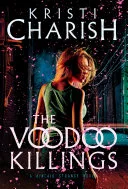
Kristi Charish’s 2016 novel, The Voodoo Killings, introduces Kincaid Strange, a voodoo practitioner in modern Seattle.
The Voodoo Killings centers on Kincaid Strange, a 27-year-old voodoo practitioner living and working in Seattle. Unlike the typical settings for her craft, Kincaid operates in a contemporary world where raising zombies is illegal across the United States. This debut novel portrays Kincaid not as an all-powerful sorceress, but as a young woman trying to make a living through unconventional means. Charish presents a fresh view of supernatural abilities within a modern, rain-soaked city environment.
This book is for readers who enjoy urban fantasy with a unique voice and a touch of the unusual. Those who like supernatural stories that connect magic to everyday challenges will find Kincaid Strange a relatable protagonist. The story appeals to readers interested in how folklore interacts with modern life, especially through the eyes of a resourceful, though often broke, voodoo practitioner. Kincaid's circumstances and setting offer a distinct experience for readers seeking alternatives to standard fantasy narratives.
Published in 2016, The Voodoo Killings fits within the urban fantasy genre’s exploration of magical traditions in modern society. While male practitioners had been common in the genre, Charish focused on a female voodoo practitioner, a less frequently depicted figure. The novel’s Seattle setting utilizes a specific locale to enhance its narrative, a common practice in urban fantasy that grounds supernatural elements in recognizable places. The plot’s inclusion of legal limitations on magical practices reflects societal views on the occult and the negotiation between established norms and fringe beliefs.
💡 Why Read This Book?
• You will explore the challenges of a modern voodoo practitioner like Kincaid Strange, who must balance ancient practices with contemporary financial struggles in Seattle. • You will encounter a unique take on supernatural lore, where outlawed practices like zombie raising force characters to find innovative, everyday applications for their abilities. • You will gain insight into the adaptation of spiritual traditions, seeing how Haitian-inspired voodoo manifests in a Pacific Northwest setting, a departure from traditional contexts.
⭐ Reader Reviews
Honest opinions from readers who have explored this book.
❓ Frequently Asked Questions
What is Kincaid Strange's primary occupation in 'The Voodoo Killings'?
Kincaid Strange, the protagonist, makes a living by practicing voodoo. However, due to legal restrictions on certain practices like raising zombies, she often performs services like seances for university students to earn money.
Where does 'The Voodoo Killings' take place?
The novel is set in Seattle, Washington, a location that stands in stark contrast to the more typical settings associated with voodoo traditions, such as Haiti.
What are the legal restrictions mentioned in the book regarding voodoo practices?
The book explicitly states that raising zombies is outlawed throughout the continental USA, forcing practitioners like Kincaid to find alternative, less conspicuous ways to utilize their skills.
Is 'The Voodoo Killings' part of a series?
Yes, 'The Voodoo Killings' is the debut novel of an urban fantasy series, introducing readers to Kincaid Strange and her unique world.
Who is the author of 'The Voodoo Killings'?
The author is Kristi Charish, and the book was first published on May 10, 2016.
What makes Kincaid Strange an unusual protagonist?
Kincaid is unusual because she is only twenty-seven, lives in Seattle rather than Haiti, is often broke, and practices voodoo in a contemporary setting where certain aspects of her craft are illegal.
🔮 Key Themes & Symbolism
Adaptation of Tradition
The novel examines how ancient spiritual practices like voodoo are adapted to contemporary urban environments. Kincaid Strange's practice in Seattle, far from its Haitian roots, highlights the resilience and evolution of cultural traditions. The outlawing of specific rituals, such as raising zombies, forces practitioners to innovate, finding mundane or less overt applications for their powers, demonstrating how traditions survive and transform under societal pressure and legal restrictions.
The Mundane Supernatural
Charish grounds the supernatural in the everyday financial and social struggles of her protagonist. Kincaid isn't a powerful sorceress battling world-ending threats; she's a young woman trying to pay rent by performing seances for college students. This theme emphasizes that even individuals with extraordinary abilities must read through the ordinary world, making the magic feel more accessible and the character more relatable.
Suppressed Magic and Identity
The legal prohibition of certain voodoo practices, like necromancy, creates an undercurrent of suppression that mirrors societal attitudes towards marginalized spiritual or cultural practices. Kincaid's existence as a voodoo practitioner in a modern, often skeptical, world raises questions about identity, heritage, and the right to practice one's beliefs, especially when those beliefs are misunderstood or feared.
Urban Isolation and Connection
Seattle's rain-soaked, urban landscape serves as more than just a backdrop; it contributes to a sense of isolation that Kincaid navigates. Her interactions, whether with skeptical students or other supernatural entities, explore the search for connection and understanding in a bustling, yet often impersonal, city. The novel portrays how magic can both isolate individuals and create unexpected bonds.
💬 Memorable Quotes
Direct passages from the work, attributed to the author.
“Raising zombies was outlawed throughout the continental USA.”
— This factual statement immediately grounds the supernatural narrative in legal and societal realities, establishing the constraints under which the protagonist must operate and highlighting the book's unique premise of forbidden magic.
“Kincaid has to eke out a living running seances for university students with more money than brains.”
— This highlights the 'mundane supernatural' theme, showing how Kincaid utilizes her voodoo skills for less-than-glamorous, albeit profitable, services, underscoring the practical challenges of her profession in a contemporary world.
“Vintage Canada is thrilled to announce the debut of a new urban fantasy series.”
— This publisher's statement situates the book within the literary market, signaling its genre and intended audience while marking it as the beginning of a larger narrative arc for Kincaid Strange.
“Seattle, which is not exactly Haiti.”
— This observation underscores the theme of cultural adaptation, pointing out the juxtaposition of a traditional spiritual practice with a distinctly non-traditional, geographically distant, and culturally different environment.
💡 Key Ideas
Editorial paraphrase of the work's core concepts — not direct quotes.
Kincaid Strange, not your average voodoo practitioner... she's only twenty-seven... she lives in rain-soaked Seattle... And she's broke.
This paraphrase from the original blurb emphasizes Kincaid's departure from typical depictions of magic users. Her youth, unconventional location, and financial struggles make her a relatable, modern protagonist facing tangible problems alongside supernatural ones.
🌙 Esoteric Significance
Tradition
While the book draws inspiration from voodoo (Vodou), it presents a fictionalized, urban fantasy interpretation rather than a strictly academic or devotional account. It engages with the popular perception of voodoo as a magical system capable of influencing events and spirits, adapting elements for narrative effect within an urban fantasy framework. It departs from traditional religious practice by focusing on a protagonist who uses these elements for personal gain and survival in a secularized world, rather than solely for spiritual devotion or community ritual.
Symbolism
The book likely incorporates symbols associated with Haitian Vodou, such as veves (sacred symbols drawn to invoke spirits or Loa), though its specific usage would be adapted for plot. The 'rain-soaked Seattle' setting itself can symbolize a kind of spiritual or emotional murkiness, a departure from the sunnier climes often associated with the tradition's origins. Kincaid's poverty and the outlawed nature of her craft could symbolize the suppression and marginalization of indigenous or diasporic spiritual practices in the modern West.
Modern Relevance
Works like "The Voodoo Killings" contribute to a contemporary fascination with less mainstream magical traditions in urban fantasy. They encourage readers to look beyond established Western esotericism, sparking interest in the diverse spiritual practices that exist globally. While not academic, such narratives can prompt further research into the historical and cultural contexts of traditions like Vodou, highlighting their complexities and resilience in diaspora and modern adaptation.
👥 Who Should Read This Book
• Urban fantasy enthusiasts seeking protagonists who are not typical powerful sorcerers but relatable individuals facing everyday struggles alongside supernatural challenges. • Readers interested in explorations of diasporic spiritual traditions and how they adapt to new cultural and geographical contexts, moving beyond stereotypical portrayals. • Fans of supernatural fiction that grounds magic in a specific, atmospheric urban setting like Seattle, offering a grittier, more grounded take on magical realism.
📜 Historical Context
Kristi Charish's "The Voodoo Killings" arrived in 2016, a year when the urban fantasy genre was well-established, with authors like Charlaine Harris (The Southern Vampire Mysteries, beginning 2001) and Jim Butcher (The Dresden Files, beginning 2000) having already defined key aspects of the market. Charish's work distinguished itself by focusing on a young, female practitioner of voodoo, a tradition often misrepresented or relegated to stereotypical portrayals in Western media. The novel's setting in Seattle, a city with its own distinct moody atmosphere often leveraged in contemporary fiction, provided a fresh backdrop for supernatural dealings. While not overtly tied to a specific intellectual movement, the book tapped into a broader cultural interest in exploring diverse spiritual traditions beyond the Western esoteric canon, offering a more nuanced and personalized perspective on magic. The specific mention of outlawed zombie-raising reflects ongoing societal anxieties and the way such practices are viewed through a lens of fear and control, contrasting with the diasporic, syncretic realities of Vodou.
📔 Journal Prompts
Kincaid Strange's financial struggles and the outlawing of zombie-raising.
The juxtaposition of Haitian-inspired voodoo with the Seattle environment.
The role of seances as a means of income for a practitioner.
The challenges of practicing a spiritual tradition in a secularized world.
The implications of supernatural abilities being subject to legal restrictions.
🗂️ Glossary
Voodoo Practitioner
An individual who practices voodoo, a complex spiritual and magical tradition originating from West African religions and Caribbean syncretism, often involving communication with spirits (Loa) and the use of rituals and charms.
Kincaid Strange
The protagonist of 'The Voodoo Killings,' a twenty-seven-year-old voodoo practitioner living and working in Seattle, who struggles with financial difficulties and legal restrictions on her craft.
Urban Fantasy
A subgenre of fantasy fiction set in a city or other urban environment, often featuring supernatural elements that are hidden from or interact with the mundane world.
Zombie Raising
A specific practice, mentioned as outlawed in the book, involving the animation or reanimation of corpses, often associated with negative or feared aspects of magic in popular culture.
Seance
A meeting where people attempt to make contact with the spirit world, often conducted by a medium. In the book, this is a way Kincaid earns money.
Haiti
The Caribbean nation from which many voodoo traditions originate, serving as a point of contrast to the novel's Seattle setting.
Vintage Canada
The publisher of 'The Voodoo Killings,' indicating its origin within the Canadian publishing landscape.