Acupuncture treatment for musculoskeletal pain
 78
78

Acupuncture treatment for musculoskeletal pain
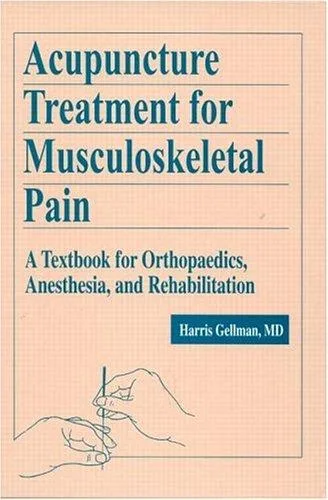
Harris Gellman's "Acupuncture Treatment for Musculoskeletal Pain" offers a focused exploration of a potent therapeutic modality. Its strength lies in its direct application to a prevalent health concern: pain. The book systematically outlines the practical application of acupuncture for ailments ranging from chronic back issues to acute sports injuries, providing a clear roadmap for practitioners. A notable aspect is its clear articulation of meridian pathways in relation to anatomical structures, bridging traditional concepts with Western physiological understanding. However, the work, originating in 2002, may benefit from updated research findings that have emerged in the intervening years, particularly concerning neurophysiological mechanisms and advanced imaging studies of acupuncture's effects. Despite this, the core principles and techniques presented remain highly relevant for anyone seeking to understand acupuncture's role in musculoskeletal pain management.
📝 Description
78
Harris Gellman's 2002 book details acupuncture for musculoskeletal pain.
Published in 2002, "Acupuncture Treatment for Musculoskeletal Pain" by Harris Gellman focuses on applying acupuncture to relieve pain from the musculoskeletal system. The book serves as a practical manual for practitioners, outlining methods and theoretical foundations for using this modality in modern pain management. It is intended for licensed acupuncturists, physical therapists, chiropractors, and other health professionals interested in incorporating acupuncture into their practice for conditions like back pain, joint stiffness, muscle spasms, and sports injuries. Students in these fields will also find it a valuable resource for detailed knowledge.
The early 2000s marked a rise in interest in complementary medicine in Western healthcare. Gellman's text appeared during a time when acupuncture, with its ancient roots in Traditional Chinese Medicine (TCM), was undergoing increased clinical study. This period saw a push for evidence-based approaches, even in less conventional therapies. The book addresses meridian theory, a core TCM concept explaining energy pathways (meridians) in the body. Gellman explains how blockages in these meridians can cause pain and dysfunction, and how stimulating specific acupuncture points can restore Qi flow, alleviate pain, and improve musculoskeletal health. Anatomical and physiological aspects of needling are also likely discussed.
Gellman's work is situated within the continued Western integration of Traditional Chinese Medicine (TCM). While the book's focus is practical application for pain, its underlying framework rests on TCM's energetic model, specifically meridian theory. This concept, which posits invisible pathways of vital energy (Qi) governing bodily functions, is an esoteric principle originating in ancient China. The book translates these age-old ideas about energy flow and balance into a framework for understanding and treating physical pain, bridging a millennia-old system with contemporary healthcare needs.
💡 Why Read This Book?
• Gain practical techniques for addressing musculoskeletal pain through acupuncture, as detailed in Gellman's 2002 guide, offering specific point prescriptions for common conditions. • Understand the integration of Traditional Chinese Medicine's meridian theory with Western anatomical understanding, learning how Qi flow relates to physical discomfort. • Discover the historical context of acupuncture's growing acceptance in Western medicine around the turn of the millennium, appreciating the groundwork laid by practitioners like Gellman.
⭐ Reader Reviews
Honest opinions from readers who have explored this book.
❓ Frequently Asked Questions
What specific musculoskeletal conditions does Gellman's acupuncture book address?
The book focuses on a range of musculoskeletal pain issues, including but not limited to back pain, joint stiffness, muscle spasms, and injuries commonly sustained in sports or through physical exertion.
When was Harris Gellman's book on acupuncture first published?
Harris Gellman's "Acupuncture Treatment for Musculoskeletal Pain" was first published in the year 2002.
What is the core theory behind acupuncture for pain as presented in the book?
The book is grounded in Traditional Chinese Medicine's meridian theory, positing that pain arises from blockages in the body's energy pathways (meridians) and that stimulating specific points can restore energy flow (Qi).
Is this book suitable for beginners in acupuncture?
Yes, the book is designed as a practical guide, making it suitable for students and practitioners looking to learn or enhance their skills in applying acupuncture for musculoskeletal pain.
Does the book discuss the historical development of acupuncture?
While primarily practical, the book situates acupuncture within its historical context, particularly its emergence and growing acceptance within Western healthcare systems around the early 2000s.
What is the primary benefit of reading this book for a physical therapist?
A physical therapist can learn to integrate acupuncture techniques into their practice, potentially offering patients an additional, effective modality for managing pain and improving function.
🔮 Key Themes & Symbolism
Meridian Theory and Pain
The work centers on the ancient Chinese concept of meridians, invisible pathways through which vital energy, or Qi, flows. Gellman elucidates how disruptions or blockages within these meridians are understood to manifest as physical pain and dysfunction in the musculoskeletal system. The book details the precise locations of these meridians and their associated acupoints, offering a framework for practitioners to diagnose and treat pain by addressing these energetic imbalances.
Acupoint Selection and Application
A core component of the book involves the strategic selection and precise application of acupuncture points. Gellman guides readers through identifying specific acupoints that correspond to particular musculoskeletal complaints, such as lower back pain or shoulder impingement. The emphasis is on the practical, hands-on aspect of needling, ensuring that practitioners can effectively stimulate these points to achieve therapeutic outcomes and alleviate somatic suffering.
Bridging Traditional and Modern Practice
Gellman's approach attempts to bridge the gap between Traditional Chinese Medicine (TCM) and contemporary Western anatomical and physiological understanding. While rooted in ancient energetic principles, the book implicitly acknowledges the need for practitioners to understand the physical structures involved in musculoskeletal pain, thereby presenting acupuncture as a complementary therapy that can integrate with established medical paradigms.
Holistic Pain Management
Beyond merely treating symptoms, the book advocates for a more holistic approach to pain management. By addressing the underlying energetic imbalances proposed by TCM, acupuncture aims to restore the body's natural healing capabilities. This perspective positions the practice not just as a pain-relief technique but as a method for promoting overall well-being and preventing recurrence of musculoskeletal issues.
💬 Memorable Quotes
Direct passages from the work, attributed to the author.
“Stimulating specific points along meridians restores Qi flow to alleviate pain.”
— This captures the fundamental principle of acupuncture as presented: that pain is a symptom of energetic disruption, and targeted stimulation can correct this by re-establishing the harmonious flow of vital energy.
“Musculoskeletal pain often relates to blockages in the body's energy pathways.”
— This highlights the book's core diagnostic premise, suggesting that physical discomfort in muscles and joints is not merely mechanical but indicative of deeper energetic stagnation according to Traditional Chinese Medicine principles.
“Precise acupoint selection is crucial for effective treatment.”
— This emphasizes the skill and knowledge required in acupuncture practice, underscoring that the efficacy of treatment hinges on the practitioner's ability to accurately identify and utilize the correct points.
“Acupuncture offers a method to complement conventional pain management.”
— This indicates the book's positioning of acupuncture not as a replacement for, but as an adjunct to, other medical treatments for musculoskeletal pain, reflecting its growing integration into mainstream healthcare.
“Restoring the balance of Qi promotes healing and reduces discomfort.”
— This points to the therapeutic goal of acupuncture: to bring the body's vital energy back into equilibrium, which in turn facilitates the natural healing processes and diminishes the sensation of pain.
🌙 Esoteric Significance
Tradition
This work draws heavily from the principles of Traditional Chinese Medicine (TCM), an ancient system of healing that views the body as an energetic system. While TCM is not typically classified within Western esoteric traditions like Hermeticism or Kabbalah, its focus on vital energy (Qi), meridians, and energetic diagnosis places it within a broader global esoteric understanding of life force and its manipulation for health.
Symbolism
The primary symbolism lies in the concept of Qi, the invisible vital force that animates all living beings. Meridians, the pathways of Qi, can be seen as symbolic representations of the interconnectedness of the body's systems. Specific acupuncture points, often named poetically (e.g., 'Sea of Tranquility'), function as symbolic access points to influence the flow and balance of this vital energy.
Modern Relevance
Gellman's work remains relevant as a foundational text for understanding the practical application of acupuncture in modern pain management. Contemporary practitioners, particularly those in integrative medicine settings, continue to draw upon the principles outlined in such texts. The ongoing research into the neurophysiological mechanisms of acupuncture also builds upon the traditional energetic frameworks that books like this helped to disseminate and legitimize.
👥 Who Should Read This Book
• Acupuncturists seeking to deepen their understanding of treating musculoskeletal pain, benefiting from specific point prescriptions and theoretical frameworks. • Physical therapists and chiropractors interested in expanding their therapeutic repertoire by learning about acupuncture's application to common physical ailments. • Students of traditional medicine exploring the practical integration of ancient healing modalities with contemporary healthcare needs.
📜 Historical Context
Harris Gellman's "Acupuncture Treatment for Musculoskeletal Pain," published in 2002, emerged during a period of significant expansion and cautious acceptance of Complementary and Alternative Medicine (CAM) within Western healthcare. The early 2000s witnessed increased funding for CAM research and a growing number of licensed practitioners in fields like acupuncture. This era saw a shift from viewing acupuncture as purely esoteric to exploring its potential efficacy through clinical trials, often comparing it to placebo or standard care. While Traditional Chinese Medicine (TCM) had a long history, its integration into Western medical discourse was relatively recent. Gellman's work contributed to this dialogue by focusing on a specific, prevalent application—musculoskeletal pain—making it more accessible to practitioners familiar with Western anatomical terminology. This period also saw the rise of organizations advocating for CAM integration, such as the National Center for Complementary and Alternative Medicine (NCCAM) in the US, established in 1998, which provided a framework for studying therapies like acupuncture.
📔 Journal Prompts
The concept of Qi flow and its relation to musculoskeletal pain.
Specific acupuncture points for addressing lower back discomfort.
The historical reception of acupuncture in Western medicine around 2002.
How meridian theory informs the diagnosis of physical ailments.
Personal reflections on the body's energetic pathways and pain sensation.
🗂️ Glossary
Qi (Chi)
The fundamental concept in Traditional Chinese Medicine representing vital life force or energy that flows through the body, essential for maintaining health and vitality.
Meridians
A network of pathways or channels throughout the body through which Qi circulates, connecting acupuncture points and internal organs.
Acupoint
Specific locations on the body, typically along meridians, that can be stimulated (e.g., by acupuncture needles) to influence the flow of Qi and treat various conditions.
Musculoskeletal Pain
Discomfort or pain originating from the muscles, bones, ligaments, tendons, and joints of the body.
Traditional Chinese Medicine (TCM)
A complete medical system developed over thousands of years in China, encompassing acupuncture, herbal medicine, diet, and other therapeutic practices.
Needling
The process of inserting fine needles into specific acupuncture points on the body as part of an acupuncture treatment.
Holistic Approach
A treatment philosophy that considers the whole person—mind, body, and spirit—rather than focusing solely on the symptoms of a disease.
🔮 Readers Also Liked
Browse all →









More by Harris Gellman
All books →
More Free Occult Philosophy Books
View all →