Blavatsky Fraud From Pilgramage Conway 1906 theosophy nwo illminati freemasons
 72
72

Blavatsky Fraud From Pilgramage Conway 1906 theosophy nwo illminati freemasons

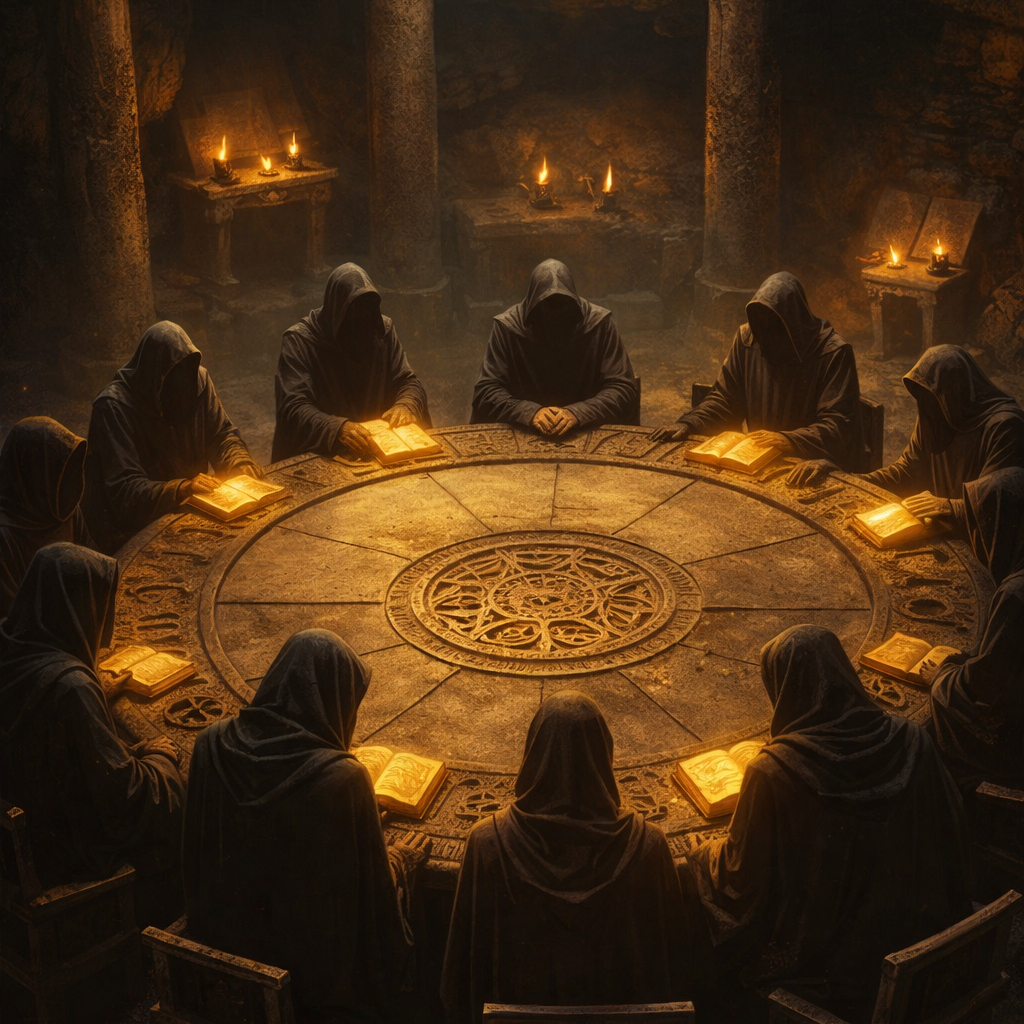

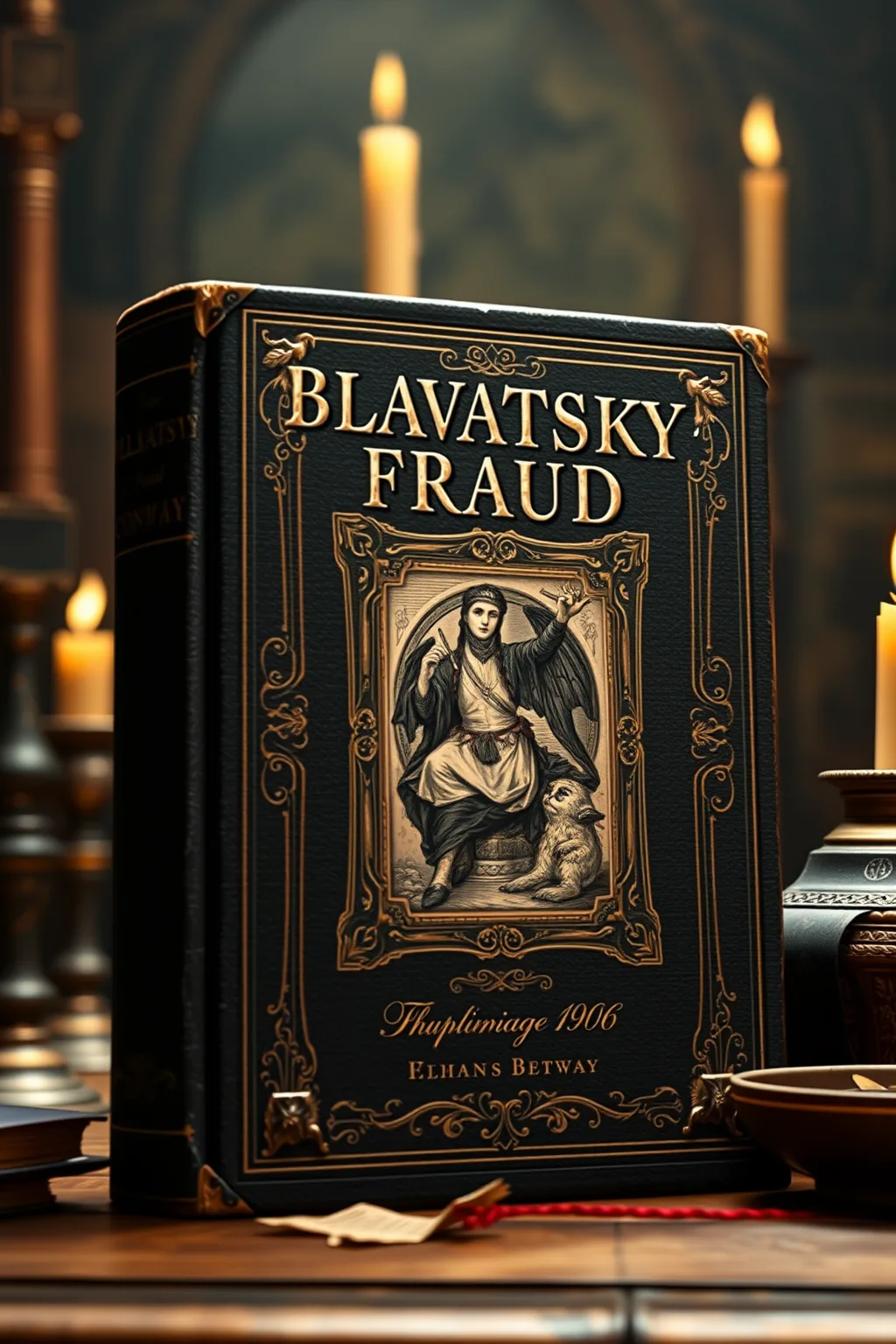
Moncure D. Conway's 1906 pilgrimage account, 'Blavatsky Fraud,' is a compelling expose of the occult world, particularly focusing on Helena Blavatsky and her alleged deceptions. Conway's firsthand experiences with Blavatsky provide a unique and skeptical viewpoint on the Theosophical Society and its practices. The book is rich in historical detail and offers a critical examination of Blavatsky's influence and the broader implications of occult practices. For modern esoteric seekers, this text serves as a cautionary tale, urging readers to approach spiritual leadership with a discerning eye. Conway's detailed account and his personal interactions with Blavatsky make this book an invaluable resource for understanding the darker side of the occult. This book is a 4-star read for those interested in the hidden agendas within esoteric and secret societies.
📝 Description
72
Conway's 1906 pilgrimage detailed Blavatsky's alleged deceptions within Theosophy.
This volume recounts Conway's 1906 journey and his encounters with Helena Blavatsky. It details his accusations of deceptive practices among those claiming spiritual authority. The book examines the manipulation that can occur behind esoteric movements. It questions the authenticity of spiritual claims when they are presented by charismatic figures. The author suggests that a veneer of mysticism can hide spiritual fraudulence. Readers interested in the history of occult societies and their alleged influence will find this account challenging.
The text scrutinizes the nature of spiritual enlightenment and the risks of uncritical devotion. It highlights the philosophical questions surrounding genuine spiritual pursuits versus those driven by deceit. The book aims to expose the hidden mechanisms of influence within secret societies. It encourages a critical examination of spiritual leaders and their methods.
Published in 1906, this work engages with the early Theosophical movement, a significant branch of Western esotericism. It stands in contrast to the more devotional or academic approaches to Blavatsky's teachings, instead offering a critical perspective. The book touches upon themes relevant to occult critique, examining claims of spiritual transmission and the potential for charlatanism within esoteric organizations. It reflects a period of intense public interest and debate surrounding figures like Blavatsky and the societies they founded, including discussions about their alleged connections to Freemasonry and broader secret society networks.
💡 Why Read This Book?
Reading 'Blavatsky Fraud From Pilgrimage Conway 1906 theosophy nwo illminati freemasons' today provides a unique perspective on the occult and its influence on modern society. Readers will gain insights into the historical context of Theosophy and Freemasonry, understanding how these secret societies have shaped global affairs. This book serves as a warning against spiritual deception, encouraging readers to question the authenticity of spiritual leaders and their motives. It is a valuable resource for anyone interested in the hidden agendas within esoteric circles.
⭐ Reader Reviews
Honest opinions from readers who have explored this book.
❓ Frequently Asked Questions
What is the main focus of 'Blavatsky Fraud From Pilgrimage Conway 1906 theosophy nwo illminati freemasons'?
The main focus of the book is Moncure D. Conway's 1906 pilgrimage and his personal interactions with Helena Blavatsky, revealing what he believed to be spiritual deception and fraud within the Theosophical Society.
How does this book contribute to the understanding of the occult?
The book provides a critical examination of occult practices and the influence of secret societies, challenging readers to question the authenticity of spiritual leaders.
Who should read 'Blavatsky Fraud From Pilgrimage Conway 1906 theosophy nwo illminati freemasons'?
This book is ideal for those interested in esoteric studies, Freemasonry, and the hidden agendas within secret societies, as well as anyone seeking a skeptical perspective on spiritual leadership.
🔮 Key Themes & Symbolism
Spiritual Deception
The book explores the deceptive practices of spiritual leaders like Helena Blavatsky, who masquerade as enlightened beings but operate in the shadows of manipulation and fraud. It explores the mystical and esoteric themes that underlie these deceptions, revealing the spiritual fraudulence that often hides behind the veneer of mysticism.
Secret Societies
The narrative unveils the hidden influence of secret societies like the Freemasons and the Illuminati, exploring their role in shaping world events and the occult world. It provides a unique perspective on the deceptive practices of these groups and their impact on human history.
Authenticity in Spiritual Pursuits
The philosophical significance of this book lies in the exploration of authenticity in spiritual pursuits. It serves as a cautionary tale for seekers of truth in a world riddled with illusion, highlighting the dangers of blind faith in charismatic figures.
💡 Key Ideas
Editorial paraphrase of the work's core concepts — not direct quotes.
Spiritual fraudulence is not just a material deception but a spiritual one as well.
This quote underscores the profound deception that can occur in the spiritual realm, where charismatic figures manipulate seekers of truth.
The occult world is riddled with deception and manipulation.
This line highlights the pervasive nature of deception in the occult world, where truth is often obscured by illusion.
Authenticity in spiritual pursuits is paramount in a world of illusion.
This quote emphasizes the importance of discernment and authenticity in spiritual pursuits, warning against the dangers of blind faith.
The influence of secret societies is often hidden beneath the surface of human history.
This passage reveals the hidden influence of secret societies like the Freemasons and the Illuminati, exploring their role in shaping world events.
Conway's pilgrimage uncovered the true nature of Blavatsky's spiritual fraudulence.
This quote highlights the significance of Conway's 1906 pilgrimage, where he encountered the deceptive practices of Blavatsky and the occult world.
🌙 Esoteric Significance
Tradition
This book belongs to the Hermetic and Theosophical traditions, which emphasize the exploration of hidden knowledge and the pursuit of spiritual enlightenment. It explores the mystical and esoteric themes that permeate these traditions, revealing the deceptive practices that often hide behind the veneer of mysticism.
Symbolism
Key symbols in this book include the use of spiritual deception and the manipulation of seekers of truth. The narrative also explores the symbolism of secret societies and their hidden influence on the world. The book reveals the esoteric significance of these symbols, providing a deeper understanding of the occult world.
Modern Relevance
This book is relevant to modern practitioners of mysticism and esoteric studies as it exposes the manipulative tactics used by spiritual leaders. It serves as a cautionary tale for seekers of truth in a world of illusion, highlighting the dangers of blind faith in charismatic figures. Modern practitioners can use this knowledge to discern authenticity in spiritual pursuits.
👥 Who Should Read This Book
Beginners interested in the occult and esoteric traditions will find this book to be an eye-opening introduction to the hidden world of spiritual deception. Scholars of occult history will appreciate the firsthand account of Conway's pilgrimage and the insights it provides into the deceptive practices of spiritual leaders. Spiritual seekers and practitioners of mysticism will benefit from the philosophical significance of authenticity in spiritual pursuits, learning to discern truth from illusion.
📜 Historical Context
Written in 1906, 'Blavatsky Fraud From Pilgrimage Conway' captures a central moment in the history of occult studies and the influence of secret societies. The era was marked by a growing interest in mysticism and theosophy, with figures like Helena Blavatsky gaining prominence. Conway's pilgrimage provides a firsthand account of the deceptive practices within the occult world, shedding light on the hidden truths that lie beneath the surface of human history. This book has had a lasting influence on the study of esoteric traditions and the exposure of spiritual fraudulence.
📔 Journal Prompts
Reflect on the deceptive practices of spiritual leaders and how they can be avoided.
Consider the influence of secret societies on human history and their hidden agendas.
Explore the significance of authenticity in spiritual pursuits and the dangers of blind faith.
Examine the esoteric themes in this book and their relevance to modern mysticism.
Discuss the philosophical implications of spiritual fraudulence and its impact on seekers of truth.
🗂️ Glossary
Theosophy
A philosophical and religious movement that seeks to uncover hidden wisdom and spiritual truths.
Freemasonry
A secret society that emphasizes moral and spiritual development through esoteric teachings and rituals.
Illuminati
A secret society believed to be involved in conspiracy and manipulation of world events.
Esoteric
Relating to knowledge that is hidden or only accessible to a select few.
Occult
Relating to mysterious, supernatural, or hidden knowledge and practices.
This book appears in 3 collections
🔮 Readers Also Liked
Browse all →






From the “Secret Societies” Collection
View all →






More Free Freemasonry & Secret Societies Books
View all →