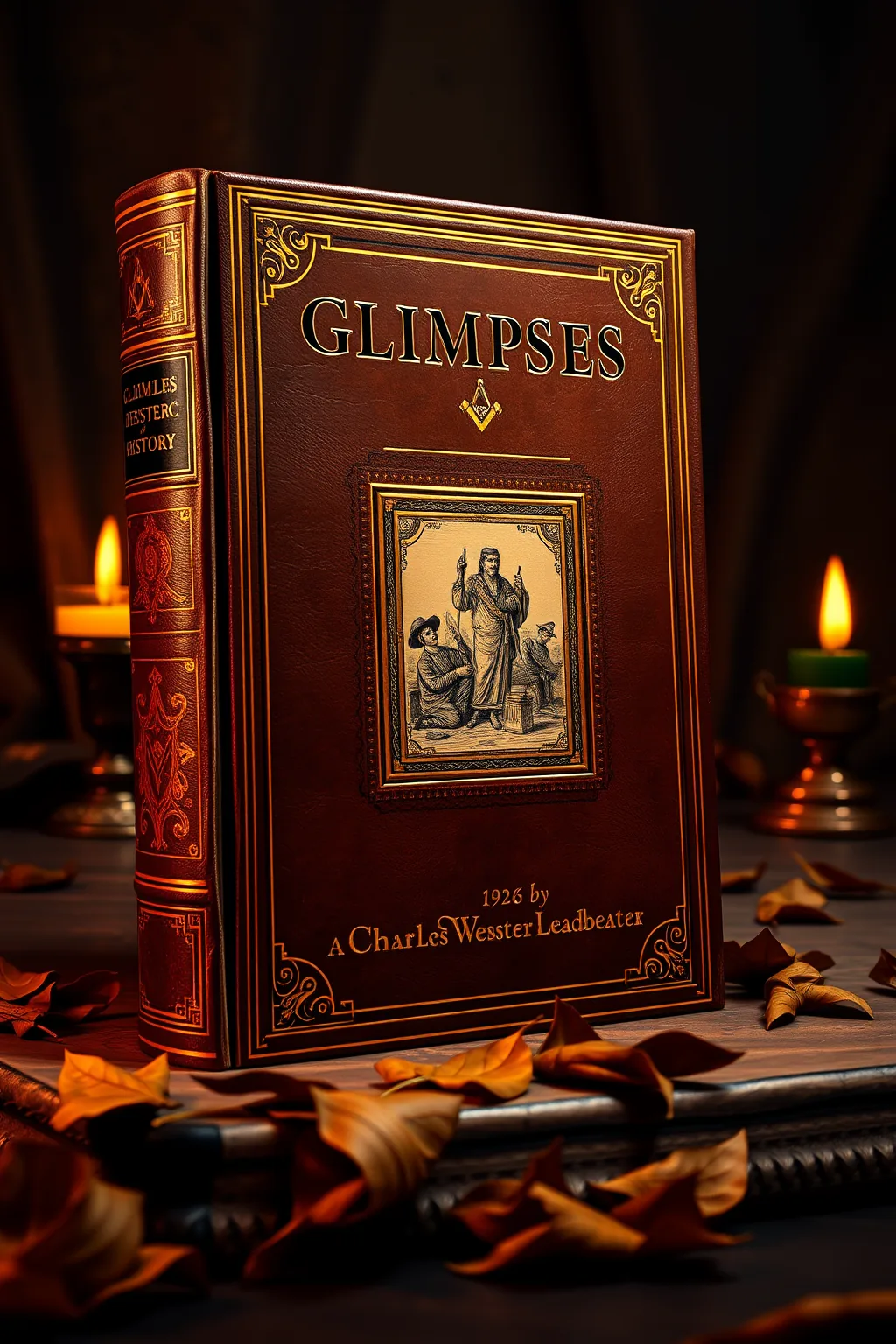
Glimpses of Masonic History
 83
83

Glimpses of Masonic History


Sophia Crane (Associate Editor) — 'Glimpses of Masonic History' is a profound exploration of Freemasonry's esoteric DNA. Leadbeater, with his signature clarity, connects the dots between ancient initiatory rites and the structure of Masonic degrees, unveiling a lineage of wisdom. He skillfully deciphers the symbolic language embedded within rituals, offering insights that resonate with practitioners and scholars alike. The book's strength lies in its ability to demystify complex historical transitions while retaining an aura of profound mystery. It's a must-read for anyone wishing to understand Freemasonry not merely as a social organization, but as a living tradition of spiritual development and esoteric knowledge.
📝 Description
83
Charles Webster Leadbeater published 'Glimpses of Masonic History' in 1926, detailing Freemasonry's esoteric connections.
Published in 1926, Charles Webster Leadbeater's 'Glimpses of Masonic History' examines the historical and symbolic lineage of Freemasonry. The book traces the fraternity's development from operative stonemasons' guilds to its present speculative form. Leadbeater connects Masonic rituals and symbolism to ancient mystery traditions found in Egypt, Crete, Israel, and Greece, as well as the cult of Mithras.
He focuses on the hidden currents and alchemical transformations that shaped the order. The work aims to illuminate the spiritual foundations and sacred geometry within Masonic teachings. It is intended for those interested in the philosophical underpinnings and esoteric aspects of Freemasonry.
Leadbeater's work places Freemasonry within a broader occult tradition that connects medieval stonemasonry to ancient Egyptian, Greek, and Mithraic mystery rites. It suggests that the fraternity preserves symbolic and ritualistic knowledge passed down through these older traditions. The book views Masonic practices not merely as social rituals but as expressions of a continuous stream of esoteric philosophy and spiritual science, linking them to concepts of alchemy and sacred geometry.
✍️ Author
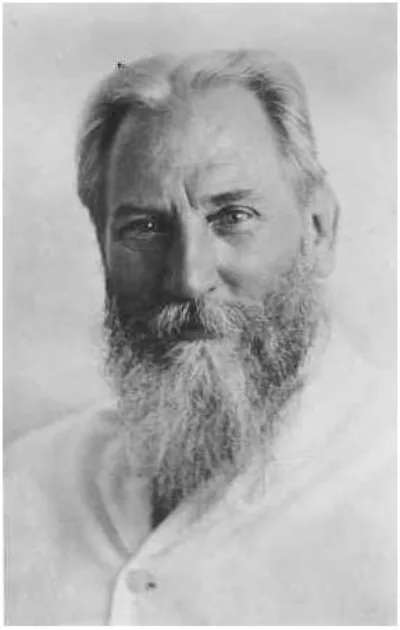
Charles Webster Leadbeater
Charles Webster Leadbeater was a British occultist and prominent member of the Theosophical Society.
Theosophist
💡 Why Read This Book?
Uncover the ancient mystical lineage of Freemasonry, connecting its rituals and symbols to the profound wisdom of Egyptian, Greek, and Mithraic mystery traditions. 'Glimpses of Masonic History' offers a concise yet illuminating journey from operative guilds to speculative philosophy. Ideal for seekers of esoteric knowledge, Masonic students, and anyone curious about the hidden spiritual dimensions of Western occult traditions.
⭐ Reader Reviews
Honest opinions from readers who have explored this book.
❓ Frequently Asked Questions
What is the primary focus of 'Glimpses of Masonic History'?
The book primarily focuses on tracing the esoteric lineage and symbolic evolution of Freemasonry, connecting its practices to ancient mystery schools and the transition from operative to speculative Masonry.
Which ancient traditions does Leadbeater explore?
Leadbeater examines the Egyptian, Cretan, Jewish, Greek, and Mithraic mystery traditions as foundational influences on Masonic thought and symbolism.
Is this book suitable for beginners in Freemasonry?
Yes, while it delves into esoteric depth, Leadbeater's writing is accessible, making it a valuable introduction for beginners seeking to understand the philosophical underpinnings of Masonry.
What role does symbolism play in the book?
Symbolism is central. Leadbeater interprets key Masonic symbols by linking them to their ancient archetypes and ritualistic meanings, revealing layers of hidden knowledge.
When was this book originally published?
'Glimpses of Masonic History' was first published in 1926, offering a perspective from the early 20th century's academic study of esoteric traditions.
🔮 Key Themes & Symbolism
The Esoteric Lineage of Freemasonry
This theme explores the profound spiritual and philosophical connections between Freemasonry and the ancient mystery traditions of antiquity. Leadbeater argues that Masonic rituals and symbols are not arbitrary but are traces of far older initiatory practices designed for spiritual awakening and self-knowledge. The book meticulously traces how these ancient currents flowed through various cultures, ultimately manifesting in the structured degrees and teachings of modern Freemasonry, positioning it as a continuation of a timeless quest for divine wisdom.
Symbolism as a Vehicle of Hidden Knowledge
Leadbeater emphasizes that Masonic symbols are far more than mere decorations; they are potent keys to unlocking deeper truths about the cosmos and the human soul. The book studies the archetypal significance of common Masonic imagery, demonstrating how these symbols act as a universal language that transcends literal interpretation. By understanding these symbolic vehicles, the initiate can start a transformative journey, apprehending esoteric principles that are not readily apparent in the exoteric world.
The Transition from Operative to Speculative Masonry
This theme examines the important shift in Freemasonry from its origins as a craft guild for stonemasons in medieval Europe to its evolution into a philosophical and spiritual fraternity. Leadbeater illustrates how the practical skills and tools of operative Masons were reinterpreted metaphorically, becoming allegorical instruments for building the 'spiritual temple' within the individual. This transformation signifies Masonry's enduring capacity to adapt and convey timeless wisdom through evolving forms.
💬 Memorable Quotes
Direct passages from the work, attributed to the author.
“Ancient wisdom finds new expression.”
— Leadbeater suggests that Freemasonry is not a new invention but a modern manifestation of ancient, enduring spiritual truths and initiatory methods.
“The square and compasses, a map of the soul.”
— This implies that the fundamental symbols of Masonry offer a symbolic representation of the human psyche and its potential for spiritual growth and balance.
“From stone to spirit, the eternal work.”
— This expresses the transition from operative Masonry (working with physical stone) to speculative Masonry (building the inner, spiritual temple).
“Every symbol conceals a truth.”
— A core tenet of esoteric study, this emphasizes that Masonic symbols are not superficial but hold profound, hidden meanings waiting to be discovered.
💡 Key Ideas
Editorial paraphrase of the work's core concepts — not direct quotes.
The ritual is the body, the symbolism the soul.
This quote highlights the interconnectedness of Masonic practice. Ritual provides the structure and form, while symbolism imbues it with profound, esoteric meaning and spiritual life.
🌙 Esoteric Significance
Tradition
The esoteric significance of 'Glimpses of Masonic History' lies in its direct engagement with the Hermetic, Gnostic, and Neoplatonic traditions. Leadbeater positions Freemasonry as a modern inheritor of ancient mystery schools that sought to initiate individuals into higher states of consciousness and understanding of cosmic principles. The book emphasizes the universality of spiritual laws and the role of symbolism and ritual in facilitating the soul's ascent, aligning it with the core tenets of Western esoteric philosophy.
Symbolism
Symbolism is the very language of the esoteric. Leadbeater meticulously analyzes key Masonic symbols—such as the square, compasses, level, and plumb rule—interpreting them not merely as craft tools but as profound representations of moral, ethical, and spiritual truths. He connects these symbols to their ancient archetypes, revealing how they function as mnemonic devices and conduits for transmitting complex metaphysical concepts across generations, enabling the seeker to perceive the hidden order of the universe.
Modern Relevance
In an age often characterized by materialism and spiritual disconnection, 'Glimpses of Masonic History' offers a potent reminder of Freemasonry's enduring capacity to serve as a vehicle for personal transformation and esoteric exploration. The book’s insights into ancient wisdom and symbolic language remain relevant for contemporary seekers interested in self-improvement, philosophical inquiry, and the recovery of lost spiritual traditions. It encourages a deeper appreciation of ritual and symbolism as pathways to understanding oneself and the greater cosmos.
👥 Who Should Read This Book
This book is useful for Masonic brethren seeking a deeper, more philosophical understanding of their Craft beyond the ritualistic. Esoteric scholars and students of Western mystery traditions will find Leadbeater's historical connections and symbolic interpretations useful. Spiritual seekers interested in the roots of Western occultism and the lineage of initiatory societies will discover a rich narrative. Furthermore, anyone fascinated by the intersection of history, philosophy, and spirituality will appreciate the clear insights offered within these pages.
📜 Historical Context
Published in 1926, 'Glimpses of Masonic History' emerged during a period of intense esoteric revival and scholarship in the West. The early 20th century saw a renewed interest in ancient civilizations, comparative religion, and occult traditions, fueled by figures like Helena Blavatsky and the Theosophical Society, of which Leadbeater was a prominent member. This era was characterized by a desire to synthesize disparate spiritual and philosophical systems, seeking universal truths beneath diverse cultural expressions. Leadbeater's work reflects this intellectual milieu, attempting to connect the structured rituals of Freemasonry with the perceived unbroken chain of esoteric wisdom stretching back to the dawn of civilization.
📔 Journal Prompts
How do the symbols of operative Masonry (tools) translate into the philosophical principles of speculative Masonry?
Which ancient mystery school described in the book resonates most with your personal spiritual journey, and why?
Consider a common Masonic symbol; how might its meaning evolve or be reinterpreted in a modern context?
What does the concept of 'building the spiritual temple' mean to you personally?
How can the study of historical esoteric traditions inform one's own path of self-discovery and spiritual growth?
🗂️ Glossary
Operative Masonry
Refers to the historical craft guilds of stonemasons and builders in medieval Europe, whose work involved the physical construction of cathedrals and other structures.
Speculative Masonry
The philosophical and symbolic evolution of operative Masonry, where its rituals, symbols, and allegories are interpreted for moral, ethical, and spiritual development, rather than literal construction.
Mystery Schools
Ancient institutions, particularly in Hellenistic and Egyptian cultures, that offered initiatory teachings and secret rites aimed at spiritual enlightenment and imparting esoteric knowledge to their members.
Mithraic Tradition
An ancient mystery religion centered around the god Mithras, popular among Roman soldiers, characterized by its initiation rites, symbolism, and depictions of Mithras slaying a bull (tauroctony).
Archetype
In Jungian psychology and esoteric thought, an archetype is a universally understood symbol or motif that recurs in literature, myth, and dreams, representing fundamental aspects of human experience.
This book appears in 2 collections
🔮 Readers Also Liked
Browse all →







More by Charles Webster Leadbeater
All books →




From the “Secret Societies” Collection
View all →







More Free Freemasonry & Secret Societies Books
View all →