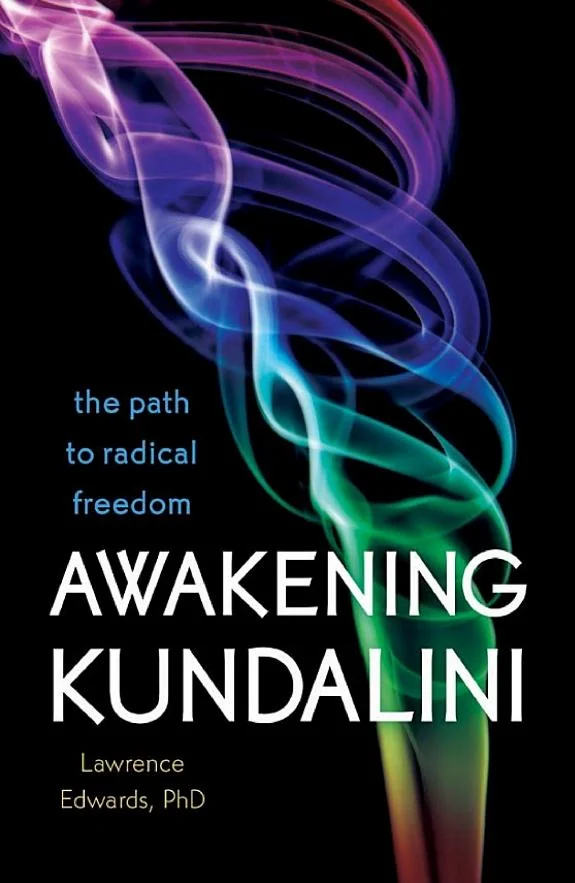
Awakening Kundalini
 79
79

Awakening Kundalini
Edwards tackles the potent subject of Kundalini not with sensationalism, but with academic rigor and a practitioner's understanding. His strength lies in meticulously dissecting the concept, tracing its roots and potential manifestations without resorting to unsubstantiated claims. He critically examines the energetic pathways, grounding abstract notions in a tangible, if subtle, physiology. A particular point of clarity is his discussion on the difference between genuine awakening and psychosomatic mimicry, a crucial distinction often blurred in popular discourse. However, the sheer density of information can, at times, feel overwhelming, requiring significant prior knowledge or dedicated study. While comprehensive, the book could have benefited from more practical, step-by-step guidance for the novice, though this may deviate from its scholarly intent. Nevertheless, "Awakening Kundalini" serves as an indispensable reference for those seeking a deep, critical understanding of this fundamental spiritual force.
📝 Description
79
Lawrence Edwards' 1990 book examines Kundalini as a potent force influencing consciousness and spiritual ascent.
Lawrence Edwards' "Awakening Kundalini" addresses the primal spiritual energy believed to reside within the human form. Often symbolized as a coiled serpent, this energy is presented as a genuine force that shapes consciousness, evolution, and spiritual progress. Edwards seeks to clarify this concept, moving beyond specialized language to offer a practical understanding of how it functions and its potential effects.
The book targets serious students of esoteric philosophy, yoga practitioners, and spiritual seekers who have progressed past introductory materials. It requires a willingness to grapple with complex ideas and potentially demanding inner work. Individuals interested in the physical and mental aspects of spiritual growth, as well as scholars of comparative religion who study global mythologies and spiritual practices, will find considerable depth here.
The concept of Kundalini is historically rooted in Indian Vedic traditions, appearing in texts like the Upanishads and Tantric literature from ancient times. Edwards connects his examination to this long lineage, also considering how Western esoteric thought has interpreted and received the idea. The book traces historical understandings of this energy, noting its presence in various yogic disciplines and its symbolic significance across different cultures.
💡 Why Read This Book?
• Gain a nuanced understanding of Kundalini as an evolutionary principle, moving beyond simplistic serpent imagery, as detailed in the book's exploration of its function within ancient Indian spiritual teachings. • Learn to differentiate between genuine spiritual awakening and psychological phenomena, a critical distinction emphasized by Edwards' rigorous analysis of the energy's potential effects. • Comprehend the historical and cross-cultural interpretations of this potent energy, providing context for its role in various esoteric traditions and its first publication in 2013.
⭐ Reader Reviews
Honest opinions from readers who have explored this book.
❓ Frequently Asked Questions
What is Kundalini according to Lawrence Edwards?
Lawrence Edwards describes Kundalini as a universal, primal spiritual energy that drives evolution and growth within individuals. He views it as an intelligent force influencing consciousness and spiritual development, deeply rooted in ancient Indian traditions.
Is "Awakening Kundalini" suitable for beginners?
While accessible, the book delves into complex concepts and assumes a degree of familiarity with esoteric thought. It is best suited for serious students and practitioners seeking in-depth knowledge rather than absolute beginners.
What historical traditions does the book reference?
The book extensively references the ancient Vedic traditions of India, including the Upanishads and Tantric literature, which are primary sources for understanding Kundalini. It also touches upon its interpretations in Western esoteric circles.
What are the potential risks of attempting to awaken Kundalini?
Edwards highlights that without proper understanding and preparation, awakening Kundalini can lead to significant psychological and energetic imbalances. He stresses the importance of a balanced approach and guidance.
When was "Awakening Kundalini" first published?
Lawrence Edwards' "Awakening Kundalini" was first published on October 1, 2013, making it a relatively recent yet comprehensive exploration of the subject.
How does this book differ from other Kundalini literature?
This work distinguishes itself through its scholarly depth, critical analysis, and grounding of esoteric concepts within a framework that acknowledges both spiritual traditions and potential psychological impacts.
🔮 Key Themes & Symbolism
The Evolutionary Impulse
Edwards posits Kundalini not merely as a latent energy but as the fundamental engine of spiritual evolution. He connects this force to the inherent drive in all beings to grow, expand consciousness, and ultimately realize their divine potential. The book traces this concept through various spiritual philosophies, framing the awakening of Kundalini as a critical step in transcending ordinary human limitations and achieving higher states of being.
Energetic Physiology and Chakras
A significant portion of the work is dedicated to mapping the supposed energetic pathways of Kundalini within the human subtle body. Edwards meticulously describes the central channels, particularly Sushumna, and the major chakric centers, explaining how Kundalini's ascent through these is theorized to activate different levels of consciousness and spiritual perception. This detailed exploration provides a framework for understanding the physiological correlates of spiritual experiences.
The Dangers of Premature Awakening
Crucially, Edwards addresses the potential hazards associated with uncontrolled or unprepared Kundalini activation. He details the psychosomatic and psychological disturbances that can arise, emphasizing that this energy requires respect, balance, and often, the guidance of experienced practitioners or teachers. The book serves as a cautionary guide, advocating for a gradual and integrated approach to avoid destabilization.
Cross-Cultural Manifestations
While rooted in Indian traditions, Edwards explores how the concept of a powerful, transformative inner energy appears in various forms across different cultures and mystical systems. This comparative approach highlights the universality of the human aspiration for spiritual transcendence and the symbolic language used to describe these profound inner experiences throughout history.
💬 Memorable Quotes
Direct passages from the work, attributed to the author.
“The universal force known as Kundalini has been shrouded in mystery for centuries, yet it influences our every breath, thought, and emotion.”
— This opening statement sets the stage, asserting Kundalini's pervasive yet hidden influence on human existence. It frames the book's purpose as demystification of a fundamental aspect of consciousness and being.
“Kundalini is known as the principle within that compels us to evolve and grow.”
— This concise definition emphasizes Kundalini's role as an intrinsic catalyst for personal and spiritual development, suggesting it's an inherent drive rather than an external imposition.
“Traditions across the globe”
— This phrase, though incomplete in the blurb, suggests the author's intent to explore the manifestation of this core energy concept in diverse spiritual and mystical lineages worldwide, indicating a broad comparative scope.
“detailed guidance for discovering and working with it directly.”
— This highlights the practical, experiential aspect of the book, promising actionable advice for readers seeking to engage with Kundalini energy in their own practice, moving beyond theoretical discussion.
“one of the West's most respected teachers and researchers in the field”
— This positions Lawrence Edwards as a credible authority, lending weight to his exploration of Kundalini and assuring readers of the depth and seriousness of his research and teachings.
🌙 Esoteric Significance
Tradition
This work is deeply rooted in the esoteric traditions of India, particularly the yogic and Tantric schools that articulate the concept of Kundalini. Edwards situates his exploration within this ancient lineage, acknowledging its foundational texts and philosophical underpinnings. While respecting these origins, he also frames the discussion within a Western esoteric context, aiming to make the principles accessible to a broader audience unfamiliar with the specific Sanskrit terminology and cultural nuances, thus bridging ancient wisdom with modern seekers.
Symbolism
The primary symbol is, of course, the Kundalini serpent itself, representing primal creative and evolutionary energy coiled at the base of the spine. The book likely also explores the symbolism of the chakras as energetic centers or lotuses, through which the serpent energy ascends, activating different levels of consciousness. The Sushumna, the central energetic channel, is another key symbol, representing the axis mundi or spiritual backbone of the individual, facilitating the upward movement towards higher awareness.
Modern Relevance
Edwards' work remains relevant for contemporary spiritual practitioners, yoga teachers, and those interested in consciousness studies. Thinkers and groups exploring the intersection of psychology and spirituality, or seeking deeper, more authentic experiences beyond superficial wellness trends, draw upon such comprehensive texts. Its focus on the energetic and evolutionary aspects of spiritual practice appeals to modern explorations of subtle energies and expanded states of consciousness.
👥 Who Should Read This Book
['• Students of Indian Yoga and Tantra seeking a scholarly and in-depth analysis of Kundalini beyond popular interpretations, particularly those interested in its evolutionary role.', '• Practitioners of Western Esotericism interested in comparative spiritual anatomy and the energetic principles underlying consciousness, especially those familiar with concepts like chakras.', '• Researchers in comparative religion and mythology looking for a detailed examination of a core concept in Eastern spirituality and its potential cross-cultural parallels.']
📜 Historical Context
Published in 2013, Lawrence Edwards' "Awakening Kundalini" emerged in an era where interest in Eastern spirituality and esoteric practices had significantly permeated Western culture, often through popular yoga movements and New Age philosophies. However, much of this popularization tended to simplify or sensationalize concepts like Kundalini. Edwards' work stands in contrast, drawing heavily from the rigorous philosophical and yogic traditions of India, such as the Upanishads and Tantric texts which date back centuries. His approach aligns with a lineage of Western esoteric scholars who sought to understand these traditions more deeply, distinguishing it from more superficial interpretations. Unlike the widespread adoption of yoga as primarily physical exercise, Edwards studies the profound spiritual and energetic dimensions, a perspective that might have been less common in mainstream wellness circles. The book engages with the historical understanding of Kundalini, acknowledging its complexity and the potential for both profound realization and significant psychic disturbance, a nuanced view often absent in simpler guides.
📔 Journal Prompts
The concept of Kundalini as an evolutionary principle: How does this idea align with your personal understanding of growth?
Reflecting on the chakras: Which energetic center feels most prominent in your current experience, and why?
Edwards' caution regarding premature awakening: What personal practices support balance and integration in your spiritual path?
The serpent symbol: What associations does this motif evoke for you beyond its traditional esoteric meaning?
Connecting breath, thought, and emotion to Kundalini: Identify one instance where you felt a surge of subtle energy during everyday activities.
🗂️ Glossary
Kundalini
A primordial spiritual energy, often symbolized as a coiled serpent, believed to reside at the base of the spine and, when awakened, to ascend through the central energetic channel (Sushumna) to activate the chakras and facilitate spiritual evolution.
Chakras
Energetic centers within the subtle body, typically aligned along the spine, which are believed to regulate the flow of spiritual energy (Prana) and correspond to different states of consciousness and psychological functions.
Sushumna Nadi
The central channel of subtle energy within the body, believed to run alongside the spinal cord, through which Kundalini energy ascends during spiritual awakening.
Prana
The vital life force or universal energy that permeates all existence, often associated with breath, and which is circulated through the nadis (energy channels) of the subtle body.
Upanishads
A collection of ancient Sanskrit texts forming the core of the philosophical concepts of Hinduism, exploring themes of meditation, consciousness, and the nature of reality, often referencing subtle energies.
Tantra
A diverse set of esoteric traditions originating in India, characterized by ritual practices, meditation, and the use of the body and senses as tools for spiritual liberation and the realization of divine potential.
Evolutionary Impulse
The inherent drive within living beings towards growth, development, and the expansion of consciousness, which Edwards identifies as a primary function of Kundalini energy.
This book appears in 1 collection
🔮 Readers Also Liked
Browse all →









From the “Kundalini Awakening” Collection
View all →





More Free Occult Philosophy Books
View all →