Astrology
 84
84

Astrology
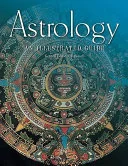
Kim Farnell, Cat Javor, and Helene Schnitzer’s Astrology (2007) functions as a dependable, if somewhat dry, primer. Its strength lies in its methodical organization, presenting the vast subject matter through thematic sections and clear cross-referencing, a boon for the novice. The appendix, detailing practical chart information, is particularly useful. However, the text’s commitment to accessible reference occasionally leads to a lack of depth; for instance, the discussion on the history of astrology, while present, feels more like a brief overview than an exploration of the intellectual currents that shaped astrological thought. The section on aspects, while factually correct, could benefit from more illustrative examples to truly bring the dynamics to life. Ultimately, this book is a solid, unadorned gateway for those needing a structured introduction to astrological mechanics.
📝 Description
84
Published in 2007, Astrology by Farnell, Javor, and Schnitzer is a reference for celestial influences.
Astrology, first published in 2007, aims to clarify celestial influences for a wide readership. The authors have organized the expansive field into clear, thematic sections. This book is structured as a practical resource for both personal study and academic work. It is well-suited for those new to astrology, students needing a clear overview for projects, or anyone wanting a direct guide to the cosmos. Its systematic approach supports structured learning, with cross-referenced entries that help readers find information easily. The goal is to give readers the basic vocabulary and conceptual framework of astrology. The book discusses core astrological components, including detailed explanations of zodiac signs, planetary influences, houses, and aspects. It breaks down the art of chart interpretation, offering techniques and definitions. The text emphasizes how these elements connect to form a complete astrological profile, moving beyond simple sun-sign interpretations.
This work acknowledges the long history of celestial observation and interpretation, from early Babylonian records to its place in Western esoteric thought. It connects to traditions that have viewed the stars as a divine map or a reflection of earthly affairs. The book situates astrological concepts within their historical development, tracing the evolution of this practice.
💡 Why Read This Book?
• Gain a structured understanding of astrological terminology, including the specific definitions of 'houses' and 'aspects' as presented in the book, enabling clearer communication about celestial placements. • Learn foundational interpretive techniques that move beyond basic sun-sign astrology, as outlined in the book's sections on interpretation and planets, to build more nuanced astrological readings. • Access practical information on chart construction and the characteristics of the twelve zodiac signs, directly from the appendix and relevant sections, for immediate application in personal or comparative study.
⭐ Reader Reviews
Honest opinions from readers who have explored this book.
❓ Frequently Asked Questions
What are the main components of an astrological chart discussed in the book?
The book details key chart components including the twelve zodiac signs, the ten planets (Sun through Pluto), the twelve houses representing different life areas, and the aspects which are the angular relationships between planets.
How does this book explain the history of astrology?
Astrology presents a chronological overview of astrological development, touching upon its ancient origins and its evolution through different cultural and historical periods, acknowledging its long-standing presence in human thought.
Is this book suitable for advanced astrology students?
While the book provides a comprehensive overview, its primary design is for beginners and intermediate students. Advanced practitioners might find the foundational approach less detailed than they require for in-depth study.
What is the role of 'aspects' in astrology according to this book?
The book defines aspects as the geometric angles between celestial bodies, explaining that these relationships are crucial for understanding the dynamics and interplay of energies within an astrological chart.
Does the book offer practical exercises for learning astrology?
The book focuses more on providing definitions, historical context, and theoretical frameworks. While it includes practical information on charts and signs in an appendix, it does not feature explicit step-by-step exercises.
When was Astrology by Farnell, Javor, and Schnitzer first published?
The book 'Astrology' by Kim Farnell, Cat Javor, and Helene Schnitzer was first published in 2007, aiming to provide an accessible reference for the subject.
🔮 Key Themes & Symbolism
Foundations of Astrological Interpretation
This work systematically breaks down the core components necessary for understanding an astrological chart. It moves beyond simple sun-sign readings to explore the intricate interplay of planets, signs, houses, and aspects. The thematic organization allows readers to grasp each element individually before understanding how they synthesize. This approach is crucial for building a solid interpretive framework, emphasizing that a complete astrological portrait requires considering the whole chart, not just isolated factors. The book aims to explain the process, providing readers with the tools to analyze the cosmic blueprint.
The Celestial Alphabet
Astrology functions as a lexicon for the language of the stars. It meticulously defines terms and concepts, from the basic characteristics of the twelve zodiac signs and the traditional seven planets (plus outer planets) to the more complex notions of house rulership and planetary aspects. This detailed glossary of celestial 'actors' and 'settings' is essential for anyone wishing to engage with astrological texts or practices. By providing clear definitions and cross-references, the book ensures readers can accurately understand the symbolic vocabulary used in charting and interpretation.
Historical and Methodological Overview
The book situates astrological practice within its historical trajectory, acknowledging its ancient roots and subsequent development. It covers various techniques and fields within astrology, offering a broad perspective on its evolution. This historical context helps readers appreciate astrology not as a static belief system but as a dynamic discipline that has adapted over centuries. Understanding these historical shifts and methodological variations provides a richer appreciation for the diverse approaches to astrological study that have emerged.
Practical Chart Application
Beyond theory, Astrology provides practical guidance for working with astrological charts. It includes essential information on constructing charts and understanding the significance of different zodiacal degrees and planetary positions. The appendix offers readily accessible data for quick reference. This focus on practical application makes the book a valuable tool for those who wish to actively engage with astrological analysis, whether for personal insight or for study purposes, bridging the gap between abstract concepts and tangible application.
💬 Memorable Quotes
Direct passages from the work, attributed to the author.
“The book is divided into thematic sections on terms and definitions, the history and fields of astrology, aspects, techniques, houses, interpretation and planets.”
— This statement from the original blurb highlights the book's structured approach. It underscores its function as a systematic reference guide, breaking down the vast subject of astrology into manageable, interconnected parts for clear learning.
“Astrology is a comprehensive guide to the wonders of the universe and the role that stars and planets play in our lives.”
— This core premise emphasizes the book's aim to connect celestial phenomena with human experience. It positions astrology as a framework for understanding personal destiny and cosmic influence, suggesting a deep, inherent relationship between humanity and the cosmos.
“It is divided into thematic sections on terms and definitions, the history and fields of astrology, aspects, techniques, houses, interpretation and planets.”
— This detail emphasizes the book's pedagogical design. By segmenting astrology into distinct thematic areas, it allows for focused study and comprehension of each component before integrating them into a holistic understanding.
“The work is packed with essential information, ideal for use at home or school.”
— This suggests the book's utility as both a personal study aid and an academic resource. Its accessible format and comprehensive coverage aim to serve a wide range of learning needs, from casual curiosity to formal research.
“Cross-references to relevant entries and an appendix with practical information on charts and signs.”
— This points to the book's user-friendly design. The inclusion of cross-references facilitates deeper exploration, while the appendix provides immediate, practical data for chart analysis and quick reference.
🌙 Esoteric Significance
Tradition
This work aligns with the broad Western esoteric tradition, particularly its astrological branch. While not explicitly tied to a singular lineage like Kabbalah or Gnosticism, it draws upon the cumulative knowledge that has developed over centuries of Western astrological practice. It acts as a modern compendium, organizing and presenting established astrological principles in a clear format suitable for contemporary study, rather than introducing novel esoteric doctrines.
Symbolism
Key symbols include the twelve zodiac signs, each representing archetypal energies and life stages, and the planets, which embody dynamic forces and psychological drives. The concept of 'houses' symbolizes different spheres of life experience, while 'aspects' represent the energetic relationships and dialogues between these celestial bodies, forming a complex symbolic language for interpreting human potential and experience.
Modern Relevance
Contemporary practitioners of psychological astrology, self-development coaches utilizing archetypal frameworks, and students of comparative cosmology can find value in this text. Its clear definitions and systematic approach provide a solid grounding for those exploring astrological influences on personality, relationships, and life events in the modern era.
👥 Who Should Read This Book
• Beginning students of Western astrology seeking a structured introduction to the fundamental components of a birth chart, including signs, planets, and houses. • Academic researchers or students of comparative religion and history who require a factual overview of astrological principles and their historical context. • Individuals interested in personal development who want to understand the basic mechanics of astrological interpretation as a tool for self-reflection and understanding.
📜 Historical Context
Published in 2007, Astrology by Farnell, Javor, and Schnitzer entered a landscape where astrological texts ranged from ancient foundational works to modern psychological interpretations. The early 21st century saw a continued interest in esoteric studies, often blending traditional approaches with contemporary self-help philosophies. This book positions itself as a clear, accessible reference, distinct from more specialized or highly theoretical works that might engage with the Hermetic tradition or delve deeply into specific astrological lineages like Hellenistic or medieval astrology. Its publication occurred during a period when online resources were burgeoning, yet the demand for well-organized print compendiums remained strong, especially for academic or foundational learning.
📔 Journal Prompts
The twelve houses and their assigned life areas.
Planetary rulerships and their symbolic significance.
The meaning of major astrological aspects.
Defining key terms such as 'ascendant' and 'midheaven'.
Historical evolution of astrological techniques.
🗂️ Glossary
Aspect
The angular relationship between two or more planets or sensitive points in an astrological chart. Aspects are considered to indicate how the energies of the involved celestial bodies interact.
House
One of the twelve divisions of the astrological chart, representing different areas of life experience such as career, relationships, and personal finances. Each house is ruled by a specific sign and planet.
Planet
In astrology, celestial bodies (Sun, Moon, Mercury, Venus, Mars, Jupiter, Saturn, Uranus, Neptune, Pluto) that are considered to exert influence on human affairs and personality. Each has specific symbolic meanings.
Sign
One of the twelve divisions of the zodiac (Aries, Taurus, Gemini, etc.), each associated with a specific set of characteristics, energies, and archetypes that color the interpretation of planets and houses.
Chart
A diagram representing the positions of the planets, Sun, Moon, and astrological houses at a specific moment in time and location, typically used for birth charts or event analysis.
Interpretation
The process of analyzing and synthesizing the various components of an astrological chart (planets, signs, houses, aspects) to derive meaning and insight about a person or event.
Technique
A specific method or approach used in astrological analysis, such as calculating planetary positions, interpreting aspects, or using predictive methods like transits or progressions.
This book appears in 1 collection
🔮 Readers Also Liked
Browse all →









From the “Vedic Astrology” Collection
View all →







More Free Astrology & Cosmology Books
View all →