Fruits Basket, Vol. 10

 69
69

Fruits Basket, Vol. 10


Aurelia Blackwood (Occult Philosophy Critic) — Natsuki Takaya's "Fruits Basket" continues its profound excavation of esoteric themes in Volume 10. The narrative skillfully weaves the ancient lore of the Chinese Zodiac into the complex emotional fabric of the Sohma clan, presenting a compelling allegory for inherited burdens and the cyclical nature of suffering. The introduction of Akito's volatile presence acts as a potent catalyst, mirroring the disruptive forces often encountered in personal spiritual awakenings. Shigure's reflections on Hatori's past offer a glimpse into the long-term effects of esoteric pacts. This volume is a treasure for those who appreciate narrative depth and the subtle exploration of psychological and spiritual interconnectedness, revealing how external curses can manifest as internal struggles for those seeking liberation.
📝 Description
69
Fruits Basket Vol. 10 (2007) brings Tohru Honda to the Sohma summerhouse.
In volume 10, Tohru Honda accompanies the Sohma family to their summerhouse. This setting, intended for a peaceful break, quickly becomes strained with the arrival of Akito, the family's head. His presence disrupts the fragile calm, bringing old anxieties to the surface. The narrative also follows Shigure as he reconnects with a past associate, revealing shared histories and past hurts, especially involving Hatori. The story continues to show how Tohru's empathy impacts the lives of those affected by the Sohma family's curse. This installment examines the weight of inherited burdens, the nature of sacrifice within families, and the deep emotional toll of their unique destiny.
The characters grapple with secrets and the complex dynamics of their relationships. The summerhouse, meant to be a sanctuary, instead amplifies underlying tensions. Akito's actions force a confrontation with the past, while Shigure's interactions highlight the lasting effects of past events on the present. Through these interactions, the book details the difficult process of confronting deep-seated emotional issues and finding connection amidst hardship.
This volume continues the exploration of the Chinese zodiac curse affecting the Sohma family, a central element in the series' esoteric framework. The curse functions as a metaphor for inherited trauma and cyclical destiny, drawing parallels to concepts found in various cultural mythologies that link familial lineage to supernatural or karmic burdens. The narrative suggests a spiritual tether between the family members and their zodiac animal spirits, influencing their personalities and relationships. The interactions at the summerhouse, particularly Akito's role, reflect themes of spiritual dominion and the struggle for freedom from predetermined fate.
💡 Why Read This Book?
This volume delves into the profound spiritual and emotional complexities of inherited curses, offering a unique lens into the interconnectedness of fate and personal growth. It's ideal for seekers of symbolic narratives, students of mythological archetypes, and anyone drawn to stories that explore the resilience of the human heart against seemingly insurmountable challenges. Discover the hidden wisdom within familial bonds and the transformative power of empathy.
⭐ Reader Reviews
Honest opinions from readers who have explored this book.
❓ Frequently Asked Questions
What is the central conflict in Fruits Basket, Vol. 10?
The central conflict revolves around the disruption of a family retreat by the arrival of Akito, triggering emotional turmoil and forcing characters to confront their past traumas and the implications of the Sohma curse.
How does Chinese Astrology play a role in this volume?
The Chinese Zodiac forms the foundational mythos for the Sohma family's curse, with each cursed member embodying an animal spirit. This volume explores the weight and implications of these inherited astrological bonds.
What is the significance of Akito's presence?
Akito represents the enigmatic and often oppressive force behind the Sohma curse, embodying both the source of their suffering and a potential key to their liberation. His appearances are always catalytic.
Does this volume introduce new characters?
While not introducing entirely new main characters, it deepens our understanding of existing ones like Hatori through Shigure's recollections, and further develops the complex dynamics within the Sohma family.
Is Fruits Basket, Vol. 10 suitable for newcomers to the series?
While it can be enjoyed, it's highly recommended to read previous volumes to fully grasp the intricate character relationships, the history of the curse, and the emotional stakes at play in this installment.
🔮 Key Themes & Symbolism
The Burden of Inheritance and Curse
This volume studies the profound weight of inherited curses, a central tenet of the Sohma family's existence. The narrative explores how these ancient astrological afflictions manifest not only as physical transformations but also as deep-seated psychological and emotional burdens. Readers witness the cyclical nature of suffering and the struggle for individual agency within a destiny seemingly predetermined by ancient pacts. The esoteric significance lies in understanding how external spiritual forces can become internalized, shaping identity and relationships across generations. It prompts reflection on ancestral karma and the continuous effort required to break free from inherited patterns, a theme resonant within many mystical traditions.
Empathy as a Transformative Force
Tohru Honda's unwavering empathy serves as a clear source of light against the darkness that pervades the Sohma household. Her capacity to see the inherent worth in each cursed individual, regardless of their transformations, is a powerful proof of the transformative potential of genuine compassion. This theme resonates deeply with esoteric philosophies that emphasize the interconnectedness of all beings and the healing power of unconditional love. The narrative illustrates how understanding and acceptance can begin to unravel deeply ingrained pain and isolation, suggesting that true liberation often stems from within, nurtured by the kindness of others. It highlights the alchemical process of turning leaden suffering into golden connection.
The Elusive Nature of Freedom and Belonging
Within the gilded cage of the Sohma estate, freedom remains an elusive dream for many of its inhabitants. This volume probes the complex interplay between familial obligation, societal expectation, and the yearning for personal autonomy. The characters grapple with finding their true selves amidst the rigid structures imposed by the curse and the family's patriarchal hierarchy. The concept of belonging is explored through the lens of acceptance, both self-acceptance and acceptance by others. For those seeking spiritual liberation, this theme offers a profound meditation on the internal and external barriers that prevent individuals from living authentically and finding their place in the world.
💬 Memorable Quotes
Direct passages from the work, attributed to the author.
“The water in the lake was so clear, you could see the bottom.”
— Symbolizes clarity and the potential for deep self-reflection, hinting at hidden truths beneath the surface of everyday life, mirroring the characters' inner journeys.
“Sometimes, the most painful things are the ones we hide the most.”
— An acknowledgment of the inner turmoil and hidden wounds that characters carry, emphasizing the esoteric concept of the shadow self and the necessity of confronting it.
“Even the darkest night will end and the sun will rise.”
— A message of hope and resilience, reflecting the cyclical nature of existence and the promise of renewal found in many spiritual traditions, even after periods of profound darkness.
“It's not about forgetting, it's about learning to live with it.”
— Highlights the esoteric principle of integration rather than suppression, suggesting that true healing involves acknowledging and integrating past experiences into one's present being.
“The air felt thick with unspoken words.”
— Evokes the palpable tension and the weight of secrets, suggesting that communication beyond the spoken word is crucial for understanding the deeper currents of relationships and spiritual states.
🌙 Esoteric Significance
Tradition
The primary esoteric tradition informing "Fruits Basket" is deeply rooted in the symbolism and cyclical philosophy of the Chinese Zodiac. Beyond mere astrological categorization, the series explores the archetypal energies associated with each of the twelve animals, presenting them as manifestations of primal forces that influence personality, relationships, and destiny. This aligns with traditions that view the cosmos as a living, interconnected web where celestial patterns influence terrestrial life. The concept of a generational curse further echoes themes found in karmic traditions and ancient pacts found across various mystical belief systems, suggesting a spiritual lineage that must be understood and potentially redeemed.
Symbolism
The most potent symbolism lies in the twelve zodiac animals, each representing distinct archetypes and energies. The transformation into animals symbolizes the primal, untamed aspects of the human psyche, the animalistic drives that lie beneath the veneer of civilization. Akito, as the Cat, embodies a more isolated and perhaps destructive energy. Tohru's unwavering kindness acts as a counter-symbol, representing unconditional love and acceptance, a force capable of healing and transformation. The Sohma family's confinement within their estate symbolizes the psychological and spiritual prisons individuals can create or inherit. The act of embracing one's true self, despite the curse, is a powerful symbol of liberation.
Modern Relevance
In a contemporary world often characterized by rapid change, societal pressures, and a search for meaning, "Fruits Basket" offers profound relevance. The series' exploration of inherited trauma, the struggle for self-acceptance, and the power of genuine human connection speaks directly to modern anxieties. Its portrayal of characters overcoming deep-seated emotional wounds through empathy and understanding provides a hopeful framework for navigating personal challenges. The subtle integration of astrological and mythological symbolism encourages readers to look beyond the superficial, fostering an appreciation for deeper, universal truths about the human condition and our place within a larger cosmic order, encouraging introspection and mindful living.
👥 Who Should Read This Book
This volume of "Fruits Basket" is a compelling read for a diverse audience. **Beginners** to the series will find themselves drawn into a richly imagined world, though prior volumes are recommended for full context. **Scholars** of Japanese literature and manga will appreciate its nuanced exploration of cultural symbolism and narrative technique. **Seekers** drawn to themes of healing, redemption, and the overcoming of adversity will find profound resonance. **Practitioners** of esoteric studies, particularly those interested in astrology, archetypes, and the interplay of fate and free will, will discover a wealth of symbolic depth and philosophical inquiry within its pages. It appeals to anyone who appreciates stories that blend emotional authenticity with a touch of the mystical.
📜 Historical Context
"Fruits Basket," first serialized in 1998, emerged during a period of significant growth and international recognition for the shojo manga genre. The late 1990s and early 2000s saw a surge in manga's popularity worldwide, with "Fruits Basket" becoming a flagship title. Natsuki Takaya's work tapped into a growing global interest in Japanese culture and storytelling. The series' blend of heartfelt drama, supernatural elements rooted in the Chinese Zodiac, and exploration of complex emotional themes resonated with a broad audience. This volume, released within this influential period, reflects the evolving narrative complexity of shojo manga, moving beyond simple romance to address deeper psychological and philosophical concerns, mirroring a broader cultural shift towards introspective and character-driven narratives.
📔 Journal Prompts
Reflect on a time you felt bound by circumstances or expectations, similar to the Sohmas. How did you navigate it?
Consider the 'curse' in your own life – not supernatural, but patterns, beliefs, or experiences that have held you back. How can empathy, as shown by Tohru, help you address them?
What does 'freedom' truly mean to you? Is it external liberation, or an internal state of being?
Shigure's stroll down memory lane reveals past vulnerabilities. Write about a memory that shaped your understanding of someone close to you.
How can understanding the 'primal' or 'animalistic' aspects of oneself (as symbolized by the zodiac) lead to greater self-awareness and integration?
🗂️ Glossary
Shojo Manga
A category of Japanese comics and graphic novels primarily aimed at a young female audience (teenagers and young adults), often featuring romance, emotional drama, and character-driven narratives.
Chinese Zodiac
A traditional classification scheme that assigns an animal and its reputed attributes to each year in a repeating 12-year cycle, forming the basis of the Sohma family's curse.
Archetype
In psychology and mythology, a universal, inherited pattern of thought or imagery derived from the experience of the race or species, often manifesting in symbolic forms.
Karmic Debt
A concept in various spiritual traditions suggesting that negative actions or unresolved issues from past lives or earlier in this life create spiritual obligations that must be addressed or balanced.
Esoteric
Intended for or likely to be understood by only a small number of people with a specialized knowledge or interest; relating to or concerned with the occult or secret matters.
This book appears in 2 collections
🔮 Readers Also Liked
Browse all →









More by 高屋奈月
All books →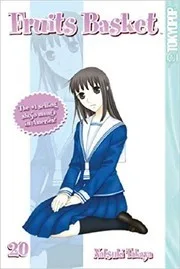





From the “Astrology” Collection
View all →








More Free Astrology & Cosmology Books
View all →