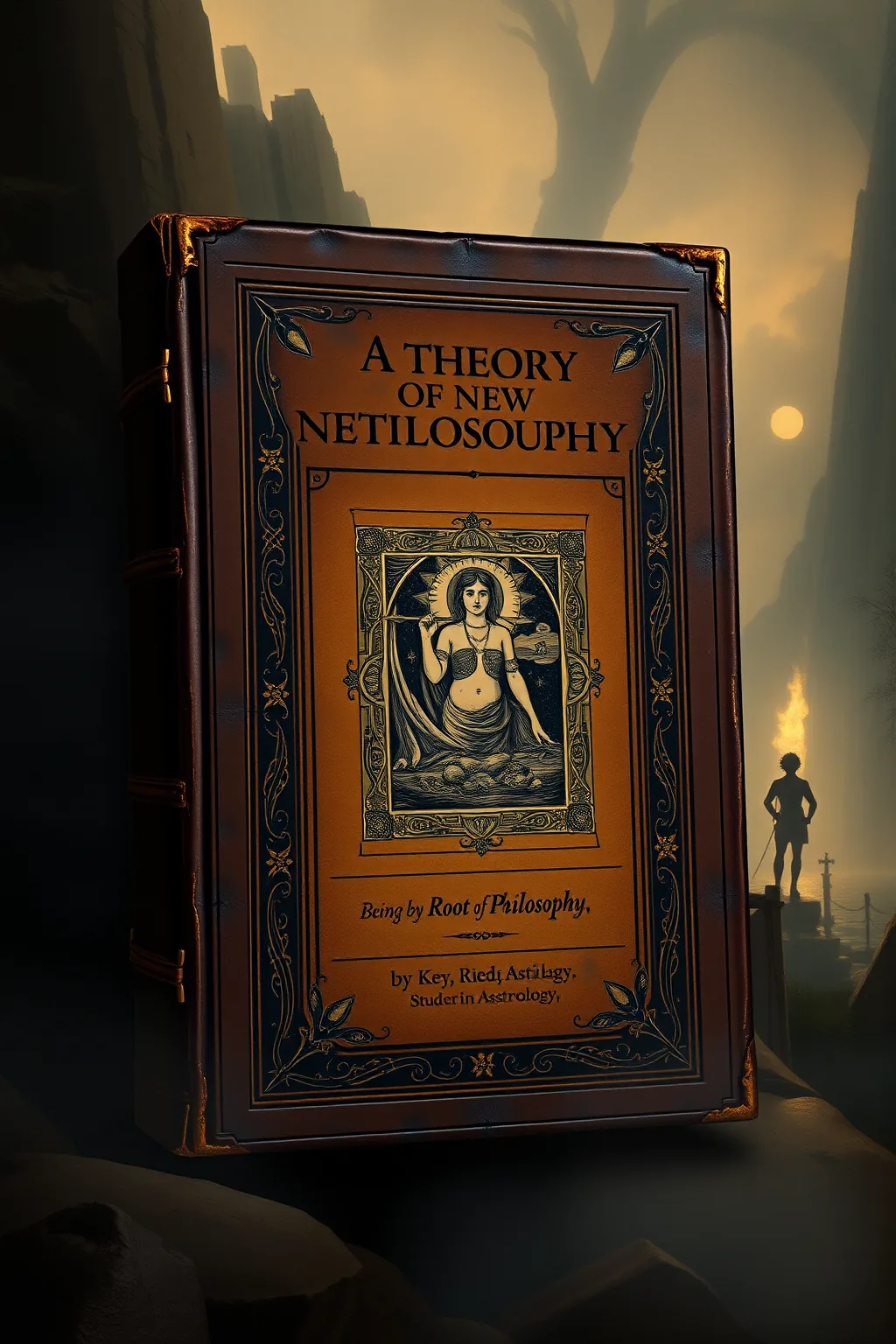
A theory of new philosophy. Being the root or mother of philosophy, astrology, and theology. ... To which is added, the true cause of this sickness and death amongst the cattle ... With some remarks on the impending fate of Europe. By R. Key, ... 1750
 71
71

A theory of new philosophy. Being the root or mother of philosophy, astrology, and theology. ... To which is added, the true cause of this sickness and death amongst the cattle ... With some remarks on the impending fate of Europe. By R. Key, ... 1750


Review by Silas Hawthorne (Hermetic Studies Editor) — 'A Theory of New Philosophy' is a profound exploration of the esoteric roots of philosophy, astrology, and theology. R. Key's work is a treasure trove of occult wisdom, meticulously crafted to unveil the hidden knowledge that has guided humanity since time immemorial. The book's strength lies in its ability to weave together disparate strands of thought into a cohesive tapestry of mystical insight. Key's insights into the celestial influences on human affairs and the natural world are particularly enlightening, making this a must-read for anyone interested in the deeper mysteries of existence. This work is ideal for scholars of the occult, spiritual seekers, and practitioners of astrology and theology who are eager to delve into the esoteric traditions that have shaped our understanding of the universe.
📝 Description
71
Published in 1750, R. Key's 'A Theory of New Philosophy' posits itself as the origin for philosophy, astrology, and theology.
This 1750 treatise by R. Key, identified as a 'Student in Astrology,' argues for a singular root system underlying philosophy, astrology, and theology. Key connects celestial influences not just to human lives but also to wider natural phenomena, including the sickness and death of cattle, a topic addressed in an appended section. The work presents a vision where these distinct fields of inquiry are fundamentally unified. It uses esoteric symbolism to illustrate a hidden order within the cosmos. The text aims to reveal the connections between the divine, the stars, and earthly existence.
Appearing in the mid-18th century, this work aligns with a tradition of occult philosophy that sought to find universal principles governing existence. Such texts often attempted to synthesize Neoplatonism, Hermeticism, and Kabbalistic ideas, presenting a worldview where the microcosm (human) reflected the macrocosm (universe). Key's specific linkage of astrology to theology and philosophy, and his inclusion of a practical concern like animal disease, suggests an interest in a comprehensive system of natural and divine law, characteristic of certain currents within Renaissance and post-Renaissance esotericism.
💡 Why Read This Book?
Read 'A Theory of New Philosophy' to gain a deeper understanding of the mystical underpinnings of philosophy, astrology, and theology. This book is essential for seekers of hidden knowledge, scholars of esoteric traditions, and practitioners of the occult who wish to explore the interconnectedness of these disciplines. It offers a unique perspective on the divine order and the celestial influences that shape our world, making it an invaluable resource for anyone interested in the deeper mysteries of existence.
⭐ Reader Reviews
Honest opinions from readers who have explored this book.
❓ Frequently Asked Questions
What is the main focus of 'A Theory of New Philosophy'?
The main focus is the exploration of the esoteric roots of philosophy, astrology, and theology, revealing the hidden knowledge that connects these disciplines.
Who is the intended audience for this book?
The intended audience includes scholars of the occult, spiritual seekers, and practitioners of astrology and theology who are interested in the deeper mysteries of existence.
What makes this book significant in the realm of esoteric literature?
This book is significant for its comprehensive exploration of the interconnectedness of philosophy, astrology, and theology, offering a unified vision of the divine order.
How does the author approach the subject matter?
The author approaches the subject matter with a deep sense of mysticism, weaving together ancient symbols and hidden meanings to reveal the esoteric wisdom that lies beneath the surface.
What can readers expect to gain from reading this book?
Readers can expect to gain a richer understanding of the occult knowledge that has shaped human thought and a deeper appreciation for the celestial influences on our world.
🔮 Key Themes & Symbolism
The Esoteric Roots of Philosophy
Explore the hidden knowledge that has shaped philosophical thought since ancient times. This theme examines the mystical underpinnings of philosophy, revealing the occult wisdom that lies beneath the surface.
Celestial Influences on Human Affairs
Understand how the celestial bodies influence human destiny and the natural world. This theme examines the astrological principles that govern our lives and the fate of the universe.
The Unity of Philosophy, Astrology, and Theology
Discover the interconnectedness of philosophy, astrology, and theology. This theme reveals how these disciplines are part of a unified vision of the divine order, offering a deeper understanding of the cosmos.
💡 Key Ideas
Editorial paraphrase of the work's core concepts — not direct quotes.
The stars above guide our paths, both seen and unseen.
This quote underscores the influence of celestial bodies on human destiny, a central theme of the book.
In the heart of hidden knowledge lies the truth of existence.
This line highlights the esoteric wisdom that shapes our understanding of the universe.
Philosophy, astrology, and theology are but threads in the range of the divine.
This passage emphasizes the interconnectedness of these disciplines and their role in revealing the divine order.
The universe speaks in symbols, and the wise listen.
This quote underscores the importance of symbolism in understanding the deeper mysteries of existence.
The fate of Europe hangs in the balance of celestial influences.
This line reflects the book's exploration of how astrological principles shape the destiny of nations.
🌙 Esoteric Significance
Tradition
This book belongs to the Hermetic tradition, which seeks to uncover the hidden wisdom of the ancient world. It draws on astrological principles, philosophical inquiry, and theological insights to reveal the divine order of the universe.
Symbolism
Key symbols in this work include the celestial bodies, ancient myths, and mystical archetypes. These symbols are used to convey the deeper meanings and hidden knowledge that lie beneath the surface of human experience.
Modern Relevance
This book remains relevant today for modern practitioners of the occult, astrologers, and spiritual seekers who are interested in the esoteric traditions that have shaped our understanding of the cosmos. It offers a rich source of symbolism and hidden knowledge that can enrich one's spiritual practice and philosophical inquiry.
👥 Who Should Read This Book
Beginners in the field of esoteric studies will find this book to be an excellent introduction to the interconnectedness of philosophy, astrology, and theology. Scholars of the occult will appreciate the depth of Key's insights and the historical context in which the book was written. Spiritual seekers will benefit from the mystical wisdom and hidden knowledge revealed in its pages. Practitioners of astrology and theology will find valuable insights into the celestial influences on human affairs and the divine order of the universe.
📜 Historical Context
Published in 1750, 'A Theory of New Philosophy' emerged during a time of intellectual ferment and esoteric exploration. The Enlightenment was in full swing, but alongside the rationalism of the era, there was a burgeoning interest in the occult and mystical traditions. This book reflects the zeitgeist of the time, seeking to reconcile the rational with the mystical, and to uncover the hidden knowledge that has shaped human thought for centuries. It was important for its attempt to integrate philosophy, astrology, and theology into a cohesive framework, influencing later esoteric thinkers and practitioners.
📔 Journal Prompts
Reflect on how the celestial bodies influence your own destiny and the natural world around you.
Explore the interconnectedness of philosophy, astrology, and theology in your own spiritual practice.
Consider the role of symbolism in uncovering the deeper mysteries of existence.
How does the Hermetic tradition shape your understanding of the divine order?
What insights from this book can you apply to your daily life to enrich your spiritual journey?
🗂️ Glossary
Hermetic Tradition
An esoteric tradition that seeks to uncover the hidden wisdom of the ancient world, often through the study of astrology, alchemy, and mysticism.
Celestial Influences
The astrological principles that govern human destiny and the natural world, often studied in the context of esoteric traditions.
Divine Order
The underlying structure of the universe that reflects the will and wisdom of the divine, often explored in mystical and occult literature.
Esoteric Wisdom
Hidden knowledge that is revealed to those who seek the deeper mysteries of existence, often through the study of ancient symbols and mystical traditions.
Symbolism
The use of symbols to convey deeper meanings and hidden knowledge, a central aspect of esoteric and mystical literature.
This book appears in 1 collection
🔮 Readers Also Liked
Browse all →








From the “Astrology” Collection
View all →








More Free Astrology & Cosmology Books
View all →